

South Georgia Island King Penguins: A Wildlife Spectacle
South Georgia Island king penguins represent one of Earth’s most breathtaking wildlife experiences with colonies exceeding 100,000 breeding pairs across the subantarctic landscape. Your expedition delivers close encounters alongside fur seals and wandering albatross within a remote environment accessible only by specialized vessels. This guide covers essential planning details from optimal visiting seasons to conservation-focused tourism practices for your Antarctic adventure.
Essential Subantarctic Information
South Georgia Island spans 1,450 square miles in the South Atlantic Ocean approximately 800 miles southeast of the Falkland Islands. The British Overseas Territory features dramatic mountain ranges reaching 9,625 feet alongside deep fjords and massive glaciers that create stunning backdrops for wildlife viewing. Its location within the Antarctic Convergence creates unique marine ecosystems supporting incredible biodiversity.
Geographical Context and Access
Understanding South Georgia’s remote position helps plan your expedition logistics effectively. The island lies within the Scotia Sea where cold Antarctic waters meet warmer subantarctic currents.
- Access requires a multi-day voyage from Ushuaia Argentina or Stanley Falkland Islands crossing the often-stormy Drake Passage.
- No airstrips exist on the island making sea travel your only option aboard ice-strengthened expedition vessels.
- Landings occur at specific sites determined by weather conditions and require Zodiac boat transfers from your ship.
- Budget expeditions start around $8,000-$12,000 for shared cabins on smaller vessels with basic amenities and fewer guided activities.
- Mid-range options cost $12,000-$20,000 featuring private cabins expert naturalist guides and included Zodiac excursions with photography workshops.
- Luxury expeditions exceed $20,000 offering suite accommodations gourmet dining citizen science programs and helicopter access to remote sites.
- Government of South Georgia & South Sandwich Islands
- International Association of Antarctica Tour Operators
Historical Significance and Conservation
South Georgia’s history intertwines with Antarctic exploration and whaling operations throughout the 20th century. Ernest Shackleton’s famous Endurance expedition concluded here with his crossing of the island’s mountains in 1916.
The South Georgia Heritage Trust manages ongoing habitat restoration projects that have successfully eradicated invasive species. Your visit directly supports these conservation efforts through mandatory biosecurity protocols and tourism fees.
Wildlife Ecosystem Overview
Beyond the famous king penguin colonies South Georgia hosts an astonishing array of subantarctic species. The island serves as a critical breeding ground for millions of seabirds including four albatross species.
Marine mammals thrive in the nutrient-rich waters with southern elephant seals and Antarctic fur seals crowding the beaches during breeding season. The ecosystem’s health directly connects to Antarctic krill populations that sustain this wildlife abundance.
South Georgia Island King Penguins – Planning Your Expedition
Organizing your South Georgia Island king penguins adventure requires careful consideration of expedition timing vessel selection and physical preparation. The austral summer from November through March offers the only practical window for visits with each month presenting different wildlife behaviors and weather conditions. Expedition cruises represent your sole access method with prices reflecting the remote location and specialized equipment required.
Booking twelve to eighteen months in advance secures preferred cabin categories and early booking discounts on these popular voyages. Physical fitness matters for Zodiac transfers and walking across uneven terrain during landings at penguin colonies. Weather dictates daily itineraries requiring flexibility and proper cold-weather gear regardless of summer timing.
Best Time to Visit South Georgia
November brings spring conditions with snow-covered landscapes and early penguin courtship displays alongside emerging elephant seal pups. Daytime temperatures range from 30°F to 40°F (-1°C to 4°C) with increasing daylight hours perfect for photography.
December through January offers peak wildlife activity with king penguin chicks present and maximum daylight exceeding 18 hours daily. February through March features milder temperatures 35°F to 45°F (2°C to 7°C) with weaned penguin chicks and fewer visitors.
Budget Planning and Expedition Costs
Antarctic expeditions represent significant investments with prices reflecting remote operations and limited availability.
Essential Preparation Checklist
Physical preparation should include cardiovascular exercise and strength training for navigating slippery terrain during landings. Practice with your photography equipment beforehand since wildlife encounters offer limited time for camera adjustments.
Required documentation includes valid passports with blank pages and any necessary visas for Argentina or Chile depending on your departure point. Travel insurance with emergency evacuation coverage remains mandatory for all Antarctic expeditions given the remote location.
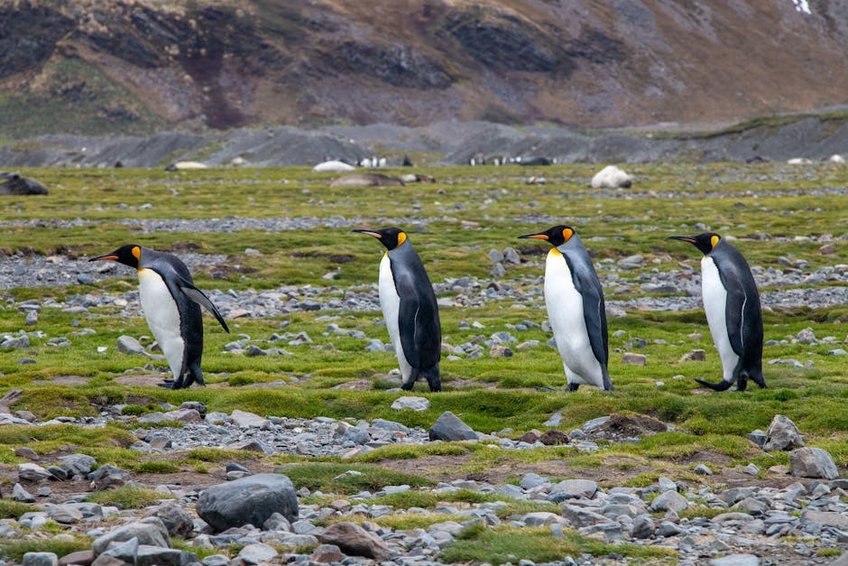
Alt: “south-georgia-king-penguin-colony-beach-landscape”
Top Wildlife Attractions and Activities
Salisbury Plain hosts the island’s second-largest king penguin colony with approximately 250,000 birds congregating before the Lucas Glacier backdrop. The massive gathering creates an unforgettable sensory experience with their distinctive calls carrying across the valley. Visiting requires a 1.5-mile walk from the landing site across relatively flat terrain accessible to most passengers.
St. Andrew’s Bay contains the world’s largest king penguin colony exceeding 500,000 birds during peak breeding season from December to February. The scale overwhelms visitors with endless lines of penguins marching between ocean and nesting grounds. Afternoon light provides optimal photography conditions when the sun illuminates the birds’ vibrant orange ear patches.
Must-See Penguin Colonies
Gold Harbour combines king penguins with elephant seals and soaring light-mantled albatross against a spectacular glacial backdrop. The compact area allows observing multiple species interactions within a single landing location.
Right Whale Bay offers excellent king penguin viewing alongside historic whaling station remains that contextualize the island’s conservation story. Gentoo penguins often nest nearby providing comparison opportunities between species.
Other Wildlife Encounters
Grytviken whaling station serves as the island’s historical center featuring Shackleton’s grave and an excellent museum documenting human impact. The site often hosts fur seals along the shoreline and wandering albatross soaring overhead.
Elsehul Bay provides exceptional birdwatching with multiple albatross species including grey-headed and black-browed varieties nesting on surrounding cliffs. Zodiac cruises along the coastline reveal hidden penguin colonies inaccessible by foot.
Photography Techniques and Ethics
Use telephoto lenses (200-400mm minimum) for capturing intimate penguin behaviors without disturbing the colonies. Maintain the required distance from wildlife while utilizing the rule of thirds for composition.
Polarizing filters reduce glare from water and snow while higher ISO settings accommodate the frequently overcast conditions. Ethical photography means never baiting animals or using flash which can distress nesting birds.
Practical Expedition Information
Expedition vessels range from 50 to 200 passenger ships with smaller boats offering more landing opportunities due to Antarctic Treaty restrictions. The journey from Ushuaia typically includes two days crossing the Drake Passage each way with four to six days around South Georgia. Onboard amenities include dining facilities lecture theaters and observation lounges with expert guides providing daily briefings.
| Expedition Category | Vessel Features and Inclusions | Price Range (USD) |
|---|---|---|
| Adventure Class | Basic cabins shared facilities limited guided activities | $8,000-$12,000 |
| Comfort Class | Private cabins expert naturalists included excursions | $12,000-$20,000 |
| Luxury Class | Suite accommodations gourmet dining special access | $20,000-$35,000 |
| Photography Focus | Workshops dedicated guides flexible itineraries | $15,000-$25,000 |



