Sofia Travel Guide: Exploring Bulgaria’s Vibrant Capital
This Sofia travel guide reveals a city where Roman ruins share sidewalks with Orthodox domes and Soviet monuments. Sofia, Bulgaria’s capital, delivers compelling European travel at remarkable value, with accommodation and dining costs significantly below Western averages. You will discover ancient history, vibrant street life, and mountain vistas within a compact, walkable urban center framed by the Vitosha Mountain. This guide provides the practical details, from navigating Cyrillic to finding the best shops and traditional taverns, ensuring a smooth and enriching visit.
Sofia Essentials: History and Orientation
Sofia’s history spans thousands of years, with Thracian, Roman, Byzantine, Ottoman, and Communist layers visible across its districts. The city became Bulgaria’s capital in 1879 after liberation from Ottoman rule, sparking a period of architectural revival. Today, its center is defined by wide boulevards, expansive parks, and a mix of architectural styles that tell its complex story. Most key attractions are concentrated within a 2-kilometer (1.2-mile) radius, making exploration on foot entirely feasible.
Key Districts and Neighborhoods
Understanding Sofia’s layout helps you choose the right base for your stay.
- City Center (Tsentralen): Home to major landmarks like Alexander Nevsky Cathedral, the National Theatre, and Vitosha Boulevard. This is the tourist hub, filled with shops, restaurants, and hotels, ideal for first-time visitors wanting to be steps from the action.
- Oborishte and Ivan Vazov: Upscale, quieter areas near the City Garden and National Palace of Culture (NDK). You will find elegant pre-war architecture, embassies, and sophisticated cafes, perfect for a more relaxed, residential feel.
- Studentski Grad (Student City): Located southeast of the center, this district buzzes with youthful energy from the university. It offers incredibly affordable eateries, lively bars, and budget accommodations, suited for backpackers and younger travelers.
- Budget Traveler ($45-65/day): Stay in hostel dorms ($12-20), eat at bakeries and kebapche shops ($3-5 per meal), use public transport ($1 for a day pass), and focus on free attractions like churches and parks. A week-long trip can cost around $350.
- Mid-Range Traveler ($85-130/day): This includes a private room in a central hotel or apartment ($45-70), sit-down meals at traditional taverns (mehanas) with wine ($15-25), museum entries, and occasional taxi rides. A comfortable week costs approximately $700.
- Luxury Traveler ($200+/day): Enjoy five-star hotels like the Grand Hotel Sofia ($120+), fine dining at upscale restaurants ($50+ per dinner), private guided tours, and spa treatments. Expect to spend $1,500+ for a luxurious week.
- Official Sofia Tourist Portal
- Bulgaria Travel Official Site
- Sofia Urban Transport Center
Language and Getting By
Bulgarian is the official language, using the Cyrillic alphabet. While this can seem daunting, you will find English spoken in hotels, most restaurants, and by younger residents in the center. Learning a few Cyrillic letters helps immensely with reading street signs and menus. Additionally, saying “hello” (zdravey) and “thank you” (blagodarya) is always appreciated and opens doors to warmer interactions with locals. Navigating is straightforward as major signs often include Latin script.
Visa and Entry Requirements
Bulgaria is a member of the European Union but is not yet part of the Schengen Area. However, it generally follows Schengen visa policies. US, UK, Canadian, and Australian passport holders can visit visa-free for up to 90 days within a 180-day period. Always ensure your passport is valid for at least three months beyond your planned departure date. Border officials may ask for proof of onward travel and sufficient funds for your stay.
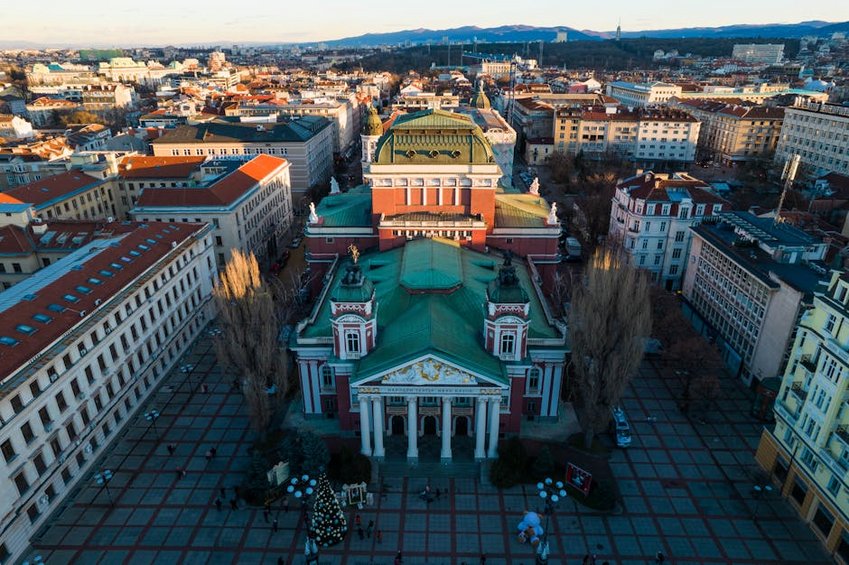
Alt: “sofia-city-center-alexander-nevsky-cathedral-sunset”
Sofia Travel Guide – Planning Your Trip
Effective planning for Sofia balances its continental climate with a desire to experience both city culture and nearby nature. Summers are warm and lively, while winters are cold and often snowy, offering a different charm with potential for skiing on Vitosha Mountain. Your budget will stretch far here, with excellent meals and public transit costing a fraction of other European capitals. Advance booking for accommodations is wise during peak summer and around major holidays for the best rates and locations.
Consider purchasing a Sofia City Card if you plan to visit multiple museums and use public transport extensively. It includes free admission to many sites and unlimited travel. Pack comfortable walking shoes for the city’s cobblestone streets and a light jacket even in summer for cooler evenings. Having some Bulgarian Leva (BGN) in cash is useful for small shops, markets, and taxis, though cards are widely accepted.
Best Time to Visit Sofia
The ideal months for a Sofia visit are late spring (May to June) and early autumn (September to October). During these periods, daytime temperatures range from a pleasant 65-75°F (18-24°C) with minimal rainfall. Crowds are manageable, and outdoor cafe culture is in full swing. July and August can be hot, with highs reaching 86°F (30°C), but this is peak festival season.
Winter, from December to February, is cold with averages of 32-41°F (0-5°C) and regular snowfall. This season offers festive markets and easy access to Vitosha Mountain for skiing, but some smaller attractions may have shorter hours. The shoulder months of April and November are transitional and can be rainy, yet they offer lower prices and fewer tourists.
Budget Planning and Costs
Sofia is notably affordable for a European capital. Here is a breakdown for different spending styles.
Essential Preparation Checklist
Pack layers suitable for variable weather, including a waterproof jacket and comfortable, sturdy shoes for walking on uneven surfaces. A universal power adapter (Type F, 220V) is necessary, and a portable power bank is useful for long days of navigation and photography. Download the offline Google Maps area for Sofia and consider the local taxi app, TaxiMe, for reliable rides.
Ensure you have valid travel insurance that covers medical emergencies. Notify your bank of your travel plans to avoid card blocks. While not mandatory, having a printed copy of your hotel reservation can smooth the process if asked at border control. Finally, read a brief overview of Bulgarian history to better appreciate the context of the monuments you will see.
Top Attractions and Cultural Sites
Sofia’s charm lies in the density and diversity of its landmarks, where a single square might hold a medieval church, a Roman gate, and a socialist-era ministry. Start your exploration at the iconic Alexander Nevsky Cathedral, then wander to the ancient Serdica complex visible under glass in the city center. The city’s many gold-domed Orthodox churches offer peaceful respite and stunning interior artistry, often free to enter. Vitosha Boulevard provides prime people-watching, leading your gaze toward the mountain that shares its name.
Beyond the immediate center, the Boyana Church, a UNESCO site with 13th-century frescoes, and the National Historical Museum in the former presidential palace are worthy excursions. For a different perspective, join a free walking tour starting daily from the Palace of Justice; they offer excellent historical introductions and operate on a tip-only basis.
Must-See Historical Highlights
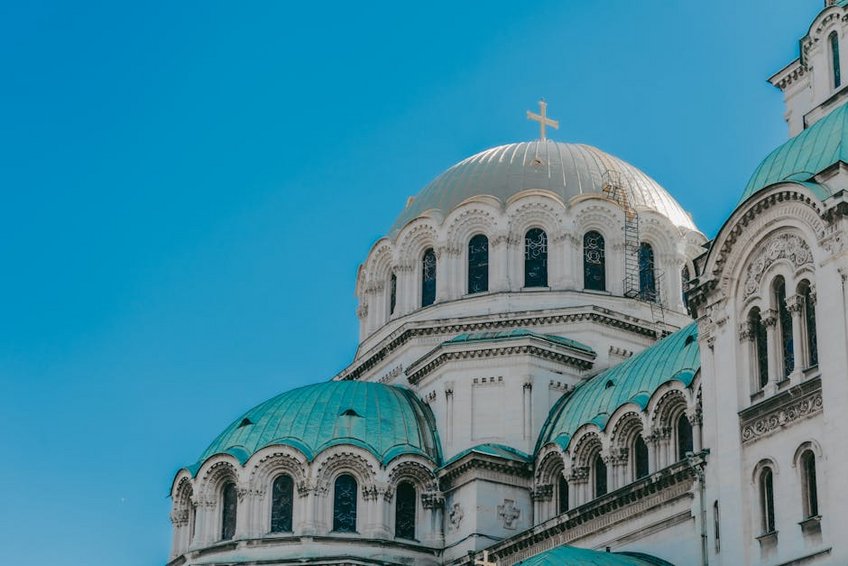
The Alexander Nevsky Cathedral is the city’s symbol. This monumental Orthodox church, built in the early 20th century, can hold 10,000 people. Its domes are covered with gold leaf, and the interior features intricate mosaics and marble. Admission is free, but a small fee is required to visit the crypt museum, which houses a superb collection of Bulgarian icons. Visit in the late afternoon for the best light on its golden domes.
The Church of St. George (Rotunda) is Sofia’s oldest building, dating to the 4th century. This red-brick rotunda sits in the courtyard of the Presidential Hotel and the Council of Ministers building, surrounded by Roman ruins. Its humble exterior belies beautifully preserved medieval frescoes inside. It is a powerful reminder of the city’s ancient roots as Serdica. Just a few steps away, you can look down through glass panels at the excavated East Gate of Serdica and other Roman street ruins.
St. Sofia Church, from which the city takes its name, is a 6th-century Byzantine basilica. Its understated design contrasts with the grand Nevsky Cathedral. Beneath the church, you can visit an underground museum and necropolis with preserved Roman tombs and mosaic floors. The adjacent tomb of the unknown soldier features an eternal flame, guarded by soldiers.
Hidden Gems and Local Favorites
Escape the crowds at the Doctor’s Garden (Borisova Gradina). This large park is a favorite among locals for strolling, jogging, and relaxing by the lake. It features the Monument to the Soviet Army and open-air reading rooms in summer. For a unique view, take the Sofia City Tour bus not just for transport, but for its panoramic route that includes less-visited neighborhoods and comprehensive audio commentary.
Discover Zhenski Pazar (Women’s Market), a bustling, authentic local market where you can find fresh produce, spices, cheese, and household goods. It is a sensory immersion into daily Bulgarian life far from tourist shops. For a quirky museum, visit the Museum of Socialist Art, located slightly outside the center. It displays statues of Lenin and other communist-era artworks in a park, offering a fascinating glimpse into Bulgaria’s recent past.
Art and Museum Exploration
The National Art Gallery, housed in the former royal palace on Battenberg Square, showcases Bulgarian art across the centuries. Its collection includes medieval icons, Revival-period works, and 20th-century paintings. The National Archaeological Museum, located in a former mosque, is another treasure trove, featuring the famed Vulchitrun Gold Treasure from the Thracian era. Both museums require a few hours for a proper visit and have modest entrance fees under $5 USD.
Practical Travel Information: Logistics and Stay
Getting to and around Sofia is straightforward. Sofia Airport (SOF) is the main international gateway, located just 10 kilometers (6 miles) east of the city center. The metro’s Line 1 connects the airport directly to the city center (Serdika Station) in about 18 minutes for approximately $1. Taxis are also available; use only licensed companies like OK Supertrans, which have fixed rates to central zones displayed at their booth. Within the city, an efficient mix of metro, trams, buses, and trolleybuses covers all areas with a single, integrated ticket system.
Accommodation options cater to all budgets. The city center offers convenience but can be noisy at night. The Oborishte district provides a quieter, more upscale atmosphere, while Studentski Grad is the hub for budget hostels and vibrant nightlife. Booking.com and Airbnb are widely used, and many hotels offer better rates when booked directly on their websites, especially for longer stays.
| Accommodation Type | Features and Locations | Price Range (USD/Night) |
|---|---|---|
| Hostel/Budget Hotel | Dorm beds or basic private rooms in Studentski Grad or near the Central Railway Station. Often include communal kitchens and social events. | $12 – $35 |
| Mid-Range Hotel/Apartment | Private rooms with ensuite bathrooms in the City Center or Oborishte. Typically include breakfast, WiFi, and 24-hour reception. | $45 – $85 |
| Boutique Hotel | Design-focused hotels in renovated historic buildings in central neighborhoods like Ivan Vazov. Offer personalized service and unique decor. | $90 – $150 |
| Luxury Hotel | International five-star chains and historic luxury properties like the Grand Hotel Sofia. Feature spas, fine dining, and premium locations. | $120 – $250+ |