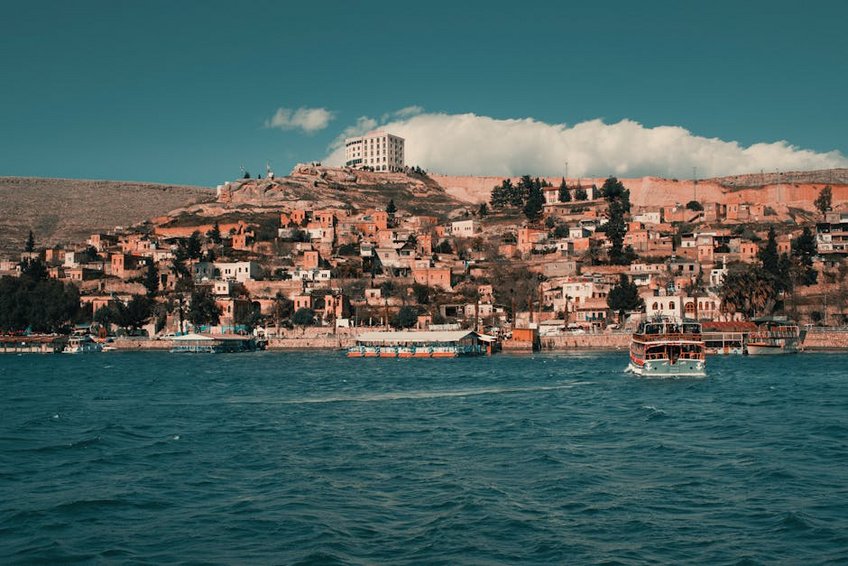
Sanliurfa Travel Guide: Discover Turkey’s Ancient Crossroads
Şanlıurfa, often called Urfa, stands as one of Turkey’s most captivating historical destinations, where ancient prophets walked and civilizations first farmed. Your Sanliurfa travel guide begins at Göbekli Tepe, the world’s oldest temple complex that rewrites human history, and extends through bustling bazaars and sacred pools in the city’s heart. This guide provides practical advice on navigating its archaeological wonders, savoring its distinct cuisine, and planning a seamless trip to southeastern Turkey’s spiritual center.
Essential Historical and Cultural Context
Şanlıurfa’s history spans over 12,000 years, earning its nickname “the City of Prophets.” The region is central to Abrahamic traditions, identified as the birthplace of the Prophet Abraham. This deep spiritual heritage permeates the city’s atmosphere and architecture.
Modern Urfa blends its ancient past with a vibrant, conservative Turkish culture. Visitors notice a more traditional dress code and slower pace than western Turkish cities. The local population is famously hospitable, welcoming travelers to explore their home’s unique story.
The city’s official name, Şanlıurfa, translates to “Glorious Urfa,” a title granted in 1984 for its role in the Turkish War of Independence. Before your visit, understanding this cultural and historical backdrop enriches every interaction and site you encounter. It transforms a simple tour into a meaningful journey through time.
Key Historical Periods and Influences
Urfa’s landscape tells a layered story of successive empires.
- Neolithic Revolution (10,000 BCE): The surrounding plains hosted some of humanity’s first agricultural settlements, with Göbekli Tepe as the spiritual center of this new world.
- Hellenistic & Roman Era (3rd Century BCE – 3rd Century CE): Known as Edessa, the city became a prosperous kingdom and early center of Christianity, with the first Syriac translation of the Bible produced here.
- Islamic Caliphates to Ottoman Rule (7th – 20th Century): The city flourished under Arab, Crusader, Turkic, and finally Ottoman control, each adding architectural and cultural layers visible today.
- Budget Traveler ($40-60/day): Stay in a local guesthouse, eat street food like “çiğ köfte” and “lahmacun,” use public buses, and visit free sites like the bazaar and Balıklıgöl. Entrance fees to paid sites are modest.
- Mid-Range Traveler ($80-120/day): Book a comfortable hotel with breakfast, enjoy sit-down meals at traditional restaurants, hire a private guide for half-day tours to Göbekli Tepe, and use taxis for convenience.
- Luxury Traveler ($150+/day): Stay at the city’s top hotel, book a private driver and expert archaeologist guide for multi-day tours, dine at the finest kebab houses, and purchase high-quality handicrafts and textiles.
- Republic of Turkey Ministry of Culture and Tourism – Şanlıurfa Portal
- UNESCO World Heritage Centre – Göbekli Tepe
Understanding Local Culture and Customs
Respecting local customs ensures a respectful and rewarding visit. Dress modestly, particularly when visiting mosques and religious sites. Women should carry a scarf to cover their hair. Men and women alike should avoid shorts and sleeveless tops in the city center.
Hospitality, or “misafirperverlik,” is a cornerstone of local culture. Accept offers of tea, a ubiquitous social ritual, whenever possible. A simple “teşekkür ederim” (thank you) is appreciated. Photography requires sensitivity, especially of people; always ask permission first.
Climate and Geography of Southeastern Turkey
Şanlıurfa sits on a semi-arid plateau in the Anatolian region, near the Syrian border. Summers are long, dry, and intensely hot. Winters are cool and can be rainy. The surrounding Harran Plain is famously fertile, thanks to ancient irrigation techniques.
The stark, golden landscape under a vast sky creates a powerful, almost biblical atmosphere. This environment shaped the resilient cultures that thrived here. Bring sun protection and water year-round.
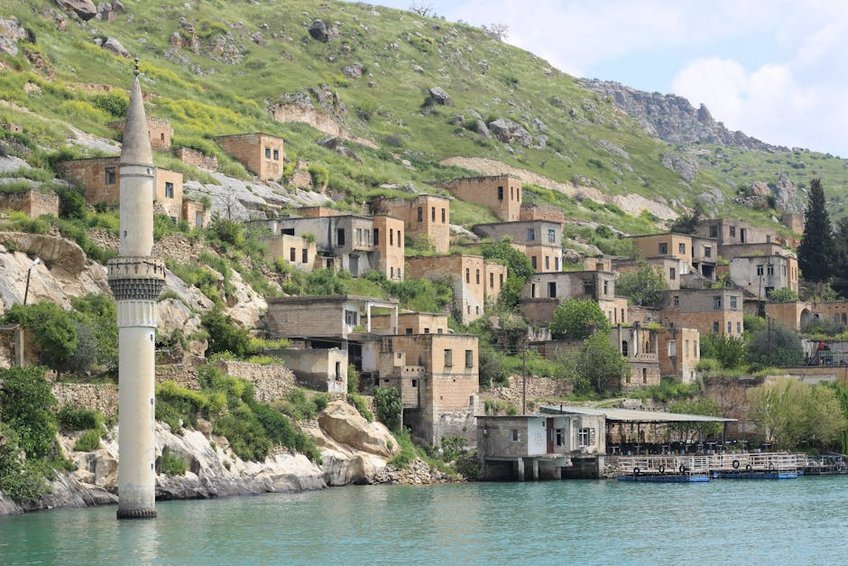
Alt: “sanliurfa-gobekli-tepe-ancient-t-pillars-sunset”
Planning Your Sanliurfa Travel Guide
A successful trip to Urfa requires thoughtful planning around climate, logistics, and regional context. The city serves as the perfect base for exploring several key archaeological sites. Allocate enough days to absorb the profound history without rushing.
Spring and autumn offer the most pleasant conditions for exploration. You will need comfortable walking shoes for uneven archaeological sites and modest clothing for sacred spaces. Booking guides for major sites like Göbekli Tepe significantly enhances understanding.
Consider combining your visit with nearby Mardin or Gaziantep for a broader Southeastern Anatolia experience. Internal flights connect Urfa to Istanbul and Ankara, while long-distance buses provide affordable access from across Turkey. Renting a car offers maximum flexibility for visiting outlying attractions.
Best Time to Visit Sanliurfa
The ideal visiting windows are April to May and September to October. During these months, daytime temperatures range from a pleasant 70°F to 85°F (21°C to 29°C). Nights are cool, and rainfall is low. These conditions are perfect for walking through archaeological sites.
Summer, from June to August, brings extreme heat, often exceeding 100°F (38°C). Sightseeing is best confined to early mornings and late afternoons. Winter sees cooler days around 50°F (10°C) and chilly nights, with a higher chance of rain. Some smaller sites may have reduced hours.
Budget Planning and Costs
Daily costs in Urfa are lower than in Istanbul or coastal resorts.
Essential Preparation Checklist
Pack light, modest clothing made from breathable fabrics like linen or cotton. A wide-brimmed hat, high-SPF sunscreen, and a reusable water bottle are non-negotiable for sun protection. Include a packable scarf for women and closed-toe walking shoes for rocky terrain.
Ensure your passport is valid for at least six months beyond your travel dates. Most nationalities can obtain an e-Visa for Turkey online before arrival. Purchase comprehensive travel insurance that covers medical evacuation. Book domestic flights and key hotel stays several weeks in advance, especially during spring and fall.
Top Attractions and Archaeological Wonders
Şanlıurfa’s attractions tell a continuous story from prehistory to the present day. The city itself is an open-air museum centered around the sacred pool of Balıklıgöl. Just outside the city, the stone circles of Göbekli Tepe await.
Spend your first day exploring the compact city center on foot. Visit the bazaar, the citadel, and the mosque complex. Dedicate a full second day to Göbekli Tepe and perhaps the nearby site of Karahan Tepe. A third day allows for a trip to the beehive houses of Harran.
Each site carries immense weight. Guides are invaluable for translating the stones’ stories. Allow time for reflection; the scale of history here can be overwhelming. Pace yourself between major archaeological visits with relaxing moments in tea gardens.
Must-See Historical Highlights
Göbekli Tepe: This UNESCO site, dating to 9600 BCE, is the world’s oldest known temple. The massive, intricately carved T-shaped pillars arranged in circles fundamentally changed our understanding of Neolithic societies. Visit at opening (8 AM) to avoid the midday heat and largest crowds. Entrance costs about $10.
Balıklıgöl (Pool of Sacred Fish): The serene heart of Urfa’s old city. According to legend, this is where Prophet Abraham was thrown into a fire, which God turned into water and the logs into sacred carp. The surrounding gardens and the Halil-ür Rahman Mosque create a peaceful sanctuary. Admission is free.
Şanlıurfa Castle and Caves: The citadel atop the hill offers panoramic city views. At its base are the caves believed to be the birthplace of Prophet Abraham. The site connects the city’s landscape directly to its prophetic traditions. A small entrance fee applies.
Hidden Gems and Local Favorites
Şanlıurfa Bazaar (Kapalı Çarşı): Wander the labyrinthine lanes of the old covered market. It’s less touristy than Istanbul’s Grand Bazaar. You’ll find spices, textiles, copperware, and the distinctive local “otlu peynir” (herbed cheese). It’s a vibrant slice of daily life.
Museum of Archaeology (Şanlıurfa Müzesi): Often overlooked, this modern museum is essential. It houses breathtaking finds from Göbekli Tepe and other local digs, providing crucial context you simply can’t get at the sites alone. Allocate at least two hours here.
Sıra Geceleri: These are traditional “night gatherings” where men socialize over food, music, and conversation in historic mansions. While some are male-only, certain venues now offer cultural nights for tourist groups, providing a unique insight into local social traditions.
Day Trip to Harran
The ancient town of Harran, about 45 kilometers south, is famous for its unique beehive-shaped mud-brick houses. It was a major Mesopotamian commercial center. You can explore the ruins of one of the world’s first Islamic universities and a grand Ulu Cami (Great Mosque).
The journey takes about an hour by car or dolmuş (shared minibus). Combine it with a visit to the nearby Temple of the Moon and Sun. Go in the morning to explore the houses before the heat peaks. The landscape here feels timeless, offering a stark contrast to Urfa’s urban energy.
Practical Travel Information and Logistics
Navigating Şanlıurfa is straightforward with basic planning. The city has a small international airport and excellent long-distance bus connections. Within the city, taxis are affordable and the best way to reach sites like Göbekli Tepe unless you have a rental car.
Accommodation ranges from simple guesthouses near the bazaar to a handful of modern, comfortable hotels. Staying within walking distance of Balıklıgöl puts you in the center of the action. For a quieter stay, look at newer hotels on the city’s outskirts, though you’ll depend on taxis.
English is not widely spoken outside major hotels and tourism offices. Learning a few Turkish phrases or using a translation app is helpful. The city is generally safe, but standard precautions for solo travelers apply, especially at night. Always carry a card with your hotel’s name and address.
| Accommodation Type | Best For / Features | Average Price Range (USD) |
|---|---|---|
| Guesthouse (Pansiyon) | Budget travelers, authentic local experience near the old city, basic amenities | $20 – $40 per night |
| Mid-Range Hotel | Comfort and location, breakfast included, modern rooms, often within walking distance of sites | $50 – $90 per night |
| Luxury Hotel | Top-end comfort, full-service amenities, swimming pool (crucial in summer), on-site restaurant | $100 – $180 per night |
| Rental Apartment | Longer stays, families, self-catering option, more space and privacy | $40 – $80 per night |