Safari Experience in Africa: Witness Wildlife in Its Natural Realm
Embarking on a Safari Experience in Africa offers a direct connection to the planet’s most iconic wildlife and breathtaking landscapes. This journey takes you beyond observing animals to understanding intricate ecosystems, from the vast savannas of the Serengeti to the watery labyrinths of the Okavango Delta. Your adventure blends raw nature with cultural insights, requiring thoughtful planning around seasons, destinations, and personal travel style to create a truly impactful trip.
Understanding the African Safari Landscape
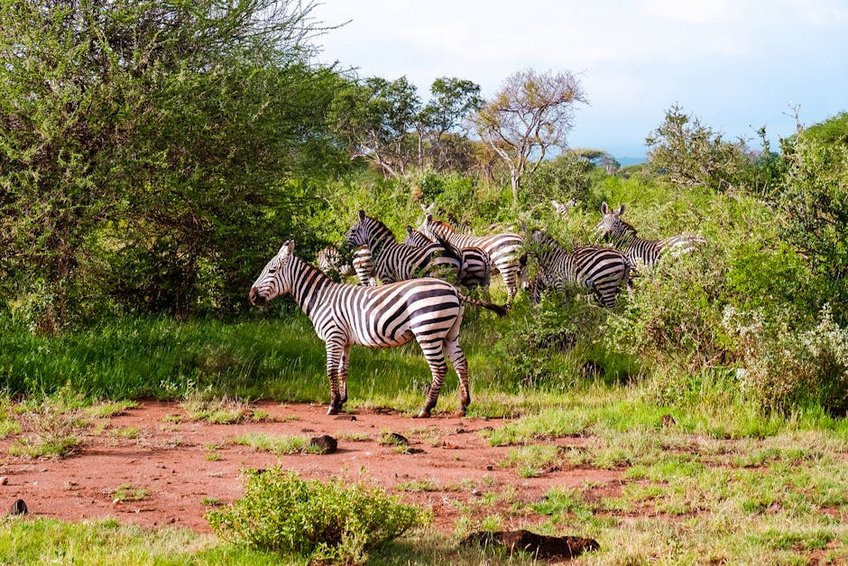
Africa’s safari regions are remarkably diverse, each offering a distinct environment and animal encounters. East Africa, including Tanzania and Kenya, is famed for the Great Migration, where millions of wildebeest and zebra traverse the plains. Southern African destinations like Botswana and South Africa provide superb year-round game viewing in private reserves and massive national parks. The continent’s sheer scale means choosing the right region is your first critical decision.
These ecosystems operate on ancient rhythms, with animal behavior dictated by dry and wet seasons. The dry season typically concentrates wildlife around permanent water sources, making sightings more predictable. Conversely, the green season brings lush landscapes, newborn animals, and fewer tourists, though some areas become challenging to navigate. Understanding this cycle is key to timing your wildlife viewing expedition for optimal results.
Primary Safari Destination Countries
Several nations stand out for their exceptional wildlife parks and tourism infrastructure.
- Tanzania & Kenya: Home to the Serengeti-Mara ecosystem, these countries offer legendary Great Migration sightings from July-October, plus iconic parks like Ngorongoro Crater and Amboseli with Kilimanjaro views.
- Botswana & Zambia: Known for high-cost, low-impact tourism in the Okavango Delta and along the Zambezi River, featuring excellent predator action and immersive walking or water-based safaris.
- South Africa & Namibia: Ideal for first-timers and self-drive adventures, with well-maintained parks like Kruger, malaria-free reserves, and the dramatic landscapes of Etosha and the Namib Desert.
- Budget Camping Safari ($150-$300): Includes participatory camping in public campgrounds, group tours, park entry fees, and most meals. You’ll join a group in an overland truck, sharing tasks. Ideal for adventurous, social travelers comfortable with basic facilities.
- Mid-Range Lodge Safari ($400-$700): Features comfortable en-suite lodges or permanent tented camps, private vehicle game drives with a dedicated guide, and all meals. Offers excellent value, blending comfort with authentic bush immersion and reliable wildlife sightings.
- Luxury Safari ($800-$2,000+): Stay in exclusive boutique camps or luxury lodges with premium amenities, private guides, bespoke itineraries, and extraordinary locations. Includes premium drinks, spa services, and activities like night drives or hot air ballooning. Focuses on privacy and exceptional service.
- South African National Parks (SANParks)
- Tanzania National Parks Authority (TANAPA)
Types of Safari Experiences
Your adventure can take many forms, each offering a different perspective on the wilderness. Classic vehicle-based game drives in open 4x4s allow you to cover large areas comfortably with an expert guide interpreting tracks and behavior. Walking safaris, led by an armed scout, reconnect you with the environment on a sensory level, focusing on tracks, plants, and smaller creatures often missed from a vehicle.
Water-based explorations are a highlight in delta and river systems. Gliding silently in a mokoro (dugout canoe) or on a motorboat lets you observe elephants swimming, hippos yawning, and vibrant birdlife from a unique vantage point. Choosing a safari that combines two or more of these styles provides the most comprehensive immersion in the African bush.
Conservation and Ethical Tourism
Modern wildlife travel is deeply intertwined with conservation. Reputable operators contribute directly to park fees, anti-poaching units, and community projects. When selecting a tour, inquire about their conservation partnerships and community employment practices. Your visit helps fund the protection of these wild spaces, making you a participant in their preservation.
Ethical behavior extends to your actions in the park. Maintaining a quiet demeanor, not pressuring guides to get closer to animals, and respecting minimum distance rules ensures wildlife is not stressed. Always follow your guide’s instructions precisely, as they are trained to read animal behavior and ensure everyone’s safety.
Alt: “serengeti-national-park-great-migration-wildebeest-herd”
Safari Experience in Africa – Planning Your Trip
Meticulous planning transforms a good wildlife holiday into an extraordinary one. Start by defining your priorities: is it seeing the Big Five, photographing specific behavior, traveling with young children, or finding solitude? Your answers will directly influence your choice of country, type of lodge, and time of year. Budget realistically, as a African wildlife adventure encompasses flights, park fees, accommodation, and guided activities, each a significant line item.
Booking timelines are crucial. For peak season in popular parks like the Serengeti or Masai Mara, secure your lodgings and internal flights at least 9-12 months in advance. This is especially true for smaller, exclusive camps that have limited capacity. For shoulder or green season travel, a 6-month lead time is usually sufficient. Last-minute deals can exist but limit your options considerably.
Travel insurance is non-negotiable. Ensure your policy covers emergency medical evacuation from remote areas, trip cancellation, and interruption. Verify coverage for any adventurous activities you plan, like walking safaris or helicopter tours. Keep digital and physical copies of your policy, passports, and vaccination certificates accessible throughout your journey.
Best Time for an African Wildlife Adventure
The ideal timing depends entirely on your target region and what you wish to see. For East Africa’s Great Migration, aim for the river crossings in the Masai Mara (Kenya) from late July to October. In Tanzania’s Serengeti, the calving season from late January to March offers dramatic predator action with thousands of newborn wildebeest, though this is also the green season with occasional showers.
Southern Africa has more year-round appeal. The dry winter months (May to October) offer the best general game viewing as animals congregate at waterholes. Temperatures are mild, ranging from 40-75°F (5-24°C). The summer months (November to April) are hotter, 70-95°F (21-35°C), with dramatic afternoon thunderstorms, lush scenery, and excellent birdwatching, though animals are more dispersed.
Budget Planning and Safari Costs
Safari pricing varies dramatically based on luxury level, location, and group size. Here’s a realistic breakdown per person per day.
Essential Preparation Checklist
Packing correctly is vital for comfort and practicality. Clothing should be in neutral, earthy colors (khaki, green, brown) to blend with the environment. Opt for lightweight, breathable fabrics that can be layered—mornings are cold, and days can be hot. A warm fleece, a waterproof jacket, a wide-brimmed hat, and sturdy, broken-in walking shoes are mandatory. Don’t forget a high-quality pair of binoculars per person.
Health preparations are critical. Consult a travel clinic 6-8 weeks before departure for necessary vaccinations (Yellow Fever, Typhoid, Hepatitis A) and a prescription for anti-malarial medication if traveling to a risk area. Pack a comprehensive personal medical kit including prescription drugs, strong sunscreen (SPF 50+), insect repellent with DEET, and rehydration salts. Inform your doctor of your exact itinerary.
Top Wildlife Encounters and National Parks
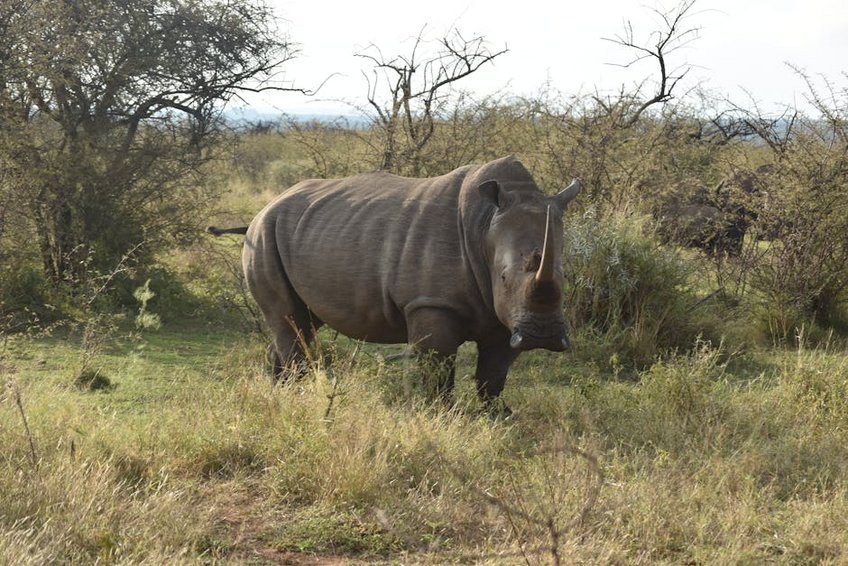
Africa’s protected areas are the stages for its greatest wildlife dramas. The Serengeti National Park in Tanzania, a UNESCO World Heritage site, is synonymous with the endless plains and the Great Migration’s relentless cycle. Adjacent to it, the Ngorongoro Crater is a natural amphitheater teeming with a high density of animals, including the rare black rhino, all within its 600-meter-high walls.
In Botswana, the Okavango Delta is a unique inland floodplain where seasonal waters create a mosaic of channels and islands. This dynamic ecosystem supports incredible biodiversity, from roaring lions to graceful antelope, best explored by mokoro and on foot. Meanwhile, South Africa’s Kruger National Park offers one of the most accessible safari experiences, with excellent infrastructure, a high probability of seeing the Big Five, and options for self-driving.
Must-See Wildlife Spectacles
The Great Migration is the undisputed highlight, a perpetual movement of over two million animals. Witnessing a river crossing—where herds brave crocodile-infested waters—is a breathtaking, chaotic event typically seen between July and October in the Mara River. Calving season in the southern Serengeti (February) offers a different drama, with predators actively hunting vulnerable newborns on the open plains.
Beyond the migration, seek out other unique interactions. Observe a leopard resting in a sausage tree in South Africa’s Sabi Sands, known for its exceptional leopard density. In Botswana’s Chobe National Park, watch hundreds of elephants socializing at the riverfront during the dry season. For primate enthusiasts, tracking endangered mountain gorillas in Rwanda or Uganda provides an profound and intimate wildlife encounter.
Hidden Gems and Lesser-Known Reserves
To escape the crowds, consider Zambia’s South Luangwa National Park, the birthplace of the walking safari. Its riverine environment attracts massive herds of game, especially in the dry season, and night drives reveal a world of nocturnal creatures. Kenya’s Samburu National Reserve offers unique “Special Five” species like the reticulated giraffe, Grevy’s zebra, and gerenuk, set against a rugged, arid landscape.
Namibia’s Etosha National Park centers around a vast, blinding-white salt pan. Waterholes along its edges attract spectacular concentrations of wildlife, particularly in the winter months, and the park’s infrastructure makes it excellent for self-drive adventures. These destinations often provide more exclusive sightings and a deeper sense of wilderness solitude compared to the marquee parks.
Birdwatching and Photographic Safaris
Africa is a paradise for birders, with over 2,300 species recorded. The green season (November-April) brings migratory birds from Europe and Asia, flooding the bush with color and song. Specialized birding safaris focus on endemic species, from the majestic fish eagle to the tiny, colorful bee-eater. Even on a standard game drive, your guide can point out remarkable avian behavior.
For photographers, dedicated photo safaris provide vehicles with specialized mounts, expert guides who understand light and animal behavior, and itineraries built around golden-hour photography. They prioritize positioning for the best light and often have agreements with camps for off-road access to get the perfect shot without disturbing the wildlife, following strict ethical guidelines.
Practical Travel and Logistics Guide
Navigating travel logistics across Africa requires careful coordination. International flights typically arrive into major hubs like Johannesburg (JNB), Nairobi (NBO), or Kilimanjaro (JRO). From there, you’ll often need a smaller regional flight on a bush plane to reach your remote camp or lodge. These flights have strict luggage weight limits, usually 15-20kg (33-44lbs) in soft-sided bags, so pack strategically.
Accommodation ranges from basic campsites to ultra-luxury lodges. Tented camps, even luxurious ones, provide an authentic bush feel with canvas walls, en-suite bathrooms, and comfortable beds. Lodges offer more solid structures and amenities like swimming pools. Your choice affects your overall immersion; being able to hear lions roar at night from your tent is an unforgettable part of the experience.
| Accommodation Type | Key Features | Average Price Range/Night (USD) |
|---|---|---|
| Mobile Tented Camp | Moves seasonally to follow wildlife, simple en-suite facilities, immersive bush feel. | $400 – $700 |
| Permanent Tented Camp | Fixed luxury tents on decks, full en-suite bathrooms, often swimming pools, great location. | $600 – $1,200 |
| Safari Lodge | Solid construction, more hotel-like amenities, family rooms available, consistent service. | $500 – $1,500 |
| Private Villa/Home | Complete privacy for families/groups, dedicated staff, chef, and vehicle, fully customizable. | $1,500 – $5,000+ |