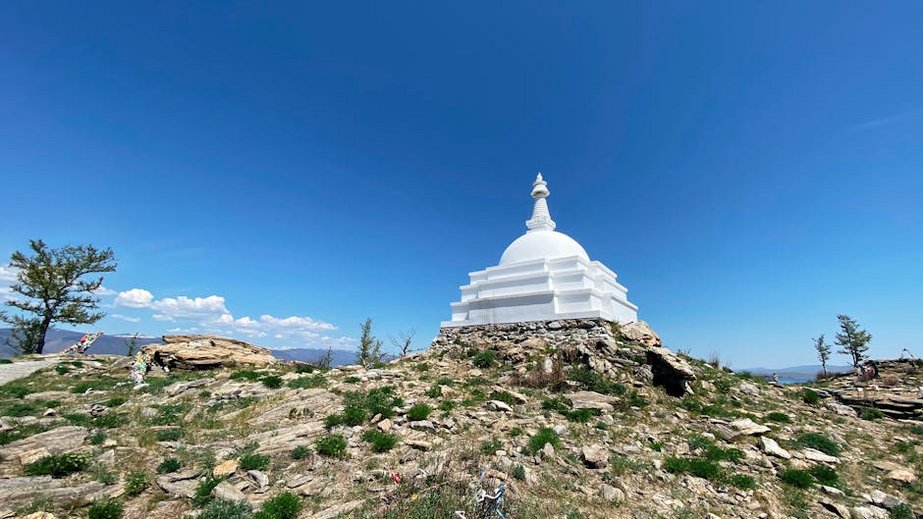
Russia Solovetsky Islands Monastery: Historic Arctic Spiritual Journey
The Solovetsky Islands Monastery stands as a profound spiritual and historical site in Russia’s White Sea, blending Orthodox Christian traditions with dramatic Arctic landscapes. This UNESCO World Heritage location features well-preserved monastic architecture dating to the 15th century, including fortress walls, churches, and hermitages that survived Soviet-era transformations. Your visit reveals layered history from religious center to prison camp, offering unique insights into Russia’s complex past within breathtaking northern surroundings.
Essential Solovetsky Islands Information
The Solovetsky archipelago comprises six main islands in the White Sea’s Onega Bay, approximately 100 miles from the Arctic Circle. This remote location creates a distinctive microclimate with relatively mild winters compared to other Arctic regions, though temperatures still drop significantly. Access remains seasonal due to ice conditions, with most travelers arriving between June and September.
UNESCO designated the Solovetsky Monastery complex a World Heritage Site in 1992, recognizing its outstanding cultural value and architectural significance. The monastery’s history spans nearly six centuries, beginning with monastic settlement in the 1420s by Saints Herman and Sabbatius. These spiritual pioneers established what became northern Russia’s most important religious center, eventually developing into a major pilgrimage destination.
Historical Timeline and Significance
Understanding the monastery’s complex history enhances your appreciation of this remarkable site.
- 1429: First monastic settlement established by monks Herman and Sabbatius, beginning the spiritual community that would grow into a major religious center over subsequent centuries.
- 16th-17th Centuries: Monastery fortified with massive stone walls and towers, becoming both spiritual haven and military fortress during times of conflict with Swedish and other northern European powers.
- 1920-1939: Soviet government transformed the monastery into one of Russia’s first forced labor camps, known as SLON, where thousands of political prisoners endured harsh conditions until the camp system relocated.
- Budget travelers should allocate $800-$1,200 for a 4-day trip, including hostel accommodations at $30-$50 nightly, self-catered meals, ferry tickets at $40-$60 roundtrip, and independent exploration without guided tours beyond essential monastery entry fees.
- Mid-range visitors typically spend $1,500-$2,500 for enhanced comfort, featuring hotel stays at $80-$120 per night, restaurant meals, comprehensive guided tours at $50-$75 daily, and additional activities like boat excursions to nearby islands.
- Luxury experiences range from $3,000-$5,000 with premium hotels at $150-$250 nightly, private guides, helicopter transfers during shoulder seasons, and specialized photography or historical tours providing deeper insights into monastery history.
- Russian Official Tourism Portal
- UNESCO World Heritage Centre
Geographic Location and Climate
The Solovetsky Islands position within the White Sea creates unique weather patterns distinct from mainland Arctic Russia. Summer temperatures typically range from 50°F to 65°F (10°C to 18°C) with nearly 24-hour daylight during June and July. Winter brings temperatures between 5°F and 23°F (-15°C to -5°C) and limited daylight hours, though the White Sea’s moderating influence prevents extreme cold.
Transportation to these remote islands depends entirely on seasonal conditions, with regular ferry service operating from Kem and Belomorsk between late May and September. Winter access requires helicopter flights or ice road travel when conditions permit, adding adventure to your journey. The archipelago’s isolation has preserved both natural environments and historical structures remarkably well.
UNESCO World Heritage Status
UNESCO recognition highlights the monastery’s exceptional cultural value as an outstanding example of Orthodox monastic settlement in inhospitable northern environments. The designation encompasses not just religious buildings but the entire cultural landscape, including hydraulic systems, agricultural developments, and prehistoric labyrinths. This comprehensive protection ensures preservation of both spiritual and practical innovations developed over centuries.
Your visit contributes to ongoing conservation efforts through entrance fees and guided tour payments. These funds support structural stabilization, artifact preservation, and educational programs about the site’s multilayered history. Maintaining this remote heritage location requires substantial resources due to harsh climate conditions and logistical challenges.
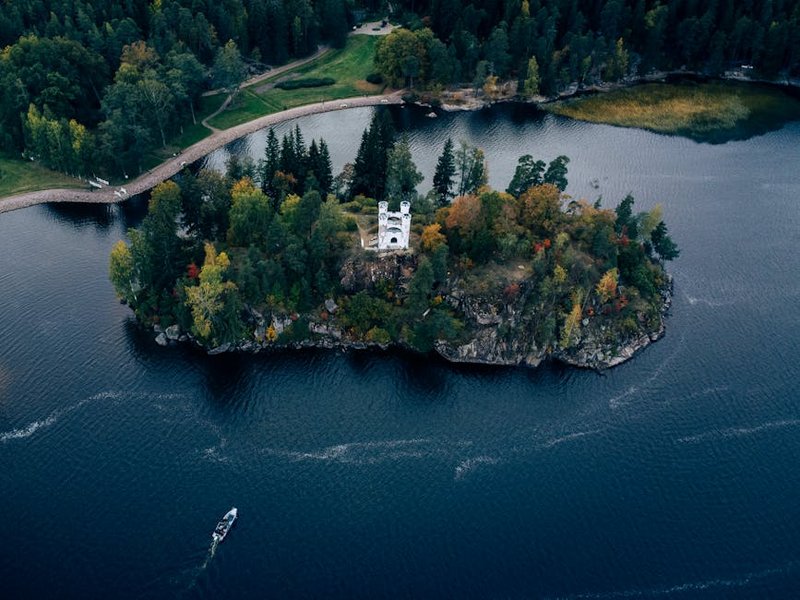
Alt: “solovetsky-monastery-white-sea-fortress-walls”
Russia Solovetsky Islands Monastery – Planning Your Trip
Organizing your Russia Solovetsky Islands Monastery visit requires careful timing and preparation due to the destination’s remote Arctic location and seasonal accessibility constraints. Most travelers spend three to five days exploring the monastery complex, surrounding islands, and historical sites while accommodating weather-dependent transportation schedules. Advance booking remains essential for accommodations, tours, and transportation between June and August when visitor numbers peak.
Budget considerations should include visa costs for Russia, typically $160-$200 for US citizens, plus transportation expenses that vary significantly between travel seasons. Summer visits offer more reliable access but higher prices, while shoulder season travel in May or September provides potential cost savings with greater weather uncertainty. Your Russia Solovetsky Islands Monastery experience benefits from flexible planning that accommodates changing conditions.
Best Time to Visit Solovetsky Islands
June through August delivers the most reliable weather for visiting the Solovetsky Islands, with temperatures averaging 55°F to 65°F (13°C to 18°C) and nearly continuous daylight enhancing exploration time. These summer months provide calm seas for ferry crossings and optimal conditions for hiking the islands’ trails and exploring outdoor historical sites. However, this peak season brings higher accommodation costs and advance booking requirements for all services.
Shoulder seasons in late May and September offer fewer crowds and lower prices, though weather becomes less predictable with temperatures ranging from 40°F to 55°F (4°C to 13°C). September particularly appeals to photographers seeking dramatic skies and autumn colors, while May provides opportunities to witness the Arctic landscape awakening from winter. Winter visits between November and March appeal only to adventurous travelers prepared for extreme cold and limited services.
Budget Planning and Costs
Consider these budget tiers when planning your Solovetsky Islands journey.
Essential Preparation Checklist
Pack layered clothing suitable for changeable Arctic conditions, including waterproof outer layers, insulated jackets, sturdy hiking boots, and thermal base layers regardless of travel season. Essential gear should include power banks for electronic devices, Russian power adapters (Type C/F, 220V), mosquito repellent for summer months, and a quality camera for capturing the stunning landscapes and architectural details.
Documentation requirements include a valid passport with Russian tourist visa obtained through authorized agencies, comprehensive travel insurance covering emergency evacuation, printed copies of accommodation reservations, and ferry or flight confirmations. Begin visa applications 45-60 days before travel and book key transportation elements 3-4 months in advance for summer visits to secure preferred dates and avoid availability issues.
Top Attractions and Monastery Experiences
The Solovetsky Monastery complex encompasses multiple historical structures within its massive stone walls, including the Transfiguration Cathedral, Assumption Church, and bell tower dating to the 16th century. These architectural masterpieces showcase traditional northern Russian design with thick walls, onion domes, and intricate iconostases that have survived centuries of change and challenge. Guided tours provide essential context about the site’s spiritual significance and turbulent history.
Beyond the main monastery, the islands feature numerous secondary sites including Sekirnaya Hill with its chapel and panoramic views, botanical gardens demonstrating monastic agricultural innovation, and ancient stone labyrinths predating Christian settlement. These diverse attractions reward visitors willing to explore beyond the central complex, revealing different aspects of human adaptation to this challenging environment across millennia.
Must-See Monastery Highlights
The Transfiguration Cathedral dominates the monastery complex with its massive white stone walls and silver domes, containing beautifully preserved frescoes and an impressive iconostasis. Construction began in 1558 under Abbot Philip, who later became Metropolitan of Moscow, with the cathedral serving as both spiritual center and defensive structure during numerous sieges. Visit during morning hours when sunlight illuminates the interior through narrow windows, creating dramatic lighting effects.
The monastery fortress walls and towers represent extraordinary 16th-century military architecture, with walls stretching nearly 1,500 feet and reaching heights over 30 feet in sections. These formidable defenses protected the monastic community during multiple conflicts, with eight towers providing strategic vantage points over the surrounding landscape. Allow at least two hours to walk the perimeter and appreciate the engineering achievement these structures represent.
Monastic museums within the complex house extensive collections of icons, religious artifacts, and historical exhibits detailing both spiritual life and the Soviet prison camp period. The historical archive contains documents spanning five centuries, while specialized exhibitions focus on topics like traditional northern crafts and monastic economic activities. These museums provide crucial context for understanding the site’s multilayered significance beyond immediate visual appeal.
Hidden Gems and Local Favorites
Muksalma Island features the picturesque St. Sergius Hermitages connected to the main island by stone causeways built by monks in the 19th century. These remote structures served as retreat spaces for monks seeking solitude, surrounded by tranquil landscapes and abundant birdlife during summer months. Local guides often recommend early morning visits to experience the peaceful atmosphere and optimal photography conditions.
Prehistoric stone labyrinths scattered across the islands remain mysterious constructions dating back 2,000-3,000 years, possibly used for spiritual rituals by ancient peoples. The most accessible examples appear on Zayatsky Island, featuring intricate spiral patterns whose exact purpose continues to puzzle archaeologists and historians. These ancient sites provide fascinating contrast to the Christian history dominating the archipelago.
Religious Services and Spiritual Activities
Orthodox religious services continue daily within the monastery churches, offering visitors opportunities to witness living traditions in this historic setting. The liturgical schedule follows the Julian calendar with services typically at 7 AM and 5 PM, though specific times vary by season and religious holidays. Appropriate dress covering shoulders and knees remains mandatory for church entry, with headscarves provided for women.
Pilgrimage activities include walking meditation routes established by monks, visiting holy springs believed to have healing properties, and participating in guided spiritual discussions with resident clergy. These experiences provide deeper connection to the site’s religious heritage beyond architectural appreciation. Advance arrangements through the monastery’s pilgrimage office ensure meaningful participation regardless of your religious background.
Practical Travel Information
Reaching the Solovetsky Islands requires multiple transportation segments, typically beginning with flights to Arkhangelsk or Petrozavodsk followed by ground transport to coastal departure points. Summer provides the most straightforward access with regular ferries from Kem and Belomorsk, while winter demands flexibility with ice road or helicopter options dependent on weather conditions. All transportation requires advance booking, particularly during peak summer months.
Accommodation options range from basic guesthouses to comfortable hotels, though choices remain limited compared to mainstream destinations. The islands’ small permanent population means tourism infrastructure develops slowly, with most properties featuring traditional Russian hospitality rather than international standards. Booking three to four months in advance secures preferred options, particularly for July and August visits.
| Category | Options/Features | Price Range (USD) |
|---|---|---|
| Accommodation | Guesthouses with shared bathrooms, hotels with private facilities, monastery pilgrim housing with basic amenities | $30-$250 nightly |
| Dining | Simple cafes serving Russian staples, hotel restaurants with broader menus, self-catering options at local markets | $8-$35 per meal |
| Activities | Guided monastery tours, boat excursions to outer islands, specialized photography workshops, historical presentations | $25-$150 per activity |
| Transportation | Ferry services, helicopter transfers, local taxis, bicycle rentals for island exploration | $40-$300 depending on route |