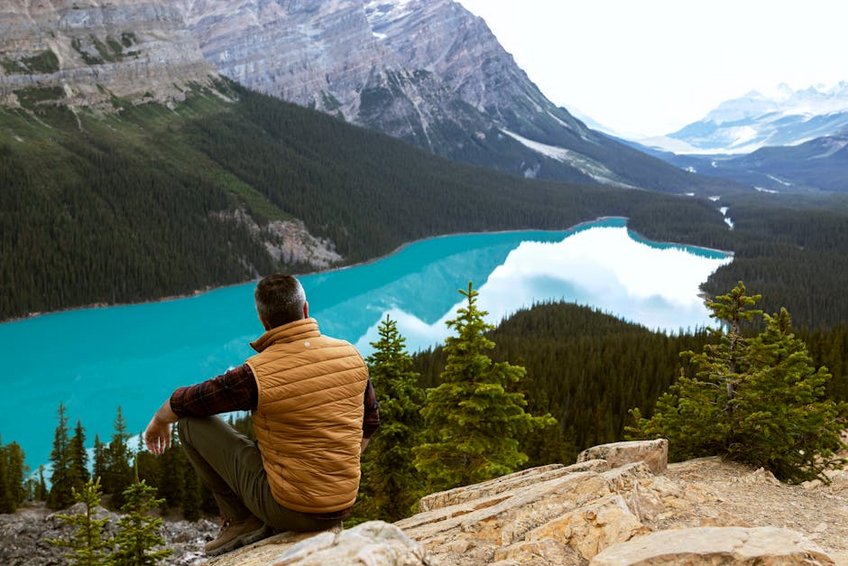
Rocky Mountains Tour in Canada
Embarking on a Rocky Mountains tour in Canada offers a profound journey through one of the planet’s most dramatic alpine landscapes, stretching across British Columbia and Alberta. This adventure connects you with iconic national parks like Banff and Jasper, where glacier-fed lakes, abundant wildlife, and sky-piercing peaks create a photographer’s paradise and an outdoor enthusiast’s dream. This guide details the essential logistics, seasonal secrets, and hidden trails to craft your perfect mountain itinerary, ensuring you witness the raw grandeur of the Canadian Rockies efficiently.
Essential Rockies Information
The Canadian Rockies are a major mountain range forming the continental divide, renowned for their layered sedimentary rock and vibrant turquoise lakes. This region encompasses several protected national and provincial parks, creating a UNESCO World Heritage Site celebrated for its outstanding natural beauty. Visiting requires understanding its vast scale and the distinct character of each park and mountain town.
Primary access hubs are Calgary, Alberta, for the eastern slopes and Vancouver, British Columbia, for the western approaches. The Trans-Canada Highway provides the main artery through the core, but many of the most stunning vistas are found on slower, scenic parkways. Weather here is famously variable, capable of delivering four seasons in a single day regardless of the month.
Core National Parks and Regions
Your journey will center around these protected areas.
- Banff National Park: Canada’s oldest national park, home to the famous town of Banff, Lake Louise, and Moraine Lake, offering a mix of iconic sightseeing and extensive hiking trails for all levels.
- Jasper National Park: The largest park in the Rockies, featuring the colossal Columbia Icefield, Maligne Lake, and a darker sky preserve ideal for stargazing, with a more rugged and remote atmosphere.
- Yoho National Park: Located in British Columbia, Yoho is famed for Takakkaw Falls (one of Canada’s tallest) and the fascinating Burgess Shale fossil beds, providing a slightly wilder experience.
- Kootenay National Park: Known for its dramatic contrasts, from the Paint Pots ochre beds to the Radium Hot Springs, offering a less-traveled route between Banff and the interior.
- Budget Traveler ($100-150 USD/day): Focuses on camping in park campgrounds ($30-40/night), preparing most meals, using free park activities like hiking, and leveraging a multi-day Parks Canada Discovery Pass ($70/adult for annual). This style requires advance campsite reservations and a willingness to for-goe paid tours.
- Mid-Range Traveler ($250-400 USD/day): Stays in comfortable lodges or cabin-style hotels ($150-250/night), enjoys a mix of restaurant meals and picnics, rents a standard vehicle, and books 1-2 guided activities like a Columbia Icefield Adventure or a wildlife tour. This offers the best balance of comfort and experience.
- Luxury Traveler ($600+ USD/day): Enjoys iconic properties like the Fairmont Chateau Lake Louise, books private guided hiking or photography tours, dines at award-winning restaurants, and may incorporate scenic helicopter flights. This tier maximizes comfort, exclusive access, and concierge-level planning.
- Parks Canada Official Website
- Travel Alberta Tourism Board
Understanding the Climate and Geography
The alpine climate dictates your packing list and activity schedule. Summers are brief and warm, with daytime highs reaching 68-75°F (20-24°C) in the valleys, but nights remain cool, dropping to 41-50°F (5-10°C). Afternoon thunderstorms are common in July and August. Winters are long, cold, and snowy, with temperatures often between 5-23°F (-15 to -5°C), creating ideal conditions for skiing and ice walks.
Altitude significantly impacts conditions; prepare for cooler temperatures and stronger UV radiation at higher elevations. The mountain weather can change rapidly, so layering your clothing is a non-negotiable strategy. Always check Parks Canada advisories for trail conditions and wildlife closures before heading out.
Wildlife and Environmental Stewardship
The Rockies are home to healthy populations of bears, elk, moose, bighorn sheep, and cougars. Encounters are possible, especially at dawn and dusk. Carrying bear spray, knowing how to use it, and making noise on trails are critical safety practices. Always maintain a minimum distance of 100 meters from bears and 30 meters from other large animals.
Visitors must follow strict Leave No Trace principles to protect this fragile ecosystem. This includes staying on designated trails, packing out all trash, and not feeding any wildlife. Your commitment helps preserve the wilderness for future generations of adventurers.
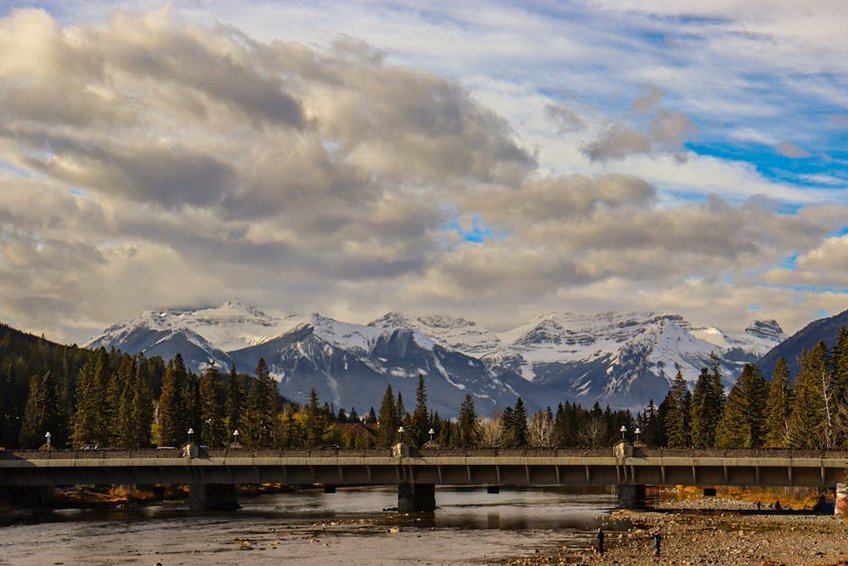
Alt: “canadian-rockies-moraine-lake-valley-of-ten-peaks-sunrise”
Rocky Mountains Tour in Canada – Planning Your Trip
Successfully organizing your Rocky Mountains tour in Canada hinges on smart timing, realistic budgeting, and strategic booking. The region’s popularity means key accommodations and tours sell out months in advance, particularly for the summer high season. A well-structured plan balances iconic must-sees with flexible time for spontaneous discovery along less-crowded paths.
Your budget should account for park entry fees, which are mandatory and best purchased as a daily Discovery Pass. Transportation costs vary widely between guided coach tours, independent car rentals, and RV rentals. Dining can range from affordable picnic supplies to high-end resort restaurants, giving you control over daily food expenses.
Itinerary planning should cluster activities by geographic area to minimize driving time. For instance, group your Lake Louise and Moraine Lake day together, as parking fills by sunrise. Building in buffer days for weather or fatigue ensures your vacation remains relaxing, not rushed.
Best Time to Visit the Canadian Rockies
The peak summer season from late June to early September delivers the most reliable access to high-altitude trails, open mountain passes, and warm lake temperatures ideal for canoeing. Daytime temperatures average 65-75°F (18-24°C), but this period also brings the largest crowds and highest prices for lodging. Book hotels and major tour operators at least six to nine months in advance for this window.
Shoulder seasons offer compelling advantages. Late May to mid-June and September provides fewer tourists, lower rates, and stunning seasonal colors—wildflowers in spring and golden larch trees in fall. Winter, from December to March, transforms the landscape into a snowy wonderland perfect for skiing at resorts like Lake Louise and Sunshine Village, as well as unique experiences like ice canyon walks in Johnston Canyon.
Budget Planning and Costs
Daily costs vary dramatically based on travel style.
Essential Preparation Checklist
Packing requires technical clothing for variable conditions. Essentials include a waterproof and windproof jacket, moisture-wicking base layers, insulating mid-layers like fleece, sturdy broken-in hiking boots, and a daypack. Also pack sunglasses, high-SPF sunscreen, a wide-brim hat, and reusable water bottles.
Documentation includes valid passports, appropriate visas or Electronic Travel Authorization (eTA) for eligible visitors, and proof of travel medical insurance, which is highly recommended. Book major accommodations and rental vehicles 6-12 months ahead for summer. If entering Canada by air, ensure you understand the latest entry requirements from the official government website.
Top Attractions and Iconic Experiences
The sheer volume of natural wonders can be overwhelming. Prioritizing the iconic sights while discovering quieter gems creates a fulfilling trip. The visual spectacle of glacier-carved valleys and vividly colored lakes is the primary draw, complemented by world-class hiking, wildlife viewing, and scenic drives.
Access to some famous locations is now managed through Parks Canada reservation systems to control congestion. For example, visiting Moraine Lake requires reserving a shuttle bus or commercial tour from the Lake Louise Park & Ride lot, as personal vehicle access is prohibited. Always check the latest access protocols before your visit.
Must-See Highlights
Lake Louise and Moraine Lake are the region’s most photographed landmarks. Their stunning turquoise color, caused by glacial rock flour, is most intense under the summer sun. Arrive via the mandatory shuttle before 9 AM to experience relative tranquility before crowds peak. Canoe rentals at Lake Louise offer a classic, albeit premium, perspective from the water.
The Icefields Parkway (Highway 93) between Lake Louise and Jasper is arguably one of the world’s most beautiful drives. Key stops include the Columbia Icefield Discovery Centre for a massive glacier tour onto the Athabasca Glacier, Peyto Lake’s bow-shaped vista, and the powerful Athabasca Falls. Allocate a full day for this 144-mile (232 km) journey with stops.
In Jasper, take the Jasper SkyTram to the summit of Whistlers Mountain for panoramic views. Maligne Lake offers scenic boat cruises to Spirit Island, another iconic photography spot. For a unique soak, the Miette Hot Springs feature the hottest mineral springs in the Canadian Rockies, with spectacular mountain views.
Hidden Gems and Local Favorites
Venture beyond the postcard spots to places like Yoho National Park’s Emerald Lake. It rivals Lake Louise in beauty but often has fewer visitors. The nearby Natural Bridge formation, where the Kicking Horse River punches through limestone, is a quick and impressive stop. The park’s Lake O’Hara region is a hiker’s paradise, accessible only by a reserved bus, limiting numbers and preserving its serenity.
For a rewarding hike away from the busiest trails, consider Wilcox Pass in Jasper, offering breathtaking views of the Columbia Icefield without the need for a tour ticket. In Banff, the quieter Lake Minnewanka Loop drive offers excellent wildlife viewing opportunities, especially for bighorn sheep, and leads to scenic lakeside trails less traveled than those near the town.
Adventure Activities Beyond Hiking
The mountain region excels in adventure. Whitewater rafting on the Kicking Horse River (Class II-IV) provides thrilling summer excitement. In winter, the three major ski resorts—Banff Sunshine, Lake Louise, and Mt. Norquay—offer world-class skiing and snowboarding. For a unique winter perspective, try a guided ice walk through Johnston Canyon to see frozen waterfalls up close.
Mountain biking on dedicated trails, horseback riding through alpine meadows, and rock climbing with certified local guides are all widely available. The town of Canmore, just outside Banff National Park, is a major hub for climbers and offers a vibrant local arts scene distinct from the park towns.
Practical Travel Information
Navigating the Rockies requires understanding transportation networks and accommodation tiers. While the towns of Banff and Jasper are fully serviced with amenities, moving between them involves significant distances through mountainous terrain with limited services. Planning your daily fuel stops and meal locations is a practical necessity.
Accommodation ranges from rustic campgrounds and hostels to luxury mountain lodges. Location is key; staying inside the national parks places you closer to dawn and dusk wildlife activity and avoids daily park entry commutes. However, options in gateway towns like Canmore or Golden can be more affordable and offer excellent value.
| Accommodation Type | Description & Best For | Average Price Range (USD/Night) |
|---|---|---|
| National Park Campground | Basic to serviced sites with fire pits. Ideal for budget travelers and outdoor enthusiasts. Requires very early booking. | $25 – $45 |
| Lodge/Cabin | Comfortable, often rustic-chic rooms with private baths. Common in Banff, Jasper, and Canmore. Best for mid-range travelers. | $180 – $350 |
| Mountain Resort Hotel | Full-service hotels with restaurants, spas, and prime locations (e.g., Fairmont properties). Perfect for luxury and special occasions. | $400 – $800+ |
| Vacation Rental (Airbnb/VRBO) | Entire homes or condos, often in Canmore. Best for families or groups wanting kitchen facilities and more space. | $200 – $500 |