Riga Travel Guide: Explore the Baltic Capital’s Historic Heart
Riga offers a captivating blend of medieval architecture, vibrant Art Nouveau districts, and a dynamic modern culture that makes it one of Europe’s most rewarding city breaks. This Riga travel guide provides the essential details you need to navigate the Latvian capital, from its UNESCO-listed Old Town to its bustling Central Market halls. You will discover practical tips on seasonal visits, cultural etiquette, and hidden gems that transform a simple trip into a deep exploration of Baltic heritage.
Essential Riga Information
Riga is the largest city in the Baltics and the cultural heartbeat of Latvia, situated on the shores of the Daugava River near the Gulf of Riga. Founded in 1201, the city’s history is a layered tapestry of Hanseatic trade, Swedish and Polish rule, and Russian influence before its independence. Today, it stands as a proud European Union member state, using the Euro (EUR) as its currency and offering excellent value for travelers from North America and Western Europe.
English is widely spoken in tourist areas, hotels, and by younger residents, making navigation straightforward for international visitors. The city operates on Eastern European Time (EET, UTC+2), shifting to daylight saving time in summer. For US and EU passport holders, entry is straightforward under the Schengen Area rules, allowing for 90 days of visa-free travel within any 180-day period across most of continental Europe.
What You Need to Know Before You Go
Preparation ensures a smooth visit to this Northern European capital.
- Latvia is part of the Schengen Area, so ensure your passport is valid for at least three months beyond your planned departure date from the Schengen zone for visa-free entry.
- The official currency is the Euro (€); while credit cards are accepted almost everywhere, keep some cash for small vendors at the Central Market or in smaller cafes.
- Public transport is efficient and inexpensive, with a single tram or bus ticket costing about €1.50; consider a reusable e-ticket (E-talons) card for 24-hour or multi-day passes.
- Budget travelers can manage on $50-$75 USD per day by staying in hostels (from $20/night), eating at self-service cafeterians or the Central Market, using public transport passes, and focusing on free attractions like walking tours and park visits.
- Mid-range visitors should budget $100-$175 USD daily for a comfortable hotel or Airbnb in Centrs ($70-$120/night), dining at nice sit-down restaurants for lunch and dinner, enjoying a few paid museum entries, and taking occasional taxis.
- A luxury experience costs $250+ USD per day, covering 4 or 5-star hotels in Old Town (from $180/night), fine dining at top restaurants like Vincents, private guided tours, and premium experiences like opera tickets or spa treatments.
- Official Riga Tourism Portal (Live Riga)
- Lonely Planet Riga Travel Guide
- Latvia Travel Official Tourism Website
Key Historical and Cultural Context
Understanding Riga’s past enriches every street you walk. The city’s iconic skyline, dominated by the spires of St. Peter’s Church and Riga Cathedral, tells a story of a powerful medieval trading port. The beautifully preserved Old Town, a UNESCO World Heritage site, contains buildings from the 13th to 15th centuries, including the House of the Blackheads and the Three Brothers, Latvia’s oldest dwelling houses.
Beyond the medieval core, Riga is famed for its unparalleled collection of Art Nouveau architecture, concentrated in the Quiet Centre district. Over 800 buildings feature elaborate facades with mythical creatures and floral motifs, a testament to the city’s economic boom at the turn of the 20th century. Meanwhile, the Latvian National Museum of Art and the Museum of the Occupation of Latvia provide deeper insights into the nation’s complex 20th-century history.
Local Climate and Weather Patterns
Riga experiences a humid continental climate with distinct seasons that dramatically affect the travel experience. Summers are mild and pleasant, with July temperatures averaging 63°F to 72°F (17°C to 22°C) and long daylight hours, perfect for exploring parks and outdoor cafes. Winters are cold and snowy, with January averages between 23°F and 32°F (-5°C to 0°C), creating a magical, festive atmosphere around Christmas markets.
Spring and autumn are transitional seasons characterized by unpredictable weather. May and September often provide a sweet spot with fewer crowds, moderate temperatures, and beautiful natural colors in the city’s many parks. Regardless of season, always pack a waterproof layer, as rain is possible year-round, and the coastal location can bring brisk winds.
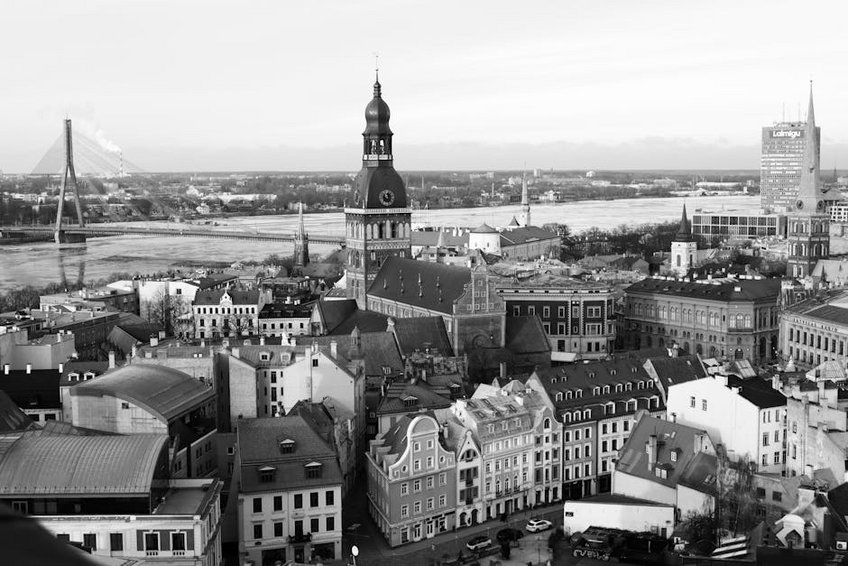
Alt: “riga-old-town-cobblestone-streets-medieval-architecture”
Riga Travel Guide – Planning Your Trip
Effective planning is key to unlocking the best of this Baltic capital. Your Riga travel guide strategy should account for seasonal highlights, a realistic budget, and advance bookings for top attractions. Focus your itinerary around walkable districts, allocating time for both landmark sightseeing and leisurely exploration of local neighborhoods. This approach ensures you experience the city’s famed architecture and its contemporary creative energy.
Budget-conscious travelers will find Riga exceptionally affordable compared to Western European capitals, with meals, transport, and mid-range accommodations offering great value. For a seamless experience, book your hotel or apartment in the Old Town or the adjacent Centrs district for optimal access to major sites. Purchasing a Riga Card online in advance can provide significant savings on public transport and museum entry fees.
Best Time to Visit Riga
The ideal time for a first visit is between late May and early September. During these summer months, you’ll enjoy the warmest weather, with averages of 65°F to 75°F (18°C to 24°C), and up to 18 hours of daylight. This is perfect for long walks, riverboat tours, and open-air festivals. However, this is also peak tourist season, so expect larger crowds and book accommodations at least two to three months in advance.
For a unique charm, consider the winter season from December to February. The city transforms into a winter wonderland, with Christmas markets operating through early January and opportunities for ice-skating. While daylight is limited to around 6-7 hours, the festive lights and cozy atmosphere in traditional pubs are unforgettable. Shoulder seasons like April-May and September-October offer a balance of decent weather and fewer visitors.
Budget Planning and Costs
Your daily budget in Riga can vary significantly based on your travel style.
Essential Preparation Checklist
Pack for variable weather with layers, a warm coat for winter or evenings, and comfortable waterproof walking shoes for the cobblestone streets. A universal European power adapter (Type C/F, 230V) is necessary for charging devices. For winter visits, thermal underlayers, a hat, gloves, and a scarf are non-negotiable to stay comfortable while exploring outdoors.
Ensure you have valid travel insurance that covers medical care within the Schengen Area. Make digital copies of your passport and important documents. While not mandatory, learning a few basic Latvian phrases like “Paldies” (Thank you) and “Labdien” (Good day) is appreciated by locals. For more details on navigating specific neighborhoods, read our Exploring Baltics Capitals guide.
Top Attractions and Activities in the City
Riga’s compact center is a treasure trove of historical and architectural wonders, best explored on foot. The heart of any visit is the Vecrīga (Old Town), a maze of cobbled streets lined with medieval churches, merchant houses, and charming squares. Begin at the Town Hall Square, dominated by the ornate House of the Blackheads, meticulously reconstructed after World War II. From there, winding lanes lead to key landmarks, each telling part of the city’s 800-year story.
Beyond the ancient walls, the city opens into the elegant Esplanade park area and the famed Art Nouveau district. This contrast between the old and the “new” (early 1900s) provides a fascinating visual journey through time. Allocate at least two full days to cover the essential sights at a comfortable pace, allowing for museum visits, coffee breaks in hidden courtyards, and spontaneous discoveries.
Must-See Highlights
St. Peter’s Church offers the best panoramic view of the city’s red rooftops and the Daugava River from its 72-meter-high observation tower. The adjacent Riga Cathedral, founded in 1211, houses one of the largest organs in the world, and its noon concerts are a sublime experience. Just a short walk away, the Three Brothers architectural complex showcases the evolution of Latvian dwelling house styles from the 15th to 17th centuries.
The Freedom Monument, a symbol of Latvian independence, stands proudly at the edge of Old Town and is guarded ceremoniously. For a deep dive into local life, the Riga Central Market, housed in repurposed German Zeppelin hangars, is one of Europe’s largest and most vibrant markets. Finally, cross the Stone Bridge to the Ķīpsala island district for a view of the modern skyline and stunning wooden architecture.
Hidden Gems and Local Favorites
Escape the main tourist paths by exploring the Moscow District (Maskavas forštate), south of the Old Town. This area, now undergoing regeneration, is home to the sprawling Central Market, the lively Latgalite flea market on weekends, and the poignant Riga Ghetto Museum. It offers a more raw and authentic glimpse into the city’s layered history and contemporary urban culture.
For a peaceful retreat, the Arkādijas Parks (Arkady Park) is a favorite among locals for its winding paths, quiet ponds, and lack of tourist crowds. Another insider spot is the Alberta iela 13 museum apartment, which recreates an authentic Art Nouveau interior from 1903, offering a more intimate experience than simply viewing the building facades on the street.
Museums and Cultural Institutions
Riga boasts an impressive array of museums catering to diverse interests. The Latvian National Museum of Art holds the country’s most comprehensive collection of fine art. For 20th-century history, the Museum of the Occupation of Latvia provides a sobering and essential look at the periods of Soviet and Nazi occupation. Both museums offer exhibits with excellent English translations.
More niche options include the Riga Motor Museum, located a short drive from the center, which features a unique collection of vintage cars, including Soviet leaders’ limousines. Back in the center, the Art Nouveau Museum on Alberta Street and the interactive Latvian War Museum in the Powder Tower provide focused and engaging experiences for those with specific curiosities.
Practical Travel Information for Riga
Navigating Riga is straightforward thanks to its efficient public transport system and highly walkable central districts. The city is served by Riga International Airport (RIX), located about 10 km west of the city center. Taxis to Old Town take 15-20 minutes and cost approximately €15-€20, while the public bus No. 22 is a reliable and cheap alternative, connecting to the central train station.
Within the city, trams, buses, and trolleybuses cover all major areas, operating from around 5:30 AM to midnight. For longer stays, consider purchasing a reloadable e-talons card for discounted fares. The historic center is best explored entirely on foot, while the Art Nouveau district and more distant parks are easily accessible by a short tram ride.
| Accommodation Type | Best Areas & Features | Avg. Price Range/Night (USD) |
|---|---|---|
| Budget Hostel/Guesthouse | Centrs district, shared facilities, social atmosphere, near transport hubs | $20 – $45 |
| Mid-Range Hotel/Apartment | Old Town or Quiet Centre, private bathroom, breakfast included, historic building | $70 – $130 |
| Boutique/Design Hotel | Old Town, unique themed decor, premium amenities, central location | $140 – $220 |
| Luxury 5-Star Hotel | Prime Old Town or near park, spa, fine dining, concierge service | $230+ |