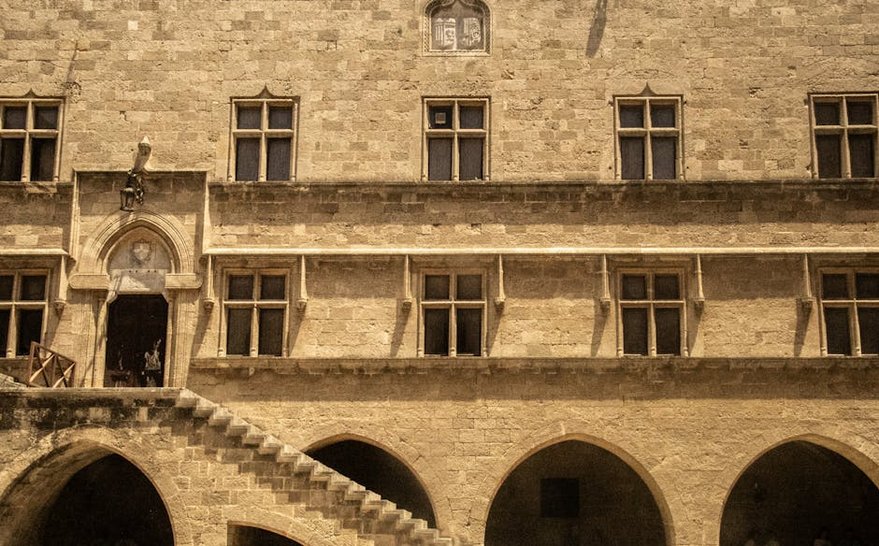
Essential Rhodes Medieval Old Town Guide 3 Tips

Rhodes Medieval Old Town: Timeless Greek Adventure

Exploring Rhodes Medieval Old Town transports you into a living museum where Crusader knights, Ottoman rulers, and Greek culture intertwine across seven centuries of preserved history. You’ll navigate cobblestone streets bordered by stone archways, massive fortified walls, and Byzantine churches while discovering hidden courtyards and artisan workshops. This guide delivers practical tips for visiting UNESCO World Heritage sites, local dining secrets, and accommodation strategies to maximize your medieval exploration.

Essential Rhodes Old Town Information

Rhodes Medieval Old Town represents Europe’s oldest inhabited medieval town, continuously occupied since the 14th century by Knights Hospitaller who constructed its impressive fortifications. The entire 4,000-meter perimeter wall encloses distinct neighborhoods like the Collachium knights’ quarter and Hora Turkish quarter, creating an urban time capsule. UNESCO designated the site in 1988 due to its exceptional preservation of Gothic and Ottoman architecture within a functioning modern community.

What You Need to Know

Before visiting this historic destination, understand these key aspects.

  • Entry through eleven monumental gates like d’Amboise Gate reveals different architectural eras from Venetian lions to Ottoman inscriptions.
  • The Street of Knights stretches 600 meters with inns representing seven langues where knights resided according to geographic origin.
  • Archaeological sites span Hellenistic, Roman, and Byzantine periods beneath medieval structures, with ongoing excavations revealing ancient Rhodes.
  • Key Historical Details

    The Knights of St. John transformed Rhodes between 1309-1522, constructing hospitals, palaces, and Europe’s strongest fortifications against Ottoman sieges. However, Sultan Suleiman eventually captured the city, beginning 390 years of Ottoman rule that added mosques, baths, and new residential districts. Italian occupation from 1912-1947 introduced restoration projects that preserved the medieval character while adding infrastructure.

    Modern preservation balances 6,000 residents living within the walls alongside tourism, maintaining authentic daily life within historic spaces. The municipal authorities enforce strict building codes requiring traditional materials and methods for any renovations to protect architectural integrity. Meanwhile, archaeological teams continuously work to stabilize ancient structures against Mediterranean weather and seismic activity.

    Visitor Experience Overview

    Most visitors spend 4-6 hours exploring the medieval town’s highlights, though overnight stays reveal quieter mornings and magical evening atmospheres. The compact layout measures approximately 800 by 500 meters, making everything accessible on foot through narrow lanes unsuitable for vehicles. Prepare for uneven stone surfaces, limited shade in summer, and potential crowding at popular sites between 10 AM and 3 PM.
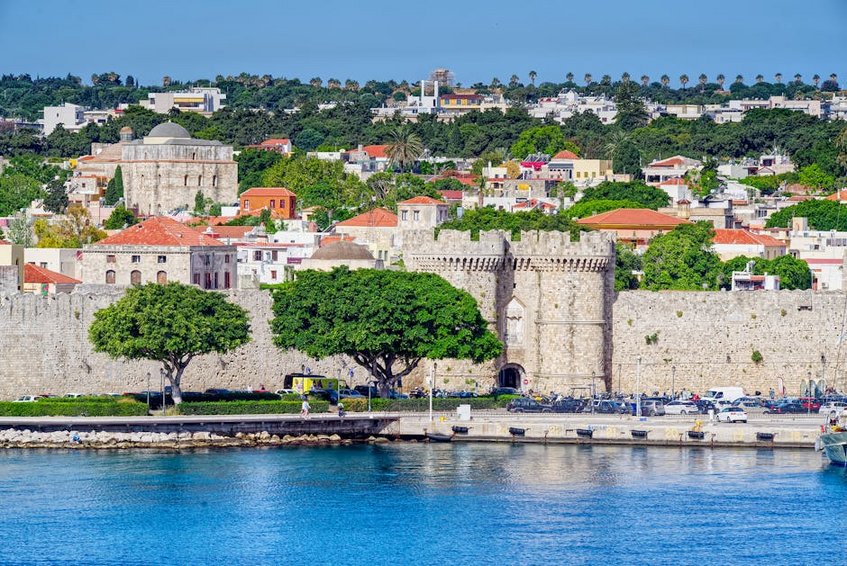
    Rhodes Medieval Old Town

    Alt: “rhodes-medieval-old-town-cobblestone-streets-knights-architecture”

    Rhodes Medieval Old Town – Planning Your Trip

    Your Rhodes Medieval Old Town visit benefits from strategic timing between April-June or September-October when temperatures range 65-80°F (18-27°C) with smaller crowds. Budget approximately $75-150 daily per person covering mid-range hotels, museum entries, and restaurant meals, though costs decrease significantly outside July-August peak season. Reserve accommodations 3-4 months early for summer visits, focusing on locations near gates for easier luggage transport.

    Best Time to Visit Rhodes Medieval Old Town

    April through June delivers ideal conditions with temperatures 68-77°F (20-25°C), blooming flowers, and pre-summer tranquility before European school holidays begin. September and October maintain warm weather 70-82°F (21-28°C) with thinner crowds and cultural events like the Medieval Rose Festival celebrating local history. July-August sees temperatures reaching 90°F (32°C) with intense crowding, though extended daylight hours allow early morning exploration.

    Budget Planning and Costs

    Consider these tiered budget options for different travel styles.

    1. Budget travelers spend $50-75 daily using hostels outside walls, supermarket meals, and free walking tours plus selective museum entries.
    2. Mid-range visitors allocate $100-150 daily for boutique hotels inside walls, taverna dining, combined site tickets, and guided historical tours.
    3. Luxury experiences cost $200-300+ daily with five-star converted mansions, fine dining, private guides, and evening cultural performances.
    4. Essential Preparation Checklist

      Pack comfortable walking shoes with grip for uneven stone surfaces, sun protection, and a refillable water bottle for hydration during exploration. Bring European plug adapters for charging devices, since Greek outlets use 220V Type F sockets, plus backup power banks for photography. Secure comprehensive travel insurance covering medical emergencies and trip interruptions, particularly if visiting during summer wildfire season.

      Digital preparation includes downloading offline maps since GPS struggles within narrow alleys, and booking key attractions like Palace of the Grand Master online to skip queues. Learn basic Greek phrases like “Yassas” (hello) and “Efharisto” (thank you) to enhance interactions with local shopkeepers and restaurant staff. Check official websites for any temporary closures or special events that might affect your planned itinerary dates.

      Top Attractions and Activities

      Begin your exploration at the Palace of the Grand Master, a 14th-century fortress reconstructed by Italians that now houses medieval artifacts and Roman mosaics. The Archaeological Museum occupies the former Hospital of the Knights, displaying exquisite Hellenistic statues and medieval ceramics across its vaulted galleries. Don’t miss the Byzantine Museum in Panagia tou Kastrou church, featuring rare icons and frescoes from Rhodes’ Orthodox Christian heritage.

      Must-See Highlights

      The Street of Knights remains perfectly preserved with seven inns representing different European regions where knights resided according to their origins. Clock towers at various points offer panoramic views over the red-tiled rooftops and harbor, particularly the Roloi Tower near Hippocrates Square. Süleyman Mosque and the adjacent Turkish Library represent Ottoman contributions, while the Jewish Quarter’s Kahal Shalom Synagogue dates from 1577.

      Hippocrates Square serves as the social heart with its famous Castellania fountain and surrounding cafes perfect for people-watching between explorations. The Municipal Art Gallery occupies a Gothic building with rotating exhibitions of Greek artists, providing cultural context beyond ancient history. For maritime enthusiasts, the Naval Museum near the Commercial Harbor displays ship models and artifacts tracing Rhodes’ seafaring traditions.

      Hidden Gems and Local Favorites

      Venture into the quiet backstreets behind the main tourist routes to discover Argyrokastrou Square, where locals gather at traditional kafeneios. The Muslim Library near Ibrahim Pasha Mosque contains priceless Ottoman manuscripts rarely visited by tour groups, offering unique historical insight. Seek out secret gardens like those at the Hotel Marco Polo Mansion, where you can relax amid citrus trees and medieval architecture.

      Artisan workshops along Socratous Street demonstrate traditional crafts like pottery, leatherwork, and icon painting that have continued for generations. The Medieval Moat Walk allows you to circumnavigate the exterior fortifications, providing dramatic photographic perspectives of the towering walls and towers. Local bakeries in the Jewish Quarter offer bougatsa pastries and other specialties that reflect Rhodes’ diverse cultural influences.

      Walking Tours and Exploration

      Self-guided walking tours let you explore at your own pace, following the well-marked historical trail that connects major monuments throughout the old town. Alternatively, join specialized guided tours focusing on Crusader history, Ottoman architecture, or Jewish heritage for deeper contextual understanding. Evening ghost tours reveal darker legends and hidden passages, while food tours introduce you to authentic mezedes and local wines.

      Practical Travel Information

      Rhodes International Airport (RHO) connects to major European hubs with seasonal direct flights from London, Amsterdam, and Frankfurt taking 3-4 hours. From the airport, taxis cost approximately $30 to the old town gates, while public buses require a transfer at the new town station for $3. Once inside the walls, everything remains walkable, though luggage carts are available for hire if staying within the pedestrian-only zone.

      Getting There and Around

      International visitors typically fly into Rhodes Diagoras Airport (RHO), located 14 km southwest of the old town, with regular connections from Athens and seasonal European routes. Ferry services from Piraeus and other Aegean islands arrive at Rhodes Commercial Harbor, just a 10-minute walk from the medieval town’s Sea Gate. Once arrived, the entire historic center is pedestrian-only, requiring comfortable walking shoes and occasional luggage porter services for hotel transfers.

      Local buses connect the old town to beaches and other island attractions from stops just outside the walls, with fares around $2 per journey. Taxis are readily available at designated stands near each major gate, though they cannot enter the narrow medieval streets beyond certain points. Rental cars prove unnecessary for old town exploration but useful for island-wide touring, with parking available outside the fortifications.

      Where to Stay

      Stay within the medieval walls for authentic atmosphere, choosing accommodations near key gates like d’Amboise or Eleftherias for easier access with luggage. The Knights’ Quarter offers luxury options in restored medieval buildings, while the Hora Turkish Quarter provides more affordable guesthouses with traditional architecture. For budget-conscious travelers, new town hotels near Mandraki Harbor offer modern amenities with 15-minute walks to the historic center.

      Popular choices include Marco Polo Mansion for its beautiful garden setting, Spirit of the Knights for luxurious medieval ambiance, and Hotel Anastasia for budget-friendly comfort. Book 3-4 months in advance for summer visits, considering that many historic properties have steep staircases and limited elevator access. Verify exact location relative to gates if mobility is a concern, as cobblestone streets challenge wheeled luggage.

      Rhodes Medieval Old Town

      Alt: “rhodes-old-town-accommodation-courtyard-medieval-architecture”

      Food, Culture, and Local Experience

      Rhodes’ culinary scene reflects its multicultural history, blending Greek, Turkish, and Italian influences in dishes like pitaroudia (chickpea fritters) and makarounes (handmade pasta). Traditional tavernas cluster around Arionos Square and the Jewish Quarter, serving meze platters with local wines from nearby vineyards. Evening entertainment ranges from rembetika music in hidden cafes to cultural performances at the Palace of the Grand Master courtyard.

      Local Cuisine and Must-Try Dishes

      Sample Rhodes-specific specialties like melekouni, a sesame and honey bar traditionally served at weddings, and lacanades, fried dough with honey and cinnamon. Seafood features prominently with barbounia (red mullet) and octopus grilled with local herbs, best enjoyed at harbor-side restaurants near Mandraki. Don’t miss local wines from Emery Winery, particularly the white Athiri and red Mandilaria varieties unique to the island.

      Popular dining spots include Marco Polo Café for innovative Mediterranean fusion, Nireas for fresh seafood near the Jewish Quarter, and To Meltemi for traditional Greek dishes. Expect to pay $25-45 per person for a complete meal with wine at mid-range establishments, with simpler taverna options available for $15-25. Many restaurants offer vegetarian adaptations of traditional dishes, and English menus are widely available throughout the old town.

      Cultural Tips and Etiquette

      Greet shopkeepers and restaurant staff with “Yassas” (hello) upon entering establishments, as this small courtesy enhances interactions throughout your visit. Dress modestly when visiting churches and mosques, with shoulders and knees covered, though casual resort wear is acceptable elsewhere in the old town. Tipping customs follow European standards with 5-10% appreciated in restaurants, while rounding up taxi fares and leaving small change for cafe service.

      Respect photographic restrictions in religious sites, and always ask permission before photographing shop interiors or artisans at work. Bargaining is acceptable in tourist shops but not in fixed-price establishments or restaurants, typically achieving 10-20% discounts on larger purchases. Learn basic Greek phrases beyond greetings, as efforts to speak the local language receive warm responses from residents proud of their cultural heritage.

      Shopping and Souvenirs

      Authentic shopping opportunities include handmade leather goods from workshops along Sokratous Street, ceramic pottery reproducing ancient designs, and olive wood products from local artisans. The Jewish Quarter offers unique jewelry reflecting Rhodian history, while specialty food shops sell local honeys, herbs, and spices perfect for edible souvenirs. Avoid mass-produced imports by looking for “Made in Greece” labels and purchasing directly from craftspeople demonstrating their techniques.

      Sources and References

      • Municipality of Rhodes Official Tourism Site
      • UNESCO World Heritage Centre
      • Frequently Asked Questions

        When is the best time to visit Rhodes Medieval Old Town for exploring?

        Visit between April-June or September-October when temperatures range 65-80°F (18-27°C) with smaller crowds and optimal walking conditions. These shoulder seasons avoid July-August peak heat reaching 90°F (32°C) while maintaining comfortable weather for exploring outdoor archaeological sites and fortifications. Cultural events like the Medieval Rose Festival typically occur during these pleasant months, enhancing your historical experience.

        How much does visiting Rhodes Medieval Old Town cost?

        Budget $75-150 daily per person covering mid-range hotels, museum entries, meals, and local transportation depending on travel style. Accommodation represents the largest variable, ranging from $80-400 nightly, while combined site tickets cost approximately $15 and restaurant meals average $25-45. Off-season travel and staying outside the walls can reduce costs by 30-40% while maintaining access to all major attractions.

        How many days do you need for Rhodes Medieval Old Town?

        Plan 2-3 full days to thoroughly explore the major sites, hidden corners, and experience different times of day within the medieval walls. One day covers key monuments like the Palace and Street of Knights, while additional days allow for museum visits, shopping, and repeat explorations. Overnight stays provide opportunities for evening dining and experiencing the illuminated architecture without daytime crowds.

        How do you get to Rhodes Medieval Old Town?

        Fly into Rhodes International Airport (RHO) with connections from European hubs or take ferries from Piraeus and other Aegean islands to Rhodes Commercial Harbor. From the airport, taxis cost $30 for the 20-minute transfer, while buses require a new town transfer for $3 total. The historic center is pedestrian-only, so arrange luggage transport if staying at hotels deep within the medieval streets.

        Where should you stay for Rhodes Medieval Old Town exploration?

        Stay inside the medieval walls near major gates like d’Amboise or Eleftherias for easiest access and authentic atmosphere throughout your visit. The Knights’ Quarter offers luxury accommodations in historic buildings, while the Hora Turkish Quarter provides more affordable options with traditional character. Budget alternatives in the new town remain within 15-minute walking distance while offering modern amenities and easier vehicle access.

        Is Rhodes Medieval Old Town safe for travelers?

        Yes, Rhodes maintains excellent safety standards with visible police presence and well-lit main streets, though normal precautions for crowded tourist areas apply. The medieval streets see heavy foot traffic until late evening, with restaurants and shops remaining open, creating a secure environment for exploration. Secure valuables in accommodation safes and stay aware in crowded areas like Hippocrates Square during peak hours.

        Do you need special preparation for Rhodes Medieval Old Town?

        Yes, bring comfortable walking shoes with good grip for uneven stone surfaces, sun protection, and water bottles for hydration during extensive exploration. Download offline maps since GPS signals often fail in narrow alleys, and book popular attractions like the Palace online to avoid queues. Those with mobility challenges should research hotel locations carefully, as many historic properties lack elevators and have steep staircases.

        Your Rhodes Medieval Old Town Journey

        Rhodes Medieval Old Town delivers an unparalleled historical experience through perfectly preserved architecture, living cultural traditions, and atmospheric streets that transport visitors across centuries. Your visit succeeds with strategic timing between April-October, comfortable walking preparation, and reservations at smaller accommodations for authentic immersion. Which aspect of Crusader history or Ottoman influence most captivates your imagination for first exploration?

        Related Stories

        spot_img

        Discover

        South Korea Jinhae Cherry Blossom Festival: 3 Essential

        South Korea Jinhae Cherry Blossom Festival: Your Guide to the Pink Canopy The South Korea...

        2026 Current India Jaipur Rose Festival Routes

        India Jaipur Rose Festival: A Guide to the Blossoming Celebration The India Jaipur Rose Festival...

        Ultimate Nepal Holi Festival Kathmandu Guide 12 Tips

        Nepal Holi Festival Kathmandu: A Guide to Celebrating the Festival of Colors Celebrating the Nepal...

        Philippines Moriones Festival Marinduque: 12 Ultimate

        Philippines Moriones Festival Marinduque Experiencing the Philippines Moriones Festival Marinduque offers a profound dive into...

        Top Indonesia Nyepi Silence Day Bali Guide 5 Tips

        Indonesia Nyepi Silence Day Bali Nyepi, the Balinese Day of Silence, transforms the vibrant island...

        Complete Vietnam Hue Festival Cultural Events Journey 3 Tips

        Vietnam Hue Festival Cultural Events The Vietnam Hue Festival cultural events represent a spectacular biennial...

        Popular Categories

        Comments

        LEAVE A REPLY

        Please enter your comment!
        Please enter your name here

      Category Options/Features Price Range (USD)
      Accommodation Boutique hotels in restored mansions, traditional guesthouses, luxury converted palaces $80-400/night
      Dining Traditional tavernas, seafood restaurants, meze bars, international cuisine $15-50/person
      Activities Museum entries, guided tours, cultural workshops, evening entertainment $10-75/activity
      Transportation Airport transfers, local taxis, rental cars, ferry tickets to nearby islands $3-150/trip