Reykjavik Travel Guide: Discovering Iceland’s Vibrant Capital
Reykjavik serves as the colorful gateway to Iceland’s extraordinary landscapes, blending a compact urban center with easy access to volcanic wonders and geothermal delights. This comprehensive Reykjavik travel guide provides the essential insights for navigating the world’s northernmost capital, from its iconic Hallgrímskirkja church spire to the steaming Blue Lagoon just a short drive away. You’ll discover practical tips on seasonal visits, budget-friendly strategies, and how to experience the city’s renowned culinary scene and vibrant nightlife efficiently.
Essential Reykjavik Information
Reykjavik, founded officially in 1786, is home to over 130,000 residents, comprising nearly 40% of Iceland’s total population. The city’s name translates to “Smoky Bay,” a reference to the steam rising from its many geothermal hot springs that early settlers observed. Today, its downtown area is remarkably walkable, with most major attractions, restaurants, and shops concentrated within a one-mile radius of the Old Harbor and Lake Tjörnin.
Iceland’s capital operates as a hub for exploring the entire country, with the international Keflavik Airport located about 31 miles (50 kilometers) to the southwest. The local currency is the Icelandic Króna (ISK), though credit and debit cards are used for virtually every transaction, including small purchases at coffee shops. English is widely and fluently spoken by almost all residents, making communication incredibly easy for international visitors.
What You Need to Know Before You Go
Understanding a few key local characteristics will significantly enhance your visit to Iceland’s capital.
- The weather is famously changeable; always pack a waterproof and windproof outer layer, regardless of the season, as conditions can shift from sunny to rainy within minutes.
- Tipping is not a custom in Iceland; service charges are included in all posted prices at restaurants, hotels, and for tours, simplifying transactions and budgeting.
- Reykjavik is exceptionally safe, with very low crime rates, allowing you to explore neighborhoods comfortably at almost any hour, though standard travel vigilance is always wise.
- Budget Travel ($120-180 USD per day): Stay in hostel dorms or guesthouses, cook your own meals from grocery stores like Bónus, use public buses, and focus on free attractions like walking tours, city parks, and shoreline paths. This tier requires sacrificing some guided tours for self-guided exploration.
- Mid-Range Travel ($250-400 USD per day): This covers a private room in a hotel like Fosshótel or CenterHotel, dining at casual restaurants for one meal daily, joining a few key guided tours (e.g., Golden Circle, Northern Lights), and using a small rental car for a couple of days to explore the Reykjanes Peninsula independently.
- Luxury Travel ($600+ USD per day): Enjoy boutique hotels such as Canopy by Hilton or 101 Hotel, dine at top restaurants like Dill or Grillmarkaðurinn, take private or small-group tours with premium operators, and rent a 4×4 vehicle for comfort and flexibility to remote locations like the Þingvellir National Park.
- Visit Reykjavik Official Tourism Site
- Icelandic Safe Travel Information
- Icelandic Met Office for Weather & Aurora
Key Geographic and Climate Details
Positioned on the southwest coast of Iceland, Reykjavik enjoys a milder climate than its latitude suggests, thanks to the warming influence of the North Atlantic Current. Winter temperatures average between 28°F and 37°F (-2°C to 3°C) from December to February, while summer sees averages of 48°F to 57°F (9°C to 14°C) from June to August. Daylight varies dramatically, with nearly 24 hours of sun in late June and only about 4-5 hours of daylight in late December.
The cityscape is defined by colorful corrugated iron-clad houses, a historical building material that proved durable against the elements. Architectural highlights include the expressionist Hallgrímskirkja church and the glass-and-steel Harpa Concert Hall. The surrounding region, known as the Reykjanes Peninsula, is a UNESCO Global Geopark marked by lava fields, hot springs, and rugged coastline.
Historical and Cultural Context
Reykjavik’s history stretches back to Ingólfur Arnarson, recognized as Iceland’s first permanent settler around AD 874. For centuries, it remained a small fishing and trading post until gaining city status in the 18th century. The 20th century brought rapid growth and transformation, culminating in Reykjavik becoming the capital of a fully independent Iceland in 1944.
Today, the city fosters a thriving creative scene, evident in its numerous art galleries, design shops, and music venues that birthed global artists like Björk and Sigur Rós. This culture of innovation extends to its geothermal heating system, which provides sustainable, pollution-free hot water and heating to the entire city, a point of great national pride.
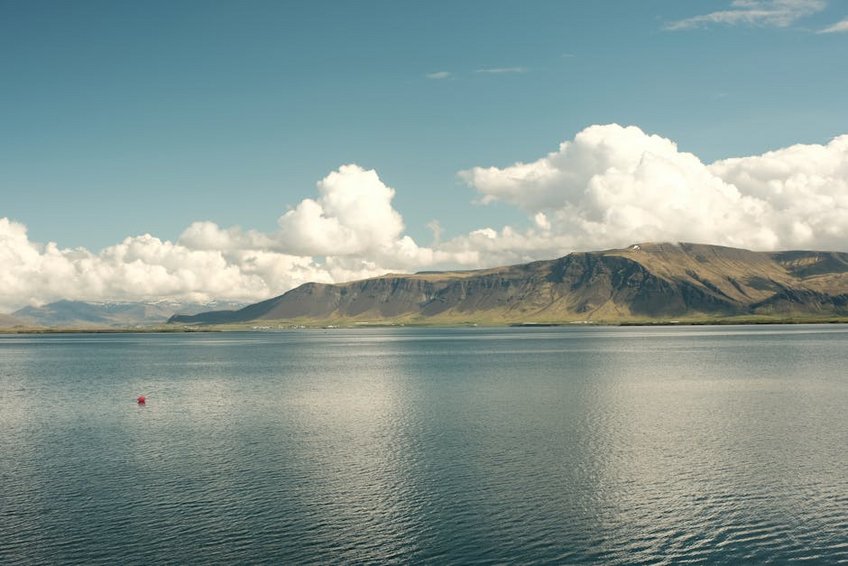
Alt: “reykjavik-cityscape-colorful-houses-hallgrimskirkja-church-spire”
Reykjavik Travel Guide – Planning Your Trip
Strategic planning is crucial for a rewarding visit to Iceland’s capital, as costs can be high and popular attractions require advance booking. A successful Reykjavik travel guide emphasizes balancing iconic experiences with local immersion, all while managing a daily budget that typically starts around $150 USD per person for modest travel. Your itinerary should allocate days for both city exploration and organized excursions to natural sites like the Golden Circle or South Coast.
Accommodation and rental car prices fluctuate significantly with seasons, with summer peaks seeing rates double those of the winter months. Booking flights, hotels, and major tours at least three to four months in advance for summer travel, or one to two months for winter, secures better rates and availability. Prioritize a mix of pre-booked activities and flexible time to wander, as the city’s charm often reveals itself in unplanned moments at cozy cafés or along the Sculpture & Shore walk path.
Best Time to Visit Reykjavik
Visit Reykjavik between June and August for mild weather, endless daylight, and access to the Highlands, though this is the most crowded and expensive period. Temperatures range from 48°F to 57°F (9°C to 14°C), and popular sites are busy, requiring all accommodations and rental cars to be booked months in advance. This season is ideal for hiking, puffin watching, and experiencing the midnight sun during festivals like the Seafarers’ Day celebration in June.
The shoulder seasons of April-May and September-October offer a compelling balance with fewer tourists, lower prices, and dynamic conditions perfect for seeing the Northern Lights and enjoying autumn colors. Winter, from November to March, is the budget-friendly season for Aurora Borealis hunting, with temperatures between 28°F and 37°F (-2°C to 3°C), but limited daylight reduces time for independent exploration outside the city.
Budget Planning and Costs
Iceland is an expensive destination, but strategic planning across tiers can manage costs effectively.
Essential Preparation Checklist
Your packing list must prioritize adaptability to wind, rain, and cool temperatures, regardless of the season. Essential items include a waterproof and windproof jacket, insulated layers like fleece or wool, sturdy waterproof hiking shoes or boots, a swimsuit and quick-dry towel for geothermal pools, a reusable water bottle (Icelandic tap water is excellent), and a power adapter for Type C/F European sockets.
Required documentation includes a passport valid for at least three months beyond your planned departure date for US and EU citizens, who do not need a visa for stays under 90 days. Comprehensive travel insurance that covers medical evacuation and adventurous activities is highly recommended. Book your rental car, airport transfer, and most desired tours at least 60 days before a summer trip to secure availability and better rates.
Top Attractions and Activities in Reykjavik
The capital offers a diverse array of experiences, from panoramic city views to immersive cultural institutions and relaxing geothermal bathing. Begin your exploration at Hallgrímskirkja church, where you can take an elevator to the top of its 244-foot (74-meter) tower for the best panoramic view over the city’s colorful rooftops towards the sea and mountains. The adjacent sculpture of Leif Erikson, a gift from the United States, nods to the Viking explorer’s historical connection to North America.
Downtown, the Harpa Concert Hall’s stunning geometric glass facade reflects the harbor and sky, creating ever-changing light displays inside its foyer, which is free to enter. For a deep dive into Icelandic history and culture, the National Museum of Iceland and the Saga Museum provide comprehensive narratives, while the whimsical Phallological Museum offers a uniquely Icelandic curiosity. The Sun Voyager sculpture, a short walk along the Sæbraut road, provides a beautiful photo opportunity, especially at sunset.
Must-See Highlights
No visit is complete without experiencing the iconic Hallgrímskirkja, an architectural marvel inspired by Iceland’s basalt lava flows. Visiting early in the morning or just before closing helps avoid the longest lines for the tower elevator. The church’s interior is starkly beautiful, dominated by a massive 5275-pipe organ, and entry to the main floor is free, with a small fee for the tower ascent.
The Harpa Concert Hall is a masterpiece of contemporary design and a center of cultural life. Even without attending a performance, you can wander its public spaces to admire the honeycomb-like glass structure. Check their schedule for free noon concerts or guided architectural tours that explain the building’s innovative design and symbolic connection to the Icelandic landscape.
The Perlan (The Pearl) museum, situated on Öskjuhlíð hill, houses excellent natural history exhibits, including a real ice cave you can walk through, maintained at a constant 14°F (-10°C). Its observation deck offers another 360-degree view of the city, and the rotating restaurant on top provides a memorable dining experience, though reservations are essential.
Hidden Gems and Local Favorites
Venture beyond the main tourist trail to discover the charming neighborhood of Grandi, by the Old Harbor. This former industrial area is now a hub for creative eateries, the fascinating Whales of Iceland exhibition (featuring life-size models), and the hands-on Reykjavik Maritime Museum. It’s a quieter area perfect for a leisurely stroll, with excellent coffee shops and fewer crowds.
For an authentic local experience, skip the expensive Blue Lagoon on a tight schedule and visit one of Reykjavik’s geothermal swimming pools. The Laugardalslaug complex is the city’s largest, featuring multiple heated outdoor pools, water slides, steam baths, and hot pots at a fraction of the cost. This is where residents socialize and relax, offering genuine insight into everyday Icelandic life. Remember to shower thoroughly without your swimsuit before entering, as mandated by strict hygiene rules.
Northern Lights and Aurora Hunting
From late September to mid-April, chasing the Aurora Borealis becomes a primary activity. While sightings are never guaranteed, your chances increase outside the city’s light pollution. Many operators run evening bus tours that take you to darker areas, with guides providing photography tips and scientific context. For a more independent approach, you can drive yourself to locations like Grótta lighthouse on the Seltjarnarnes peninsula, checking the Icelandic Met Office’s aurora forecast for cloud cover and activity levels.
Successful viewing requires patience, warm clothing (think thermal layers, hats, and gloves), and a clear, dark sky. If your schedule allows, plan multiple nights for aurora hunting to increase your probability of witnessing this spectacular natural phenomenon. Photography enthusiasts should bring a tripod and a camera capable of manual long exposures to capture the dancing lights effectively.
Practical Travel Information for Reykjavik
Navigating Reykjavik is straightforward, with a reliable public bus system called Strætó, an extensive network of taxis, and highly walkable city center streets. For exploring outside the capital, renting a car provides the greatest freedom, with major international agencies located at Keflavik Airport and in the city. During winter, a 4×4 vehicle is advisable for safety on potentially icy roads, even for popular routes like the Golden Circle.
Accommodation ranges from design-focused boutique hotels in the 101 downtown postcode to budget-friendly guesthouses and hostels in neighboring districts like Miðborg or Hlíðar. Prices are highest in summer and around major holidays; booking directly with hotels or through reputable platforms often yields the best cancellation policies. For longer stays, consider an Airbnb or apartment rental, which offers kitchen facilities to help manage food costs.
| Accommodation Type | Options & Features | Price Range (USD/Night) |
|---|---|---|
| Hostel / Guesthouse | Dorm beds or basic private rooms, shared bathrooms, communal kitchens, central locations like Kex or Bus Hostel. | $40 – $120 |
| Mid-Range Hotel | Private rooms with ensuite bathrooms, daily breakfast included, central downtown locations (e.g., CenterHotel Arnarhvoll, Fosshótel Baron). | $180 – $350 |
| Boutique / Design Hotel | Stylish rooms, premium amenities, on-site restaurants/bars, prime 101 postcode location (e.g., Canopy by Hilton, 101 Hotel). | $350 – $600 |
| Apartment Rental | Full kitchen, living space, washer, multiple bedrooms, located in residential areas like Vesturbær or Hlíðar. | $200 – $500 |