Patagonia Nature Tour in Chile: Discover Wild Landscapes
Embarking on a Patagonia nature tour in Chile immerses you in one of the planet’s last great wilderness frontiers. This journey takes you through dramatic granite spires, colossal ice fields, and windswept steppes where wildlife roams free. This guide covers essential planning, top trekking routes, and practical tips for your South American adventure.
Understanding Chilean Patagonia’s Geography
Chilean Patagonia stretches over 1,000 miles along South America’s southern cone. This region encompasses the iconic Torres del Paine National Park and the remote fjords of Tierra del Fuego. Its landscapes were sculpted by ancient glaciers, creating a raw, beautiful terrain.
Weather systems here are famously unpredictable, shifting rapidly from sun to sleet. The Andes Mountains act as a barrier, creating a rain shadow that makes eastern areas drier. This geography supports diverse ecosystems from Magellanic forests to arid pampas.
Key Regions and National Parks
Your exploration will center on several protected areas. Each offers distinct scenic rewards and trekking challenges.
- Torres del Paine National Park: Home to the iconic granite towers, Grey Glacier, and the W Trek circuit. Wildlife includes guanacos and Andean condors.
- Bernardo O’Higgins National Park: The largest park in Chile, accessible mainly by boat to see the Pío XI Glacier. It’s a true wilderness experience.
- Karukinka Natural Park: Located on Tierra del Fuego, this park protects sub-Antarctic forests and peat bogs. It’s ideal for spotting native fox species.
- Budget Tour ($1,200-$2,500): Includes hostel stays, self-catering, and bus transport. Covers park fees and basic guided day hikes. Ideal for backpackers using public campsites.
- Mid-Range Tour ($2,800-$5,000): Features refugio or comfortable lodge stays, most meals, and multi-day guided trekking. Includes private transfers and luggage support on the W Trek.
- Luxury Lodge-Based Tour ($6,000-$12,000+): Stays at premium lodges like Tierra Patagonia or Explora. Offers all-inclusive guided excursions, spa access, gourmet dining, and private guides for photography or wildlife.
- CONAF – Torres del Paine National Park Official Site
- Chile Travel Official Tourism Board
The Climate and What to Expect
Patagonian weather demands respect and preparation. Summers (Dec-Feb) see temperatures between 41-61°F (5-16°C) with long daylight hours. Winds can exceed 70 mph, especially in the Paine Massif area.
Winter (Jun-Aug) brings snow and temperatures from 23-37°F (-5 to 3°C). Fewer services operate, but the snowy landscapes offer solitude. Always pack layers for all conditions, regardless of season.
Conservation and the Park System
Chile’s national park system, managed by CONAF, implements strict conservation rules. You must book campsites and refugios months in advance for popular trails. A mandatory orientation video emphasizes Leave No Trace principles.
Your tourist dollars support vital conservation work against threats like invasive species. Rangers conduct regular patrols to ensure compliance with fire bans and trail etiquette. This protects the fragile Patagonian steppe.
Alt: “torres-del-paine-national-park-granite-towers-chilean-patagonia”
Patagonia Nature Tour in Chile – Planning Your Trip
Organizing your Patagonian adventure requires strategic timing and logistics. The ideal Patagonia nature tour in Chile balances iconic hikes with flexibility for weather delays. Most travelers focus on the Magallanes Region, flying into Punta Arenas.
Booking guided tours or self-guided itineraries depends on your comfort level. Independent travel is possible but requires meticulous planning for transportation and accommodations. Guided options provide logistical support and expert naturalist guides.
Budget for park fees, internal flights, and potentially costly provisions in remote areas. Internet access is limited, so download maps and confirmations beforehand. A well-planned trip maximizes your time amidst stunning scenery.
Best Time to Visit Chilean Patagonia
The peak season runs from November to early March. Daytime temperatures average 50-59°F (10-15°C) with up to 17 hours of daylight in December. This is the best window for completing the full W or O Circuit treks without snow closures.
Shoulder months of October and April offer fewer crowds and autumn colors. However, services wind down, and weather becomes more volatile. Winter visits from June to August are only for experienced, self-sufficient travelers seeking stark, frozen beauty.
Budget Planning and Costs
Patagonia trips vary widely in cost based on comfort level and guiding.
Essential Preparation Checklist
Packing correctly is non-negotiable for comfort and safety. Invest in a waterproof and windproof jacket (Gore-Tex recommended), sturdy broken-in hiking boots, and quality merino wool base layers. Trekking poles are essential for river crossings and steep descents.
U.S. citizens need only a valid passport for stays under 90 days. Purchase travel insurance with medical evacuation coverage for remote areas. Book all park accommodations and critical transport (like the Navimag ferry) at least six months in advance for peak season.
Top Attractions and Trekking Routes
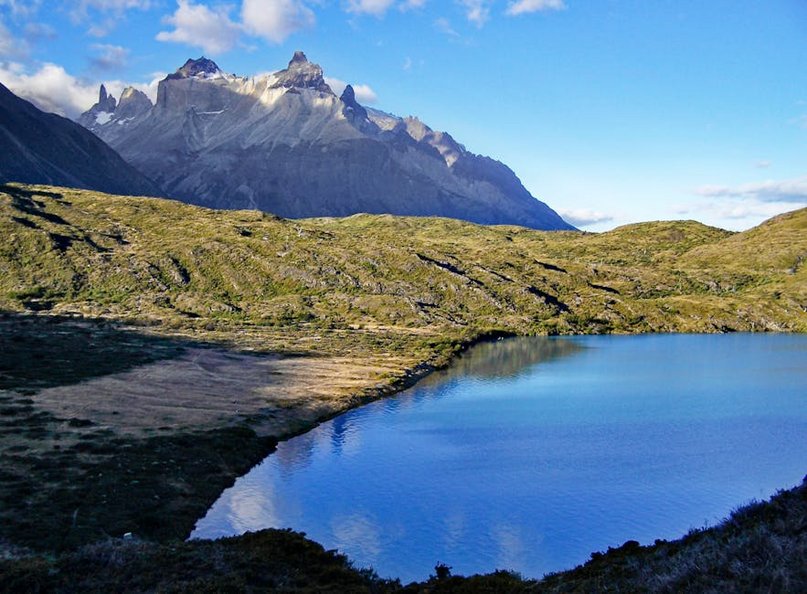
Chilean Patagonia’s crown jewel is Torres del Paine. The park’s three iconic granite towers rise dramatically above a glacial lake. Reaching the Base Torres viewpoint requires a challenging day hike.
Further south, the Strait of Magellan and Tierra del Fuego offer maritime adventures. Boat tours navigate among glaciers and colonies of Magellanic penguins. Each area presents unique landscapes and photographic opportunities.
Must-See Highlights
The Grey Glacier in Torres del Paine is a massive river of ice calving into Lago Grey. You can view it from the Mirador Grey hike or take a kayak tour amongst icebergs. The glacier is part of the Southern Patagonian Ice Field.
Mountains like the Cuernos del Paine feature striking black sedimentary caps. The French Valley trail leads you between these colossal rock faces. Wildlife sightings often include guanacos, rheas, and soaring condors.
In Tierra del Fuego, visit King Penguin Park on Bahía Inútil. This colony is one of the few outside Antarctica. The remote location requires a full-day trip from Punta Arenas.
Hidden Gems and Local Favorites
Venture to Puerto Natales’ Cueva del Milodón, a natural monument with a cave holding prehistoric remains. The surrounding trail network offers views of the Señoret Channel with fewer hikers than main park trails.
For a true local experience, visit an estancia (ranch). Many, like Estancia Cerro Guido, offer horseback riding across the pampas. You’ll learn about traditional sheep farming and gaucho culture over a lamb barbecue.
Multi-Day Trekking Circuits
The W Trek is a 5-day, 50-mile route past the park’s major sights. It uses a series of refugios (mountain huts) or campsites. You must reserve each site through Vertice or Fantastico Sur operators.
The more demanding O Circuit takes 7-9 days and includes the backside of the Paine Massif. It requires greater self-sufficiency as services are sparse on the back section. Both treks represent world-class hiking experiences.
Practical Travel Information
Reaching Patagonia involves flying into Santiago (SCL) then connecting south. The main gateway airports are Presidente Carlos Ibáñez (PUQ) in Punta Arenas or Teniente Julio Gallardo (PNT) near Puerto Natales. LATAM and Sky Airline offer daily flights.
Accommodation ranges from camping to luxury lodges. Puerto Natales serves as the bustling basecamp town with hostels, gear rental shops, and restaurants. Staying inside the park reduces daily travel time to trailheads significantly.
| Accommodation Type | Features and Location | Price Range (USD per night) |
|---|---|---|
| Camping (Bring Your Own Gear) | Basic campsites with shared bathrooms and cooking shelters in park. | $15-$30 per person |
| Mountain Refugios | Dorm-style bunk beds, includes bedding; some offer half-board meals. | $50-$120 per person |
| Hotel in Puerto Natales | Comfortable rooms, private bathrooms, restaurants, and tour booking desks. | $100-$250 |
| All-Inclusive Luxury Lodge | Premium suites, guided excursions, gourmet meals, spa, and stunning views. | $800-$1,500+ |