Pantanal Nature Tour in Brazil: Your Ultimate Wildlife Adventure
Exploring the Pantanal on a dedicated nature tour offers the world’s most accessible and concentrated wildlife viewing, set within a sprawling wetland ecosystem larger than many countries. Your expedition across this Brazilian biome delivers guaranteed animal encounters, from jaguars along riverbanks to giant otters and over 650 bird species, with expert local guides enhancing every sighting. This guide details essential planning strategies, optimal seasonal timing, and immersive experiences that transform a standard visit into an unforgettable ecological journey across Earth’s largest tropical wetland.
Understanding the Pantanal Biome
The Pantanal is the planet’s largest tropical wetland, a UNESCO World Heritage site spanning approximately 75,000 square miles across Brazil, Bolivia, and Paraguay. Its immense floodplain acts as a giant sponge, with annual flooding cycles between November and March creating a uniquely rich aquatic habitat. This seasonal pulse drives the ecosystem’s incredible productivity, supporting one of the highest concentrations of wildlife in the Americas.
Unlike the dense Amazon rainforest where animals remain hidden, the Pantanal’s open landscapes—savannas, forests, and waterways—provide unparalleled visibility for wildlife observation. The region functions as a critical nursery for fish and a permanent home or migratory route for countless species. Your visit directly supports conservation initiatives and local communities practicing sustainable ecotourism across both its Northern and Southern sections.
Northern vs. Southern Pantanal: Key Differences
Choosing between the Pantanal’s two main regions depends on your primary wildlife goals and travel style. Each area offers distinct landscapes, animal concentrations, and tour infrastructures.
- Northern Pantanal (Porto Jofre/Cuiabá gateway): Widely regarded as the global epicenter for wild jaguar sightings, especially along the Pixaim and Cuiabá River corridors between June and November. Accommodations range from rustic floating lodges to comfortable eco-ranches, with tours heavily focused on boat-based safaris.
- Southern Pantanal (Campo Grande gateway): Offers greater habitat diversity with more cattle ranches (fazendas), forest trails, and open marshes excellent for seeing giant anteaters, tapirs, and massive hyacinth macaw populations. This region often provides a more varied terrestrial safari experience alongside water-based activities.
- Access and Logistics: The North is typically accessed via Cuiabá (MGB) airport, while the South uses Campo Grande (CGR). Tour packages in both regions are all-inclusive, covering transfers, guided activities, meals, and lodging.
- Budget Tour (5-7 days): $1,200-$1,800 per person. Includes shared transport from Campo Grande, basic lodge accommodation (fan cooling, shared bathrooms), group boat safaris, and guided walks. Best for backpackers and wildlife enthusiasts comfortable with rustic conditions.
- Mid-Range Tour (5-8 days): $2,500-$4,000 per person. Features private transfers, comfortable eco-lodges with air conditioning and private bathrooms, expert bilingual guides, private or small-group boat safaris, and night spotlighting excursions. Offers the best value for serious photographers and most travelers.
- Luxury Tour (7-10 days): $5,000-$8,000+ per person. Provides stays at premium lodges with pools and spas, charter flights between regions, exclusive vehicle and boat use, specialized guides (e.g., photography-focused), and gourmet meals. Ideal for discerning travelers seeking comfort and maximum wildlife access.
- Brazilian Tourist Board (Embratur)
- IUCN Pantanal Conservation Area Profile
- UNESCO World Heritage Centre: Pantanal Conservation Area
The Pantanal’s Iconic Wildlife
Your wildlife checklist here reads like a Neotropical encyclopedia. The iconic jaguar stands as the apex predator, with population densities along the Northern rivers among the highest worldwide. Boat tours specifically designed for jaguar spotting report success rates exceeding 95% in peak season, a statistic unmatched in any other big cat habitat.
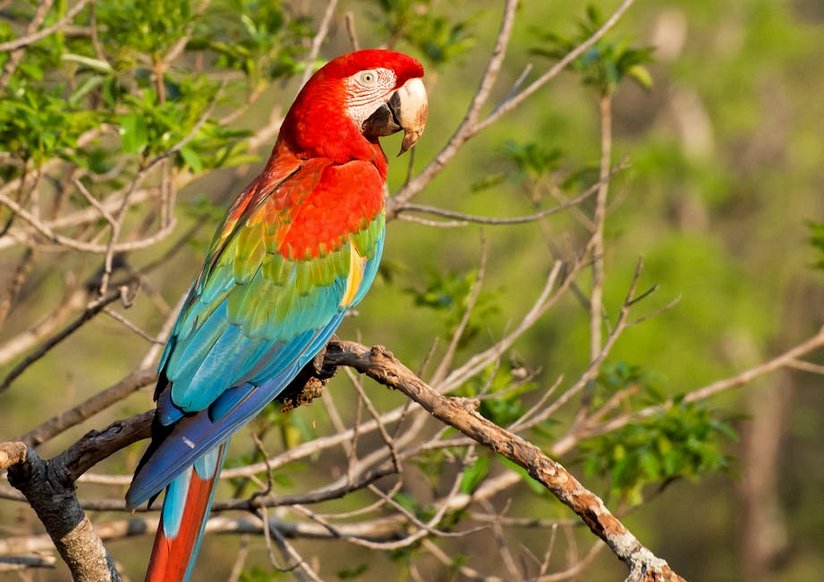
Beyond jaguars, you’ll encounter giant river otters fishing in family groups, the world’s largest rodent (capybara) grazing in hundreds, and elusive tapirs visiting riverbanks at dusk. Birdwatchers can tick off spectacular species like the toco toucan, jabiru stork building massive nests, and colorful parakeet flocks. Night drives reveal a different cast, including crab-eating foxes, ocelots, and over 1,000 species of butterflies.
Conservation Status and Ethical Tourism
The Pantanal faces significant threats from deforestation, unsustainable agriculture, and climate change, making responsible tourism a vital conservation tool. The 2020 wildfires burned nearly 30% of the biome, highlighting its vulnerability. Your visit supports protected areas, funds anti-poaching patrols, and creates economic alternatives for local communities.
Choose tour operators verified by the Pantanal Jaguar Project or associated with the IUCN. Ensure your guide follows strict protocols: maintaining safe distances from wildlife, prohibiting feeding, and using silent electric motors on boats. Your ethical participation helps guarantee this unique ecosystem thrives for future generations.
Alt: “pantanal-wetland-jaguar-riverbank-brazil-ecosystem”
Pantanal Nature Tour in Brazil – Planning Your Adventure
Organizing your Pantanal nature tour requires strategic decisions about timing, region, and tour type to match your wildlife priorities. Most visitors book packaged tours through reputable operators, as independent travel within the wetland is challenging. These multi-day packages typically include all transportation from gateway cities, full-board accommodation at lodges, multiple daily guided excursions, and sometimes internal flights or overland transfers.
Booking should occur 6-9 months in advance for the dry season (July-October), especially for premium lodges in prime jaguar territory. For the wet season (December-March), aim for 3-4 months’ notice. Your budget must cover the tour package, international flights to Brazil, and any pre/post-tour accommodations. A well-planned itinerary transforms a simple trip into a profound immersion into this aquatic wilderness.
Best Time to Visit the Pantanal
The optimal visiting period depends entirely on your target wildlife and tolerance for heat or rain. The dry season (June to October) provides the classic safari experience, with receding waters concentrating animals around remaining rivers and waterholes. This is prime time for jaguar viewing, with temperatures ranging from 75-95°F (24-35°C) and minimal rainfall.
The wet season (December to March) transforms the landscape into a vast inland sea, perfect for canoeing, birdwatching as migratory species arrive, and observing blooming water lilies. Temperatures hover between 80-100°F (27-38°C) with high humidity. Shoulder months like May and November offer transitional conditions with fewer visitors and lower prices, though some animals are less visible.
Budget Planning and Costs
Tour costs vary dramatically based on duration, lodge quality, and exclusivity of guided activities. Here is a realistic breakdown.
Essential Preparation Checklist
Packing correctly is crucial for comfort and safety in this remote, humid environment. Essentials include quick-dry, lightweight long-sleeved shirts and pants for sun and insect protection, a high-quality waterproof jacket, and broken-in hiking boots plus sandals for wet landings. A wide-brimmed hat, polarized sunglasses, and reef-safe sunscreen (SPF 50+) are non-negotiable.
For gear, bring high-powered binoculars (8×42 or 10×42), a camera with a zoom lens (200-400mm ideal), extra memory cards and batteries, and a waterproof dry bag. Health preparations require a yellow fever vaccination (with certificate), malaria prophylaxis recommended for some areas, and a comprehensive travel insurance policy covering emergency evacuation. Secure a Brazilian tourist visa if required for your nationality well in advance.
Top Experiences and Safari Activities
A multi-day tour blends various activities to showcase the Pantanal’s diversity from different perspectives. Each day typically includes two main excursions—often an early morning and a late afternoon outing—with a midday break to avoid the hottest hours. The variety ensures you experience the wetland’s terrestrial, aquatic, and avian life through tailored, guided exploration.
Guides use their extensive tracking knowledge and radio communication with other teams to locate wildlife, dramatically increasing your sighting opportunities. Whether gliding silently in a boat or hiking a forest trail, every activity is designed for immersion and respect for the environment. This structured yet flexible approach maximizes your encounter rate with the region’s iconic species.
Must-Do Guided Excursions
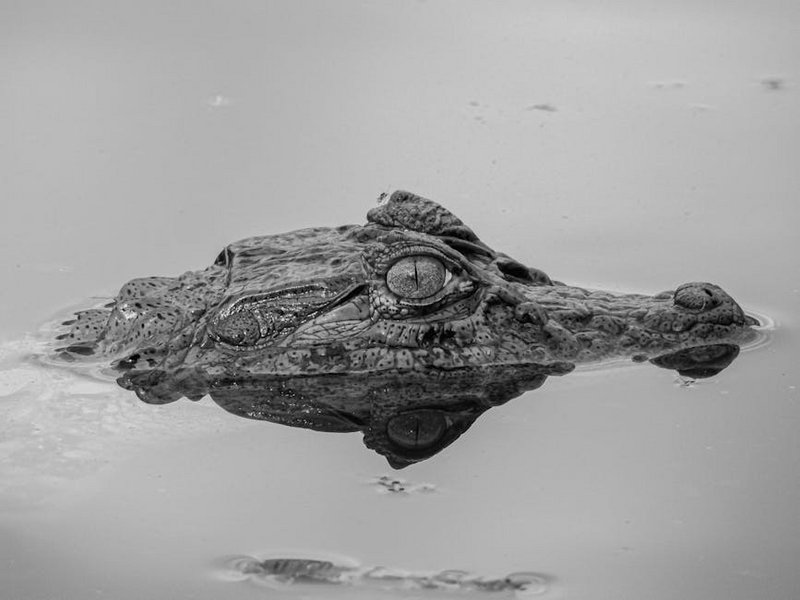
Boat safaris along the Cuiabá, Pixaim, or Paraguay Rivers are the cornerstone activity, especially in the North. These 3-4 hour excursions in specialized flat-bottomed boats allow close approaches to jaguars resting on riverbanks, families of giant otters, and countless caimans. Your guide will cut the engine to observe behavior quietly, providing expert commentary.
Terrestrial 4×4 drives and guided walks explore forest trails and open cerrado habitats. These outings target species like the giant anteater, Brazilian tapir, and herds of marsh deer. Night safaris with powerful spotlights reveal the biome’s nocturnal ecology, including prowling ocelots, nightjars, and the reflective eyes of caimans. Each modality offers a unique window into the ecosystem’s complexity.
Specialized and Photographic Tours
For dedicated photographers, specialized tours provide exclusive boat access, guides skilled in positioning for the best light, and itineraries built around golden hours. These tours often limit group size to 4-6 participants and prioritize time at prime locations, like known jaguar territories or jabiru stork nesting colonies.
Birdwatching-focused tours can yield over 150 species in a week, targeting rare endemics and spectacular congregations. Some operators offer horseback riding excursions on traditional cattle ranches, providing access to flooded grasslands and a historical perspective on Pantaneiro culture. Combining these specialized experiences creates a deeply rounded understanding of the region.
Cultural Encounters with Pantaneiros
Visiting a traditional cattle ranch (fazenda) offers insight into the unique cowboy culture of the Pantanal. The Pantaneiros have adapted their livestock practices to the annual floods for over 200 years. You might witness cattle herding, learn about traditional saddle-making, or enjoy a folk music performance.
These encounters highlight the delicate balance between conservation and sustainable ranching that defines much of the region. Sharing a cup of tereré (cold herbal tea) with ranchers provides authentic cultural context, reminding you that protecting this wilderness also means supporting the people who call it home.
Practical Travel Logistics and Accommodation
Reaching the Pantanal requires flying into a Brazilian gateway city, then taking a scheduled tour transfer via road, boat, or small aircraft. International travelers typically connect through São Paulo (GRU) or Brasília (BSB) before catching a domestic flight to Cuiabá (MGB) for the North or Campo Grande (CGR) for the South. From there, your pre-booked tour operator handles all ground logistics.
Accommodation ranges from simple research station dorms to luxurious eco-lodges with swimming pools and fine dining. Virtually all are remote, solar-powered, and designed with sustainability in mind. Your choice affects not only comfort but also your daily activity radius and guide expertise, making it a critical component of your tour selection.
| Accommodation Type | Key Features & Experience | Price Range Per Night (USD) |
|---|---|---|
| Eco-Lodge (Standard) | Private bathroom, ceiling fan, family-style meals, group excursions; located near major river systems. | $200 – $350 (included in tour) |
| Floating Lodge | Direct on-water access for early morning jaguar searches, basic private rooms, immersive soundscape. | $300 – $450 (included in tour) |
| Fazenda Guesthouse | Cultural ranch stay, home-cooked meals, horseback riding included, terrestrial wildlife focus. | $150 – $250 (included in tour) |
| Premium Safari Lodge | A/C, pool, spa, gourmet cuisine, private guides/boats, photography blinds, premium amenities. | $500 – $900+ (included in tour) |