Netherlands Tulip Gardens Best Time: A Complete Seasonal Guide
Experiencing the Netherlands tulip season requires precise timing, as the iconic floral displays transform the landscape for only a few fleeting weeks each spring. Your trip’s success hinges on aligning your visit with peak bloom, which varies slightly year to year based on winter severity and early spring temperatures. This guide details the optimal months and weeks for visiting, explains regional bloom variations, and provides a practical planning checklist for your Dutch flower adventure.
Understanding the Dutch Tulip Phenomenon
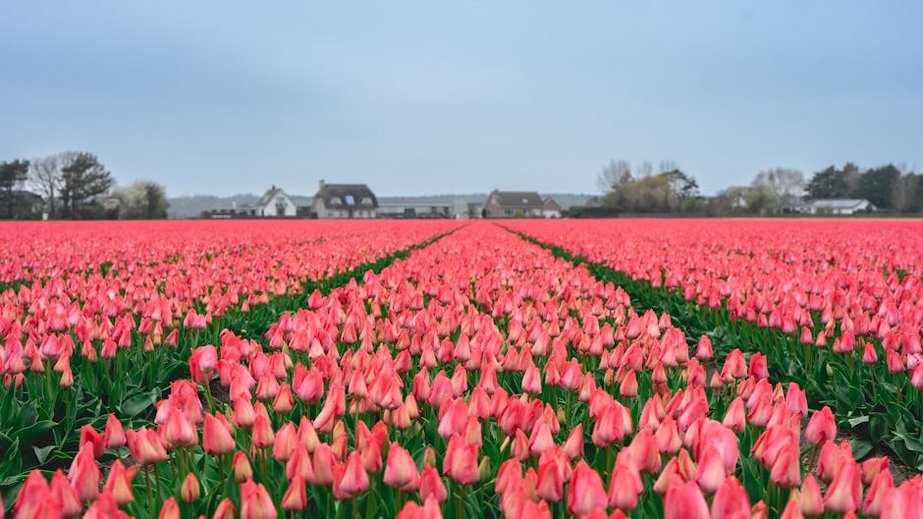
The iconic Dutch tulip fields represent a major cultural and economic force, with the country producing billions of bulbs annually for global export. This floral tradition dates back to the 17th-century Tulip Mania, when single bulbs could cost more than a house. Today, the spring bloom draws over a million visitors who travel to see the colorful striped patterns across the province of Flevoland and the famous Keukenhof Gardens.
Modern tulip cultivation in the Netherlands focuses on two primary displays: the vast agricultural fields and the meticulously designed exhibition gardens. The flower fields are primarily working farms, with rows of blooms destined for the bulb market. Meanwhile, gardens like Keukenhof are purpose-built for tourism, showcasing intricate designs and rare hybrid varieties. Understanding this distinction helps you manage expectations for your floral tour.
Key Regions for Tulip Viewing
While blooms appear across the country, several regions offer exceptional viewing experiences.
- Noordoostpolder (Flevoland): Home to the longest tulip route in the Netherlands, this area features vast, uninterrupted fields where you can cycle or drive past endless rows of color. The Tulip Festival Flevoland organizes mapped routes each April.
- Bollenstreek (Bulb Region): The classic area between Haarlem and Leiden, easily accessible from Amsterdam. This region includes the world-famous Keukenhof Gardens and traditional flower auction at Aalsmeer.
- Kop van Noord-Holland: A less crowded alternative north of Amsterdam, featuring expansive fields near the coastal towns of Schagen and Anna Paulowna. This area offers a more authentic, rural experience away from major tour groups.
- Budget Traveler ($1,200-$1,800): Stay in hostels or budget hotels outside Amsterdam, use regional trains and bicycles for transport, purchase Keukenhof tickets online in advance (€19), and focus on free field viewing. Cook your own meals using market ingredients to significantly reduce food costs while still enjoying the floral displays.
- Mid-Range Traveler ($2,000-$2,800): Book comfortable hotels in Haarlem or Leiden, rent a car for 2-3 days to explore flower routes independently, enjoy restaurant meals, and join one guided tour. This budget allows for Keukenhof visits plus organized bike tours through the Bulb Region with proper equipment and route guidance.
- Luxury Experience ($3,000-$3,500+): Stay at boutique hotels or converted farmhouses within the flower regions, hire a private guide with transportation, enjoy fine dining, and take specialty photography workshops. This tier includes exclusive early-access tours to gardens, private flower arranging sessions, and visits to grower auctions not open to general public.
- Keukenhof Gardens Official Website
- Netherlands Tourism Board – Tulip Fields
The Bloom Cycle and Flower Types
The spring floral display follows a predictable sequence, beginning with crocuses and daffodils in late March. Tulips typically emerge in mid-April, with early varieties blooming first followed by main-season types. Parrot tulips and double-late varieties often peak in early May. This staggered blooming means you’ll see different flowers depending on your exact travel dates within the spring window.
Beyond common tulips, Dutch growers cultivate specialized varieties including fringed, lily-flowered, and Rembrandt tulips with flame-like patterns. The bloom cycle lasts approximately three weeks for most varieties under normal weather conditions. Warm, sunny spring days accelerate growth, while cooler temperatures prolong the flowering period, giving you a slightly wider viewing window.
Climate Factors Affecting Your Visit
Dutch spring weather is notoriously variable, with temperatures ranging from 45°F to 65°F (7°C to 18°C) during peak tulip season. Rainfall averages 2-2.5 inches monthly in April, so waterproof layers are essential. The maritime climate means conditions can change rapidly, requiring flexible daily plans. Morning fog often burns off by midday, creating excellent photographic light in the early afternoon.
Wind is another significant factor, with coastal regions experiencing stronger breezes that can damage delicate petals. Check weekly forecasts as your trip approaches, as a sudden warm spell can accelerate blooming by 5-7 days. Conversely, a late frost can damage early blooms, though farmers employ protective measures for their commercial crops. The most reliable bloom period typically falls between April 15 and May 5 in an average year.
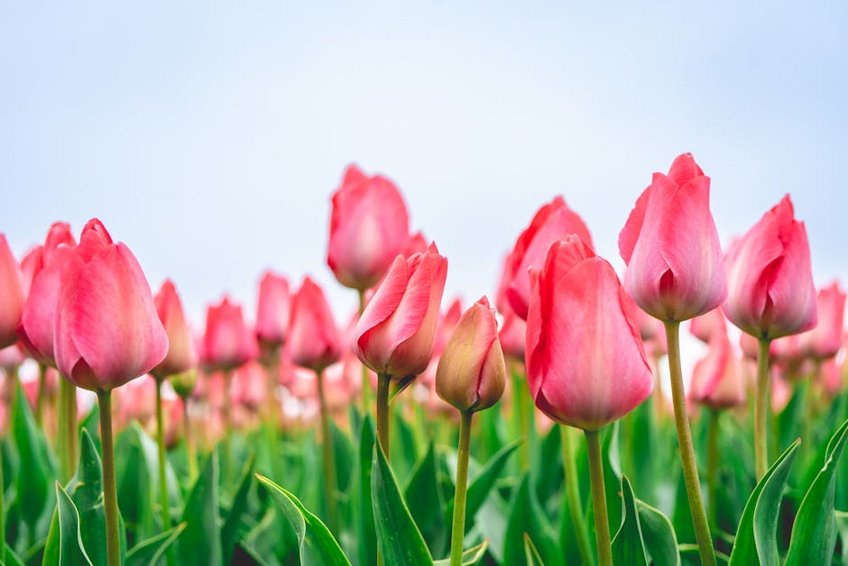
Alt: “dutch-tulip-fields-spring-bloom-colorful-rows-flevoland”
Netherlands Tulip Gardens Best Time – Planning Your Trip
Selecting the ideal time for your Netherlands tulip gardens visit involves balancing bloom probability, crowd levels, and weather conditions. The absolute peak for most tulip varieties occurs during the last two weeks of April, when Keukenhof and the flower fields typically reach maximum color. However, visiting during the shoulder periods of early April or early May can offer good viewing with fewer tourists and better accommodation availability.
Your specific interests should guide your timing. Garden enthusiasts prioritizing Keukenhof’s indoor pavilions and artistic displays will find consistent quality throughout its open season from late March to mid-May. Photographers seeking field shots depend more on outdoor conditions and should target mid-April onward. Always check the official Bloom Watch reports published weekly by Dutch tourism boards starting in late March for current conditions.
Booking flexibility is crucial, as the tulip season’s exact timing shifts annually. Consider a 7-10 day window in April when planning flights and accommodations, allowing you to adjust specific garden visits based on that year’s growth progress. Many tour operators offer free date changes for tulip-focused trips when booked directly, providing valuable flexibility if blooms develop earlier or later than predicted.
Best Time to Visit Dutch Tulip Gardens
The optimal viewing window generally falls between April 15 and May 5, with peak conditions most likely during the final week of April. During this period, daytime temperatures average 55-60°F (13-16°C) with 6-8 hours of daylight. Crowds at major sites like Keukenhof are substantial, especially on weekends and during Dutch school holidays, so weekday visits are strongly recommended for a better experience.
Shoulder seasons offer distinct advantages. Late March to early April features blooming crocuses and daffodils with minimal crowds, though tulip fields remain mostly green. Early May often provides excellent tulip viewing in northern regions and at higher elevations, after peak crowds have diminished. The trade-off involves slightly cooler or warmer temperatures and the risk that some fields may have been harvested if visiting very late in the season.
Budget Planning and Costs
A tulip-focused trip costs between $1,200 and $3,500 per person for a week, excluding international flights.
Essential Preparation Checklist
Begin planning your tulip itinerary 4-6 months in advance, especially if traveling during peak bloom around King’s Day (April 27). Secure accommodations in Haarlem, Leiden, or Lisse by January for April visits, as these towns fill quickly. Book Keukenhof tickets online at least two weeks ahead to guarantee entry and avoid long queues at the entrance.
Pack waterproof walking shoes, layered clothing for changeable spring weather, and a quality rain jacket. Photography essentials include a polarizing filter to reduce glare from wet petals and a lightweight tripod for early morning shots. Download the Tulip Festival Netherlands app for current bloom maps and cycling route updates, and carry both cash and cards as some rural field cafes only accept local payment methods.
Top Gardens and Viewing Experiences
The Netherlands offers diverse tulip viewing experiences beyond the famous Keukenhof Gardens. Each major garden presents unique design philosophies, from historical estates with period planting schemes to contemporary displays showcasing innovative breeding techniques. Your itinerary should mix these formal gardens with the spontaneous beauty of the agricultural fields to appreciate the full spectrum of Dutch floral culture.
Many visitors overlook smaller estate gardens that offer intimate settings without massive crowds. Gardens like Hortus Bulborum in Limmen preserve historical tulip varieties no longer grown commercially, while the gardens at Castle Keukenhof provide Renaissance-era context. Combining 2-3 formal gardens with field viewing days creates a balanced experience that educates and inspires throughout your stay.
Must-See Highlights
Keukenhof Gardens deserves its reputation, featuring 7 million bulbs across 79 acres with 800 tulip varieties. Visit on weekday mornings right at opening (8:00 AM) to experience the grounds before tour groups arrive. The indoor pavilions showcase orchids, roses, and rare specimens regardless of outdoor weather, making this a reliable destination throughout the season. Advance online tickets cost €19 versus €21 at the gate.
The Flower Parade (Bloemencorso) on April 20, 2024, features extravagant floats decorated entirely with flowers traveling from Noordwijk to Haarlem. Secure viewing spots along the route by 9:00 AM for the 3:30 PM procession. For field viewing, the Tulip Experience Amsterdam offers a working farm with photo platforms and picking gardens, while the Black Tulip Museum in Lisse details the flower’s fascinating history through interactive exhibits.
Hidden Gems and Local Favorites
De Tulperij in Voorhout offers guided tractor tours through active growing fields with optional bulb purchasing, providing authentic farmer perspectives. Their on-site cafe serves traditional Dutch apple pie amidst the blooms. For a unique perspective, visit the floating tulip fields at De Zeven Deugden near Alkmaar, where flowers grow on reclaimed lake beds using traditional polder farming techniques.
Local cyclists favor the routes around the Anna Paulowna polder, where wide dike roads provide elevated views over colorful geometric patterns. The small town of Hillegom maintains several free public gardens less known to international tourists, perfect for quiet contemplation. For evening visits, some farms near Lisse offer “night blooming” experiences with artistic lighting installations on select weekends in late April.
Photography Tips for Stunning Images
Optimal photography conditions occur during the “golden hours”—the first two hours after sunrise and before sunset—when low-angle light enhances colors and textures. Use a wide-angle lens (16-35mm) for vast field panoramas and a macro lens (100mm) for detailed individual flower portraits. A polarizing filter reduces reflections from morning dew and intensifies color saturation in your tulip field compositions.
Respect farm boundaries by staying on designated paths and never walking into the fields unless explicitly permitted. Many farmers create photo platforms or marked pathways specifically for visitors. Drones are generally prohibited over private farmland without permission. For unique perspectives, visit the Kukenhof windmill for elevated views or focus on reflective shots in the region’s many canals that border the colorful fields.
Practical Travel Information
Navigating the tulip regions requires understanding the Netherlands’ excellent but nuanced transportation network. Amsterdam Airport Schiphol (AMS) serves as the main international gateway, with direct train connections to Haarlem (15 minutes), Leiden (20 minutes), and Lisse (via bus). Renting a car provides maximum flexibility for field viewing, though parking at Keukenhof costs €6 and fills quickly during peak hours.
Accommodation options range from Amsterdam-based hotels with day trips to countryside bed-and-breakfasts immersed in the floral landscape. Staying in Haarlem or Leiden positions you closer to the primary viewing regions while offering charming historic centers with quality dining. For authentic experiences, consider farm stays (boerderij) in Flevoland or North Holland, where you’ll wake up surrounded by blooming fields.
| Accommodation Type | Best Locations & Features | Price Range (USD per night) |
|---|---|---|
| City Hotel | Haarlem or Leiden centers, easy train access, breakfast included | $120-$220 |
| Countryside B&B | Farms in Flevoland, rural setting, homemade meals, bike rental | $90-$160 |
| Amsterdam Base | Near Centraal Station, day trip options, wider dining choices | $150-$300 |
| Luxury Boutique | Castle hotels near Lisse, spa facilities, private garden access | $250-$450 |