

Morocco Marrakech Almond Trees: Witness the Magical Pink Bloom
Travelers seeking a unique natural spectacle should plan a journey to see the Morocco Marrakech almond trees in full blossom. Each late winter, the arid landscapes surrounding the Red City transform into seas of delicate pink and white flowers, creating a stunning contrast against the ochre earth and snow-capped High Atlas mountains. This guide details the optimal viewing times, the best valleys to explore, and how to weave this floral phenomenon into an unforgettable Moroccan adventure.
Essential Valley of Almonds Information
The almond blossom period around Marrakech is a celebrated seasonal event marking the arrival of spring in the region. The bloom typically occurs from late January through mid-March, with peak viewing often in February. This timing depends heavily on winter rainfall and altitude, creating a moving floral wave across different valleys.
Historically, almond cultivation has been vital in these semi-arid areas for centuries, providing a crucial crop for local Berber communities. The trees are not just decorative but represent livelihood and traditional agriculture. Visiting during the bloom offers a beautiful insight into this cycle of life and harvest in the Moroccan countryside.
Understanding the Almond Blossom Season
The flowering window is relatively short and weather-dependent.
- The bloom progresses from lower, warmer valleys (around 300m altitude) in late January to higher, cooler areas (above 1000m) by early March.
- Daytime temperatures during this period range from 60-75°F (15-24°C), while nights can drop to 40-50°F (4-10°C).
- Adequate winter rain is essential; a dry season can lead to a less vibrant or shorter bloom, making annual predictions somewhat variable.
- Budget: Join a shared group day-trip from Marrakech ($25-$40 per person) covering Ourika Valley highlights, including bloom viewpoints. This includes transport and a guide but offers limited time for in-depth exploration.
- Mid-Range: Hire a private driver-guide for a day ($80-$120 total) for flexibility to stop at multiple valleys and hidden orchards. Add lunch at a riverside restaurant ($10-$15 per person).
- Luxury: Book a boutique riad in the Ourika or Ouirgane Valley for 1-2 nights ($150-$300 per night) to experience the bloom at dawn and dusk. Include a private guided hike through the orchards with a photographer ($150-$200).
- Moroccan National Tourist Office (ONMT)
- Lonely Planet Morocco Travel Guide
Key Locations for Almond Tree Viewing
The most famous concentration is in the Ourika Valley, specifically around the village of Tafza. This area, about an hour’s drive southeast of Marrakech, features terraced orchards clinging to hillsides. The contrast between the pink flowers, red clay buildings, and flowing river is particularly photogenic.
For a less crowded experience, head to the Imlil Valley or the foothills near Ouirgane. These higher altitude locations bloom slightly later. The journey itself through the winding mountain roads, with sudden vistas of blossoming orchards, is a significant part of the adventure.
The Cultural Significance of the Bloom
The annual flowering is more than a tourist attraction; it’s a community symbol. Local Berber families often tend to small orchards passed down through generations. The almonds themselves are used in Moroccan cuisine, from *amlou* (a sweet dip) to garnishes for tagines and pastries.
In some villages, the blossoming trees signal the beginning of preparation for the upcoming harvest in late summer. Observing this connection between landscape, culture, and agriculture adds profound depth to your visit beyond the initial visual spectacle.
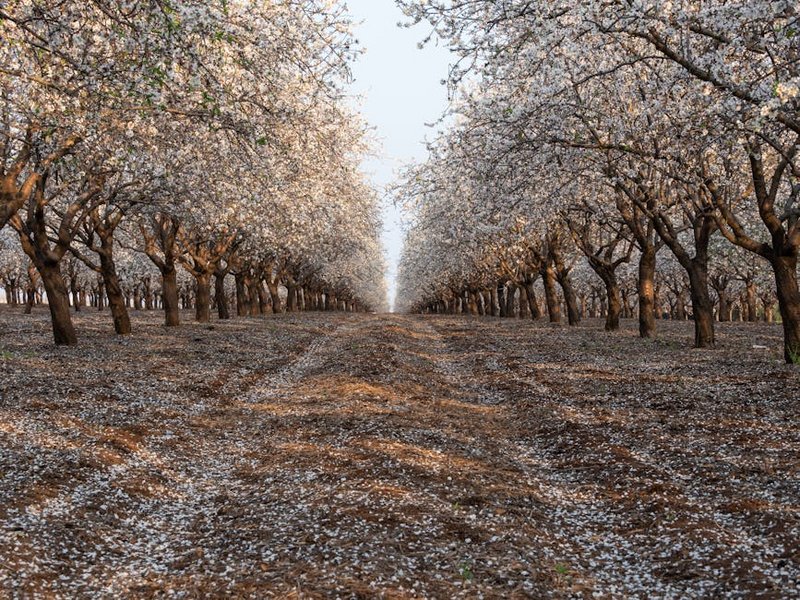
Alt: “ourika-valley-almond-blossom-pink-flowers-against-atlas-mountains”
Morocco Marrakech Almond Trees – Planning Your Trip
Successfully experiencing the almond blossom hinges on precise timing and local knowledge. Since the peak bloom lasts only 2-3 weeks in any given location, flexibility in your travel dates increases your chances of optimal viewing. Monitor regional weather reports in the months leading up to your trip for rainfall patterns.
Your budget should account for guided excursions, as having a driver-guide familiar with the backroads and current bloom status is invaluable. Independent exploration is possible with a rental car, but navigating the mountain passes and unmarked orchard paths benefits greatly from local assistance. Allocate at least one full day for this experience outside Marrakech.
Best Time to Visit for the Almond Bloom
The prime window is generally the first three weeks of February. During this period, temperatures are mild, averaging 65°F (18°C) during the day. The Ourika Valley typically peaks in early February, while Imlil and Ouirgane may hit their stride in late February or early March.
Weekends see more local visitors, so aim for a weekday excursion for quieter orchards. Early morning light provides the best photography conditions, with soft illumination on the flowers and fewer shadows. By late March, the petals begin to fall, making way for green leaves and the developing almond fruit.
Budget Planning and Costs
Costs vary based on your travel style and group size.
Essential Preparation Checklist
Pack layers, including a warm fleece or jacket for morning mountain air and a lighter layer for midday sun. Sturdy, comfortable walking shoes are essential for navigating uneven orchard paths and terraces. Don’t forget sunglasses, sunscreen, and a wide-brimmed hat for protection.
Ensure your travel insurance covers any planned light hiking. While visas aren’t required for short stays for US/EU passport holders, ensure your passport is valid for six months beyond your entry date. Book your accommodation and any guided services several weeks in advance if traveling during peak bloom weeks.
Top Attractions and Blossom Activities
While the flowering trees are the main event, the valleys offer complementary experiences that enrich your visit. The Ourika Valley, for instance, features traditional Berber villages, vibrant weekly souks, and scenic waterfalls. Combining these elements creates a full and rewarding day trip from the city.
Consider visiting a women’s argan oil cooperative to see another aspect of local agriculture. Many are located along the same routes as the almond orchards. This provides cultural balance and supports community-based tourism initiatives directly.
Must-See Highlights
The Tafza area in Ourika Valley offers the most accessible and photogenic concentrations of ancient almond trees. The terraced gardens here, often with the sound of the Ourika River below, provide iconic photo opportunities. Visit in the late afternoon for warm golden-hour light on the pink petals.
Setti Fatma, further up the Ourika Valley, is known for its waterfalls and cafes with views over blossoming groves. The hike to the first waterfall takes about 30 minutes and rewards you with elevated vistas. The Imlil Valley, gateway to Mount Toubkal, offers a backdrop of North Africa’s highest peak behind the delicate flowers.
Hidden Gems and Local Favorites
Venture to the smaller village of Aghbalou in the foothills for a truly authentic experience. The orchards here are worked by local families, and you’re less likely to encounter tourist groups. Always ask for permission before walking through private orchards, often granted with a smile.
For a different perspective, some local guides can arrange a short mule trek through the orchards in the Imlil area. This allows access to higher terraces with panoramic views. Inquire about the timing of the weekly *souk* (market) in Asni, where the atmosphere is festive and you can sample fresh local almonds.
Photography Tips for the Bloom
Use a polarizing filter to manage glare and enhance the blue of the sky against the pink flowers. A zoom lens (70-200mm) is excellent for compressing layers of blossoms and capturing intimate floral details. For wide landscape shots that include the valley context, a 24-70mm lens is ideal.
The best light occurs in the two hours after sunrise and before sunset. During harsh midday sun, focus on close-up macro shots or seek shaded areas. Including elements like a traditional Berber door, a worn agricultural tool, or a local farmer in the frame adds narrative and scale to your images.
Practical Travel Information
Marrakech serves as the perfect base for exploring the almond valleys. The city’s Menara Airport (RAK) has direct flights from many European cities and connecting flights worldwide. Renting a car is an option, but navigating the mountain passes and finding specific orchards is easier with a hired local driver.
Accommodation ranges from luxurious palatial riads within the Marrakech medina to charming, simple guesthouses in the valleys themselves. Staying in the valley allows for early morning exploration but limits evening dining and entertainment options compared to the city.
| Travel Category | Options & Features | Price Range (USD) |
|---|---|---|
| Valley Day Trip | Private car with driver-guide, 8-10 hours, flexible stops | $80 – $150 |
| Valley Accommodation | Boutique guesthouse with mountain view, breakfast included | $70 – $180 / night |
| Marrakech Accommodation | Central riad hotel with courtyard pool & traditional decor | $50 – $300 / night |
| Regional Flight | Round-trip from European hub to Marrakech (RAK) | $300 – $700 |



