Mauritius Tea Harvest Period: A Traveler’s Guide to the Fields
Witnessing the Mauritius tea harvest period offers a unique window into the island’s agricultural heritage and stunning landscapes. This seasonal activity provides visitors with an authentic cultural experience beyond the typical beaches, connecting you to the rhythms of local life. This guide details the best times to visit tea plantations, what to expect during harvesting, and how to plan an immersive trip into the heart of Mauritius’s verdant highlands.
The Essence of Mauritian Tea
Mauritius has a rich history of tea cultivation dating back to the 18th century when French colonists first introduced the plant. Today, the industry is centered in the island’s central plateau, where cooler temperatures and volcanic soil create ideal growing conditions. While smaller in scale than giants like Kenya or India, Mauritian tea is prized for its unique, delicate flavor profile.
The island’s tea culture is an integral part of its social and economic fabric. Visiting during the active harvesting season allows you to see the entire process, from leaf picking to factory processing. It’s a hands-on way to understand a key part of the nation’s identity.
Bois Chéri: The Premier Tea Estate
Bois Chéri is the largest and most famous tea plantation on the island, established in 1892. A visit here is essential for understanding the local tea industry. The estate offers comprehensive tours that include the factory, museum, and a tasting session with panoramic views.
- The guided factory tour explains the withering, rolling, fermenting, drying, and sorting processes clearly. You’ll see vintage machinery alongside modern equipment used in tea production.
- At the museum, you can explore the history of tea in Mauritius through photographs, tools, and historical documents. It provides crucial context for your visit to the fields.
- Conclude your visit at the panoramic restaurant with a tasting of their signature vanilla tea. The view over the reservoir and plantation is spectacular, especially in the late afternoon light.
- Budget travelers can join a standard group tour for around $15-$25 per person, including factory access and a basic tasting. Use public buses from Port Louis or Curepipe to reach the plantations, costing under $2 each way. Focus on free exploration of the plantation grounds after the tour.
- Mid-range visitors should budget $40-$60 for a private guided tour with a more in-depth factory explanation and extended tasting of premium teas. Renting a car for a day ($35-$50) provides flexibility to visit multiple estates. Include lunch at a plantation restaurant for about $15-$20 per person.
- A luxury experience includes a privately chauffeured tour from your hotel ($150+), a “Tea Master” private tasting session ($50-$80), and a gourmet lunch paired with teas. Stay overnight at a boutique guesthouse near the plantations like Domaine des Aubineaux for a fully immersive experience.
- Mauritius Attractions – Official Bois Chéri Information
- BBC Travel – The Hidden Tea Trail of Mauritius
Key Tea Varieties Grown
Mauritius primarily produces black tea, known for its light, aromatic qualities without excessive bitterness. The most common product is the Broken Pekoe grade, used in many local blends. However, estates have diversified their offerings significantly in recent years.
You can now find flavored teas like vanilla, coconut, and tropical fruit infusions alongside traditional black. Green tea production is also increasing to meet global demand. The limited single-estate batches offer the purest taste of the island’s unique terroir.
The Harvesting Process Explained
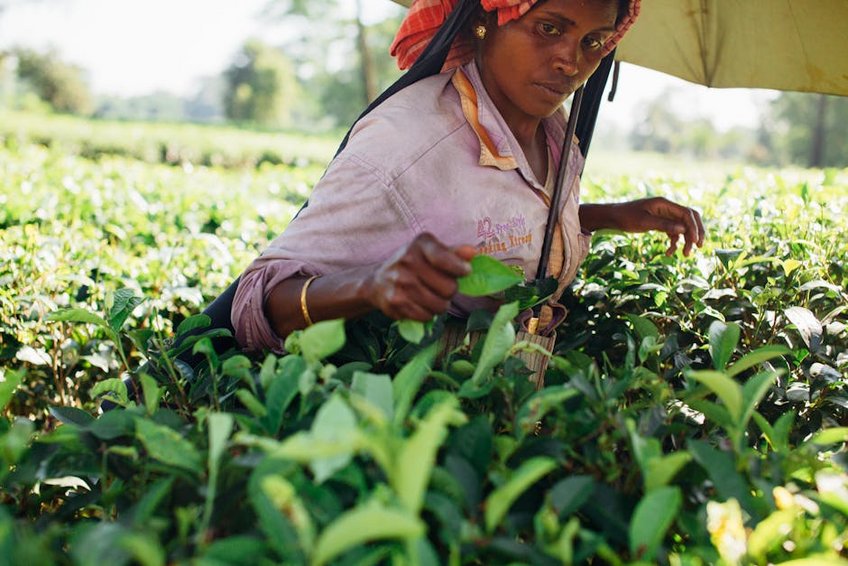
Tea harvesting here is predominantly done by hand, ensuring only the top two leaves and a bud are picked for premium quality. Workers carry large baskets on their backs, moving methodically through the rows of waist-high tea bushes. This skilled labor is central to producing high-grade leaves.
The pace of picking is steady and rhythmic, a practice that has changed little over generations. After collection, the fresh leaves are transported quickly to the on-site factory for processing. Seeing this human element connects you directly to the product in your cup.
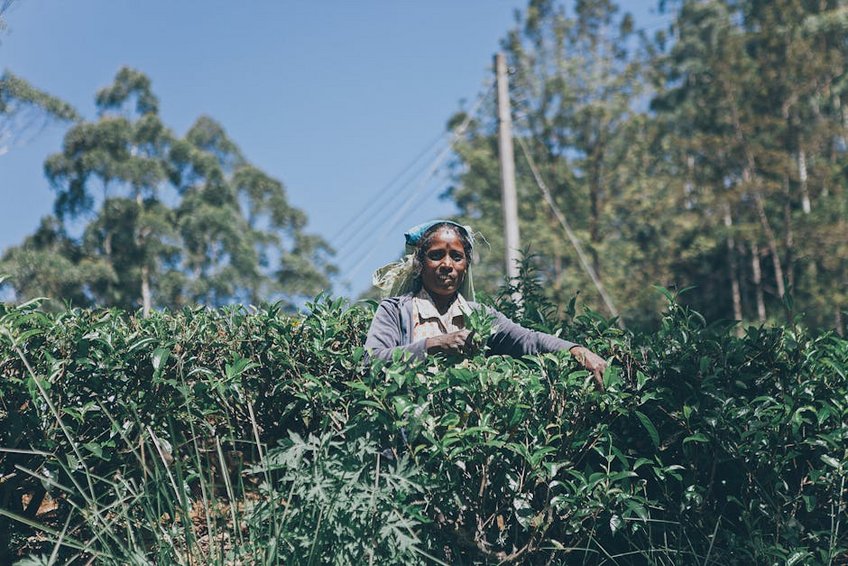
Alt: “bois-cheri-tea-plantation-mauritius-harvest-workers”
Mauritius Tea Harvest Period – Planning Your Trip
Timing your visit correctly is the single most important factor for experiencing the Mauritius tea harvest period. The prime harvesting season runs from the end of October through early April, coinciding with the Southern Hemisphere’s warmer, wetter months. This period sees the most active plucking in the fields and full factory operations.
Planning a visit during these months ensures you’ll witness the complete cycle from field to cup. You should book plantation tours at least a week in advance, especially if visiting popular estates like Bois Chéri. Accommodation in the Central Plateau region, like in Curepipe or Moka, provides the most convenient access.
The weather during harvest season is warm and humid, with frequent short afternoon showers. Mornings are typically sunny and clear, making them ideal for outdoor field visits. Always carry a light rain jacket and wear sturdy, closed-toe shoes suitable for muddy terrain.
Best Time to Visit Tea Plantations
The absolute peak of the Mauritius tea harvest period occurs between December and March. Daytime temperatures range from 77°F to 86°F (25°C to 30°C) with high humidity and regular rainfall that promotes leaf growth. This is when you’ll see the most workers in the fields and factories operating at full capacity.
For slightly cooler and less crowded conditions, target the shoulder months of late October, November, or April. Harvesting still occurs actively, but tourist numbers are lower. Avoid May through September, as this is the dormant season with minimal to no harvesting activity, though factory tours may still run.
Budget Planning and Costs
A tea-focused visit can fit various budgets, with costs centered on tours, transportation, and tasting experiences.
Essential Preparation Checklist
Pack comfortable clothing that you don’t mind getting dusty or muddy, including long pants to protect your legs from bushes. A wide-brimmed hat, sunglasses, and high-SPF sunscreen are mandatory for field walks. Bring a reusable water bottle to stay hydrated during outdoor portions of the tour.
Ensure you have cash (Mauritian Rupees) for purchasing tea and small souvenirs at estate shops, as credit cards are not always accepted. Book your tour directly through the plantation’s official website or a reputable local tour operator. Check if your tour requires reservations for the factory segment, as this is often mandatory.
Top Plantations and Cultural Experiences
Beyond Bois Chéri, several other estates offer distinct experiences for tea enthusiasts. The Domaine des Aubineaux, a colonial house surrounded by tea fields, offers historical tours and tea tasting in a magnificent setting. Saint Aubin, a former sugar estate that now produces tea and rum, provides a fascinating comparative agricultural tour.
These locations showcase how tea cultivation intertwines with the island’s broader history. Visiting multiple estates allows you to appreciate subtle differences in flavor and processing techniques. Each offers a unique perspective on the island’s landscape and heritage.
Must-See Highlights
No visit is complete without the Bois Chéri factory tour, operating daily from 9 AM to 5 PM. The one-hour tour costs about $10 USD and demonstrates the full manufacturing process. Time your visit for a weekday morning to see the machinery in active use as fresh leaves arrive from the fields.
The Tea Museum at Bois Chéri, included in the tour price, houses an impressive collection of vintage tea-making equipment. At Domaine des Aubineaux, focus on the guided tour of the 19th-century colonial house and its gardens. The tea tasting here occurs on a beautiful veranda overlooking the property.
Hidden Gems and Local Favorites
For a less commercial experience, seek out smaller, family-run tea gardens in the villages around Curepipe. These often welcome visitors for informal tastings and sales directly from their packaging facility. You’ll need to ask locally for directions, as they are rarely advertised online.
In Curepipe town, visit the Central Market early in the morning to find vendors selling fresh, loose-leaf tea directly from local smallholders. This is where Mauritian families buy their everyday tea, and prices are significantly lower than at estate gift shops. Engaging with vendors can yield fascinating stories about local cultivation.
Combining Tea with Other Highland Activities
The tea plantations are located in Mauritius’s most scenic and activity-rich region. Pair your tea estate visit with a hike in the Black River Gorges National Park, just a short drive away. The park offers stunning viewpoints like the Alexandra Falls lookout, which often overlooks verdant valleys dotted with tea bushes.
Alternatively, visit the Grand Bassin sacred lake, a important Hindu site, or the charming town of Curepipe for shopping and colonial architecture. This makes for a full and diverse day exploring the cultural and natural heart of the island beyond the coast.
Practical Travel Information
Getting to the tea plantations requires some planning, as they are located inland. Sir Seewoosagur Ramgoolam International Airport (MRU) is on the east coast, about a 90-minute drive from the central tea region. Most visitors base themselves in coastal resorts and take a day trip inland, which is entirely feasible.
Accommodation in the highlands themselves is limited but offers a more authentic and tranquil experience. Options range from historic colonial mansions turned into guesthouses to modern boutique hotels. Staying inland allows for early morning visits to the plantations when the light is beautiful and the air is fresh.
| Accommodation Type | Location & Features | Price Range (USD/Night) |
|---|---|---|
| Highland Guesthouse | Curepipe/Moka area, historic building, breakfast included, tea garden views | $70 – $120 |
| Coastal Resort Day Trip | $150 – $250 (for transport+tour) | |
| Plantation Stay | Domaine des Aubineaux, luxury suite in colonial house, gourmet dinner included | $200 – $350 |
| Self-Drive Budget | Rental car from airport ($35/day), budget hotel in Quatre Bornes ($50/night) | $85 – $100 (per day total) |