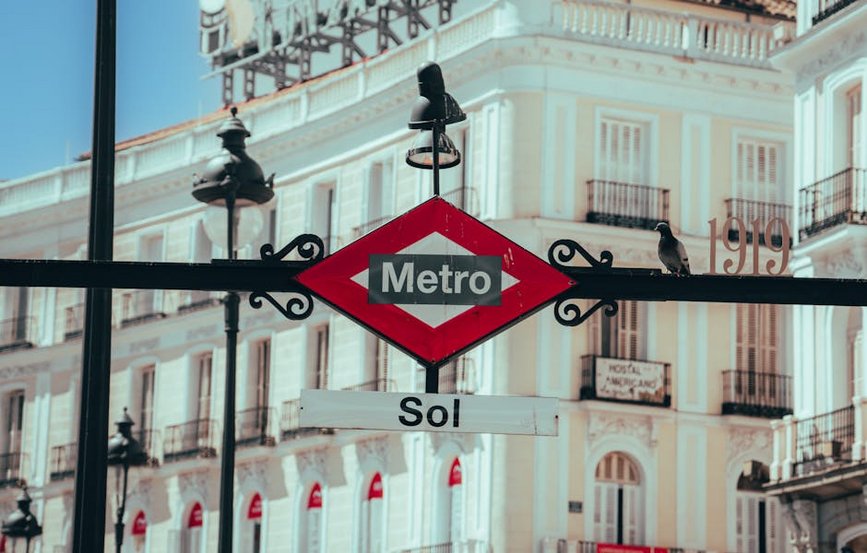
Madrid Travel Guide: Your Essential Handbook to Spain’s Vibrant Capital
Planning your first trip to Spain’s energetic heart requires a trusted resource to navigate its grand boulevards, world-class art, and lively plazas. This Madrid travel guide provides the actionable details you need, from securing timed museum tickets to finding authentic tapas bars away from the tourist crowds. We’ll cover seasonal timing, neighborhood specifics, budget options, and cultural etiquette to ensure your visit is both immersive and seamless.
Essential Madrid Information
Madrid sits at the geographical center of Spain on a high plateau over 650 meters (2,130 feet) above sea level. This elevation gives the city a continental climate with hot, dry summers and surprisingly crisp winters. Founded in the 9th century as a Moorish fortress, the city became Spain’s capital in 1561 under King Philip II, cementing its political and cultural importance.
The city’s layout radiates from the iconic Puerta del Sol, considered Spain’s symbolic center point. Major landmarks like the Royal Palace and Prado Museum are concentrated in the central districts, easily walkable for visitors. Understanding this centralized geography helps you plan efficient daily itineraries without excessive commuting.
Key Facts and Figures
Before you arrive, these core details will assist your planning.
- Madrid’s population exceeds 3.2 million in the city proper, making it the third-largest city in the European Union after Berlin and Paris, with a metropolitan area nearing 6.8 million residents.
- The local currency is the Euro (€), and while credit cards are widely accepted, many traditional markets and smaller tapas bars operate primarily with cash, so always carry some euros.
- Spain observes Central European Time (CET), which is UTC+1, and shifts to Central European Summer Time (UTC+2) from late March to late October, aligning with most Western European countries.
- Budget travelers can manage on $60-$90 per day by staying in hostels or budget hotels ($30-$50), enjoying menu del día lunch specials ($12-$15), using the metro, and visiting free museums on certain evenings.
- Mid-range visitors spending $120-$200 daily secure comfortable boutique hotels in central areas ($80-$120), dine at a mix of casual and mid-tier restaurants, take occasional taxis, and pre-book all major attraction tickets.
- A luxury experience from $300+ per day includes five-star hotels like The Principal or Four Seasons, fine dining at Michelin-starred venues such as DiverXO, private guided tours, and premium seating at flamenco shows.
- Official Madrid Tourism Board
- Madrid Metro Official Website
Language and Local Customs
Spanish (Castellano) is the official language, and while English is common in tourist hubs, learning basic phrases is appreciated. Greet shopkeepers with “buenos días” (good morning) or “hola” (hello). Dinner starts late, typically after 9:00 PM, and the afternoon siesta period from 2:00 PM to 5:00 PM sees many smaller shops closing.
Madrileños are known for their outgoing and vibrant street life. Joining the evening paseo, or stroll, through neighborhoods like Malasaña or La Latina is a cherished local ritual. Tipping is not obligatory as servers earn a full wage, but leaving 5-10% for exceptional service in sit-down restaurants is a generous gesture.
City Layout and Neighborhoods
The city center is divided into distinct barrios, each with a unique personality. Sol and Centro house major historic sites and bustling plazas. Just west, the upscale Salamanca district is famed for designer shopping along Calle Serrano. For trendy boutiques and nightlife, head north to Chueca and Malasaña.
South of the center, the artistic Lavapiés offers a multicultural vibe and eclectic eateries. Retiro, adjacent to the famous park, provides a quieter, residential feel. Choosing your base neighborhood significantly impacts your daily experience, from morning coffee to evening tapas crawls.
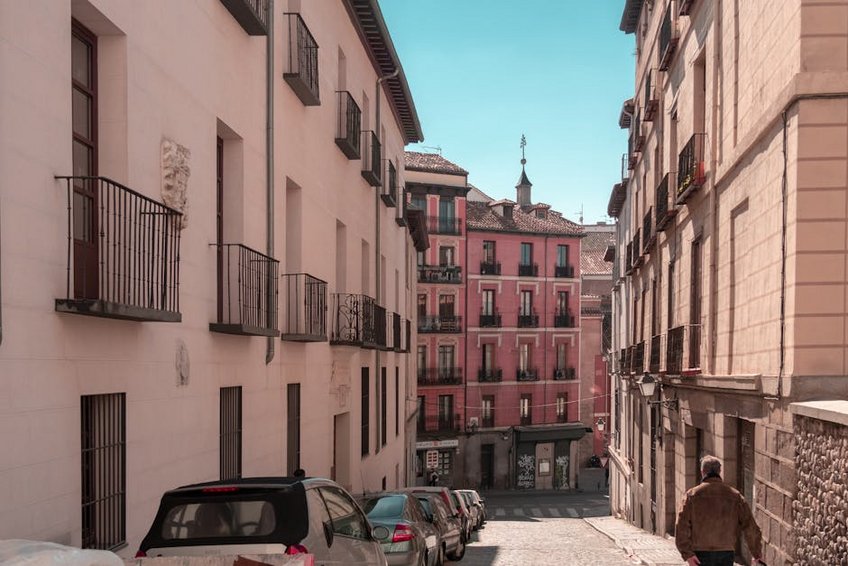
Alt: “madrid-puerta-del-sol-plaza-historic-architecture”
Madrid Travel Guide – Planning Your Trip
Crafting the perfect itinerary for Spain’s capital involves balancing iconic sights with local immersion. Your Madrid travel guide strategy should account for museum opening days, reservation requirements, and the city’s energetic rhythm. Pre-booking tickets for major attractions like the Prado and Royal Palace is non-negotiable during peak seasons to avoid hours-long queues.
Allocate your time between art, history, food, and simple relaxation in the city’s beautiful parks. A well-paced five-day visit allows for depth without rush. Budget-conscious travelers can utilize the city’s excellent public transport and numerous free entry hours at major museums to manage costs effectively while enjoying a full experience.
Best Time to Visit Madrid
The ideal months for a Madrid visit are May, June, September, and October. During these periods, daytime temperatures range from a pleasant 70-80°F (21-27°C) with minimal rainfall. The city buzzes with outdoor cafe life and cultural festivals, yet avoids the intense heat and tourist crowds of midsummer.
July and August see temperatures frequently soaring above 95°F (35°C), making extensive sightseeing challenging, though many residents leave the city. Winter, from December to February, is cold with averages of 35-50°F (2-10°C), but offers fewer crowds and a magical atmosphere around the holiday markets and lights. Spring and fall provide the most comfortable and vibrant conditions.
Budget Planning and Costs
Daily costs vary widely based on your travel style.
Essential Preparation Checklist
Secure your travel documents well in advance. U.S. and E.U. passport holders do not need a visa for tourist stays under 90 days. Ensure your passport is valid for at least three months beyond your planned departure date. Purchase comprehensive travel insurance that covers medical emergencies and trip cancellations.
Pack comfortable walking shoes for cobblestone streets, a versatile jacket for cool evenings, and a power adapter for Type F European sockets. Download offline maps and the official Madrid Metro app. Book your top-priority museum tickets and a flamenco show at least one month before arrival, especially for weekend dates or travel in high season.
Top Attractions and Cultural Landmarks
The Spanish capital’s art triangle is world-renowned. The Prado Museum houses masterpieces by Goya, Velázquez, and El Greco. The Reina Sofía is home to Picasso’s monumental ‘Guernica.’ The Thyssen-Bornemisza offers a sweeping survey of Western art. Purchasing a Paseo del Arte pass saves money and time if you plan to visit all three.
Architectural marvels span centuries, from the Habsburg-era Plaza Mayor to the Baroque Royal Palace. The palace’s official rooms and armory require a half-day to appreciate fully. For a green escape, the 350-acre Retiro Park, with its crystal palace and rowboat lake, is an essential respite from urban energy.
Must-See Highlights
The Royal Palace (Palacio Real) is Europe’s largest functioning royal palace by floor area. Tour the stunning State Rooms, Royal Pharmacy, and Armory. Allocate at least two to three hours and book a morning slot online to avoid the biggest crowds. Standard admission is €14.
The Prado Museum demands prioritization. Focus on the Spanish masters on the first floor. Don’t miss Velázquez’s ‘Las Meninas’ in Room 12 and Goya’s ‘The Third of May 1808’ in Rooms 64-65. Free entry hours are 6-8 PM Monday to Saturday and 5-7 PM on Sundays. The Reina Sofía’s highlight is unquestionably Picasso’s ‘Guernica’ on the 2nd floor.
Hidden Gems and Local Favorites
Venture beyond the Golden Triangle to the Sorolla Museum, the beautifully preserved home and studio of the impressionist painter Joaquín Sorolla. The peaceful gardens alone are worth the visit. Similarly, the Museo de Historia de Madrid offers a fascinating, crowd-free deep dive into the city’s evolution within a stunning Baroque building.
For an authentic local market experience, visit Mercado de San Fernando in Lavapiés or Mercado de la Paz in Salamanca. These are where residents shop, offering superb quality produce, cheese, and cured meats without the tourist markup of the more famous Mercado de San Miguel. The Templo de Debod, an ancient Egyptian temple gifted to Spain, provides a stunning, free vantage point for sunset over the city.
Experiencing Flamenco and Nightlife
For authentic flamenco, seek out tablaos like Corral de la Morería or Cardamomo for professional shows. While pricier (around €40-€50 with a drink), they guarantee high-quality performances. For a more casual, local vibe, peñas (flamenco clubs) in neighborhoods like Lavapiés may offer cheaper or even free entry.
Madrid’s nightlife is legendary and late. The action starts with pre-drinks around 11 PM, moves to clubs after 1 AM, and often continues until dawn. The main nightlife zones include the sprawling terraces of Alonso Martínez, the indie bars of Malasaña, and the upscale cocktail lounges in Chueca. Pace yourself and embrace the local timetable.
Practical Travel and Logistics
Navigating the city is straightforward thanks to an efficient and affordable public transport network. The Madrid Metro is extensive, clean, and runs from 6 AM to 1:30 AM. For unlimited travel, consider a tourist travel pass or a multi-journey MetroBus ticket (10 rides for €12.20), which is shareable and valid on both metro and bus lines.
Accommodation choices range from hostels in Sol to luxury hotels in Salamanca. For first-time visitors, staying within the central districts bounded by the M-30 ring road ensures most attractions are within a 30-minute walk or a short metro ride. Book at least three months in advance for peak season stays to secure the best rates and locations.
| Travel Style | Best Neighborhoods | Average Nightly Rate (USD) |
|---|---|---|
| First-Time/Budget | Sol, Centro, Huertas | $80 – $150 |
| Luxury/Shopping | Salamanca, Barrio de las Letras | $250 – $500+ |
| Nightlife/Trendy | Malasaña, Chueca, La Latina | $100 – $200 |
| Local/Residential | Retiro, Chamberí, Lavapiés | $90 – $180 |