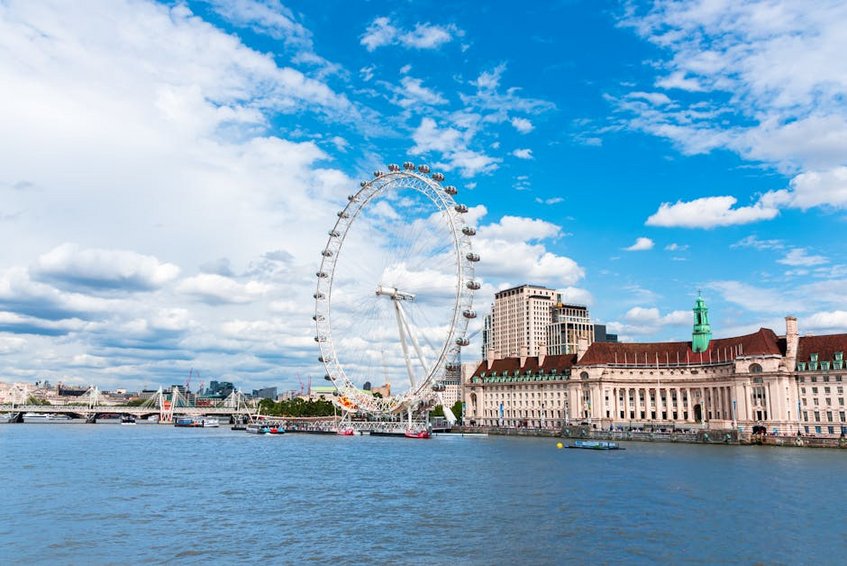
London Travel Guide: Planning Your Visit to the UK Capital
This London Travel Guide provides essential insights for navigating one of the world’s most dynamic cities. You will discover practical advice on everything from mastering the Tube to finding the best value for your budget across different neighborhoods. This guide covers top attractions, seasonal strategies, and local dining to help you craft an efficient and memorable itinerary.
Essential Information About London
London serves as the United Kingdom’s sprawling capital, a global hub blending centuries of history with cutting-edge culture. The city is divided into 32 boroughs, with central districts like Westminster, Camden, and Kensington hosting most major landmarks. Its population exceeds nine million, creating a vibrant, fast-paced atmosphere that welcomes over 30 million visitors annually.
The River Thames flows through the city’s heart, providing a natural landmark and dividing North and South London. The city’s history stretches back to Roman times, with visible layers from the Medieval, Tudor, Georgian, and Victorian eras. Modern London continues to evolve, marked by contemporary architectural icons like The Shard standing beside ancient structures.
Key Facts and Figures
Understanding some core details will help you navigate the UK capital more effectively.
- Currency is the British Pound Sterling (£); contactless card payments are widely accepted, but carrying some cash is wise for markets and smaller vendors.
- The city operates on Greenwich Mean Time (GMT) and British Summer Time (BST), which is GMT+1 from late March to late October, affecting daylight hours for sightseeing.
- English is the primary language, and the electrical system uses 230V with Type G plugs, requiring an adapter for most US and EU devices.
- Budget: Approximately $85-120 USD per day. This covers a hostel dorm, supermarket meals, an Oyster card daily cap, and free museums. Look for hostels in Zones 2-3 and use kitchen facilities to save significantly on food costs.
- Mid-Range: Around $180-280 USD per day. This allows for a private hotel room in Zone 2, one main paid attraction daily, casual restaurant meals, and occasional taxi rides. Booking hotels 3-4 months in advance secures the best rates.
- Luxury: $400+ USD per day. This tier includes 4/5-star central hotels, fine dining, private guided tours, premium theatre seats, and convenient Black Cab travel. Consider services like airport transfers for a seamless arrival.
- Official Visit London Tourism Board
- Transport for London (TfL) Official Website
Understanding London’s Layout
Central London is famously compact but dense with attractions, best explored by dividing your days geographically. The West End centers on entertainment and shopping in areas like Soho and Covent Garden. Westminster is home to political landmarks including Parliament and Buckingham Palace.
South of the river, you find cultural hubs like the Southbank Centre and the Tate Modern. North London offers a different vibe with leafy neighborhoods like Hampstead and the bustling markets of Camden. Using the Tube map as your geographical guide is more practical than trying to comprehend street distances.
Cultural Context and Local Life
London thrives on its diversity, with over 300 languages spoken and communities from every corner of the globe. This influences everything from the food scene to neighborhood character. Respect the queue—British people take orderly lining seriously, whether for a bus or a museum exhibit.
The pub remains a central social institution, often family-friendly during the day. Museums and national galleries offer free general admission, a policy that makes world-class art and history accessible to all. The city’s pace is brisk, but Londoners are generally helpful if approached politely.
Alt: “london-skyline-thames-river-big-ben-modern-architecture”
London Travel Guide – Planning Your Trip
Effective planning for a London visit balances advance bookings with flexible exploration. Major attractions like the Tower of London and popular theatre shows require reservations weeks or even months ahead, especially for weekend slots. Conversely, the city’s parks, many museums, and vibrant street markets encourage spontaneous discovery.
Your budget should account for the high cost of central accommodation and dining, but savings exist through Oyster card transit caps, supermarket meal deals, and free walking tours. A well-planned itinerary groups sights by Tube line to minimize backtracking and maximize your time. Consider travel insurance that covers trip interruption, given the potential for flight delays.
Best Time to Visit London
The peak tourist season runs from late May through early September, offering the warmest weather (averages 59-73°F or 15-23°C) and longest days. However, this period brings the largest crowds and highest hotel rates. Major events like Wimbledon in July and the Notting Hill Carnival in August add excitement but require extra planning.
Shoulder seasons—April to early May and late September to October—provide a excellent balance of manageable crowds, milder temperatures (50-64°F / 10-18°C), and often lower prices. Winter (November-February) is cold (38-48°F / 3-9°C) and dark by late afternoon, but features festive Christmas markets, ice rinks, and cozy pub atmospheres with fewer tourists.
Budget Planning and Costs
Daily costs in the UK capital vary dramatically based on your choices.
Essential Preparation Checklist
Pack layers and a waterproof jacket regardless of season, as London weather is famously changeable. Comfortable walking shoes are non-negotiable—you may easily log 8-10 miles daily. Bring a universal power adapter (Type G) and a portable power bank for your phone, essential for navigation and digital tickets.
Ensure your passport is valid for at least six months beyond your trip dates. US and EU citizens do not need a visa for tourist stays under 6 months. Purchase travel insurance that includes medical coverage and notify your bank of your travel plans to avoid card issues. Download Citymapper or the official TfL Go app for real-time transit help.
Top Attractions and Activities
The city’s landmark density means you can see iconic sights within a short distance. Start at Westminster to see the Houses of Parliament, Big Ben, and Westminster Abbey, then walk across Westminster Bridge. On the South Bank, you can visit the London Eye, the SEA LIFE Centre, and stroll along the Thames path towards the Tate Modern and Shakespeare’s Globe.
History buffs must allocate half a day for the Tower of London to see the Crown Jewels and hear the Beefeaters’ tales. Across the river, Tower Bridge offers a fascinating engine room exhibition and glass-floor walkways. For a royal experience, time your visit to see the Changing of the Guard at Buckingham Palace, checking the official schedule for dates.
Must-See Highlights
The British Museum in Bloomsbury houses a staggering collection of global artifacts, including the Rosetta Stone and Egyptian mummies—admission is free. For art, the National Gallery on Trafalgar Square displays masterpieces by Van Gogh, da Vinci, and Turner, also free to enter. Both museums suggest a £5 donation.
For panoramic city views, skip the expensive London Eye and visit the Sky Garden at 20 Fenchurch Street (free but book ahead) or the viewing terrace at Tate Modern (free). A ride on the historic Route 15 Heritage bus gives you a sightseeing tour for the price of a standard bus fare using an Oyster card. Visit St. Paul’s Cathedral early to climb the dome before crowds arrive.
Hidden Gems and Local Favorites
Escape the crowds in Leadenhall Market, a stunning Victorian covered market in the City financial district that featured as Diagon Alley in Harry Potter. For a unique perspective, walk the “Greenwich Foot Tunnel” under the Thames to reach the Royal Observatory and stand on the Prime Meridian Line. The area also offers the historic Cutty Sark ship and a fantastic food market.
Explore Little Venice, a peaceful network of canals and waterways near Paddington, perfect for a quiet walk or a canal boat ride towards Camden. In the evening, seek out a “pub theatre” like The Old Red Lion in Islington for affordable, cutting-edge productions. Visit the Sir John Soane’s Museum in Holborn, the eccentric, packed home of a famous architect, offering a truly unique glimpse into the past.
Markets and Shopping Districts
London’s markets are destinations unto themselves. Borough Market near London Bridge is the premier foodie haven, offering gourmet produce, street food, and artisan goods—go hungry. For vintage clothing, eclectic trinkets, and street food, Camden Market is a sprawling, alternative must-visit. Portobello Road Market in Notting Hill is famous for antiques on Saturdays.
For classic department store shopping, head to Oxford Street, Regent Street, and Carnaby Street. Liberty London is famed for its distinctive Tudor-style building and luxury fabrics. For a more curated, high-end experience, explore the boutiques of Marylebone High Street or Seven Dials in Covent Garden. Remember, you can often claim a VAT refund on larger purchases as a non-EU visitor.
Practical Travel Information
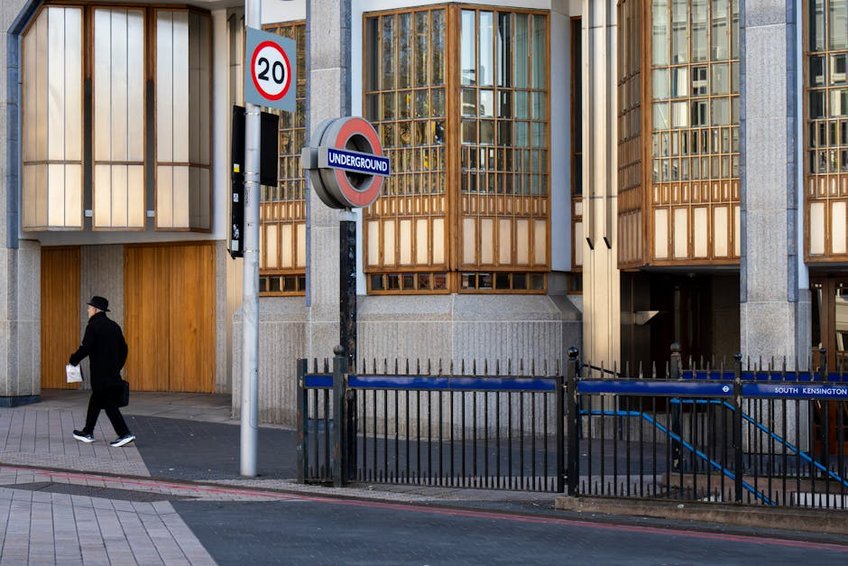
Navigating the city is straightforward with its integrated public transport system, Transport for London (TfL). The London Underground (Tube) is the fastest way to cover longer distances, while buses offer scenic above-ground routes. For payment, use a contactless debit/credit card or an Oyster card—both cap your daily spend, making travel cheaper after a certain number of journeys.
Accommodation prices correlate strongly with proximity to the city centre (Zone 1). Staying in Zones 2 or 3 can offer significantly better value with only a 15-20 minute Tube ride to major sights. Areas like Southwark, Paddington, and Earl’s Court provide excellent transport links. Always check the proximity to a Tube station when booking.
| Category | Options/Features | Price Range (USD) |
|---|---|---|
| Hostel (dorm) | Shared room, communal kitchen, social atmosphere, often includes breakfast. | $35-70 per night |
| Budget Hotel (private) | Small double room, private bathroom, basic amenities, near Tube station. | $100-180 per night |
| Mid-Range Hotel | Standard double room, ensuite, daily housekeeping, possibly a restaurant/bar. | $200-350 per night |
| Luxury Hotel | Central location, spacious rooms, concierge, fine dining, spa facilities. | $400+ per night |