Essential Japan Okinawa Early Cherry Blossoms Experience 7

Japan Okinawa Early Cherry Blossoms: Your Guide to the First Bloom

Witnessing Japan Okinawa early cherry blossoms offers a unique travel opportunity, blooming as early as mid-January while the mainland remains in winter’s grip. This subtropical archipelago provides your first chance of the year to experience hanami, the cherished cherry blossom viewing tradition, against a backdrop of warm temperatures and vibrant culture. This guide covers the best viewing locations, timing strategies, and cultural insights to perfectly plan your floral getaway to the country’s southernmost islands.

Understanding Okinawa’s Unique Bloom

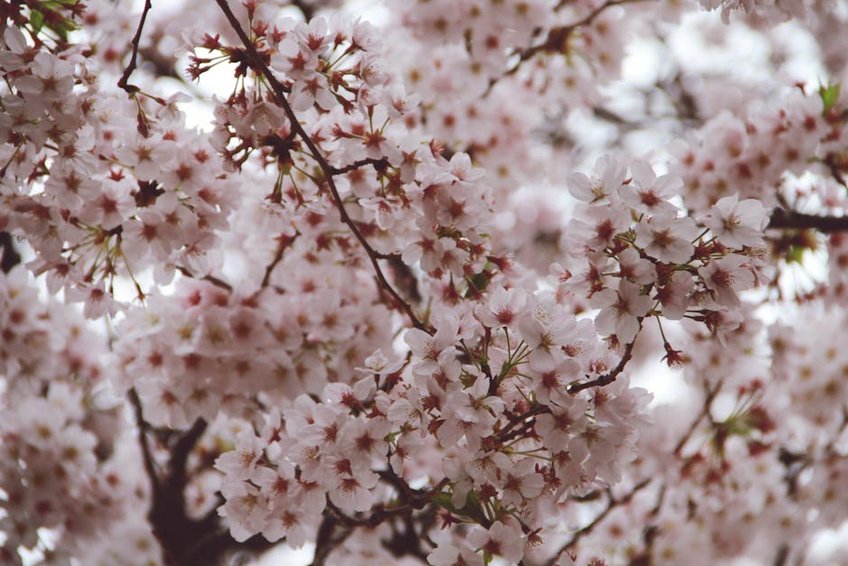
The early sakura season in Okinawa is a distinct botanical event. Unlike the Somei Yoshino variety that paints mainland Japan pink in spring, Okinawa primarily features the vibrant crimson-hued Kanhizakura tree. This subtropical cherry tree species has adapted to the region’s warmer climate, triggering its bloom cycle with cooler winter temperatures rather than spring warmth.

Historically, cherry blossom viewing in Okinawa is intertwined with the lunar new year and local agrarian traditions. The blooms signal a time for prayer and celebration for a prosperous year ahead. This cultural nuance adds a layer of meaning beyond the visual spectacle found in places like Kyoto or Tokyo.

Key Differences from Mainland Hanami

Planning for Okinawa’s blossom season requires a different approach. The experience contrasts sharply with the famous sakura spots of Honshu.

  • The Kanhizakura blossoms are smaller, deeper pink, and bell-shaped compared to the pale pink, five-petal blooms seen in Tokyo. Viewing occurs in forested mountain areas and parks rather than lining city rivers.
  • The season is less predictable and more susceptible to weather shifts like typhoon remnants. The atmosphere is often more locally-focused and tranquil than the massive, festive hanami parties of Ueno Park.
  • You will experience warmer weather, with daytime temperatures typically ranging from 60°F to 70°F (16°C to 21°C), allowing for lighter clothing during your outdoor explorations.
  • Prime Viewing Locations Overview

    Bloom times vary slightly across Okinawa’s islands. The northern part of the main island and the more remote Yaeyama Islands often see the first flowers. Mount Yaedake on the Motobu Peninsula is consistently the earliest spot, with blossoms frequently appearing in mid-January.

    Meanwhile, Nago Central Park and Naha’s parks may bloom a week or two later. This staggered schedule allows for island-hopping itineraries focused on chasing the peak bloom across different locations over a two-week period.

    The Cultural Significance of Sakura

    In Okinawa, the cherry blossom holds a place in local folklore and history. The trees were traditionally planted near utaki (sacred sites) and castles, like Nakijin Castle ruins. Viewing them is considered a hopeful start to the year.

    Many local festivals, like the Yaedake Cherry Blossom Festival, feature traditional Ryukyuan music and dance performances alongside food stalls. This creates a culturally immersive experience that connects the natural beauty directly to Okinawa’s unique heritage.

    Japan Okinawa Early Cherry Blossoms

    Alt: “mount-yaedake-okinawa-early-cherry-blossoms-road-view”

    Japan Okinawa Early Cherry Blossoms – Planning Your Trip

    Securing the perfect Japan Okinawa early cherry blossoms experience hinges on flexible timing and strategic booking. The bloom period is short, typically lasting only one to two weeks per location, and exact dates shift annually based on winter temperatures. You should monitor forecast reports from the Okinawa Meteorological Agency starting in December.

    Accommodation in key areas like Nago and Motobu fills quickly once peak bloom predictions are announced. Rent a car for maximum flexibility to chase the best blooms across the northern part of the main island, as public transport to some prime mountain spots is limited.

    Best Time to Visit for Cherry Blossoms

    For the highest chance of seeing peak blooms, target the last week of January through the third week of February. The season traditionally begins on Mount Yaedake in mid-January, moving southward through Nago and then to the central and southern areas of the main island by early February. Temperatures during this period are mild, averaging 59°F to 68°F (15°C to 20°C).

    The shoulder period just before the announced bloom forecast can offer lower travel costs. However, visiting too early in January risks missing the flowers entirely. The Yaeyama Islands, further south, typically experience their peak from early February onward, providing a later option if you miss the main island’s window.

    Budget Planning and Costs

    A trip focused on the early sakura season can fit various budgets, with flights and timing being the largest variables.

    1. Budget travelers can aim for $1,200-$1,800 per person for a 7-day trip. This uses hostels or business hotels ($70-$100/night), local buses and shared transfers, and meals at convenience stores or local noodle shops. Focus on free viewing locations like public parks.
    2. Mid-range visitors should budget $2,500-$3,500. This allows for comfortable hotels or ryokan stays ($150-$250/night), a rental car for a week ($350-$500), and daily meals at sit-down restaurants. It includes entry fees to castle parks and festival experiences.
    3. A luxury experience costs $5,000+ per person. This features stays at premium resorts like the Ritz-Carlton or Halekulani ($400+/night), private guided tours to hidden bloom spots, and fine dining with kaiseki meals. It includes flexible flight changes to align perfectly with bloom forecasts.
    4. Essential Preparation Checklist

      Pack layers, including a light jacket or sweater for cooler mountain mornings and evenings. Bring comfortable walking shoes for exploring parks and castle grounds. Essential gear includes a quality camera or smartphone, a compact umbrella for sporadic rain, and a portable power bank.

      International travelers must ensure their passport is valid for the entire stay. U.S., Canadian, and EU passport holders do not need a visa for tourist stays under 90 days. Book flights and your first three nights of accommodation well in advance, especially if traveling during the Chinese New Year period, which often overlaps.

      Top Viewing Spots and Hanami Experiences

      Beyond the famous locations, Okinawa offers charming and less crowded spots for enjoying the early blossoms. Each area provides a distinct backdrop, from ancient castles to modern parks. The hanami culture here is often more subdued, with families enjoying picnics during the day.

      Many locations offer nighttime illumination, creating a magical atmosphere as the pink blooms glow against the dark sky. This is a particular highlight at places like Nago Central Park. Combining blossom viewing with other Okinawan attractions, like ocean views or historical sites, makes for a richly layered trip.

      Must-See Highlights for Sakura Chasers

      Mount Yaedake is the undisputed king of early blooms. The winding road to the summit is lined with thousands of trees, creating a stunning corridor of pink. The accompanying festival offers local street food, making it a full sensory experience. Arrive early to avoid peak afternoon crowds.

      Nakijin Castle Ruins, a UNESCO World Heritage site, provides a profoundly historical setting. The contrast of the delicate Kanhizakura blossoms against the rugged, ancient stone walls is incredibly photogenic. Admission is around $4 (600 JPY), and the site opens at 8 AM. The views over the East China Sea from the castle grounds are spectacular.

      Hidden Gems and Local Favorites

      For a tranquil experience, seek out smaller community parks like Yogi Park in Naha or the pathways around Haneji Inland Sea. These spots are favored by locals for quiet afternoon picnics under the trees. You will experience a more authentic, relaxed version of hanami without the festival crowds.

      On Ishigaki Island in the Yaeyama group, Banna Park offers a unique tropical cherry blossom experience. The blooms here appear later, often in February, and can be combined with beach time. The park is expansive and rarely crowded, allowing for peaceful contemplation of the flowers amidst subtropical foliage.

      Festivals and Cultural Events

      The Yaedake Cherry Blossom Festival is the largest and most famous, running throughout the peak bloom period on Mount Yaedake. It features numerous food stalls serving Okinawan specialties like taco rice and soki soba, along with live traditional music performances. Parking can be challenging, so consider using shuttle services on weekends.

      Smaller town festivals in Nago and Motobu offer intimate glimpses into local community life. These often include eisa drumming performances and local craft markets. Checking the specific town’s tourism website in early January will provide exact dates and schedules for these local celebrations.

      Practical Travel Information for Okinawa

      Navigating Okinawa during blossom season requires understanding the island’s layout and transport options. Naha, the capital on the southern end, is the main transport hub with the international airport (OKA). Most premier early bloom locations, however, are in the northern part of the main island, a 1.5 to 2-hour drive away.

      Accommodation ranges from international resort chains to family-run minshuku (guesthouses). Staying in the Nago or Onna area positions you well for exploring northern blossom sites while offering a variety of dining and hotel options. Booking early is non-negotiable for the best selection.

    Viewing Location Peak Bloom Period Key Features & Atmosphere
    Mount Yaedake, Motobu Mid-January to Early February Earliest blooms, mountain road lined with trees, festival with food stalls.
    Nago Central Park Late January to Mid-February Family-friendly park setting, illuminated trees at night, easy accessibility.
    Nakijin Castle Ruins Late January to February Historical atmosphere, blossoms against ancient stone walls, UNESCO site.
    Yaeyama Islands (Ishigaki) Early to Late February Tropical island backdrop, less crowded, combines beach and blossom viewing.

    Getting There and Around

    Most international travelers fly into Naha Airport (OKA). Direct flights are available from several Asian hubs like Taipei, Seoul, and Shanghai. From the U.S., connections are typically through Tokyo (NRT or HND) or Osaka (KIX). The flight from Tokyo to Naha takes about 2.5 hours.

    A rental car is highly recommended for a blossom-focused itinerary. Major rental companies have counters at Naha Airport, with a week’s rental costing between $350 and $500. Drive on the left side. For those not driving, express buses connect Naha to Nago, but local bus services to specific mountain sites are infrequent and time-consuming.

    Where to Stay for the Bloom

    For dedicated blossom viewing, base yourself in or near Nago City. Options like the Hotel Nikko Alivila or the Nago Beachside Condominium provide easy access to northern sites. Book at least three to four months in advance for the best rates and availability during the peak forecast period.

    If preferring resort amenities, the coastal strip in Onna Village offers luxury hotels like the Ritz-Carlton. This adds a 30-45 minute drive to primary blossom locations. In Naha, the Daiwa Roynet Hotel or Hotel JAL City offer good value and are close to monorail links for urban exploration on non-blossom days.

    Japan Okinawa Early Cherry Blossoms

    Alt: “nago-central-park-okinawa-cherry-blossoms-night-illumination”

    Food, Culture, and Local Experiences

    Okinawan cuisine, distinct from mainland Japanese food, is a highlight of any visit. It features influences from Chinese, Southeast Asian, and American cultures. Meals are an integral part of the cultural journey, with many dishes centered on local pork, bitter melon (goya), and unique vegetables.

    The islands possess a rich Ryukyuan cultural heritage, visible in their architecture, crafts, and performing arts. Tapping into this culture—through visits to Shuri Castle or a pottery village—adds profound depth to your trip beyond the transient beauty of the cherry trees.

    Local Cuisine and Must-Try Dishes

    Okinawan soba, with its wheat noodles in a pork-bone broth topped with stewed pork ribs (soki), is a must-try comfort food. Rafute, slow-braised pork belly, is another signature dish, meltingly tender and flavorful. Goya champuru, a stir-fry of bitter melon, tofu, egg, and spam, represents the unique fusion of the islands.

    For a memorable meal, try a local izakaya in Nago or a restaurant specializing in Okinawan cuisine. A good meal costs between $15 and $40 per person. Be sure to try the local Awamori spirit, a rice-based liquor distinct from sake. Beniimo tart, made from purple sweet potato, is the iconic dessert.

    Cultural Tips and Etiquette

    Okinawan culture is generally warm and welcoming. A simple greeting is “Haisai” (hello). When visiting sacred sites like utaki or castle ruins, maintain a respectful demeanor—speak quietly and avoid inappropriate photography. Dress is casual, but cover up when entering religious areas.

    Tipping is not customary in Japan, including Okinawa. Excellent service is standard. A 10% service charge is often included at nicer restaurants and hotels. While many in the tourism industry speak some English, learning a few basic Japanese phrases (“arigatou” for thank you) is appreciated. Always remove your shoes when entering someone’s home or a tatami mat room.

    Beyond the Blossoms: Other Activities

    If weather affects bloom viewing, Okinawa offers abundant alternatives. Explore the stunning Churaumi Aquarium on the Motobu Peninsula, home to whale sharks. Visit the reconstructed Shuri Castle in Naha, a symbol of the Ryukyu Kingdom. World-class snorkeling and diving are available on the Kerama Islands, a short ferry ride from Naha.

    The Peace Memorial Park in Itoman offers a sobering and important look at the Battle of Okinawa. For a tactile cultural experience, try a hands-on workshop in traditional Ryukyuan glassmaking or Bingata textile dyeing available in several craft villages.

    Sources and References

    • Okinawa Tourist Information
    • Japan Guide: Okinawa Cherry Blossoms
    • Frequently Asked Questions

      When is the best time to visit Okinawa for cherry blossoms?

      Visit Okinawa between late January and late February for the highest likelihood of catching the cherry blossoms at peak bloom. The season starts earliest on Mount Yaedake in mid-January, moving southward through February, with average temperatures of 60-70°F (16-21°C). Check the Okinawa Meteorological Agency’s official forecast in early January for that year’s specific predicted bloom dates before finalizing travel plans.

      How much does a trip to see Okinawa’s cherry blossoms cost?

      A one-week trip to see the early cherry blossoms costs between $1,200 and $5,000+ per person, excluding international flights. Budget travelers can manage on $1,200-$1,800, while mid-range trips cost $2,500-$3,500, covering car rental and nicer hotels. Luxury experiences with premium resorts and private guides start above $5,000. The largest costs are flights, accommodation (booked early), and transportation.

      How many days do you need for Okinawa cherry blossoms?

      Plan for 5 to 7 days to fully experience the Okinawa cherry blossom season. This allows 2-3 days for chasing blooms across different northern locations like Mt. Yaedake and Nago, plus additional days for cultural sites, cuisine, and potential side trips to islands like Ishigaki for later blooms. A shorter 3-4 day trip is possible but requires precise timing and limits your exploration range.

      How do you get to the cherry blossom spots in Okinawa?

      Fly into Naha Airport (OKA), then rent a car for the 1.5-2 hour drive north to the primary bloom areas around Nago and Mount Yaedake. Public transportation to these specific mountain sites is very limited. Rental cars cost $350-$500 per week and are essential for flexibility to follow the peak bloom across different microclimates on the island.

      Where should you stay for the cherry blossom season in Okinawa?

      Stay in Nago City or the nearby Onna Village for the best access to the early bloom sites like Mount Yaedake and Nago Central Park. Nago offers a range of business hotels and simpler accommodations, while Onna provides beachfront resort options. Book your hotel at least 3-4 months in advance, as rooms in these areas sell out quickly once the bloom forecast is announced.

      Is Okinawa safe for travelers during cherry blossom season?

      Yes, Okinawa is extremely safe for travelers, with very low crime rates. Standard precautions like securing valuables are always wise. The primary safety concerns during blossom season are related to transportation—driving on the left side of the road if unfamiliar and watching for narrow, winding mountain roads leading to prime viewing locations like Mount Yaedake.

      Do you need special preparation for Okinawa’s early cherry blossom season?

      Yes, you need flexible travel plans and advance bookings. The exact bloom dates vary annually, so monitor official forecasts. Book refundable flights and accommodations if possible. Pack clothing for mild but variable weather, including layers for cooler mountain mornings. Essential items include comfortable walking shoes, a camera, and a Japan-appropriate power adapter for your electronic devices.

      Final Thoughts on Your Okinawa Sakura Journey

      Chasing the Japan Okinawa early cherry blossoms offers a unique and rewarding travel challenge distinct from the mainland hanami experience. Success depends on strategic flexibility with your dates, securing a rental car for northern exploration, and booking key accommodation well before the official bloom announcement. Your visit seamlessly combines the fleeting beauty of the first sakura with the enduring warmth of Ryukyuan culture, subtropical landscapes, and distinctive cuisine for a truly multifaceted trip.

      Related Stories

      spot_img

      Discover

      Best China Yunnan Rapeseed Golden Fields Guide 5 Tips

      China Yunnan Rapeseed Golden Fields: A Springtime Photography Wonderland Vast seas of brilliant yellow rapeseed...

      Perfect South Korea Jeju Canola Flowers Discovery 10 Tips

      South Korea Jeju Canola Flowers: Your Guide to Spring's Golden Sea The arrival of spring...

      Taiwan Yangmingshan Cherry Festival: 3 Best Tips

      Taiwan Yangmingshan Cherry Festival Guide The Taiwan Yangmingshan Cherry Festival marks the arrival of spring...

      Hong Kong Arts Month Festival: 10 Complete Tips

      Hong Kong Arts Month Festival: Your Guide to Cultural Exploration The Hong Kong Arts Month...

      Essential Brunei Sultan Birthday Celebrations Adventure 15

      Brunei Sultan Birthday Celebrations: Royal Festivities and Cultural Insights Brunei Sultan Birthday Celebrations provide a...

      Essential Singapore Garden City Orchid Festival Guide 12

      Singapore Garden City Orchid Festival: A Floral Extravaganza Attending the Singapore Garden City Orchid Festival...

      Popular Categories

      Comments

      LEAVE A REPLY

      Please enter your comment!
      Please enter your name here

    Accommodation Area Best For Average Nightly Rate (USD)
    Nago City Proximity to Mt. Yaedake & Nago Park, good dining. $90 – $200
    Onna Village Beach resort comforts, mid-point location for north/south exploration. $150 – $400
    Naha City Airport convenience, urban amenities, nightlife. $70 – $180
    Ishigaki Island Combining late blossoms with tropical beaches and diving. $100 – $300