Italy Milan Design Week: Your Ultimate Guide to the World’s Premier Design Event
Milan Design Week transforms Italy’s fashion capital into the global epicenter of creativity, innovation, and style each April. This sprawling event, officially known as Salone del Mobile and amplified by the citywide Fuorisalone, showcases groundbreaking furniture, lighting, and conceptual installations from established masters and emerging talents. Your visit to Milan Design Week requires strategic planning to navigate hundreds of exhibitions, secure accommodations, and experience the most impactful installations across the city’s design districts.
Essential Information: What is Milan Design Week?
Milan Design Week is not a single event but a convergence of two major happenings. The Salone del Mobile (Milan Furniture Fair) is the massive, invitation-only trade show at the Rho Fiera grounds, presenting the latest collections from international furniture brands. Concurrently, Fuorisalone (“Outside the Salone”) is the open-access, citywide festival of events, pop-up exhibitions, and parties in neighborhoods like Brera, Tortona, and 5Vie.
The event’s history dates to 1961 with the first Salone del Mobile, established to promote Italian furniture exports. It has since exploded into a cultural phenomenon, attracting over 400,000 visitors from more than 180 countries. The week shapes global design trends for the coming year, making it essential for professionals and enthusiasts alike.
Key Components of the Event
Understanding the dual structure is crucial for planning your itinerary and access.
- Salone del Mobile: The core trade fair requires a professional badge for entry, typically secured through a company affiliation, press accreditation, or special visitor pass. It’s where major product launches and B2B networking occur.
- Fuorisalone: This free, public program fills showrooms, galleries, courtyards, and even former industrial spaces with immersive installations. It’s the creative heart of the week, open to all without registration.
- Districts: The city organizes into thematic zones. Brera is known for elegant, established brands; Tortona for avant-garde and experimental design; and Isola for emerging, sustainable concepts.
- Budget Traveler ($1,200-$1,800): Focus solely on Fuorisalone. Book a hostel or budget hotel in an outer borough (like Lambrate) 6+ months out ($80-$120/night). Use public transport, eat at trattorias away from design districts, and attend only free exhibitions. Flight prices from the US start around $600 if booked early.
- Mid-Range Professional ($2,500-$4,000): Secure a Salone visitor pass (~$150). Stay in a 3-star hotel near a Metro line ($200-$300/night). Budget for taxi rides between distant districts, several nice dinners, and maybe one paid exhibition or design tour. This offers the best balanced experience.
- Luxury/Corporate ($5,000+): Includes a full Salone accreditation, 4-5 star hotel in Brera or Centro ($400+/night), chauffeured transfers between appointments, reserved restaurant tables, and access to exclusive launch parties and private showroom viewings.
- Salone del Milano Official Site
- Fuorisalone Official Guide
Who Should Attend and Why
While industry professionals are the primary audience, the festival offers immense value for dedicated design lovers, students, and collectors. Interior designers, architects, and buyers gain firsthand insight into material and color trends. Students find unparalleled inspiration and networking opportunities. For the casual enthusiast, it’s a chance to see prototype designs years before they hit the market and to experience Milan’s creative energy at its peak.
Your experience level dictates your strategy. First-timers should focus on the accessible Fuorisalone districts. Veterans might prioritize securing a Salone pass and exclusive invitation-only events. Regardless, comfortable walking shoes and a well-curated map are non-negotiable essentials.
The Cultural and Economic Impact
The design fair generates an estimated economic impact of hundreds of millions of euros for Milan. It solidifies the city’s status as a design capital, rivaling events in London or New York. Beyond commerce, it fosters a dialogue on contemporary issues, with many installations each year addressing themes like sustainability, social responsibility, and the future of living spaces.
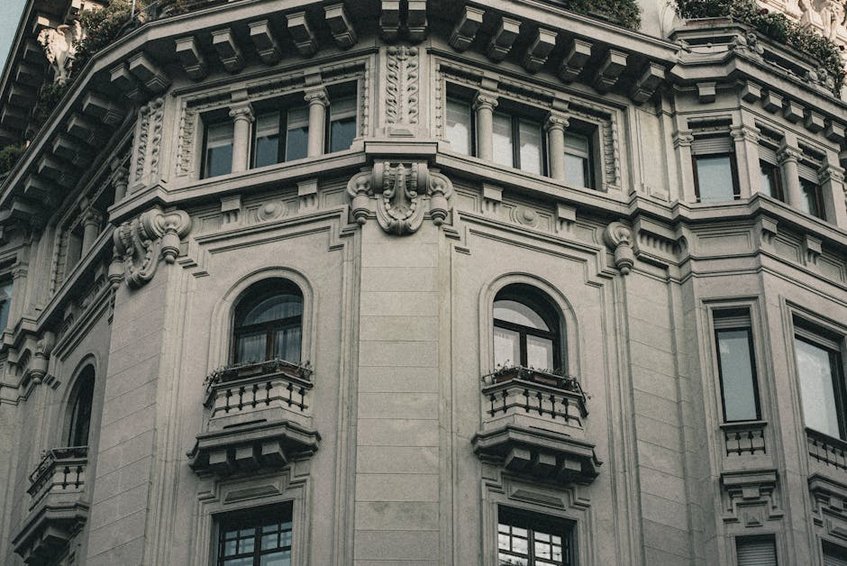
Alt: “milan-design-week-brera-district-courtyard-installation-crowd”
Italy Milan Design Week – Planning Your Trip
Attending this major design festival demands careful logistical preparation due to its immense scale and popularity. Begin planning at least six months in advance, especially for travel and lodging. The city reaches maximum capacity, with hotel prices often doubling and flights selling out quickly. A successful trip hinges on a balance of scheduled appointments and flexible time for spontaneous discovery.
Your itinerary for Italy Milan Design Week should mix pre-booked tours or talks with open exploration of the main districts. Use official apps like the Fuorisalone Guide to bookmark events. Remember that while the Salone is primarily for trade, many brands host satellite presentations in the city that are open to the public, offering a taste of the fair’s offerings.
Budget accordingly. Beyond flights and hotels, factor in costs for transportation between districts, meals, and potentially last-minute tickets to special talks or exhibitions. While many events are free, some immersive experiences or parties may require purchased tickets or RSVPs.
Best Time to Visit for Milan Design Week
The event is held annually in April, with the 2025 dates expected to be April 8-13. The core dates are Tuesday through Sunday, with preview days for press and professionals often starting the prior weekend. Early April in Milan sees mild spring weather, with average highs of 63°F (17°C) and lows of 48°F (9°C), though rain is possible.
Peak crowds occur from Wednesday to Friday. For a slightly calmer experience, aim to attend during the first weekend, when the Salone opens to the public (usually Saturday and Sunday). The trade-focused days (Tuesday-Thursday) are more crowded with professionals but offer the most complete showcase. Shoulder season travel right after the event can be pleasant, but you’ll miss the energy.
Budget Planning and Costs
Costs vary dramatically based on your access level and comfort preferences.
Essential Preparation Checklist
Start by securing flights and accommodation immediately after dates are announced. Register for any required badges online; some Fuorisalone events also require free online RSVP. Download the official Milan Design Week app, the ATM Milan transport app, and Google Maps with offline areas saved.
Pack strategically: comfortable, waterproof walking shoes are essential, as you may walk 8-10 miles daily. Bring a portable phone charger, a refillable water bottle, business cards for networking, and layers for variable spring weather. Ensure you have valid travel insurance and that your credit card has no foreign transaction fees.
Top Districts and Must-See Installations
Navigating the design festival is a geographic adventure. Each district has a distinct personality and curation focus. Brera, the most central and historic, features refined installations in beautiful courtyards and galleries, often by high-end brands. Tortona, a former industrial zone, is the heart of innovation and large-scale, Instagram-worthy experiential design.
The 5Vie district, nestled in the ancient heart of Milan, blends design with art and craftsmanship in a labyrinth of narrow streets. Isola, north of the Central Station, has emerged as a hub for sustainable design and young creatives. Navigating between them efficiently is key to a diverse experience.
Must-See Highlights and Landmarks
While specific installations change yearly, certain venues are consistently pivotal. The Triennale di Milano museum hosts major curated exhibitions and is a design landmark in itself. Alcova, a nomadic exhibition set in surprising abandoned locations, is a must for cutting-edge concepts. Ventura Centrale and Ventura Future, often in the railway depots, showcase graduate work and future-focused projects.
For iconic brand experiences, visit the flagship showrooms of design giants like Kartell, B&B Italia, or Flos in their permanent city locations, which host special events. Palazzo Litta in Brera is renowned for its breathtaking courtyard transformation. Always check the official guide for that year’s “not to be missed” installations, which are often highlighted by curators.
Hidden Gems and Local Favorites
Venture beyond the main hype to discover quieter, equally compelling spaces. The Orto Botanico di Brera (Botanical Garden) sometimes hosts subtle, nature-integrated installations. Galleria Rossana Orlandi, a legendary gallery in a former tie factory, is a treasure trove of collectible design and a spot to see influential curators.
Explore the Navigli canal district in the evenings; while less packed with exhibitions, many design bars and pop-up aperitivo events spill into the area, offering great people-watching. For a break, the garden of the House Museum Bagatti Valsecchi provides a serene, design-historic oasis away from the crowds.
Networking and Professional Events
For industry attendees, networking is a primary goal. Many brands host invitation-only breakfasts or evening cocktails. Professional organizations often schedule talks and panel discussions at venues like the Teatro Gerolamo. The SaloneSatellite section at the Rho fair is dedicated to young designers and is an excellent place to discover new talent and make connections.
Practical Travel Information for Milan
Milan is well-connected but becomes exceptionally busy during the design festival. Milan Malpensa (MXP) and Linate (LIN) are the primary airports, with Bergamo (BGY) serving many budget airlines. From Malpensa, the Malpensa Express train takes 50 minutes to Cadorna or Centrale stations. From Linate, a bus or taxi is best for the 20-minute ride to the center.
Within the city, the Metro is the most efficient way to travel between design districts. Purchase a 48 or 72-hour travel pass. Taxis are plentiful but expect long queues during peak event hours; apps like Free Now or Uber work. Walking is often the best way to explore within a single district, so central accommodation is a major advantage.
| Accommodation Type | Best Areas & Features | Price Range/Night (USD) |
|---|---|---|
| Budget Hostel/Hotel | Lambrate or Città Studi; near Metro, basic amenities | $80 – $150 |
| Mid-Range Boutique | Porta Romana or Navigli; stylish design, good transit links | $200 – $350 |
| Upscale Business | Brera or Centro; luxurious, walking distance to key districts | $400 – $600 |
| Luxury & Design | Brera or Fashion District; 5-star, iconic design hotels like Hotel Principe di Savoia | $600+ |