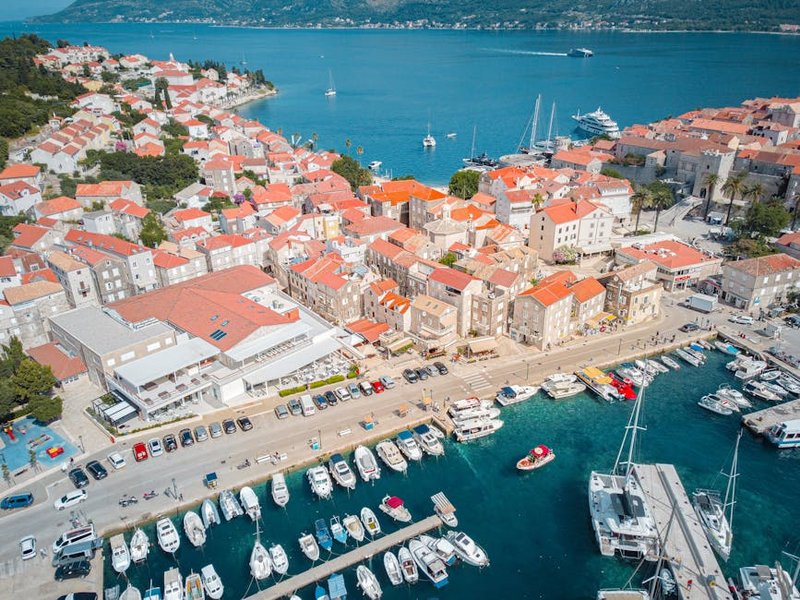
Island Tour Plan in Croatia: Discover the Adriatic’s Coastal Jewels
Crafting your perfect island tour plan in Croatia unlocks a stunning Mediterranean mosaic of historic towns, pristine coves, and vibrant local culture. The Adriatic coast shelters over a thousand islands, each offering a unique blend of Venetian architecture, pebble beaches, and world-class seafood. This guide provides detailed itineraries, seasonal advice, and logistical tips to navigate the Dalmatian archipelago effectively, ensuring a seamless and memorable coastal adventure.
Essential Adriatic Archipelago Information
Croatia’s island landscape spans from the northern Kvarner Gulf to the southernmost Dalmatian coast near Dubrovnik. The archipelago includes 48 inhabited islands, each with a distinct personality shaped by Venetian, Illyrian, and Croatian history. The country’s maritime infrastructure is well-developed, with state-run ferry operator Jadrolinija connecting the mainland to all major islands and many smaller ones.
Primary island groups include the Elaphiti Islands near Dubrovnik, the Central Dalmatian islands of Hvar and Brač, and the northern Kornati archipelago. Coastal weather follows a typical Mediterranean pattern, featuring hot, dry summers and mild, wet winters. Sea temperatures are pleasant for swimming from late May through early October.
Key Details for First-Time Visitors
Understanding the basic geography and logistics sets the foundation for a smooth journey. The mainland departure points are strategically located coastal cities.
- Primary ferry hubs include Split, Dubrovnik, Zadar, and Rijeka, with catamaran services offering faster connections to popular destinations.
- Visitors from the US and EU can enter visa-free for up to 90 days within a 180-day period, using a valid passport.
- The local currency is the Euro (€), adopted in 2023, with credit cards widely accepted in towns but cash preferred on smaller islands.
- Budget travelers can manage on $70-100 daily by using hostels, preparing meals, and traveling via public ferries without a car. Focus on less expensive islands like Šolta or Mljet, and visit during shoulder season for the best value on basic private rooms and local konoba restaurants.
- Mid-range visitors should budget $150-250 per day. This covers comfortable apartments or three-star hotels, occasional restaurant dining, rental car ferry crossings, and paid activities like kayaking tours. This level allows for a balanced experience on popular islands like Hvar and Korčula.
- Luxury touring requires $350-600+ daily, funding five-star heritage hotels, private speedboat transfers, gourmet dining, and yacht charters. This tier provides complete flexibility, exclusive access to secluded bays, and premium experiences like private wine tastings on Brač or Vis.
- Croatian National Tourist Board
- Jadrolinija Ferry Timetables & Booking
Navigating the Island Network
The Croatian ferry system is reliable but requires strategic planning during peak season. Jadrolinija operates car ferries on major routes, while private companies run faster passenger-only catamarans. Schedules change seasonally, with reduced services from November to April.
Booking vehicle transport on summer ferries is essential, requiring reservations weeks in advance. Inter-island travel often involves returning to a mainland hub, though some direct island-to-island connections exist. Using a combination of ferry, catamaran, and local taxi boats provides maximum flexibility for exploring.
Historical and Cultural Context
Croatia’s islands bear the marks of diverse civilizations, from ancient Greek colonies to Roman retirement villas and Venetian maritime dominance. This layered history is visible in the stone architecture, defensive fortresses, and culinary traditions. Local life revolves around fishing, olive cultivation, and lavender farming, creating an authentic Mediterranean atmosphere away from the tourist centers.
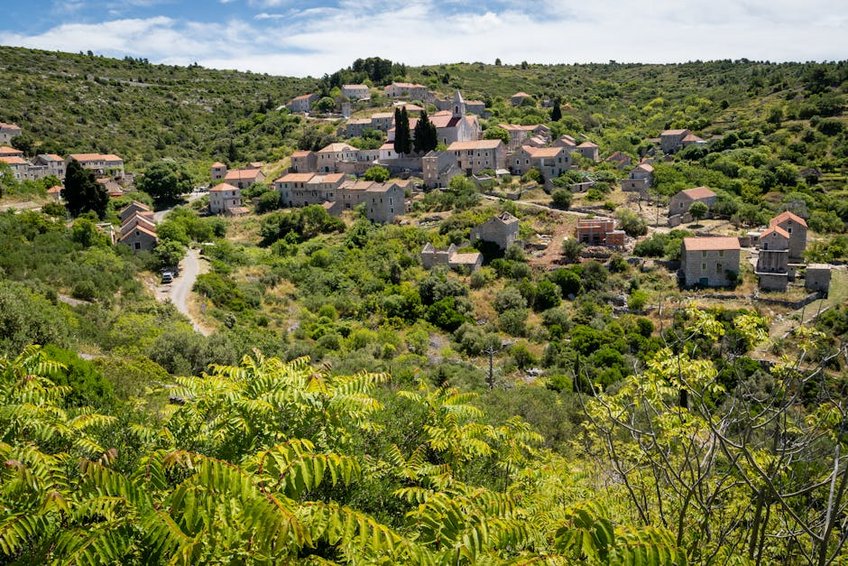
Alt: “croatian-adriatic-island-aerial-view-coastal-village”
Island Tour Plan in Croatia – Strategic Itinerary Design
Designing your island tour plan in Croatia requires balancing travel time with exploration depth. Focus on one or two island groups per week to avoid spending excessive hours in transit. The most efficient approach pairs islands with good ferry connections, like Hvar and Brač or the Elaphiti archipelago.
Allocate a minimum of three nights per island to experience its character fully. Factor in ferry schedules, which often operate in the morning and late afternoon, consuming valuable daylight. For a 10-day trip, a classic route includes three days in Split, two on Hvar, two on Korčula, and three in Dubrovnik, utilizing efficient catamaran links.
Best Time to Visit the Croatian Islands
The ideal period for an island-hopping tour runs from late May to late September. July and August offer peak conditions with sea temperatures around 77°F (25°C) and air temperatures averaging 86°F (30°C). These months also bring maximum crowds, higher prices, and fully booked ferries, requiring reservations six months in advance for vehicles.
Shoulder seasons in June and September provide excellent alternatives, with pleasant temperatures between 68-75°F (20-24°C) and fewer visitors. Many services remain open, and the sea stays warm enough for swimming. The winter months from November to March see limited ferry services and most tourist amenities closed, making island travel challenging.
Budget Planning and Cost Estimates
Costs vary significantly based on travel style, season, and accommodation choices. The following breakdown provides realistic estimates for a one-week tour per person.
Essential Preparation Checklist
Start by securing ferry reservations for your vehicle at least two to three months before a summer departure. Use the Jadrolinija website for official bookings and confirm all departure ports and check-in times. Pack swimwear, reef-safe sunscreen, a sun hat, sturdy sandals for rocky beaches, and a light jacket for evening breezes.
Ensure your passport is valid for three months beyond your departure date from the Schengen Area. Purchase comprehensive travel insurance covering ferry delays and medical evacuation. Download offline maps and the official Jadrolinija app for schedule updates. Inform your bank of travel plans to avoid card blocks on international transactions.
Top Island Destinations and Signature Activities
The Dalmatian coast presents a wealth of destinations, each celebrated for distinct attractions. Hvar earns fame for its vibrant nightlife and lavender fields, while Korčula boasts impressive medieval architecture and Marco Polo lore. For nature enthusiasts, Mljet National Park features saltwater lakes and ancient monasteries, accessible via a short ferry from the Pelješac peninsula.
Brač is renowned for Zlatni Rat beach, a unique horn-shaped pebble spit that shifts with the currents. The quieter island of Vis, a former military base, offers exceptional seafood and Blue Cave access. Each location provides a different pace, from the chic atmosphere of Hvar Town to the rustic tranquility of Lastovo’s starry skies.
Must-See Island Highlights
Hvar Town’s 16th-century fortresses offer panoramic views over the Pakleni Islands. The UNESCO-protected Stari Grad Plain on Hvar showcases ancient Greek agricultural divisions still in use. Korčula’s Old Town, with its fortified walls and Gothic-Renaissance cathedral, is a masterpiece of medieval urban planning.
On Brač, visit the stone masonry school in Pučišća and the iconic Zlatni Rat beach near Bol. Mljet National Park covers the island’s western third, featuring two serene saltwater lakes and a 12th-century Benedictine monastery on St. Mary’s Islet. The Blue Cave on Biševo near Vis glows with an ethereal silver-blue light for a few hours around midday.
Hidden Gems and Local Favorites
Explore the island of Šolta for authentic fishing villages like Maslinica and family-run olive oil tastings. The Kornati National Park archipelago, with its 89 barren islands, is a sailing paradise best visited on a day tour from Murter or Zadar. On Lastovo, hike through lush forests to the hilltop Hum fortress for 360-degree views.
The tiny Elaphiti Island of Lopud features a car-free environment, sandy Šunj beach, and the beautiful garden of the late artist Đuro Till. For history buffs, the island of Rab in the Kvarner Gulf preserves four iconic bell towers and offers hiking in the Komrčar Park forest. These locations provide a quieter, more intimate Adriatic experience.
Sailing, Kayaking, and Diving Adventures
The Kornati archipelago offers world-class sailing conditions with countless sheltered coves. Guided sea kayaking tours from Dubrovnik explore the caves and cliffs of the nearby Elaphiti Islands. Scuba diving sites around Vis and Lastovo feature intact wrecks, underwater caves, and rich marine life in remarkably clear visibility exceeding 100 feet (30 meters).
Practical Travel Logistics and Navigation
Transportation forms the core of any multi-island itinerary. The main decision involves choosing between ferry flexibility with a rental car or the simplicity of passenger-only travel. Rental cars offer freedom to explore inland villages but add cost and require meticulous ferry booking. Passenger travel simplifies logistics but limits mobility on larger islands.
Accommodation ranges from luxury boutique hotels in restored palaces to private apartments and agritourism farms. Booking platforms like Booking.com and Airbnb are widely used, but direct booking with owners often secures better rates and local advice. For peak summer stays, reserve at least six months in advance, especially for highly-rated properties in prime locations.
| Accommodation Type | Key Features & Locations | Price Range/Night (USD) |
|---|---|---|
| Luxury Heritage Hotel | Restored palaces in Hvar/Korčula Old Towns, sea views, spa facilities | $300 – $700+ |
| Mid-Range Apartment | Private studio/1-bedroom with kitchenette, often in family homes, walking distance to town | $90 – $180 |
| Boutique Guesthouse | Small-scale, design-focused lodging in villages like Jelsa (Hvar) or Vela Luka (Korčula) | $130 – $250 |
| Agritourism (Sobe) | Simple rooms in rural family farms, includes breakfast, authentic local experience | $50 – $100 |