

Island Exploration in Stockholm: Your Archipelago Adventure Guide
Stockholm’s archipelago transforms a city visit into a coastal wilderness adventure, offering over 30,000 islands to discover. This unique maritime landscape provides everything from rugged, uninhabited isles perfect for kayaking to historic fishing villages with cozy red cottages. Your island exploration in Stockholm blends urban convenience with remote nature, all accessible via an extensive network of public ferries.
Discovering the Stockholm Archipelago
The Stockholm Archipelago, or ‘Skärgården’, stretches 150 kilometers east of the city into the Baltic Sea. This vast maritime area features islands ranging from large, populated communities with full amenities to tiny rocky skerets only visited by seabirds. The region’s history is deeply tied to fishing, sailing, and summer cottage culture, a tradition cherished by Swedes for generations.
Geologically, the islands were shaped by glacial retreat, creating the smooth granite cliffs and sheltered bays seen today. The brackish water supports a unique ecosystem where freshwater and saltwater species mix. This environment creates perfect conditions for sailing, swimming in surprisingly warm summer waters, and foraging for berries and mushrooms in the dense pine forests.
Archipelago Zones and Character
The islands are informally divided into inner, middle, and outer zones, each with distinct personalities. Understanding these zones helps you choose the right adventure based on your interests and available time.
- Inner Archipelago: Closest to Stockholm (30-60 minute ferry), these islands like Fjäderholmarna and Vaxholm are easily accessible for day trips, featuring restaurants, shops, and historic fortresses amidst the natural setting.
- Middle Archipelago: A 1-2 hour ferry ride delivers you to islands like Möja and Sandhamn, where classic red wooden summer houses dot landscapes of forests and meadows, offering a quieter, more authentic vibe.
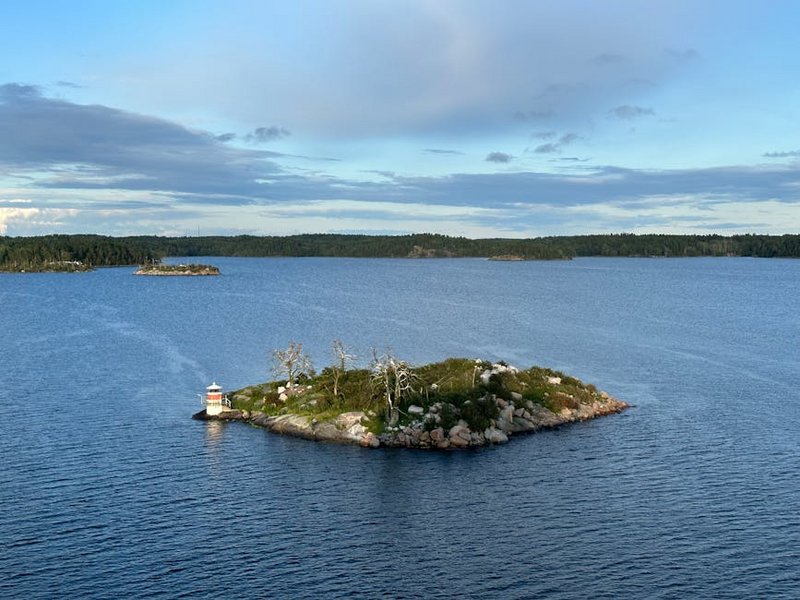
- Outer Archipelago: For a true wilderness experience, journey 2.5+ hours to islands like Utö or Nämdö, where the sea opens up, lighthouses stand guard, and nature is completely undisturbed, ideal for hiking and solitude.
- Budget Day ($50-75): Focus on the inner islands using your SL transit card. Pack a picnic lunch from the city, hike public nature trails, and swim from public rocks. Enjoy a coffee or pastry at a simple cafe. This approach maximizes natural beauty with minimal expense.
- Mid-Range Day ($100-150): Venture to the middle archipelago with a paid ferry ticket. Enjoy a sit-down lunch of traditional herring or salmon at a village restaurant ($25-40), rent a kayak for a few hours, and perhaps take a short guided nature walk. This offers a perfect blend of activity, culture, and comfort.
- Luxury Day ($250+): Book a private guided sailing tour to the outer islands or a speedboat transfer. Dine on a gourmet seafood tasting menu at a renowned island inn like Sandhamns Värdshus. Opt for a curated experience like a foraging tour with a local expert, ending with a sauna and cold Baltic plunge.
- Waxholmsbolaget Ferry Company
- Visit Sweden Archipelago Guide
Navigating the Ferry System
The public Waxholmsbolaget ferries are your primary transportation, operating like waterborne buses with extensive seasonal timetables. A single SL Access card, used on city transit, covers most inner archipelago routes, making island hopping straightforward and affordable. For the middle and outer zones, you’ll purchase separate ferry tickets, which can be booked online or at the Strömkajen terminal.
Schedules change significantly between summer (June-August) and off-season, with frequent daily departures in peak months. Always check return times before disembarking, as some remote islands may only have one or two ferries back per day. Popular routes can fill up, so for weekend summer travel, consider reserving a spot on specific services operated by Cinderellabåtarna.
Seasonal Island Magic
Each season paints the archipelago with a different brush. Summer (late June to August) brings long days, with up to 18 hours of sunlight, warm swimming conditions around 68°F (20°C), and vibrant green landscapes. This is the peak time for sailing, kayaking, and enjoying the classic Swedish ‘fika’ at an island cafe.
Spring (May) and Autumn (September) are quieter shoulder seasons, perfect for hiking and photography as wildflowers bloom or foliage turns gold. Temperatures range from 50-60°F (10-15°C). Winter transforms the seascape into an icy wonderland, where ferry icebreakers maintain routes to key islands, and you can try ice skating between islets on guided tours.
Alt: “waxholmsbolaget-ferry-approaching-sandhamn-island-dock”
Island Exploration in Stockholm – Planning Your Trip
Effective planning turns a simple boat ride into a seamless multi-island adventure. Start by deciding your priority: cultural sights and cafes, wilderness hiking, or waterfront relaxation. This choice dictates which island zone to target and how long to spend. Most visitors find 2-3 days ideal for a thorough sampler, but dedicated day trips from the city are also wonderfully rewarding.
Your budget should account for ferry fares, which range from $8-30 per leg depending on distance, plus any activities like kayak rentals ($50-70/day) or guided tours. Accommodation costs vary wildly, from hostel bunks at $40/night to historic island hotel rooms starting at $180. Booking ferries and lodging well in advance is non-negotiable for summer visits, especially July when Swedes take their extended vacations.
Best Time for Archipelago Adventures
Visit between late June and mid-August for the quintessential archipelago experience, with maximum ferry frequency, reliable warm weather averaging 70°F (21°C), and all services open. This peak season offers midnight sun evenings perfect for long shoreline walks. Be prepared for crowds on popular routes and book everything at least two months ahead.
For a balance of good weather and fewer people, target the shoulder months of May or early September. Daytime temperatures are pleasant at 55-65°F (13-18°C), and you’ll experience the peaceful local life. While some seasonal restaurants may be closed, the stunning spring blossoms or autumn colors provide incredible photography opportunities without the summer bustle.
Budget Planning and Costs
Your daily budget dictates the style of your island-hopping journey. Here’s a realistic breakdown for a full day, excluding accommodation.
Essential Preparation Checklist
Packing correctly is crucial, as island services can be limited. Essentials include sturdy, waterproof walking shoes for rocky trails, multiple layers (even in summer, coastal winds can be cool), a swimsuit and microfiber towel, and a reliable reusable water bottle. Sun protection is vital due to reflection off the water, and don’t forget insect repellent for evenings.
Digitally, download the Waxholmsbolaget app for live ferry schedules and the Resrobot app for overall Swedish travel planning. Ensure your payment cards work without a PIN, as some smaller kiosks may not accept chip-and-PIN foreign cards. If you plan to explore freely, an offline maps app like Maps.me with pre-downloaded archipelago regions is invaluable for trail navigation.
Top Islands and Unmissable Experiences
With thousands of options, focusing on a few standout islands provides a rich experience. Vaxholm, the ‘Gateway to the Archipelago’, boasts a dramatic 16th-century fortress you can tour and a charming high street with classic Swedish cafes. It’s an ideal first stop to understand the region’s history. Further out, Sandhamn on the island of Sandön is a world-famous sailing center with a lively harbor atmosphere and excellent seafood restaurants.
For nature lovers, the car-free island of Grinda offers well-marked hiking trails through forests and meadows, along with sandy beaches and rustic overnight cabins. Meanwhile, Utö features a historic windmill, an old iron mine you can explore, and some of the archipelago’s best cycling paths. Each island has a unique story, often revealed on small placards along walking routes.
Must-See Highlights
Beyond choosing islands, specific sights define the archipelago experience. The Vaxholm Fortress Museum provides crucial historical context about coastal defense. On Fjäderholmarna, watch traditional craftspeople blow glass and smith metal at the artisan workshops just 25 minutes from the city. In Sandhamn, simply wandering the labyrinthine paths between colorful wooden houses is a highlight.
For a panoramic view, hike to the top of the Stavsnäs viewing tower on the mainland, offering a stunning overview of the island mosaic. On Utö, rent a bicycle from the harbor and pedal to the southern tip to see the iconic lighthouse. Most ferries themselves offer spectacular views; secure a spot on the outer deck, especially when passing through narrow channels between islands.
Hidden Gems and Local Favorites
Venturing off the main ferry lines leads to true tranquility. The island of Möja, in the middle archipelago, has a less-touristy feel with a beautiful old church and a local bakery selling freshly baked cinnamon buns. On nearby Ängsö Island, a national park, you can wander through flowering meadows that look unchanged for centuries, a rare preserved agricultural landscape.
Locals often recommend the small cluster of islands around Bullandö for peaceful swimming spots. For a unique stay, seek out the hostel on Finnhamn, which occupies a grand old manor house and offers sauna access right on the rocky shore. These spots offer the serene, back-to-nature feeling that Stockholm residents cherish about their archipelago.
Kayaking and Sailing Adventures
Seeing the islands from water level is transformative. Guided kayak tours, starting around $80 for a half-day, are available from bases in Stavsnäs or on larger islands like Grinda. They provide equipment and safety guidance for paddling through sheltered bays. For a more relaxed pace, consider renting a small electric boat, which requires no license and lets you create your own island-hopping route at a leisurely pace.
Sailing is deeply ingrained here. Day trips on classic schooners, often with a lunch included, depart from central Stockholm and Sandhamn. If you’re inexperienced, opt for a crewed charter. Simply being on a sailboat as it glides silently past rocky islets is a quintessential part of the archipelago atmosphere you can’t replicate on a ferry.
Practical Travel and Logistics
Getting to the archipelago starts at Stockholm’s downtown ferry terminals. The main hub is Strömkajen, right next to the Grand Hôtel, serving Waxholmsbolaget’s fleet. For faster Cinderella boats to Sandhamn, depart from Nybrokajen. Always arrive 20 minutes before departure to find your dock and board calmly. In summer, queues can form for popular destinations.
Accommodation ranges from rustic hostels and campgrounds to boutique hotels. On many islands, renting a traditional ‘stuga’ (cottage) for a few nights is the most authentic choice. These often have basic kitchens, allowing you to self-cater, a significant cost-saver. Book these cottages months in advance through sites like Airbnb or local island-specific rental agencies.
| Accommodation Type | Best For | Avg. Nightly Cost (USD) |
|---|---|---|
| Hostel / Vandrarhem | Solo travelers & budget explorers; often have shared kitchens | $35 – $70 |
| Summer Cottage Rental | Families or groups; offers privacy and self-catering | $120 – $300 |
| B&B / Pensionat | Couples seeking charm; includes breakfast | $100 – $180 |
| Boutique Island Hotel | Special occasions; full service, often with fine dining | $200 – $400+ |


