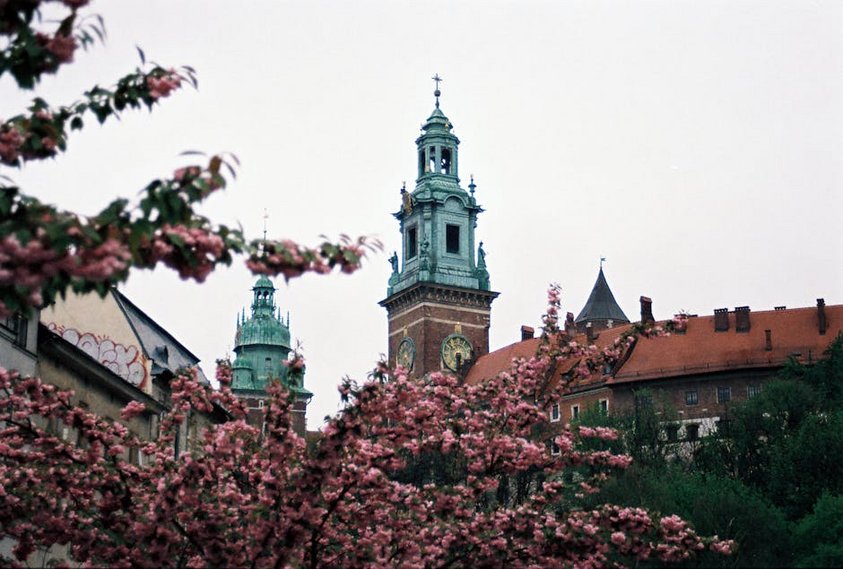
Historical Tour in Krakow: Uncover Poland’s Royal Heritage
Your historical tour in Krakow invites you to walk through centuries of European history in one of the continent’s best-preserved medieval cities. This former royal capital showcases Gothic cathedrals, a sprawling castle complex, and a poignant Jewish quarter, all within a remarkably compact city center accessible on foot. This guide details the essential sights, logistical tips, and cultural context you need for a profound journey into Poland’s storied past.
Essential Krakow History and Background
Krakow’s significance spans over a millennium, serving as Poland’s political and cultural heart until the late 16th century. The city’s UNESCO-listed Old Town, or Stare Miasto, miraculously survived World War II with its architectural treasures intact, providing an authentic historical canvas. Understanding this layered past, from its 10th-century origins to its role as a major center of academia and trade, enriches every step of your visit.
Krakow’s Historical Timeline – What You Need to Know
Grasping key dates helps contextualize the monuments you’ll see.
- Founding & Royal Capital (c. 1000-1596): Krakow flourished as the seat of Polish kings, with Wawel Castle becoming the symbolic center of state power and culture during this golden age.
- Partitions & World War II (1795-1945): After losing capital status, the city endured foreign rule but was spared physical destruction during WWII, though its Jewish population was devastated.
- Modern Era & UNESCO (1978-Present): Designation as a World Heritage site cemented its global cultural importance, and post-1989 revitalization has made it a premier historical destination.
- Budget: Expect $40-60 USD per day. This covers a hostel dorm, free walking tours, visiting St. Mary’s Basilica, exploring Kazimierz, and enjoying affordable Polish milk bars for meals. Prioritize free entry to Wawel Cathedral’s main nave and the city’s many historic churches.
- Mid-Range: Plan for $80-120 USD daily. This allows for a private hotel room, paid guided tours of Wawel Castle State Rooms, entry to Oskar Schindler’s Factory, and meals at traditional Polish restaurants (pierogi, żurek).
- Luxury: Budget $200+ USD per day. This includes stays in a boutique hotel in a historic townhouse, private expert-led historical tours, fine dining in elegant cellar restaurants, and exclusive access to certain museum collections or chamber music concerts.
- Official Krakow City Website
- UNESCO World Heritage Listing for Krakow
- Wawel Royal Castle Official Site
Key Historical Districts Explained
Krakow’s history is geographically organized into distinct, walkable quarters. The Old Town is encircled by the leafy Planty Park, which replaced the medieval city walls, and is centered around the massive Main Market Square. Kazimierz, the historic Jewish district, lies just southeast and offers a deeply moving narrative of Jewish life and tragedy. Across the river, Wawel Hill stands as the monumental anchor of Polish royalty and identity.
Each district possesses a unique atmosphere and architectural style. Exploring them sequentially provides a chronological understanding of the city’s evolution.
The Cultural Legacy of the City
Beyond politics, Krakow’s legacy as a hub of learning, science, and the arts is profound. Jagiellonian University, founded in 1364, counts Nicolaus Copernicus among its alumni. This academic tradition fostered a vibrant artistic scene evident in the city’s many churches, museums, and ongoing cultural festivals. The blend of Slavic, German, Jewish, and Italian influences created a uniquely Central European cultural synthesis.
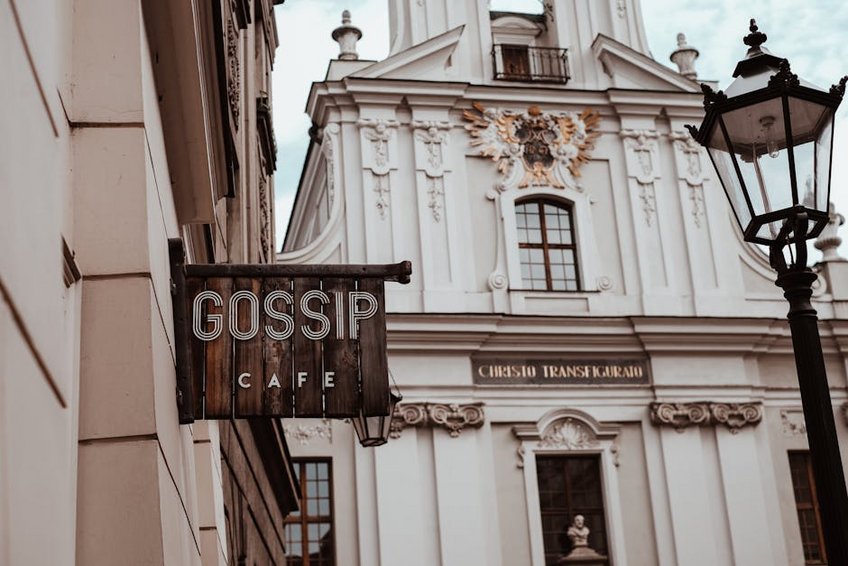
Alt: “krakow-old-town-square-medieval-architecture-historic-landmark”
Historical Tour in Krakow – Planning Your Visit
Organizing your historical tour in Krakow requires consideration of season, interests, and pace. The city is a year-round destination, but late spring and early fall offer the best balance of pleasant weather and manageable crowds. Focus your lodging in or near the Old Town for walkable access to primary sites, and consider purchasing a Krakow Card for streamlined entry to multiple museums. Allocate at least three full days to cover the major districts without rushing.
Best Time to Visit for Historical Exploration
Visit Krakow between May-June or September-October for optimal historical touring conditions. Daytime temperatures range from 60-75°F (15-24°C) with longer daylight hours, ideal for extensive walking. These shoulder seasons see fewer tourists than July-August, allowing for better access to popular sites like Wawel Cathedral. Winter months from December to February are cold (25-35°F / -4 to 2°C) but offer a magical, crowd-free atmosphere, especially around the Christmas market.
Major holidays like Easter and Christmas bring special markets and traditions but also attract larger domestic crowds. Weekdays are generally quieter than weekends at all major attractions.
Budget Planning and Costs
Historical touring in Krakow accommodates various budgets, with many significant sites being low-cost or free.
Essential Preparation Checklist
Pack comfortable, supportive walking shoes as you’ll traverse cobblestone streets for miles each day. Bring layers, including a waterproof jacket, as weather can shift quickly. For visiting sacred sites like Wawel Cathedral or active churches, modest dress covering shoulders and knees is required and respected.
Ensure your passport is valid for at least three months beyond your stay. U.S. and EU citizens do not need a visa for tourist stays under 90 days. Book popular guided tours and Wawel Castle tickets online several weeks in advance, especially for summer travel. Consider travel insurance that covers medical emergencies and trip interruptions.
Top Historical Attractions and Must-See Sites
Krakow’s historic core is densely packed with landmarks. Begin your exploration at the Main Market Square, one of Europe’s largest medieval town squares, and let the layout of the Old Town guide you. Wawel Hill, visible from the square, should be your next major destination, followed by the contemplative journey through Kazimierz and the sobering visit to the former factory in Podgórze. Each site tells a different chapter of the same profound story.
Must-See Highlights
Wawel Royal Castle and Cathedral are the undisputed centerpieces of Polish history. The Castle’s State Rooms and Royal Private Apartments showcase Renaissance art and period furnishings, while the Cathedral is the burial site of monarchs and national heroes. Entry to the Cathedral is free, but tickets for specific areas like the Sigismund Bell Tower or Royal Tombs cost approximately $5-10 USD. Book a timed-entry ticket online to avoid long queues.
St. Mary’s Basilica, with its iconic uneven towers, dominates the Main Market Square. Its interior is a breathtaking masterpiece of Gothic art, highlighted by Veit Stoss’s wooden altarpiece. A small entrance fee (about $3 USD) is required, and visiting hours can be limited due to religious services. Cloth Hall (Sukiennice) in the square’s center has been a trading hub since the Renaissance and now houses the Gallery of 19th-Century Polish Art on its upper floor.
Hidden Gems and Local Favorites
Venture to the Krakow Barbican and the remaining fragment of the Florian’s Gate city walls for a sense of the city’s medieval fortifications. The nearby Czartoryski Museum, home to Leonardo da Vinci’s “Lady with an Ermine,” is a world-class collection often overlooked. In Kazimierz, seek out the Old Synagogue, Poland’s oldest surviving synagogue, now a museum of Jewish history and culture.
For a unique perspective, visit the St. Adalbert’s Church underground museum beneath the Main Market Square, which reveals archaeological layers of the city’s past. The Pharmacy Under the Eagle in the Podgórze district tells the story of the Krakow Ghetto through the lens of its Polish pharmacist caretaker, offering a deeply personal historical account.
World War II and Jewish Heritage Sites
The historical narrative in Krakow takes a solemn turn with sites related to WWII. Oskar Schindler’s Enamel Factory in Podgórze is now a powerful museum on the Nazi occupation of Krakow. Ghetto Heroes Square, filled with empty chairs, is a poignant memorial in the former Jewish Ghetto. A visit to the nearby Auschwitz-Birkenau Memorial and Museum, located about 90 minutes away, is a profoundly moving, though emotionally heavy, day trip that many historians consider essential.
Practical Travel Information for Krakow
Navigating Krakow is straightforward thanks to its compact center and efficient public transport. The city is served by John Paul II International Airport (KRK), with convenient train and bus links to the main station. Once downtown, almost all key historical sites are within a 30-minute walk. For longer distances, trams are frequent, cheap, and easy to use with a contactless payment card.
Accommodation ranges from hostels in historic buildings to five-star hotels. Staying within the Planty Park ring ensures you are within a 15-minute walk of the Old Town Square, Wawel Castle, and the edge of Kazimierz.
| Category | Options/Features | Price Range (USD) |
|---|---|---|
| Budget Hostels | Dorm beds in restored townhouses, social atmosphere, central locations. | $15-30 per night |
| Mid-Range Hotels | 3-4 star hotels with private baths, often in historic buildings, breakfast included. | $70-120 per night |
| Boutique/Apartments | Luxury apartments or hotels with period decor, located in prime Old Town streets. | $150-300+ per night |
| Transport (Daily) | Unlimited tram/bus pass, taxi from airport to center, walking (free). | $2-5 (pass) / $25 (taxi) |