Historic Bridges in Turkey: Engineering Marvels Connecting Eras
Turkey’s landscape is stitched together by historic bridges, stone and iron testaments to empires that mastered architecture across millennia. Your journey across these structures reveals Roman aqueducts, Seljuk trade routes, and Ottoman elegance, each span telling stories of conquest, commerce, and cultural exchange. This guide explores the most significant bridges, from the iconic spans of Istanbul to hidden Roman gems, providing detailed travel plans to help you walk through history.
Essential Information on Turkey’s Bridge Heritage
Turkey’s strategic location between continents made bridge-building essential for military campaigns and the Silk Road. The oldest examples date to the Roman era, utilizing advanced arch techniques that still stand today. Successive empires—Byzantine, Seljuk, and Ottoman—each added layers of architectural innovation and decorative artistry.
These structures were far more than river crossings. They served as caravanserais, marketplaces, and social hubs, with many featuring ornate inscriptions and reliefs. Understanding this context transforms a visit from sightseeing to a deep exploration of Anatolian civilization’s logistical and artistic achievements over 2,000 years.
Key Historical Periods and Styles
Recognizing the architectural signatures of each era enriches your visit significantly. The evolution is clear across the country’s diverse regions.
- Roman & Byzantine (1st-11th Century): Characterized by semi-circular stone arches, robust piers, and functional design for legions and aqueducts. Key examples include the Justinian Bridge in Adana and the Aesepus Bridge.
- Seljuk (11th-13th Century): Introduced pointed arches, intricate stone masonry, and often incorporated caravanserais. Bridges like the Sultan Han Bridge near Kayseri showcase this ornate, practical style for trade caravans.
- Ottoman (14th-19th Century): Featured elegant, multi-arched designs with decorative niches, inscriptions (kitabe), and sometimes pavilions (köşk). Masterpieces include the Büyükçekmece Bridge in Istanbul and the Uzunköprü, the longest stone bridge in Turkey.
- Budget ($700-$900): Stay in hostels or guesthouses, use intercity buses, and focus on free urban bridges. This budget covers meals at local lokantas, public transport, and visiting a few paid historical sites. A three-day rental car for rural exploration is feasible if splitting costs with others.
- Mid-Range ($1,200-$1,800): This allows for comfortable hotels, a full-week rental car for flexibility, guided walking tours in major cities, and meals at a mix of casual and mid-range restaurants. You can comfortably visit paid attractions like the Topkapi Palace for broader historical context.
- Luxury ($2,500+): Includes stays in boutique hotels or restored caravanserais, private guided tours with transportation and expert historians, fine dining experiences, and helicopter tours over major sites like the Bosphorus bridges for unique perspectives.
- Republic of Türkiye Ministry of Culture and Tourism
- UNESCO World Heritage Centre – Turkey Tentative List
Understanding Bridge Architecture
The engineering behind these structures is as impressive as their history. Roman builders used cofferdams to construct piers in rivers, while the distinctive humpback shape of many Ottoman bridges was designed to withstand powerful floodwaters. The keystone at the apex of each arch was the crucial element locking the entire structure in place.
Look for construction details like cutwaters (triangular projections on piers to break river flow), parapet walls, and decorative elements. Many bridges also feature historical inscriptions detailing the architect, patron, and construction date, often in Arabic or Ottoman script, providing a direct link to their creators.
Regions and Clusters
Historic bridges are concentrated along ancient trade and military routes. The Eastern Black Sea region holds stunning examples like the Hızırilyas Bridge. Central Anatolia, following the old Silk Road, is dotted with Seljuk marvels. Thrace (European Turkey) features magnificent Ottoman works, while the Aegean and Mediterranean coasts preserve Roman engineering.
Planning a route around a specific region or era is often more rewarding than chasing isolated examples. For instance, a road trip through the Sakarya River basin reveals a succession of beautiful Ottoman spans built by the famed architect Mimar Sinan.
Alt: “ottomon-buyukcekmece-bridge-istanbul-stone-arches-water”
Historic Bridges in Turkey – Planning Your Trip
A successful tour of Turkey’s historic bridges requires blending urban exploration with rural road trips. While iconic spans like the Galata Bridge are in city centers, many masterpieces are in small towns or countryside settings. Your itinerary should balance accessibility with adventure, allocating time for both major landmarks and off-the-beaten-path discoveries.
Budget considerations vary widely. Viewing urban bridges costs nothing, while visiting remote ones requires a rental car. Mid-range budgets allow for guided historical tours in cities like Istanbul or Edirne, which provide expert context you might otherwise miss. Always factor in entrance fees for associated museums or caravanserais.
Essential preparation involves checking local access, as some bridges are on active roads while others are pedestrian-only. Research seasonal weather, as spring and autumn offer the best conditions for photography and comfortable travel between sites across different regions.
Best Time to Visit Turkish Bridges
The ideal months for exploring are April-June and September-October. During these periods, daytime temperatures range from a pleasant 65-80°F (18-27°C), and rainfall is generally low. This weather is perfect for walking across bridges and exploring surrounding areas without summer’s intense heat, which can reach 95°F (35°C) inland.
Visiting in shoulder seasons also avoids peak summer crowds, especially at famous sites near Istanbul. Winter (December-February) can be rewarding for moody photography, with temperatures from 30-50°F (-1 to 10°C), but snow may limit access to bridges in eastern Anatolia. Always verify road conditions for rural locations during colder months.
Budget Planning and Costs
Costs depend heavily on your transportation choices and desired comfort level. Here’s a realistic breakdown for a one-week focus on bridge tourism.
Essential Preparation Checklist
Pack comfortable walking shoes with good grip for often-slippery historic stone surfaces. Bring a quality camera or smartphone; a wide-angle lens is ideal for capturing entire structures. Include a portable power bank, a refillable water bottle, and sun protection for extensive outdoor exploration.
Ensure your passport is valid for six months beyond your entry date. US and EU passport holders can obtain an e-Visa online before travel. Purchase comprehensive travel insurance that covers road trips if you plan to drive. Book rental cars and central accommodations at least two months in advance for peak season travel.
Top Bridges and Architectural Attractions
Turkey boasts hundreds of historic spans, but several stand out for their beauty, engineering, and historical significance. These structures are destinations in themselves, often set within stunning natural landscapes or vibrant urban settings. Prioritizing which ones to visit depends on your interests, whether in Roman engineering, Ottoman elegance, or scenic beauty.
Beyond the famous examples, seeking out lesser-known bridges offers a more intimate and crowd-free experience. Many are integrated into local daily life, with tea gardens underneath or fishermen along their banks, providing authentic cultural moments alongside architectural appreciation.
Must-See Historic Bridges
The Galata Bridge in Istanbul is an icon, spanning the Golden Horn with its lower-level fish restaurants and upper-level constant buzz of pedestrians and fishermen. It offers unparalleled views of the old city skyline. Visit at sunset for the best photography light and atmosphere.
Uzunköprü (“Long Bridge”) in Edirne province is a UNESCO World Heritage tentative site. Stretching nearly 1,400 meters with 174 arches, it’s the world’s longest stone bridge from the medieval period. Walking its length is a journey through Ottoman engineering history, best visited in the morning light.
The Stone Bridge (Taşköprü) in Adana is a magnificent 4th-century Roman construction over the Seyhan River. It functioned for centuries as a vital link on military roads and remains a central city landmark. The surrounding park area is perfect for a stroll after viewing the bridge.
Hidden Gems and Local Favorites
Far from major tourist trails, the Hızırilyas Bridge in the Kaçkar Mountains is a stunning single-arch Ottoman bridge set against a dramatic forest and mountain backdrop. Access requires a drive on rural roads near Rize, but the scenic payoff is immense. The nearby village offers simple homestays.
The Justinian Bridge (Justinianus Köprüsü) near Adapazarı is a remarkably well-preserved late Roman/early Byzantine structure. Its grandeur is striking, yet it receives few visitors. It’s easily accessible from the D-100 highway, making it a perfect stop on a road trip between Istanbul and Ankara.
In the east, the Malabadi Bridge near Diyarbakır features the world’s largest pointed arch span from the Seljuk period. Its two-story design included rooms for travelers within the bridge itself. The remote location adds to its sense of timelessness and architectural wonder.
Bridges of the Bosphorus
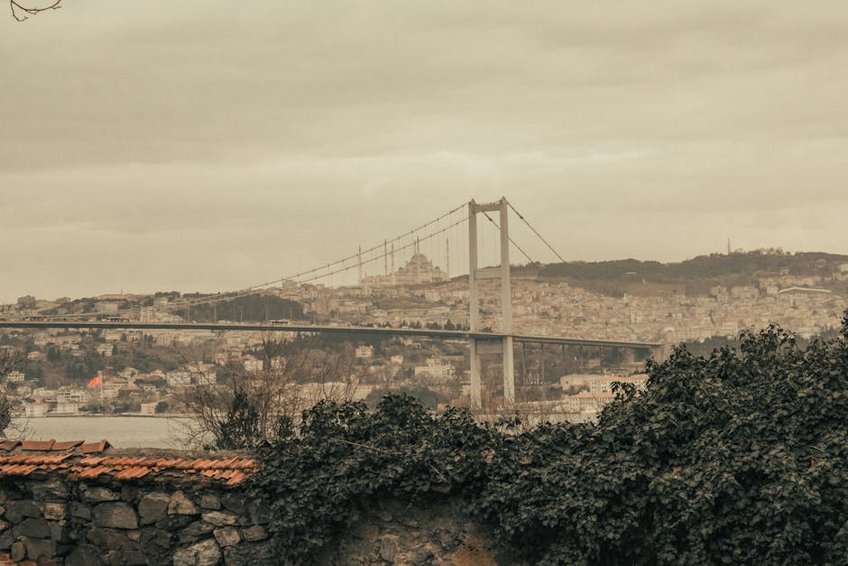
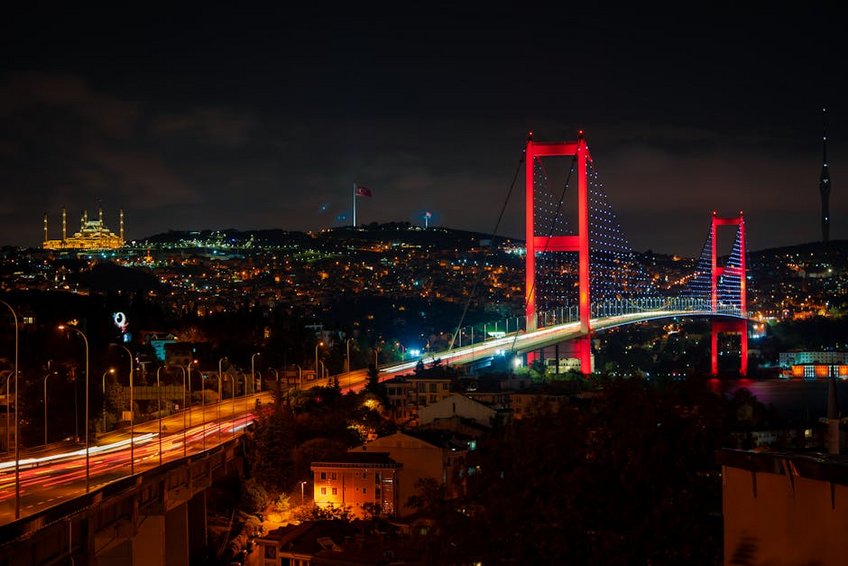
While modern feats of engineering, the Bosphorus bridges (15 July Martyrs Bridge and Fatih Sultan Mehmet Bridge) connect continents and offer a different historical narrative. View them from the waterfront neighborhoods of Ortaköy or Üsküdar, or take a sunset cruise on the strait to appreciate their scale. They symbolize modern Turkey’s ambition while standing in the shadow of ancient history.
Practical Travel Information and Logistics
Navigating Turkey to see its historic bridges involves a combination of domestic flights, long-distance buses, and rental cars. Major hubs like Istanbul, Ankara, and Izmir are well-connected by air. From there, buses reach provincial capitals efficiently, but a car is essential for reaching rural bridges. Driving in Turkey is generally safe on main highways, with secondary roads requiring more caution.
Accommodation ranges from international chains in cities to charming boutique hotels and pensions in towns near key sites. For an immersive experience, consider staying in a restored Ottoman house in cities like Safranbolu or Amasya, which are often close to historic bridges themselves.
| Transportation Method | Best For | Approx. Daily Cost (USD) |
|---|---|---|
| Intercity Bus (Metro, Pamukkale, etc.) | Travel between major cities (Istanbul, Ankara, Izmir, Bursa) | $15-$30 per person |
| Domestic Flight (Turkish Airlines, Pegasus) | Saving time for long distances (Istanbul to Van or Trabzon) | $50-$150 per leg |
| Rental Car (Economy) | Maximum flexibility for rural bridges and regional tours | $35-$60 per day (incl. insurance) |
| Local Guides & Tours | In-depth historical context in specific cities like Istanbul or Edirne | $80-$150 per day |