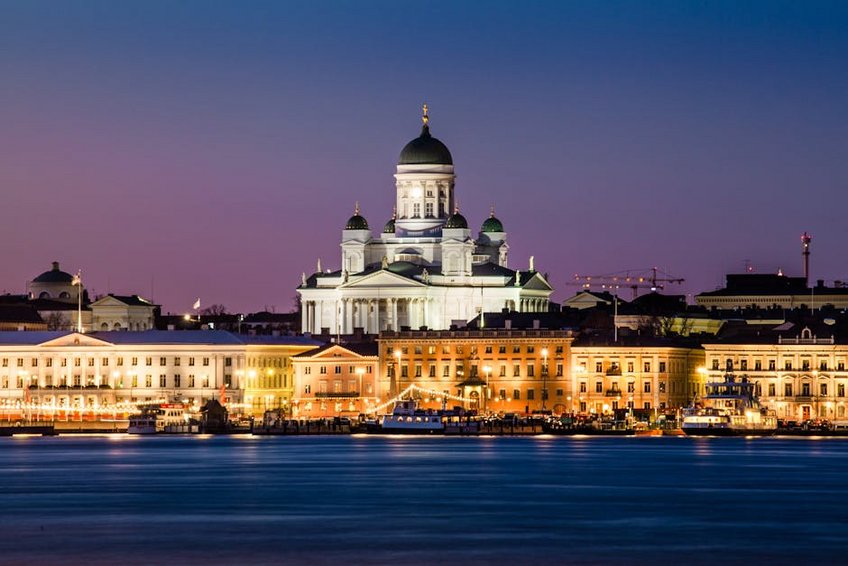
Helsinki Travel Guide: Discover the Cool Capital of the North
Finland’s seaside capital, Helsinki, masterfully blends cutting-edge Nordic design with deep-rooted traditions, offering travelers a compact and captivating city experience. Your Helsinki travel guide will navigate you through a city of green parks, innovative cuisine, and iconic architecture, all set against the backdrop of the Baltic Sea. This guide provides the essential planning tips, seasonal insights, and local knowledge to craft your perfect urban escape to this Northern European gem.
Essential Helsinki Information
Founded in 1550 by King Gustav I of Sweden, Helsinki became Finland’s capital in 1812, shifting influence from Stockholm to St. Petersburg. The city’s architectural heart, Senate Square, showcases this neoclassical Russian era, while the functionalist styles of Alvar Aalto reflect its modern identity. Today, the Helsinki metropolitan area is home to over 1.5 million people, representing nearly one-third of Finland’s entire population.
The city operates on a highly efficient public transport system and is consistently ranked as one of the world’s safest and most livable cities. Finnish culture values silence, personal space, and a profound connection to nature, even within the urban landscape. Understanding these subtle cultural nuances will greatly enhance your visit to this unique Nordic destination.
Key Facts and Figures
Before you arrive, a few quick facts will help you orient yourself in the Finnish capital.
- Currency is the Euro (€), and while cards are accepted almost universally, having some cash for small markets is wise. The city is in the Eastern European Time Zone (EET, UTC+2) and observes daylight saving time.
- Finnish and Swedish are both official languages, but English proficiency is exceptionally high. You will have no trouble communicating anywhere in the city, from restaurants to bus drivers.
- The Helsinki region encompasses over 300 islands, and the city’s shoreline stretches for nearly 100 kilometers. Summer brings nearly 19 hours of daylight, while winter offers just under 6 hours, creating dramatically different experiences.
- Budget Traveler ($70-$100/day): Stay in hostels like Eurohostel ($30/night), use public transport day passes ($9), eat supermarket meals or cheap lunch buffets ($10-15), and focus on free sights like Suomenlinna and parks.
- Mid-Range Traveler ($150-$250/day): Comfortable hotel stays in Kallio or Kamppi districts ($120/night), dine at casual restaurants for lunch and dinner ($50/day), take guided walking tours ($30), and visit 2-3 major museums.
- Luxury Traveler ($350+/day): Boutique design hotels like Hotel St. George ($300/night), fine dining at restaurants like Olo or Grön ($150+ per meal), private archipelago boat tours ($200), and spa treatments at Allas Sea Pool.
- MyHelsinki Official Travel Guide
- Lonely Planet Helsinki Guide
- Helsinki Region Transport (HSL)
Understanding Finnish Culture
Finnish social etiquette is famously reserved but incredibly genuine. Small talk is minimal, and silence in conversations is comfortable, not awkward. This respect for quiet extends to public transport and cafes, where loud conversations are uncommon. However, Finns are famously helpful if approached, known for their “sisu” – a concept of stoic determination and grit.
Sauna culture is inseparable from Finnish life, with an estimated 3 million saunas in the country for 5.5 million people. It’s a place for physical and mental cleansing, not socializing. Remember to be punctual for all appointments and bookings, as timeliness is highly valued. Tipping is not expected but appreciated for exceptional service, usually by rounding up the bill.
Climate and Weather Patterns
Helsinki experiences four distinct seasons, each with a strong character. Winters are cold and dark, with average temperatures from 20°F to 30°F (-7°C to -1°C) and regular snowfall from December through March. The Baltic Sea moderates the climate, preventing extreme cold snaps common in inland Finland.
Spring arrives slowly in April and May, with temperatures rising to 40°F-55°F (4°C-13°C). Summer, from June to August, is mild and glorious, with long days and temperatures averaging 60°F-75°F (15°C-24°C). Autumn sees crisp air and stunning foliage in September and October before the darkness returns.
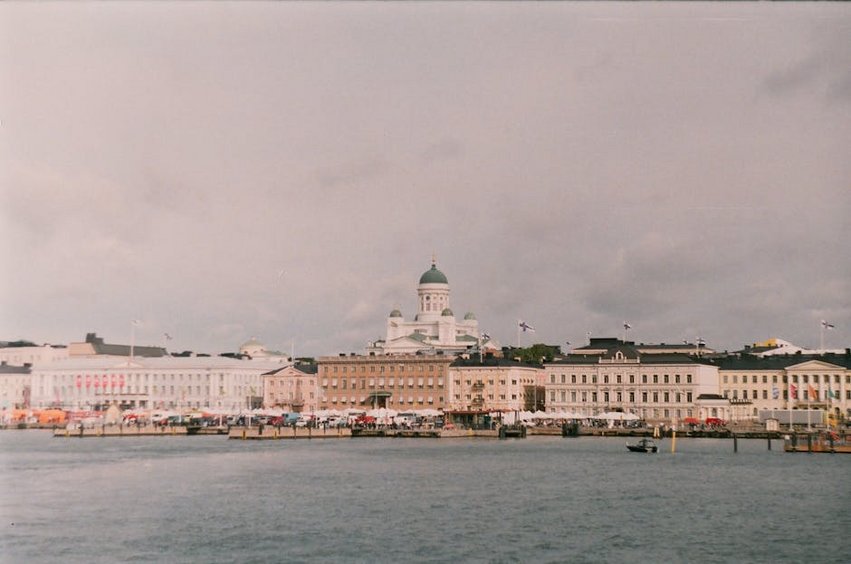
Alt: “helsinki-cityscape-senate-square-neoclassical-architecture-winter”
Helsinki Travel Guide – Planning Your Trip
Crafting an itinerary for the Finnish capital requires balancing iconic sights with local lifestyle experiences. A well-planned Helsinki city break efficiently explores design districts, island fortresses, and cozy cafes. Your visit’s success hinges on choosing the right season and embracing the local pace, whether you’re hunting for the midnight sun or the Northern Lights from the city’s outskirts.
Budgeting realistically is crucial, as Nordic travel carries premium costs for dining and accommodation. However, many top attractions like churches, parks, and waterfront walks are completely free. Investing in a Helsinki Card can provide significant savings on museums, public transport, and ferry rides if you plan to visit several paid sites.
Best Time to Visit Helsinki
The ideal time for a classic visit is from late May to early September. You’ll enjoy long daylight hours, outdoor terraces, and warm temperatures averaging 65°F (18°C). This peak season is perfect for visiting the archipelago islands and attending open-air festivals. Book accommodations at least three months in advance for July visits.
Shoulder seasons in late May and September offer fewer crowds and lower prices, with temperatures a cooler 50°F-60°F (10°C-15°C). Winter appeals to those seeking festive Christmas markets, snowy landscapes, and the chance to see the aurora borealis on clear nights. February hosts the annual Helsinki Winter Festival with ice swimming and snow activities.
Budget Planning and Costs
Daily costs in Helsinki vary widely based on your travel style. Here is a breakdown of what to expect across different budgets.
Essential Preparation Checklist
Pack layers regardless of season, including a waterproof jacket and comfortable walking shoes. Winters demand a warm coat, insulated boots, hat, gloves, and thermal base layers. Summers require a light jacket for cool evenings and sunglasses for the extended daylight. Always bring a swimsuit for sauna and possible dip opportunities.
EU and US passport holders do not need a visa for stays under 90 days. Ensure your passport is valid for at least three months beyond your departure date. Purchase comprehensive travel insurance covering medical emergencies. For more details on Nordic travel preparation, read our Scandinavia travel tips guide. Download the HSL app for public transport tickets and the ResQ app for discounted restaurant meals.
Top Attractions and Local Experiences
The city’s compact center is walkable, with major landmarks clustered together. Start at the bustling Market Square (Kauppatori) by the water, where you can sample local snacks before exploring the adjacent presidential palace and historic market hall. From there, a short walk leads to the stunning Helsinki Cathedral, the symbolic white icon of the city dominating Senate Square.
For a complete contrast, visit Temppeliaukio Church, a Lutheran church carved directly into solid rock with a striking copper dome roof. Meanwhile, the Kamppi Chapel of Silence offers a serene, non-denominational space for quiet contemplation amidst the urban bustle. Each architectural masterpiece tells a different part of Helsinki’s spiritual and design story.
Must-See Highlights
Suomenlinna Sea Fortress is a UNESCO World Heritage site spread across six interconnected islands. A 15-minute public ferry ride from Market Square delivers you to this 18th-century fortress, where you can explore tunnels, museums, and cafes. Allow at least half a day to walk the scenic paths and enjoy panoramic views back toward the city.
The Design District, centered around Punavuori and Kamppi neighborhoods, is a must for style enthusiasts. Browse flagship stores for iconic brands like Marimekko, Iittala, and Artek. The Design Museum and the Museum of Finnish Architecture provide deeper context. Entry to these museums typically costs around €15-18 per person.
Hidden Gems and Local Favorites
Venture beyond the center to the Kallio district, a traditionally working-class area now popular for its vibrant, unpretentious vibe. Here you’ll find authentic vintage shops, budget-friendly ethnic eateries, and the classic Kallio Library. Ride the iconic old tram number 3 or 9 from the center to get there and see a different side of local life.
For a true nature escape, head to Nuuksio National Park, just a 40-minute bus ride from Helsinki Central Station. Well-marked trails lead past serene lakes, through pine forests, and over rocky hills, perfect for hiking and berry picking. In winter, the trails transform for cross-country skiing, offering a pristine Arctic landscape easily accessible from the city.
Island Hopping in the Archipelago
Helsinki’s archipelago is a playground of thousands of islands. Public ferries provide affordable access to several. Pihlajasaari is a favorite for its sandy beaches and sheltered coves, ideal for a summer picnic. Vallisaari, a former military island, has recently opened to the public, showcasing untouched nature and decaying fortifications.
For a longer adventure, consider a ferry trip to the historic town of Porvoo, Finland’s second-oldest town. Its colorful wooden riverside warehouses are iconic. Alternatively, the nearby island fortress of Viapori offers more military history. Regular ferry services run daily from May to September, with tickets costing approximately €8-15 round trip.
Practical Travel Information
Navigating Helsinki is straightforward thanks to its integrated HSL public transport system, which includes trams, buses, metros, and ferries. Purchase single tickets, day passes, or multi-day passes via the HSL app, at ticket machines, or at R-kiosks. The city center is very walkable, and the compact tram network is an efficient and scenic way to get around.
Accommodation options range from high-end design hotels to functional hostels and a growing number of Airbnb apartments. Central neighborhoods like Kluuvi and Kamppi offer the best proximity to sights but come at a premium. Slightly further out, Punavuori and Kallio provide more local character and better value, with excellent tram connections.
| Accommodation Type | Best Areas & Features | Avg. Nightly Price (USD) |
|---|---|---|
| Luxury Design Hotel | Kluuvi/Kamppi, sauna, central location, high-end dining | $250 – $450 |
| Mid-Range Business Hotel | Jätkäsaari, airport shuttle, breakfast included, modern rooms | $130 – $220 |
| Boutique/Boutique Hostel | Punavuori/Kallio, unique design, social atmosphere, kitchen access | $80 – $150 |
| Budget Hostel/Apartment | Vallila/Sörnäinen, self-catering, shared facilities, good transit links | $50 – $100 |