Gothic Architecture in Prague: Exploring Europe’s Medieval Masterpiece
Prague’s cityscape is a breathtaking timeline of European design, where Gothic architecture forms the dramatic, soaring heart of its historic core. The Czech capital preserves one of the world’s most extensive and intact collections of medieval structures, from the immense Prague Castle complex to the iconic Charles Bridge. Exploring this stone-built legacy offers a direct journey into a pivotal era of art, religion, and civic ambition that defined Central Europe.
Essential Historical Context
The Gothic period in Bohemia, spanning roughly from the mid-13th to early 16th centuries, transformed Prague into a major political and cultural capital of the Holy Roman Empire. This architectural revolution arrived from France, adapted by local builders and patrons like Emperor Charles IV, whose 14th-century building campaigns shaped the city’s enduring image. The style’s emphasis on verticality, light, and intricate stonework was used to express both divine aspiration and burgeoning civic pride.
Unlike many European cities, Prague escaped major damage during World War II and subsequent modern redevelopment, leaving its medieval core remarkably preserved. This continuity allows visitors to experience the original spatial relationships between churches, town halls, and residential buildings. The preservation offers a rare, cohesive insight into medieval urban life and aesthetics.
Defining Features of Prague’s Gothic Style
Recognizing key elements enhances your appreciation for the stonework across the city.
- Rib Vaults & Flying Buttresses: These engineering innovations allowed builders to create taller, lighter walls filled with stained glass, best seen in St. Vitus Cathedral’s choir and the imposing internal structure of the Old Town Hall.
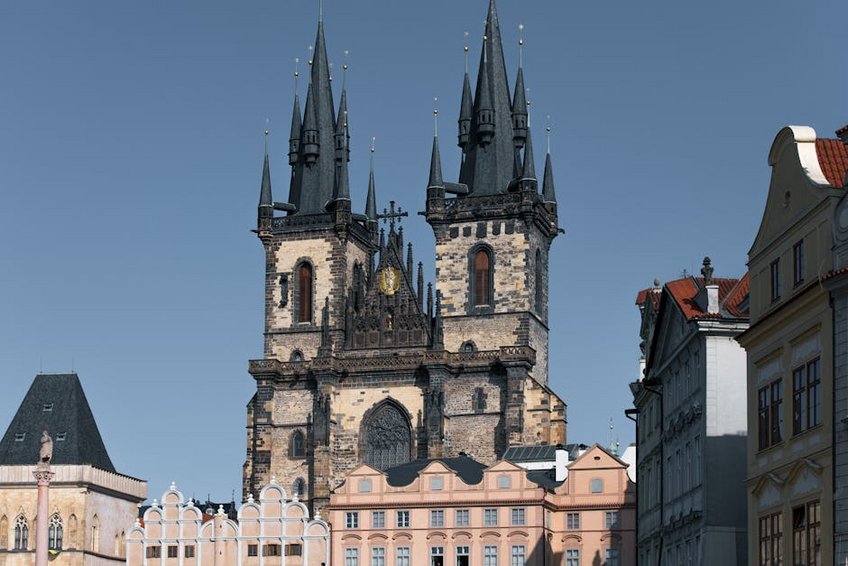
- Pointed Arches & Rose Windows: The characteristic pointed arch redistributes weight efficiently, while large circular rose windows, like on the Týn Church façade, depict biblical stories in stone tracery and colored glass.
- Ornate Stone Tracery & Gargoyles: Functional waterspouts carved as grotesque figures and delicate, lace-like stone patterns decorating windows and portals showcase the period’s exceptional craftsmanship.
- Budget Traveler ($60-80 USD/day): Stay in a hostel dormitory, use public transport passes, enjoy street food and supermarket picnics, and focus on free exterior viewing of monuments. Allocate funds for one or two key interior tickets.
- Mid-Range Traveler ($120-180 USD/day): This allows for a private hotel room in a central location, meals at traditional pubs (hospoda), a Prague Card for site entries, and occasional taxi rides. You can comfortably visit most paid interiors.
- Luxury Traveler ($300+ USD/day): Stay at a historic five-star hotel, dine at acclaimed restaurants, hire a private guide for specialized architectural tours, and enjoy exclusive early-access tours to major sites before they open to the public.
- Official Prague City Tourism Portal
- UNESCO World Heritage Listing for Prague
Key Periods and Patrons
Prague’s Gothic era progressed through distinct phases, each with influential patrons. Early Gothic, from the 1230s, is represented by the convent of St. Agnes, founded by a Bohemian princess. The radiant High Gothic style flourished under Emperor Charles IV in the 14th century, funding St. Vitus Cathedral and the New Town district.
The Late Gothic or “Jagellonian” period in the 15th and early 16th centuries saw more ornate, decorative virtuosity after the Hussite Wars. This final phase produced masterpieces like the Vladislav Hall in Prague Castle and the powder gate, blending Gothic with emerging Renaissance ideas just before the style faded.
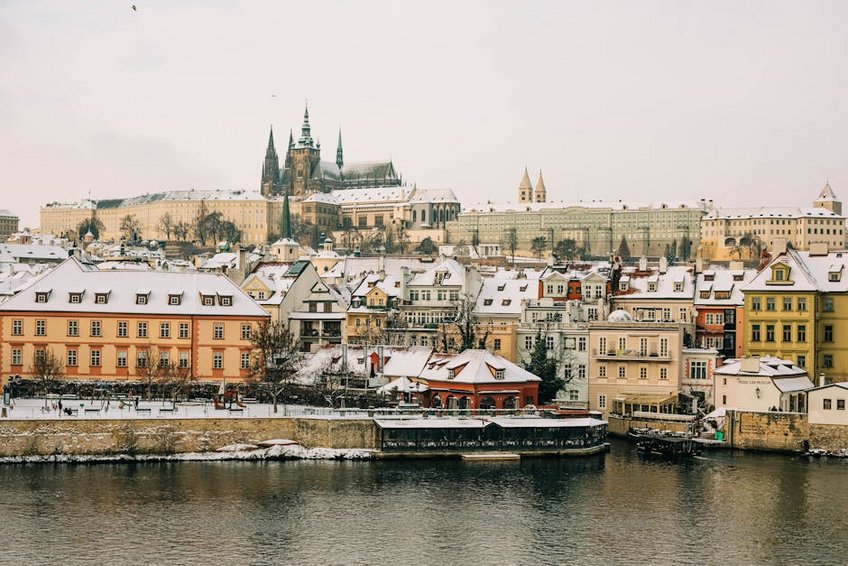
Alt: “prague-charles-bridge-gothic-tower-medieval-skyline”
Gothic Architecture in Prague – Planning Your Visit
To truly appreciate the Czech capital’s medieval marvels, strategic planning is essential. Focus your itinerary on the three main historic districts—Hradčany (Castle District), Malá Strana (Lesser Town), and Staré Město (Old Town)—which are all within walking distance of each other. A focused exploration of Gothic architecture in Prague requires at least three full days to visit the major exteriors and key interior spaces without rushing.
Budget-conscious travelers can explore most exterior views and public squares for free, while entrance fees for major interiors like St. Vitus Cathedral or the Old Town Hall tower range from $8 to $15 USD. Consider purchasing a Prague Card for bundled entry if you plan to visit multiple paid sites. Comfortable walking shoes are non-negotiable, as the historic cobblestone streets are uneven and extensive.
Best Time to Visit for Architecture Enthusiasts
The ideal months for comfortable exploration are the shoulder seasons of April-May and September-October. During these periods, daytime temperatures range from 55-68°F (13-20°C), crowds are thinner than in summer, and the natural light is excellent for photography. Winter months from December to February offer a magical, crowd-free atmosphere with possible snow dusting the stone spires, though temperatures often sit between 28-38°F (-2 to 3°C) and daylight hours are short.
Summer brings long days and vibrant festival energy but also peak tourist numbers, leading to long queues at major attractions. If visiting in June-August, book all timed-entry tickets online well in advance and plan to visit popular sites like Prague Castle right at opening time, typically 9:00 AM.
Budget Planning and Costs
Your daily budget varies significantly based on accommodation and dining choices.
Essential Preparation Checklist
Prepare for variable Central European weather and complex site logistics. Pack layered clothing including a waterproof jacket, a compact umbrella, and sturdy, broken-in walking shoes. Bring a quality camera with a wide-angle lens to capture tall façades and vaulted ceilings, as smartphone cameras often struggle in dim church interiors.
Ensure your passport is valid for at least three months beyond your planned departure from the Schengen Area. While U.S. and EU citizens do not need a visa for stays under 90 days, travel insurance with medical coverage is highly recommended. Book your accommodation and any guided tours at least two to three months in advance for peak season visits.
Top Gothic Sites and Activities
Beyond the famous landmarks, the city’s fabric is woven with lesser-known gems. Wandering the narrow alleys of the Old Town reveals guild houses with preserved Gothic cores behind Baroque façades. The “Royal Route,” the historic coronation path, connects many major sites and makes for a superb self-guided walking tour. Look upward to spot original Gothic gables, oriels (bay windows), and stone shields.
For a deeper understanding, consider the context of each building. Churches like St. Vitus were expressions of royal power and piety, while the Old Town Hall symbolized growing bourgeois influence. The defensive walls and gate towers, such as the Powder Gate, speak to the city’s medieval fortifications. Each structure tells part of Prague’s complex historical narrative.
Must-See Highlights
St. Vitus Cathedral at Prague Castle is the undeniable masterpiece. Its construction spanned nearly 600 years, resulting in a fascinating blend of Gothic, Neo-Gothic, and other styles. The interior holds the tombs of Bohemian kings and stunning stained-glass windows, including one designed by Art Nouveau artist Alfons Mucha. Admission to the cathedral’s nave is free, but a ticket (approx. $10 USD) is required for the full circuit including the choir and crypt.
The Old Town Hall with its Astronomical Clock and the adjacent Týn Church dominate the Old Town Square. Climb the Old Town Hall tower for a panoramic view that clarifies the medieval street layout. The Church of Our Lady before Týn, with its twin 80-meter spires, houses a magnificent Gothic altarpiece and the tomb of astronomer Tycho Brahe. Both exteriors are free to admire at all hours.
Hidden Gems and Local Favorites
Venture beyond the main squares to discover authentic treasures. The Church of St. Martin in the Wall, located in the New Town, is a rare example of a Romanesque church later rebuilt in the Gothic style, its name derived from its incorporation into the medieval fortification wall. The often-overlooked St. Agnes Convent, now part of the National Gallery, is a serene complex of early Gothic buildings housing a superb collection of medieval Bohemian art.
For a unique perspective, walk across the Charles Bridge at dawn to see the statues and gate towers silhouetted against the morning light without the crowds. Explore the vaulted Gothic cellars, many now converted into atmospheric restaurants, which reveal the original street level of the medieval city, several meters below the present-day pavement.
Specialized Photography Tours
Guided photography walks can help you capture the architecture’s grandeur. Expert guides know the best angles for shooting the Prague Castle complex from across the river and the ideal times for soft light on intricate stone tracery. Some tours offer exclusive early-morning access to popular locations. These specialized walks typically cost $50-80 USD for a three-hour session and provide technical advice for dealing with high-contrast lighting conditions common in narrow streets.
Practical Travel Information
Navigating Prague is straightforward with its efficient public transport system. The city is served by Václav Havel Airport (PRG), with direct flights from major European and several U.S. hubs. From the airport, the Airport Express bus connects directly to the main train station (Hlavní nádraží) in about 35 minutes for $3 USD, or taxis cost approximately $25-30 USD to the city center.
Accommodation spans from hostels to luxurious historic hotels. For the best Gothic atmosphere, stay in the Old Town (Staré Město) or the Lesser Town (Malá Strana), though these areas command premium prices. The neighborhoods of Vinohrady or Žižkov offer more local character and better value, just a short tram ride from the historic core.
| Accommodation Type | Best For & Features | Avg. Nightly Price (USD) |
|---|---|---|
| Historic Center Hotel | Atmosphere & walkability; often in restored period buildings with modern amenities. | $120 – $300+ |
| Boutique Hotel/Pension | Character & personalized service; frequently located in quieter alleys. | $80 – $180 |
| Vacation Rental Apartment | Families or longer stays; provides kitchen and living space. | $70 – $150 |
| Hostel / Budget Hotel | Solo travelers & tight budgets; basic facilities, often near public transport. | $25 – $60 |