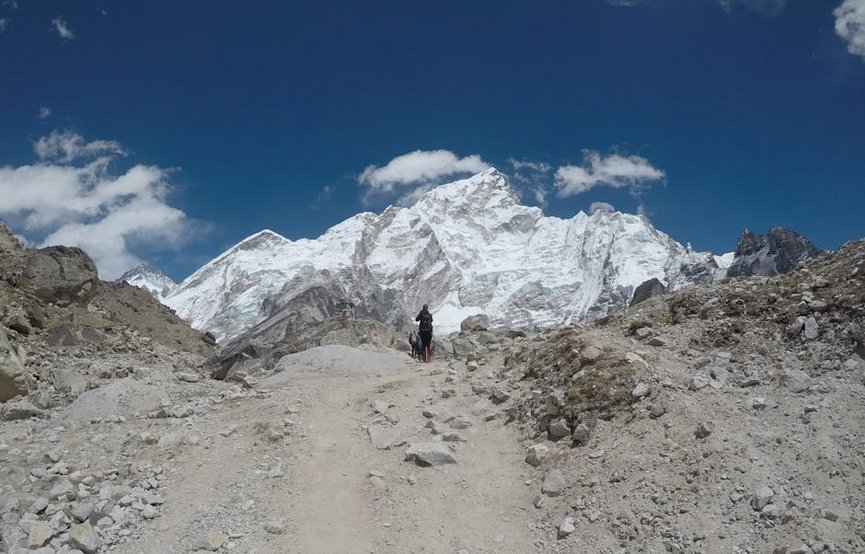
Everest Views in Nepal: Your Guide to the Ultimate Mountain Vistas
Witnessing Mount Everest from Nepal offers a profound connection to the planet’s highest point, an experience combining breathtaking natural beauty with rich cultural heritage. This journey is about more than just a single viewpoint; it involves understanding the different regions, choosing the perfect trek or flight, and respecting the dramatic Himalayan environment. Our guide provides detailed, practical advice to help you plan a successful trip to achieve the most memorable Everest views in Nepal, covering everything from permits and timing to photography tips and cultural etiquette.
Essential Information About Viewing Everest
The Nepali side of Mount Everest, known locally as Sagarmatha, resides within the protected Sagarmatha National Park, a UNESCO World Heritage Site. This designation helps preserve the fragile alpine ecosystem and the unique Sherpa culture. The mountain sits on the border between Nepal’s Solukhumbu District and the Tibet Autonomous Region of China, with the most accessible and iconic vistas found within Nepal.
Accessing the world’s tallest peak requires careful planning due to high altitude, variable weather, and necessary permits. While direct summit climbs are for a select few, numerous accessible options exist for trekkers, flyers, and cultural travelers to witness its majesty. The infrastructure in the Everest region has evolved significantly since the first ascent, offering a range of experiences from rustic teahouse treks to luxurious lodge stays with panoramic windows.
Understanding the Key Viewing Regions
Different locations offer distinct perspectives of the Himalayan giant. Your choice will define the entire character of your adventure.
- Everest Base Camp (EBC) Trek: The classic journey takes you to the foot of the Khumbu Icefall at 5,364m (17,598ft). The view from Kala Patthar (5,643m/18,513ft), a short hike from Gorak Shep, is widely considered the single best vantage point for a close-up of Everest’s summit pyramid.
- Everest View Hotel & Syangboche: For a comfortable, high-altitude vista without the long trek, this area near Namche Bazaar offers stunning panoramas of Everest, Lhotse, and Ama Dablam from the world’s highest-placed hotel, accessible via a short flight and hike.
- Gokyo Lakes Trek: This alternative route provides a different, often less crowded, perspective from Gokyo Ri (5,357m/17,575ft), showcasing Everest over the turquoise Gokyo Lakes and the massive Ngozumpa Glacier.
- Budget Trekker (Independent): $25-40 per day covers basic teahouse lodging, dal bhat meals, and permits. A 14-day EBC trek totals ~$800-$1,200 plus flights ($350 round-trip) and gear. This requires self-guided logistics and resilience.
- Mid-Range Guided Group: $1,800-$3,500 for a 12-14 day all-inclusive trek. This covers permits, a guide/porter, lodging, meals, and domestic flights. It offers support, security, and local insight without luxury frills.
- Luxury Lodge Trek: $5,000-$9,000+ for itineraries staying at upgraded lodges like Yeti Mountain Home or Everest Summit Lodges, featuring heated rooms, attached bathrooms, and gourmet meals. Includes expert guides and helicopter options for certain segments.
- Nepal Tourism Board
- Sagarmatha National Park Office
- CDC Travel Health Notice for Nepal
Altitude and Acclimatization Facts
Altitude sickness is the primary health concern when seeking Everest views in Nepal. Proper acclimatization is non-negotiable, not optional. The golden rule is to gain altitude slowly, generally not exceeding 300-500 meters (984-1,640 feet) of sleeping altitude gain per day once above 3,000 meters.
Trekking itineraries build in acclimatization days, often in villages like Namche Bazaar and Dingboche, where you hike higher during the day but sleep lower. Symptoms like headache, nausea, and dizziness should be taken seriously; the only cure is immediate descent. Carrying medication like Acetazolamide (Diamox) is common, but it’s a preventative aid, not a substitute for proper pacing.
The Cultural Context: The Sherpa Homeland
The Solukhumbu region is the ancestral home of the Sherpa people, whose culture and Buddhist faith are deeply intertwined with the mountains. Monasteries like Tengboche are spiritual centers with incredible mountain backdrops. Respecting local customs, such as walking clockwise around mani walls and stupas, is an essential part of the journey.
The trekking economy supports many Sherpa families through guiding, lodge management, and portering. Engaging with this culture respectfully—learning a few words of Nepali or Sherpa, asking before taking portraits—enriches the experience far beyond the physical scenery. Your visit directly contributes to the sustainability of these high-altitude communities.
Alt: “everest-base-camp-trek-path-kala-patthar-viewpoint-himalayas”
Everest Views in Nepal – Planning Your Trip
Successfully experiencing the best Everest views in Nepal hinges on strategic planning around seasons, budget, and physical preparation. The weather in the Himalayas dictates everything, with narrow windows of ideal conditions. Your budget will determine your travel style, from independent teahouse trekking to guided luxury lodges, with costs varying dramatically.
Physically, you must honestly assess your fitness and begin training months in advance, focusing on cardiovascular endurance and leg strength. Mentally, prepare for basic accommodations, potential itinerary changes due to weather, and the profound simplicity of life on the trail. Booking flights and securing guides well ahead of peak seasons is crucial for securing the best options.
Best Time to Visit for Clear Vistas
The optimal windows for clear skies and stable weather are during the pre-monsoon (March to early May) and post-monsoon (late September to November) seasons. March-May offers warmer temperatures, blooming rhododendrons, and busier trails, with daytime temps at lower elevations ranging from 10-20°C (50-68°F) but dropping below freezing at night at higher camps.
Late September through November provides crystal-clear air, excellent visibility, and cooler, drier conditions, making it the most popular trekking period. December and February can be very cold but are less crowded, though some high passes may close. The monsoon (June-August) brings clouds, rain, leeches, and difficult flight conditions, generally making it unsuitable for mountain viewing.
Budget Planning and Costs
Costs vary widely based on style, duration, and services included. Flights from Kathmandu to Lukla are a significant fixed cost.
Essential Preparation Checklist
Packing correctly is critical for comfort and safety. Essential gear includes a -10°C (14°F) rated sleeping bag, layered clothing (moisture-wicking base, insulating mid, waterproof shell), broken-in trekking boots, trekking poles, a headlamp, and a quality daypack. Don’t forget high-SPF sunscreen, lip balm, and polarized sunglasses for intense UV radiation.
Required documentation includes a valid passport, Nepali visa (obtainable on arrival for most nationalities), TIMS card (Trekkers’ Information Management System), and Sagarmatha National Park permit. Purchase comprehensive travel insurance that explicitly covers emergency helicopter evacuation up to 6,000 meters. Begin cardiovascular training (hiking, stair climbing, running) at least 2-3 months prior.
Top Attractions and Viewing Experiences
The journey to see Everest is filled with iconic landmarks beyond the main peak itself. Each location offers a unique narrative, from the bustling gateway town of Namche Bazaar to the serene, high-altitude monasteries. Combining these stops creates a holistic Himalayan experience far richer than a single snapshot.
Allowing time to appreciate these places aids acclimatization and deepens your understanding of the region. Rushing from viewpoint to viewpoint increases the risk of altitude sickness and causes you to miss the subtle interplay of light on the peaks at dawn and dusk, which is often the most magical time for photography and reflection.
Must-See Highlights and Vantage Points
Kala Patthar (5,643m) is the undisputed champion for close-up, unobstructed views of Everest’s summit, South Col, and the Khumbu Glacier. The hike from Gorak Shep is steep and challenging, best attempted early in the morning for sunrise, which illuminates the peak in golden light. The effort is universally rewarded with a breathtaking panorama.
Everest Base Camp itself (5,364m) offers a more tactile experience amid the tents of climbing expeditions during the spring season. The view upward to the Khumbu Icefall is awe-inspiring, though the summit itself is not always visible from here. Tengboche Monastery (3,867m) provides a spiritual and scenic highlight, with a perfect ceremonial backdrop of Everest, Lhotse, and Ama Dablam.
Hidden Gems and Alternative Viewpoints
The Gokyo Ri summit (5,357m) presents a spectacular, less-traveled panorama that includes four 8,000-meter peaks: Everest, Lhotse, Makalu, and Cho Oyu, all reflected in the jewel-like Gokyo Lakes below. The climb is strenuous but the crowds are thinner than at Kala Patthar, offering a more solitary communion with the mountains.
For those not trekking, the Everest View Hotel near Syangboche delivers remarkable access. A one-hour scenic flight from Kathmandu to Lukla, followed by a two-day hike to the hotel, brings you to a terrace with a world-class vista. Similarly, the less-frequented villages of Phortse and Kongde offer stunning, quiet perspectives away from the main EBC trail.
Mountain Flight Experiences
For travelers with extreme time constraints or physical limitations, a one-hour mountain flight from Kathmandu provides guaranteed, up-close aerial views. Operators like Buddha Air and Yeti Airlines offer daily morning flights that cruise along the Himalayan range, bringing passengers within camera range of Everest’s summit.
These flights are weather-dependent and book out quickly. They are a fantastic alternative, though the experience is fleeting compared to the immersive journey of a trek. Window seats are mandatory, and booking on the right side of the aircraft (facing north) on the outbound journey generally offers the best views.
Practical Travel Information and Logistics
Navigating travel to and within the Everest region requires understanding a specific set of logistics. All journeys begin in Kathmandu, where you finalize permits and gear. The primary gateway to the mountains is a flight to Tenzing-Hillary Airport in Lukla, one of the world’s most dramatic airstrips, setting the tone for the adventure ahead.
Accommodation on the main trails consists of teahouses—basic lodges offering twin-bed rooms and shared bathrooms. Higher up, facilities become more rustic. Booking a guide or porter through a reputable agency in Kathmandu or Namche Bazaar is highly recommended for safety, cultural insight, and local support.
| Category | Options & Features | Price Range (USD) |
|---|---|---|
| Kathmandu-Lukla Flight | Round-trip on Yeti/Buddha Air; 35-min flight; 15kg baggage limit | $330-$380 |
| Teahouse Lodging (per night) | Basic room with shared toilet; price often waived if you eat meals there | $3-$8 |
| Guide Service (daily rate) | Licensed guide for trek logistics, navigation, and cultural interpretation | $25-$35 |
| Porter Service (daily rate) | Carries 15-20kg of luggage; maximum load is regulated for ethics | $20-$25 |