Doha Travel Guide: Modern Marvels Meets Arabian Tradition
Navigating Doha, the dynamic capital of Qatar, presents a fascinating journey where futuristic skylines meet ancient souqs and world-class museums. This Arabian Gulf metropolis offers a compact, accessible experience with a unique cultural landscape shaped by both its deep heritage and rapid modernization. Your Doha travel guide provides essential insights for exploring iconic architecture, understanding Qatari traditions, and enjoying the city’s burgeoning culinary scene, all while navigating the practicalities of climate and culture.
Introducing Qatar’s Capital
Doha sits on the central-eastern coast of the Qatar Peninsula, a city built from a modest pearling and fishing village into a global hub. The discovery of oil and natural gas transformed its economy, funding an architectural renaissance visible in its iconic skyline. Today, the city balances its economic ambitions with a strong focus on cultural preservation and international engagement, hosting major global events.
Understanding this duality is key to appreciating your visit; you’ll witness Bedouin traditions practiced alongside cutting-edge innovation. The city’s layout is relatively straightforward, with major attractions clustered along the Corniche waterfront and in designated cultural districts. This guide focuses on helping you experience both the monumental and the intimate sides of this Middle Eastern destination.
Essential Facts at a Glance
Before you pack your bags, here are the fundamental details every visitor should know.
- Currency & Costs: The Qatari Riyal (QAR) is the official currency, pegged at approximately 3.64 QAR to 1 USD. Doha can be expensive, with luxury hotels and fine dining prevalent, but budget options in souqs and local cafes are available.
- Language & Communication: Arabic is the official language, but English is widely spoken in business, tourism, and retail settings. Signage is typically in both Arabic and English, making navigation straightforward for international visitors.
- Visa Requirements: Nationals from over 95 countries, including the US, UK, Canada, and EU members, receive a free visa-on-arrival valid for 30 days. Always check the latest entry rules on the official Qatar Ministry of Interior website before traveling.
- Budget Traveler ($80-120/day): Stay in affordable neighborhoods like Al Mansoura, use the excellent metro system, eat at local cafeterias and Souq Waqif food stalls, and focus on free attractions like the Corniche and Katara Cultural Village. Museums often have free entry days.
- Mid-Range Traveler ($150-300/day): This allows for 4-star hotels in West Bay or near the Souq, occasional taxis or ride-shares, meals in a mix of mid-range restaurants and souq eateries, and paid entry to major attractions like the Museum of Islamic Art. You can comfortably book a desert safari tour.
- Luxury Traveler ($400+/day): Experience 5-star resorts along the Pearl or in West Bay, private drivers, fine dining at award-winning restaurants, private guided tours of museums, and spa treatments. This tier unlocks Doha’s renowned luxury hospitality and exclusive experiences.
- Visit Qatar Official Tourism Website
- Lonely Planet Doha Travel Guide
Understanding Local Culture and Customs
Qatari society is conservative and rooted in Islamic traditions, which visitors are expected to respect. Public behavior should be modest; this applies to dress code, public displays of affection, and conduct during the holy month of Ramadan. The legal system is based on civil and Sharia law, and penalties for infractions can be severe.
However, Qatari hospitality is legendary and sincere. You’ll likely be welcomed warmly, especially if you show interest in local culture. Weekends fall on Friday and Saturday, with Friday being the main day for congregational prayers, affecting operating hours for shops and attractions. Patience and respect go a long way in ensuring a positive cultural exchange.
Climate and Weather Patterns
Doha has an arid desert climate characterized by two main seasons: extremely hot summers and mild winters. Summer, from May to September, sees average highs soaring between 104°F and 113°F (40°C to 45°C), with high humidity from the Gulf. Outdoor activity is severely limited during these months.
The pleasant winter season, from November to early April, offers ideal travel conditions. Daytime temperatures range comfortably from 70°F to 80°F (21°C to 27°C), with cooler evenings. This is the peak tourist season for a reason, aligning with major events and allowing for extensive outdoor exploration without discomfort.
Alt: “doha-skyline-souq-waqif-traditional-architecture-modern-towers”
Doha Travel Guide – Planning Your Trip
Crafting the perfect itinerary for Qatar’s capital requires strategic timing and realistic budgeting. The city’s compact nature means you can cover significant ground in a short time, but dedicating extra days allows for deeper cultural immersion and day trips. Your primary planning decisions will revolve around the season of your visit and your desired balance between luxury and local experiences.
Accommodation costs form a major part of the budget, with prices fluctuating dramatically between the scorching summer low season and the desirable winter high season. Booking flights and hotels at least three months in advance for a winter visit is strongly recommended to secure better rates and availability. A well-planned Doha travel guide itinerary maximizes your time between air-conditioned interiors and comfortable outdoor exploration.
Best Time to Visit Doha
The absolute best time for a visit is between November and March. During these months, daytime temperatures average a pleasant 75°F (24°C), and evening lows dip to around 60°F (16°C), perfect for walking the Corniche or exploring outdoor markets. This period avoids the intense heat and coincides with events like the Qatar International Food Festival and the Doha Jewelry and Watches Exhibition.
Shoulder months like April and October are still viable, with warmer days reaching the high 80s°F (around 31°C). The summer months from June to August are strongly discouraged for typical tourism due to extreme heat, though this is when hotel prices plummet, potentially appealing to visitors focused solely on indoor malls and museums.
Budget Planning and Costs
Daily costs in Doha vary widely based on your travel style. Here’s a realistic breakdown for different budgets.
Essential Preparation Checklist
Pack light, breathable clothing made from natural fibers like cotton, but ensure items cover shoulders and knees for cultural respect. A lightweight scarf or pashmina is versatile for women to cover hair when entering mosques. Comfortable walking shoes are non-negotiable for exploring souqs and cultural sites.
Ensure your passport has at least six months’ validity. While travel insurance is not mandatory for visa-free entry, comprehensive coverage is highly recommended. Download the “Karwa” app for official taxi bookings and “Careem” for ride-hailing. Book popular restaurant reservations, especially for Friday brunches, at least one week in advance.
Top Attractions and Iconic Experiences
The Qatari capital masterfully blends monumental modern architecture with carefully preserved heritage sites. You can gaze at breathtaking skyscrapers in the morning and wander through centuries-old market alleyways in the afternoon. The city’s investments in culture are evident in its world-class museums, which house globally significant collections in stunning buildings.
Many top sights are conveniently located along the Doha Corniche, a 7-kilometer waterfront promenade offering the best views of the city’s dramatic skyline. From here, you can easily access the Museum of Islamic Art, Souq Waqif, and the traditional dhow harbor. Dedicate time to both the headline attractions and the quieter cultural villages to get a full picture.
Must-See Cultural Highlights
The Museum of Islamic Art (MIA), designed by I.M. Pei, is an architectural masterpiece and a global treasure. Its collection spans 1,400 years, featuring textiles, ceramics, metalwork, and manuscripts. Admission is free, and you should allocate at least 2-3 hours. The adjacent MIA Park offers stunning views of the West Bay skyline.
Souq Waqif is the city’s beating heart, a labyrinthine market rebuilt on the site of the old trading souq. It’s the place to shop for spices, perfumes, textiles, and handicrafts, and to simply soak in the atmosphere. Visit in the late afternoon to avoid the midday heat and stay into the evening when it’s most vibrant, with numerous cafes and shisha lounges.
Katara Cultural Village is a sprawling complex dedicated to arts, theater, and cuisine. Its architecture mimics traditional Qatari styles, and it hosts galleries, concert halls, and a beautiful public beach. It’s an excellent place to attend a performance, dine at a waterfront restaurant, or simply stroll through the immaculate plazas and amphitheater.
Hidden Gems and Local Favorites
Venture beyond the Corniche to the Fire Station: Artist in Residence, a contemporary art gallery housed in a converted civil defense building. It showcases cutting-edge work from local and international artists and has a fantastic café. This spot offers a genuine look at Doha’s growing modern art scene.
For a unique perspective, take a traditional wooden dhow boat cruise from the Old Dhow Port near the Souq. A one-hour cruise around the bay at sunset provides unparalleled photo opportunities of the glittering skyline from the water. You can often negotiate a price directly with the boat captains at the port.
Explore the Qatar National Library in Education City. An architectural wonder of light and space, it’s not just a library but a stunning public venue with a vast heritage collection. It’s a peaceful, awe-inspiring space that highlights the nation’s commitment to education and knowledge, far from the typical tourist trail.
Adventure and Desert Excursions
No visit is complete without experiencing the Qatari desert. Book a half-day or full-day safari to the Inland Sea (Khor Al Adaid). This UNESCO-recognized natural reserve features massive sand dunes that lead to a serene body of water bordering Saudi Arabia. Tours typically include dune bashing in a 4×4, camel rides, and a stop at a traditional Bedouin-style camp.
For a more active adventure, consider a guided kayaking tour through the Al Thakira Mangroves north of the city. Paddling through these serene, green waterways offers a stark contrast to the desert landscape and is a haven for birdwatchers, with a chance to spot flamingos and herons. Tours are best booked in the cooler months.
Practical Travel Information and Logistics
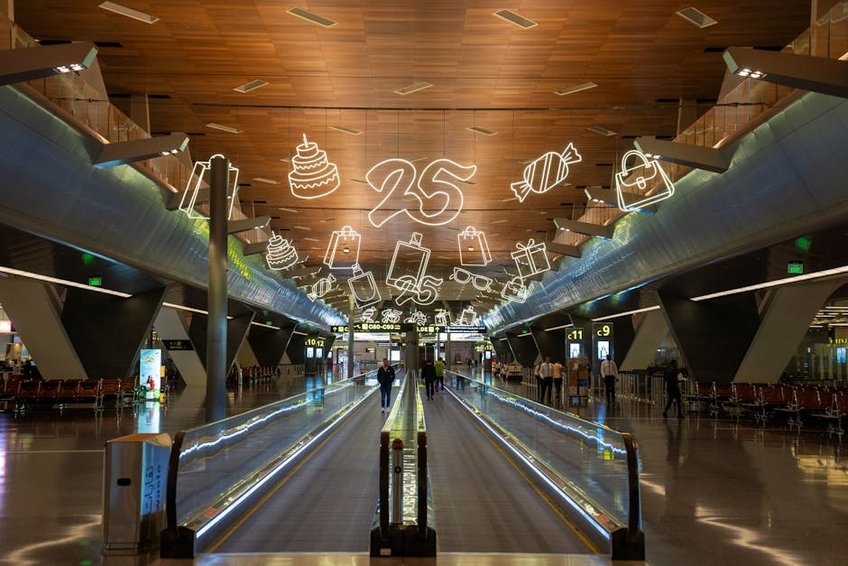
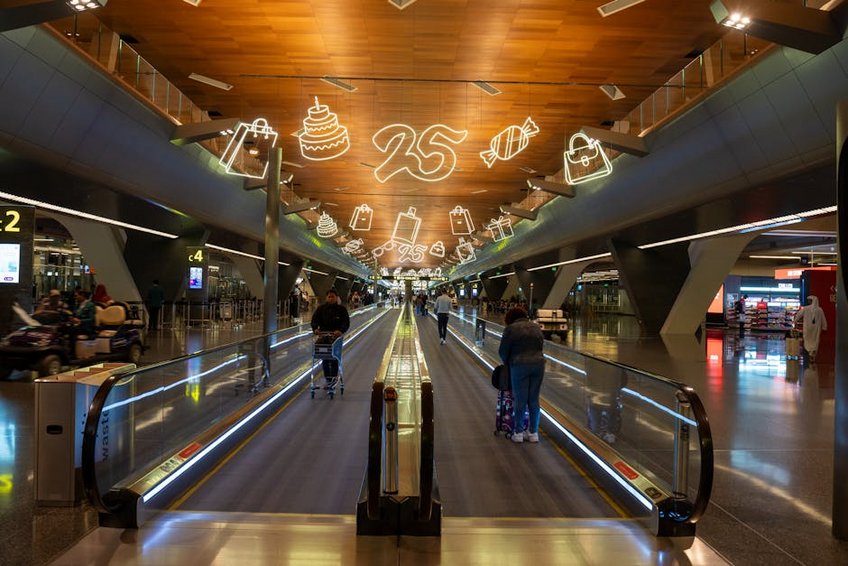
Getting to and around Doha is remarkably efficient thanks to its modern infrastructure. Hamad International Airport (DOH) is a world-class hub and a destination in itself, consistently ranked among the best globally. Upon arrival, transportation into the city center is straightforward via metro, taxi, or pre-booked private transfer.
Within the city, the Doha Metro is clean, safe, affordable, and the fastest way to travel between major districts like West Bay, the Souq, and Katara. The network is still expanding but already covers key tourist areas. Taxis and app-based services like Uber and Careem are readily available for direct trips not serviced by the metro.
| Accommodation Type | Best For & Location | Average Price Range (USD/Night) |
|---|---|---|
| Luxury 5-Star | West Bay business district, The Pearl Island; modern amenities, beach/pool access, multiple fine-dining restaurants. | $250 – $600+ |
| Boutique/Heritage | Souq Waqif area; traditional architecture, immersive cultural experience, walkable to main souq. | $150 – $350 |
| International 4-Star | Al Sadd, Diplomatic Area; reliable chain standards, good metro access, mid-range dining options. | $100 – $220 |
| Budget/Apartment | Al Mansoura, Bin Mahmoud; self-catering options, local neighborhoods, requires more metro/taxi use. | $60 – $120 |