Design Museums in Copenhagen: A Guide to Scandinavian Aesthetics
Exploring design museums in Copenhagen offers a deep dive into the principles that shape modern Scandinavian living. The city, a global epicenter for functional beauty, showcases how Danish design evolved from craft traditions to a worldwide philosophy influencing everything from your chair to your coffee cup. This guide covers the essential museums, provides practical visiting strategies, and reveals how to fully appreciate the Nordic design ethos during your cultural tour.
The Heart of Danish Design
Copenhagen’s reputation as a design capital is built on a century-long commitment to the “Democratic Design” principle. This philosophy, championed by figures like Kaare Klint and Arne Jacobsen, insists that well-crafted, beautiful items should be accessible to everyone, not just the elite. It’s a pursuit of simplicity, functionality, and human-centric solutions that defines the entire Scandinavian aesthetic movement.
The city’s institutions preserve and interpret this legacy, from historic decorative arts to cutting-edge contemporary pieces. Visiting these spaces isn’t just about viewing objects; it’s about understanding a culture that values light, space, sustainability, and craftsmanship. You will see how local design responds to long winters with warm, textured materials and an emphasis on creating cozy, inviting interiors.
Core Principles of Scandinavian Design
To truly appreciate the exhibits, recognize these foundational ideas that guide Nordic aesthetics.
- Functionalism: Every element must serve a clear purpose. Beauty emerges from utility, resulting in clean lines and uncluttered forms that prioritize the user’s experience above ornamental decoration.
- Natural Light & Materials: Design maximizes exposure to Denmark’s limited daylight. You’ll see extensive use of wood, wool, leather, and stone, connecting indoor environments to the natural world outside in a tactile, authentic way.
- Hygge & Craftsmanship: The concept of “hygge” (coziness) is central. It’s achieved through meticulous craftsmanship, warm textures, and thoughtful details that create a sense of comfort and well-being in any living space.
- Budget Traveler ($50-70/day): Prioritize one paid museum like the Designmuseum Danmark. Use the Copenhagen Card for others and transport. Enjoy affordable meals at street food markets like Reffen and stay in a hostel or budget hotel outside the center.
- Mid-Range Explorer ($100-150/day): Visit two paid museums daily. Stay in a design hotel in Vesterbro or Nørrebro. Dine at casual “smørrebrød” lunch spots and one nice dinner. Include a guided walking tour focused on architecture.
- Luxury Aficionado ($250+/day): Enjoy private guided tours of museums, exclusive access to showrooms, and stays at iconic design hotels like The Audo or Villa Copenhagen. Dine at Michelin-starred restaurants that are design destinations themselves.
- Visit Copenhagen Official Tourism Site
- Designmuseum Danmark Official Website
- Danish Architecture Center (DAC)
A Brief Historical Context
Modern Danish design found its voice in the early 20th century, moving away from ornate historical styles. The Danish Museum of Art & Design, founded in 1890, played a crucial role in educating craftsmen and the public. The post-war era, from the 1950s onward, became Denmark’s “Golden Age,” where designers like Hans J. Wegner and Verner Panton achieved international fame.
Today, the scene thrives on innovation and sustainability, with new designers tackling global challenges. Museums now juxtapose iconic mid-century classics with experimental digital art and material research. This historical continuity makes Copenhagen a unique place to see the entire evolution of a design language in one compact city.
What Makes Copenhagen Unique
Unlike cities with a single flagship museum, Copenhagen’s design landscape is wonderfully distributed. You can visit a royal palace of decorative arts, a museum dedicated to a single architect, and a gallery for applied art all in one day. The experience extends beyond museum walls into the city’s architecture, cafes, and furniture shops.
This integrated approach means your visit becomes immersive. The city itself functions as an extended exhibition space where historic and contemporary design elements coexist seamlessly. You can see a Wegner chair in a museum, then sit in a replica at a local coffee shop moments later.
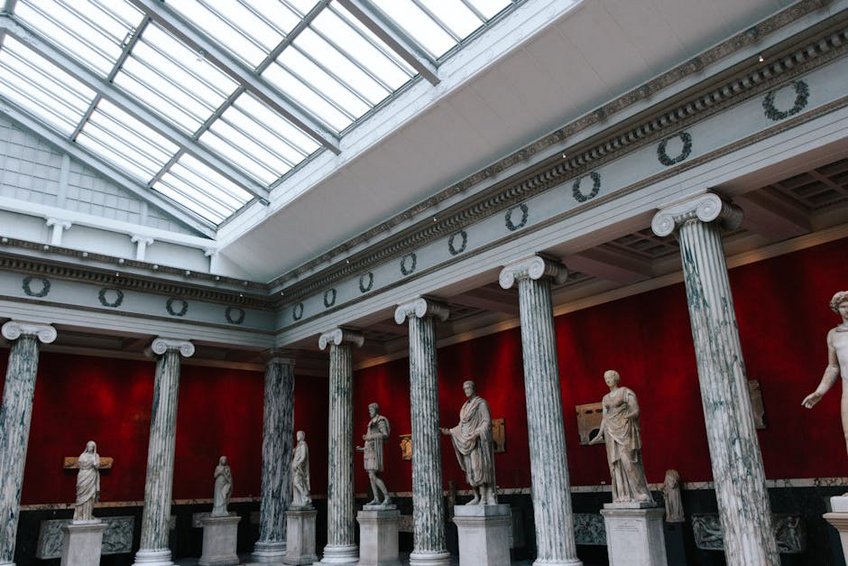
Alt: “copenhagen-design-museum-interior-modern-furniture-exhibit”
Design Museums in Copenhagen – Planning Your Visit
Successfully touring Copenhagen’s design institutions requires strategic planning due to their varied locations and specialties. We recommend focusing on two or three major museums per day to avoid “museum fatigue” and allow time for reflection. Purchase a Copenhagen Card if you plan intensive sightseeing, as it includes entry to several key design venues and public transport.
Check museum websites for temporary exhibitions, which are often standout attractions featuring contemporary global designers. Many museums close on Mondays, so structure your itinerary around Tuesday-to-Sunday openings. Budget between $15 and $25 USD for admission to each major museum, with discounts available for students and seniors.
Best Time to Visit for Design Enthusiasts
The ideal months for a design-focused trip are between May and September. From late May to early September, you’ll experience long daylight hours (up to 17 hours of light in June), perfect for walking between venues and enjoying the city’s outdoor design elements. Average temperatures range from 55°F to 72°F (13°C to 22°C).
Shoulder seasons like April and October offer fewer crowds and lower hotel rates, though you’ll contend with more rain and shorter days. Major design events like the Copenhagen Design Festival or 3 Days of Design (usually in May) are phenomenal times to visit but require booking accommodations at least four months in advance.
Budget Planning and Costs
A design tour can fit various budgets with smart planning around admissions and dining.
Essential Preparation Checklist
Pack comfortable walking shoes, as the best way to connect the design districts is on foot or by bike. Bring a notebook or a camera with a good lens for details—photography is usually allowed but flash is prohibited. A portable power bank is essential for using digital museum guides and maps throughout the day.
Secure travel insurance that covers trip interruption and medical care. EU citizens need only a passport, while US, Canadian, and Australian visitors can stay up to 90 days visa-free. Book popular design hotel rooms three to four months ahead for summer travel, and reserve tables at top-rated restaurants at least two weeks in advance.
Top Museums and Gallery Experiences
Copenhagen’s design institutions each offer a distinct lens on the Nordic aesthetic. The Designmuseum Danmark provides the comprehensive historical foundation, while the Danish Architecture Center focuses on the built environment. Smaller, single-designer museums offer intimate deep dives into iconic creative minds.
Beyond traditional museums, consider visiting showrooms like the Carlsberg Byens for new Nordic design or the Illums Bolighus department store for a curated commercial collection. This variety ensures that whether your interest is ceramics, furniture, urban planning, or digital design, you will find a venue that captivates you.
Must-See Highlights
The Designmuseum Danmark is the cornerstone, housed in a former royal hospital. Its permanent collection, “Danish Design Now,” brilliantly connects classic pieces to contemporary works, asking what makes something truly “Danish.” Allow at least two hours to explore its extensive furniture, textiles, and industrial design galleries.
The Danish Architecture Center (DAC), located in the stunning BLOX building by OMA, makes architecture interactive and engaging. Don’t miss their model collection and the rooftop terrace offering panoramic views of the city’s evolving skyline. Tickets cost around $16 USD, and it’s easily combined with a walk along the adjacent waterfront.
For a unique experience, visit the Cisternerne in Søndermarken Park. This underground former water reservoir hosts immersive, site-specific contemporary art and design installations in a cool, dripping cavernous space. It’s a dramatic contrast to the clean, light-filled spaces of other museums.
Hidden Gems and Local Favorites
Ordrupgaard Museum, a short train ride north of the city, combines a beautiful collection of French impressionist art with a breathtaking extension designed by Zaha Hadid. The building itself is a masterpiece of contemporary architecture, seamlessly blending with the surrounding parkland. It’s a perfect half-day trip.
The Nikolaj Kunsthal is not a design museum per se, but this former church turned contemporary art center consistently hosts exhibitions where art, design, and spatial experience intersect. Checking their program can lead you to groundbreaking installations. Its central location makes it an easy addition to any itinerary.
Explore the gallery spaces in the meatpacking district (Kødbyen). Galleries like V1 and O-Overgaden often feature exhibitions from emerging Nordic designers and artists, providing a glimpse into the next generation of Scandinavian aesthetic innovation.
Furniture and Applied Arts Focus
If furniture is your primary interest, the Designmuseum Danmark has the definitive historical collection. For a more commercial yet curated view, visit the flagship stores of Danish brands like &Tradition, Hay House, and Ferm Living. These spaces function as liveable exhibitions where you can interact with the products.
The museum at the Carlsberg Byens area sometimes hosts design-focused exhibitions and events. While smaller, it’s in a vibrant, redeveloped part of town worth exploring. Remember that many classic Danish furniture pieces are still in production and can be seen in hotels and cafes throughout the city.
Practical Travel and Logistics
Navigating Copenhagen is straightforward thanks to its efficient and integrated public transport system. The city is divided into zones; a two-zone ticket (about $3.50 USD) covers the central area including key design districts. The Copenhagen Card includes unlimited transport and museum entries, offering strong value for intensive visitors.
Most design museums are clustered in central areas, making them walkable from each other. The Designmuseum Danmark is in the historic center, DAC is on the waterfront, and the Hirschsprung Collection (for a touch of art) is near the park. Use the City Bike share system for a truly local way to travel between them.
| Museum | Key Focus & Highlight | Adult Admission (USD) |
|---|---|---|
| Designmuseum Danmark | Comprehensive history of Danish & international design. “The Danish Chair” exhibit. | $18 |
| Danish Architecture Center (DAC) | Interactive architecture exhibits, model gallery, rooftop views. | $16 |
| Ordrupgaard Museum | Art collection + Zaha Hadid architecture extension in a park setting. | $15 |
| Cisternerne | Immersive contemporary art installations in underground reservoirs. | $13 |