Cultural Diversity in Hatay
Hatay, a southeastern Turkish province bordering Syria, offers a stunning testament to millennia of peaceful coexistence. Your exploration of cultural diversity in Hatay reveals a living mosaic where mosques, churches, and synagogues stand within steps of each other. This guide details the unique traditions, culinary fusion, and historical sites that make this region an unparalleled destination for understanding pluralism.
Hatay’s Historical and Geographical Context
Hatay’s story is written in layers of empire and faith, positioned at the crossroads of Anatolia and the Levant. The region has been ruled by the Hittites, Romans, Byzantines, Crusaders, and Ottomans, each leaving indelible marks on its architecture and social fabric. This complex history directly forged its modern identity as a sanctuary for multiple ethnic and religious communities.
Geographically, its location on the Mediterranean coast and along ancient trade routes facilitated constant cultural exchange. The Nur Mountains (Amanos) provide a dramatic backdrop, while the fertile Amik Plain and Orontes River (Asi Nehri) valley have sustained settlements for over 8,000 years. This setting created a natural hub where ideas, goods, and people converged.
The Foundation of Pluralism
Understanding Hatay’s social landscape requires recognizing its core components. This pluralistic society functions through mutual respect and shared public life, not mere tolerance.
- Religious Communities: The population includes Sunni and Alevi Muslims, Arab Orthodox (Rum Orthodox), Armenian Catholics, Greek Orthodox, and a small Jewish community, each maintaining distinct places of worship and holidays.
- Ethnic and Linguistic Groups: Turkish, Arab, and Armenian communities form the primary groups, with many residents speaking both Turkish and Arabic dialects (particularly Levantine Arabic) daily.
- Historical Agreements: The 1939 annexation to Turkey included special provisions protecting minority rights and properties, which helped preserve the region’s unique character against homogenizing forces.
- Budget Traveler ($40-60/day): Stay in local guesthouses (pansiyon) in Antakya for $20-30/night. Eat primarily from street food and small lokantas, enjoying kunefe and lahmacun. Use local dolmuş (shared minibuses) for transport. Focus on free walking tours and public museum days.
- Mid-Range Traveler ($80-120/day): Choose boutique hotels in Antakya’s old city for $50-70/night. Enjoy sit-down meals at established restaurants like Sveyka or Antik Baba. Hire a local guide for a half-day historical tour ($40-60). Rent a car for a day to visit Samandağ and Arsuz.
- Luxury Traveler ($180+/day): Book a suite at the Liwan Hotel or Savon Hotel. Dine privately with curated meals featuring Ottoman and Aleppian cuisine. Arrange a multi-day, expert-led cultural tour including driver, village visits, and special access to community leaders and restoration projects.
- Republic of Turkey Ministry of Culture and Tourism – Hatay Portal
- UNESCO World Heritage Centre – Early Byzantine Settlement in Hatay
Key Historical Sites and Their Significance
Antakya, the ancient city of Antioch, serves as the cultural heart. The Hatay Archaeology Museum houses one of the world’s finest Roman and Byzantine mosaic collections, with pieces excavated from local sites like Daphne (Harbiye). Walking through the old city, you see history in every stone.
Saint Peter’s Church (Senpiyer Kilisesi), a cave-church on Mount Starius, is considered one of Christianity’s earliest churches. Meanwhile, the Habib-i Neccar Mosque, built in 638 AD, is one of the oldest mosques in Anatolia and is believed to contain the tombs of several biblical figures, revered by both Muslims and Christians.
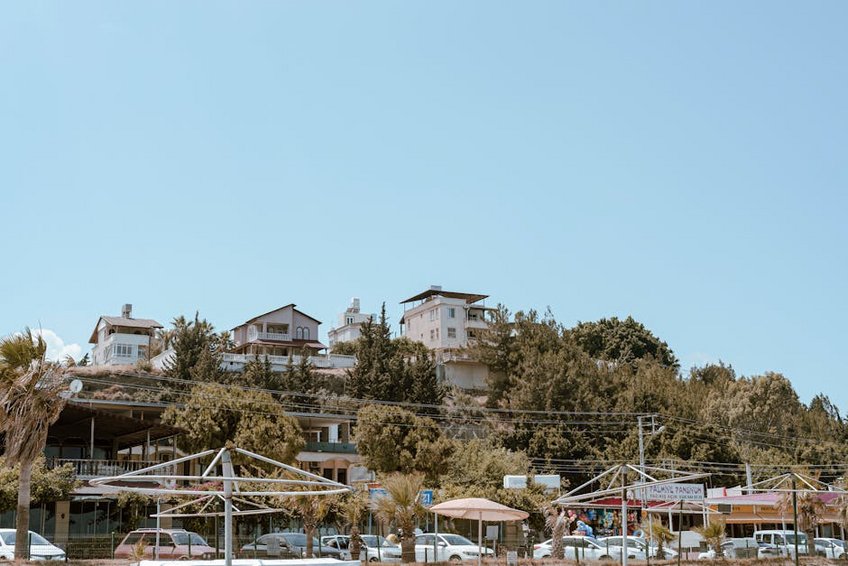
Alt: “antakya-old-city-narrow-streets-stone-architecture-historic-doors”
Cultural Diversity in Hatay – Planning Your Exploration
To genuinely experience Hatay’s pluralism, you must move beyond standard tourism. Planning your cultural diversity in Hatay visit involves timing your trip around interfaith festivals and allocating days for both city exploration and village visits. Focus on engagement, not just observation, by attending services or sharing meals.
Respect is your most important travel tool here. Dress modestly when entering religious sites, ask permission before photographing people, and learn a few basic greetings in Turkish and Arabic. Your interest in their coexistence, rather than just their differences, will be warmly received by locals proud of their heritage.
Best Time to Visit for Cultural Immersion
Visit Hatay between late March and early June or September to November for ideal weather and key festivals. Spring (April-May) offers temperatures between 68-82°F (20-28°C) and coincides with Orthodox Easter and the Hz. Hızır celebrations. Crowds are manageable, and the countryside is lush.
Autumn (October-November) provides similar mild conditions of 59-77°F (15-25°C) and fewer tourists. The summer months (July-August) are intensely hot, often exceeding 95°F (35°C), which can limit daytime exploration. Winter is mild but rainy, though experiencing Christmas in Antakya is a unique interfaith event.
Budget Planning and Costs
Your budget depends heavily on dining choices and guided tour preferences.
Essential Preparation Checklist
Pack lightweight, breathable clothing that covers shoulders and knees for religious sites, plus a scarf for women entering mosques and churches. Comfortable walking shoes are non-negotiable for cobblestone streets. Bring a power adapter for Type C/F plugs (220V) and a portable battery for your phone.
Ensure your passport has at least six months validity. US and EU passport holders can obtain a Turkish e-Visa online before travel. Notify your bank of travel plans. While not mandatory, learning basic Turkish phrases (“Merhaba” hello, “Teşekkür ederim” thank you) and Arabic greetings (“Marhaba”) demonstrates profound respect.
Top Religious and Cultural Sites
Antakya’s urban landscape is a living map of faith. Within a fifteen-minute walk, you can visit sacred sites for Islam, Christianity, and Judaism, a physical manifestation of centuries of neighborliness. Each site tells a story not just of theology, but of a community that chose dialogue over division.
Beyond the city, the villages in the Samandağ district host ancient Alawite (Alevi) and Christian communities. The port city of İskenderun (Alexandretta) adds another layer with its more modern, yet still diverse, urban energy. This geographic spread shows how diversity permeates the entire province.
Must-See Highlights of Faith
The Ulu Cami and Habib-i Neccar Mosque complex in Antakya represents centuries of Islamic heritage. Just minutes away, the Greek Orthodox Church and the Armenian Catholic Church hold regular services for their small but enduring congregations. Their continued operation is central to the city’s identity.
The Jewish community, though now very small, maintains its synagogue, a quiet reminder of a once-thriving population. The real highlight is experiencing a “nezir” (votive offering), where people of all faiths might make a wish at a site like the Hz. Hızır shrine, showcasing syncretic local practices.
Hidden Gems and Local Enclaves
Visit Vakıflı Köyü, Turkey’s last remaining Armenian village, located in the Samandağ district. The 150 residents maintain their language, church, and organic farming traditions. The village is particularly beautiful during the grape harvest and offers simple homestay opportunities.
In Samandağ town, explore the St. Simon Stylites Monastery on Musa Mountain, an ancient Byzantine site. The nearby Hıdırbey village is known for its 700-year-old monumental tree and local Alevi culture. These sites receive few international tourists but offer authentic interactions.
The Hatay Archaeology Museum
This museum is non-negotiable for context. Its world-class mosaic collection, sourced from ancient Antioch, Daphne, and Seleucia Pieria, illustrates the lavish, multicultural life of the Roman and Byzantine elite. The “Skeleton of Antakya” and breathtaking floor mosaics like the “Drunk Dionysus” are highlights.
Allocate at least two hours. The displays provide English explanations, detailing mythological scenes and daily life. The museum itself is a modern facility, making it a comfortable break from the heat. It operationalizes the region’s deep historical layers that predate its current religious diversity.
Practical Travel Information
Hatay is served by Hatay Airport (HTY), with direct flights from Istanbul, Ankara, and Izmir. International travelers typically connect through Istanbul (IST or SAW). From the airport, taxis or pre-arranged transfers are the best options to reach Antakya city center, about a 25-minute drive.
Within Antakya, most key sites are walkable. For farther destinations like Harbiye (8km) or Samandağ (25km), use the frequent dolmuş minibuses departing from the main terminal. Renting a car provides maximum flexibility for village exploration but prepare for assertive local driving styles.
| Accommodation Type | Location & Features | Price Range (USD/Night) |
|---|---|---|
| Boutique Hotel (Old City) | Restored Antakya houses, stone architecture, courtyard breakfast. Walkable to all major sites. | $65 – $120 |
| Modern City Hotel | In İskenderun or newer Antakya areas. Pools, fitness centers, international standards. | $45 – $90 |
| Local Pansiyon (Guesthouse) | Family-run, basic rooms. Opportunity for direct cultural exchange and home-cooked meals. | $20 – $40 |
| Rural Homestay | In villages like Vakıflı. Simple accommodations, organic food, immersive community experience. | $30 – $50 (incl. meals) |