Coastal Towns in Portugal: A Complete Travel Guide
Portugal’s coastline offers an astonishing array of experiences, from dramatic cliffs in the north to sun-drenched beaches in the south. Exploring coastal towns in Portugal provides a perfect blend of rich history, vibrant culture, and breathtaking natural beauty, all within a compact and accessible country. This guide covers everything from famous fishing villages to hidden gems, including detailed planning advice, seasonal insights, and essential cultural tips for your journey.
Portugal’s Coastal Geography and Regions
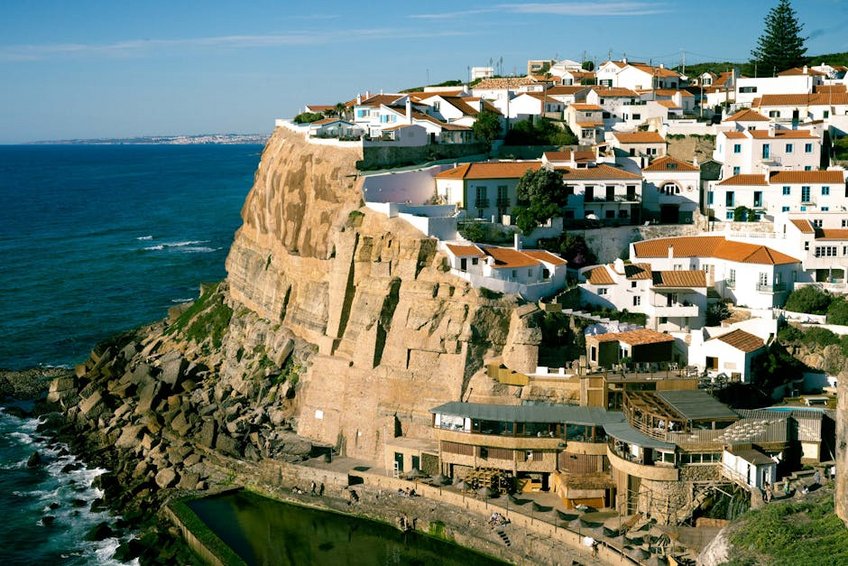
Portugal’s western and southern shores face the Atlantic Ocean, creating diverse maritime landscapes. The northern coast near Porto is characterized by rugged cliffs and powerful surf, while the central region around Lisbon features dramatic rock formations and expansive beaches. Moving south, the Algarve presents iconic golden-sand coves and warmer waters, offering distinct experiences across relatively short distances.
Administratively, the mainland coast is divided into several key regions, each with its own identity. The Costa Verde in the north is lush and green, the Costa de Prata (Silver Coast) stretches from Porto to Lisbon, and the famous Algarve occupies the entire southern coastline. Understanding these regional differences is crucial for planning an itinerary that matches your interests, whether for surfing, family beaches, or historical exploration.
Understanding the Main Coastal Areas
Your trip planning should start with a regional overview to match your preferences.
- Costa Verde: The northern coast near Porto features wild, scenic landscapes, cooler water temperatures averaging 59-64°F (15-18°C), and towns like Viana do Castelo known for traditional Portuguese culture and architecture.
- Costa de Prata: Portugal’s central Silver Coast boasts long sandy beaches, significant surf spots like Nazaré, and historic towns such as Óbidos and Aveiro, often called the “Venice of Portugal.”
- Lisbon Coast: The area surrounding the capital includes the dramatic cliffs of Cascais and the surf haven of Ericeira, a World Surfing Reserve, blending easy city access with seaside relaxation.
- Algarve: Southern Portugal’s famous coastline offers warmer weather, calmer seas with water reaching 68-72°F (20-22°C) in summer, and picturesque towns like Lagos and Tavira, renowned for their Moorish influences and stunning cave systems.
- Budget Traveler ($60-90/day): Stay in hostels or guesthouses ($25-40/night), use public transport (regional trains $5-15 per journey), eat at local tascas or mercado markets ($8-15 for a meal), and focus on free activities like beach time and hiking. This budget allows for a genuine experience with careful planning.
- Mid-Range Traveler ($120-200/day): This comfortable range covers boutique hotels or apartments ($70-120/night), rental car for flexibility ($30-50/day), meals at good local restaurants ($15-30 per person), and paid entrance to key attractions like palaces or boat tours. It offers the best balance of comfort and value.
- Luxury Traveler ($300+/day): Enjoy five-star cliffside resorts or historic pousadas ($200-400/night), fine dining with wine pairings ($80+ per person), private guided tours or sailing charters, and premium car rentals. This tier provides complete relaxation and exclusive access to premium experiences.
- Visit Portugal Official Tourism Authority
- Lonely Planet Portugal Travel Guide
- Comboios de Portugal (National Rail)
Climate and Best Seasons by Region
Portugal enjoys a Mediterranean climate with distinct regional variations that significantly impact your travel experience. The north experiences more rainfall, particularly from October to April, while the south remains drier and sunnier year-round. Coastal breezes help moderate summer temperatures, making beach visits pleasant even during the warmest months.
For general beach weather and swimming, the ideal period across most coastal towns in Portugal runs from June through September. However, the shoulder seasons of May and October offer excellent conditions for hiking, sightseeing, and avoiding crowds, with average temperatures between 65-75°F (18-24°C). Winter visits are perfect for storm watching on the west coast or enjoying the mild, quiet Algarve.
Historical and Cultural Context
Portugal’s maritime history as a global exploration powerhouse deeply influences its coastal settlements. Many towns feature Manueline architecture, a uniquely Portuguese style from the Age of Discovery evident in monasteries and fortifications. Traditional fishing practices, visible in towns like Nazaré, continue alongside modern tourism, creating a living cultural tapestry.
The cuisine heavily reflects this coastal identity. You’ll find an emphasis on incredibly fresh seafood, from grilled sardines to cataplana stews. Each region also has its own ceramic traditions, with the north known for blue azulejo tiles and the Algarve for colorful, hand-painted pottery, making for meaningful souvenirs.
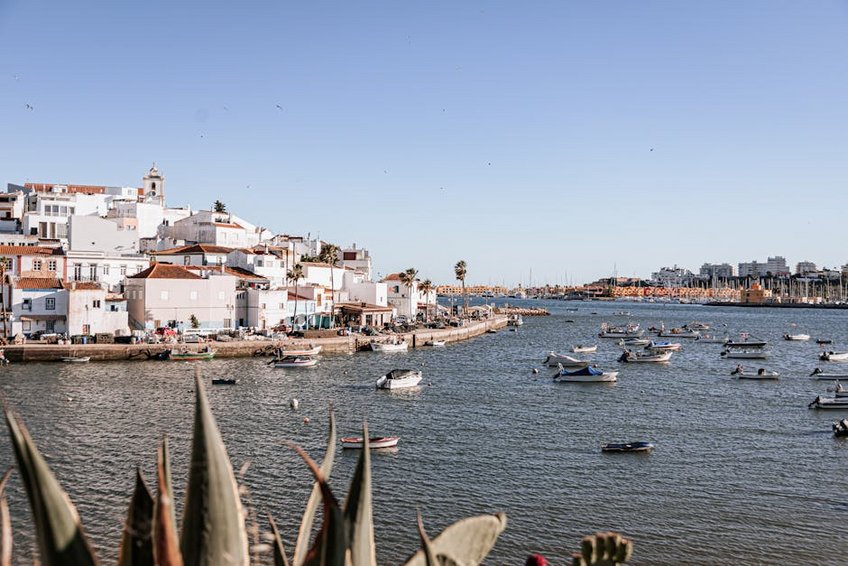
Alt: “portugal-algarve-coastal-cliffs-beach-view-atlantic”
Coastal Towns in Portugal – Planning Your Trip
Organizing a visit to Portugal’s shoreline requires considering your preferred pace, interests, and budget. A successful itinerary balances popular destinations with lesser-known spots, allowing you to experience both iconic sights and authentic local life. Transportation between towns is generally efficient, whether by rental car, train, or bus, giving you flexibility in your daily plans.
Budgeting for these destinations varies widely. While Lisbon and the central Algarve can be pricey during peak season, countless charming villages offer excellent value. Accommodation costs range from $40 per night for a guesthouse to over $300 for a luxury cliffside hotel, with food and activities offering similar flexibility depending on your choices.
Best Time to Visit Portugal’s Coast
For classic beach holidays and vibrant atmosphere, target June to September. During these months, you can expect consistent sunshine, water temperatures warm enough for comfortable swimming, especially in the Algarve, and all tourist services operating at full capacity. Daytime highs typically range from 75-85°F (24-29°C), with July and August being the warmest and busiest.
Shoulder seasons provide outstanding value and pleasant conditions. May and October see fewer crowds, lower accommodation prices (often 20-30% less than peak summer), and average temperatures of 65-75°F (18-24°C), ideal for hiking coastal trails and exploring towns without the summer rush. Winter is perfect for a quiet cultural getaway, though some businesses in smaller towns may have reduced hours.
Budget Planning and Costs
Your daily budget determines the style of your Portuguese coastal adventure.
Essential Preparation Checklist
Pack for variable coastal weather. Essentials include layered clothing, a waterproof jacket for northern visits, comfortable walking shoes for cobblestone streets, swimwear, high-SPF sunscreen, and a European power adapter (Type F). For beach days, a reusable water bottle and a quick-dry towel are highly recommended, along with a hat for sun protection.
Ensure your passport is valid for at least three months beyond your departure date from the Schengen Area. US and EU citizens do not need a visa for stays under 90 days. Purchase comprehensive travel insurance covering medical emergencies and trip interruptions. Book popular accommodations 3-4 months in advance for summer travel, and consider renting a car for maximum flexibility outside major cities.
Top Coastal Destinations and Must-Visit Towns
Portugal’s shoreline is dotted with towns that each tell a different story. From the historic power of Lisbon’s coastal suburbs to the quaint charm of southern fishing villages, there is a perfect spot for every type of traveler. This section highlights the iconic stops as well as several under-the-radar gems where you can escape the well-trodden tourist path.
Accessibility varies, with towns like Cascais and Lagos being highly developed for tourism, while places like Comporta or Vila Nova de Milfontes retain a more rustic, laid-back feel. Consider splitting your time between a bustling town with ample amenities and a quieter village to experience Portugal’s famous “slow living” philosophy by the sea.
Must-See Highlights
Cascais & Sintra: Just west of Lisbon, these towns offer a perfect day-trip combination. Sintra’s Pena Palace is a fantasy of Romanticist architecture set in misty hills, while Cascais provides a refined beach resort atmosphere with a charming historic center. The train from Lisbon takes about 40 minutes and costs under $5 each way.
Nazaré: Famous for its record-breaking giant waves in winter, this traditional fishing town is fascinating year-round. Visit the Forte de São Miguel for panoramic views and see fishermen’s wives still wearing the traditional seven skirts. The wave season from October to March attracts big-wave surfers and spectators globally.
Lagos, Algarve: This is the heart of the Algarve’s dramatic scenery. Take a boat tour from the marina to explore the iconic sea caves and grottoes of Ponta da Piedade. The town itself has a vibrant historic core surrounded by 16th-century walls, plus some of the region’s best beaches, like Praia Dona Ana.
Hidden Gems and Local Favorites
Venture beyond the main tourist circuits to discover authentic Portuguese coastal life. The village of Comporta, south of Lisbon, is a serene escape known for its rice fields, pristine white-sand beaches, and understated bohemian-chic atmosphere. It’s a favorite retreat for design-conscious travelers seeking tranquility.
Further north, Aveiro is often overlooked for the nearby Porto but offers a unique charm with its network of canals navigated by colorful moliceiro boats. Sample the local sweet treat, ovos moles, and explore the Costa Nova beach with its iconic striped fishermen’s houses. The university adds a youthful energy to this historic salt-producing town.
Surf Towns and Beach Culture
Portugal is a premier European surf destination. Ericeira, a World Surfing Reserve, has over ten surf breaks suitable for all levels, from beginner-friendly Ribeira d’Ilhas to the challenging Coxos. The town has a cool, laid-back vibe with excellent seafood restaurants and surf shops lining its cobbled streets.
In the Algarve, Sagres represents the soul of the south’s surf scene. Located at the continent’s southwestern tip, it’s windswept, rugged, and less developed than towns to the east. Visit the historic fort, watch the sunset from Cabo de São Vicente, and enjoy the relaxed, unpretentious atmosphere focused on the ocean and nature.
Practical Travel Information and Logistics
Navigating Portugal’s coast is straightforward with a little preparation. The country has excellent road infrastructure, a reliable rail network along key corridors, and efficient bus services connecting smaller towns. For maximum freedom to explore remote beaches and villages, a rental car is highly recommended, though parking can be challenging in historic centers during summer.
Accommodation options are plentiful, ranging from international hotel chains and luxury resorts to charming family-run guesthouses (alojamento local) and self-catering apartments. Booking platforms like Booking.com and Airbnb are widely used, but for the best deals in smaller towns, sometimes a direct phone call to a local pousada can secure a better rate.
| Accommodation Type | Best For & Features | Price Range (USD/Night) |
|---|---|---|
| Hostel / Guesthouse | Solo travelers & budgets; shared kitchens, social atmosphere, central locations | $25 – $50 |
| Local Guesthouse (Alojamento Local) | Authentic stays; family-run, breakfast included, personal service | $60 – $120 |
| Boutique Hotel | Style & comfort; design-focused, often historic buildings, premium amenities | $120 – $250 |
| Luxury Resort / Pousada | Splurge & scenery; cliff-top pools, spas, fine dining, historic pousadas are state-run inns in monuments | $250 – $500+ |