Cirali Travel Guide: Unspoiled Beaches and Ancient Ruins
Cirali represents one of Turkey’s Mediterranean gems, a tranquil village where 3.5-kilometer beaches meet protected loggerhead turtle nesting grounds and the flames of the mythical Chimaera burn eternally. This destination provides a slower-paced alternative to nearby resorts, blending agricultural landscapes of citrus orchards with access to the ancient Lycian city of Olympos. Your comprehensive Cirali travel guide covers essential logistics, seasonal timing for turtle sightings, budget accommodation in family-run pensions, and how to experience the area’s natural and historical wonders responsibly.
Essential Cirali Information
Cirali is a coastal village in Antalya Province, part of the Kumluca district, stretching along a pristine bay between the towns of Olympos and Adrasan. Administratively, it falls under the Olympos Beydaglari National Park, a designation that has protected its 2.2-mile beach from large-scale development. The village’s economy centers on small-scale organic farming, particularly orange and pomegranate groves, and community-focused tourism.
The area’s history is deeply intertwined with the ancient Lycian civilization. The ruins of Olympos, a major Lycian port city, sit at the western end of Cirali’s beach, accessible via a scenic trail or short drive. This historical context, combined with the natural phenomenon of the Yanartas (Chimaera) flames, creates a unique cultural landscape. Modern infrastructure remains intentionally limited to preserve the environment.
Geographical and Environmental Context
Understanding the local geography enhances your visit. The village occupies a fertile coastal plain backed by the forested slopes of the Taurus Mountains.
- The beach is a critical nesting site for Caretta caretta (loggerhead) turtles from May to October, with strict conservation protocols in place during nighttime hours.
- The Chimaera, a cluster of natural gas vents that have burned for millennia, is located on the hillside above the village, requiring a 30-minute hike to reach.
- The Ulupinar stream flows through the village, creating a lush, green habitat that supports local agriculture and provides a freshwater swimming area distinct from the sea.
- Budget travelers can manage on $40-60 USD per day by staying in basic guesthouses or camping, enjoying meals at local eateries, and using public transportation. Entrance to Olympos and the Chimaera area costs around $5-7 USD per site.
- Mid-range visitors spending $80-120 USD daily can book comfortable boutique pensions with breakfast, dine at well-regarded garden restaurants each evening, and rent a car for a day to explore nearby Adrasan or Çıralı’s inland waterfalls.
- A luxury budget of $150+ USD per day secures the most sought-after secluded bungalows or villas with private gardens, private guided tours of the ruins, and meals featuring organic local produce and fresh seafood.
- Republic of Turkey Ministry of Culture and Tourism
- Lonely Planet Travel Guide
- Turkish Travel Advisory Portal
Historical Significance: Olympos and Lycia
The ancient city of Olympos, whose entrance lies within walking distance from Cirali accommodations, was a prominent member of the Lycian League in the 2nd century BC. Visitors can explore scattered ruins amidst dense foliage, including a theater, temple remains, and necropolis sites, all integrated into a riverside setting. Unlike more curated archaeological sites, Olympos offers an adventurous, overgrown atmosphere where history and nature intertwine seamlessly. The city’s history reflects various ruling influences, from Roman to Genoese, before its eventual abandonment.
Local Community and Vibe
Cirali maintains an authentic, laid-back atmosphere focused on sustainability and environmental consciousness. The community actively participates in turtle conservation efforts through the local Sea Turtle Conservation Foundation. You will find a handful of small restaurants and cafes, often sourcing ingredients directly from family gardens, rather than a bustling nightlife scene. This ethos makes the village perfect for travelers seeking relaxation and connection with nature over commercial entertainment.
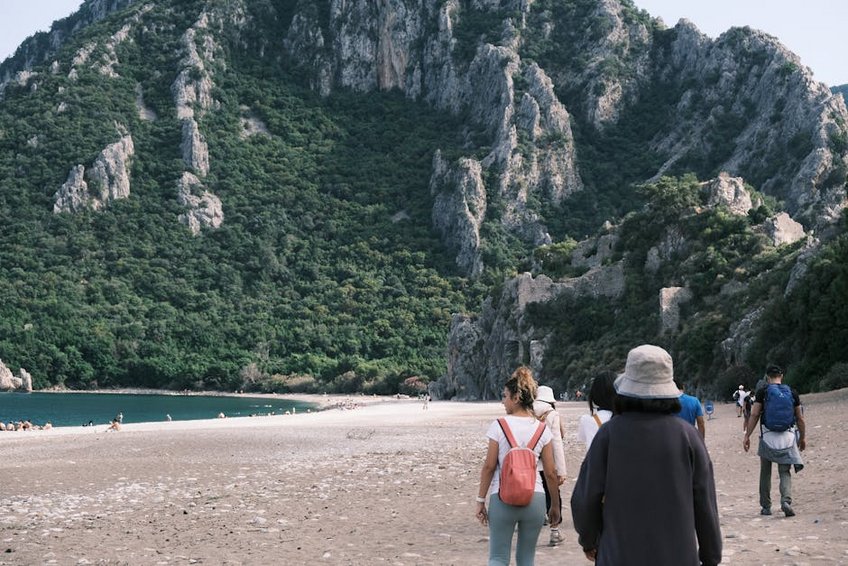
Alt: “cirali-beach-turkey-mediterranean-coast-mountain-backdrop”
Cirali Travel Guide – Planning Your Trip
Successful planning for this destination hinges on timing your visit to match your primary interests, whether that’s turtle watching, comfortable swimming, or avoiding summer crowds. The ideal trip balances beach time, historical exploration at Olympos, and the unique evening excursion to see the Chimaera flames. This Cirali travel guide recommends a minimum stay of three full days to experience the core attractions without rushing.
Budget considerations are straightforward, as most expenses relate to accommodation, meals, and entry fees for the archaeological site and natural park. While independent travel is entirely feasible, joining a guided walk to the Chimaera at night enhances the experience with local lore. Remember to pack sturdy footwear for the rocky paths to the flames and the uneven terrain at Olympos.
Best Time to Visit Cirali
The peak tourist season runs from June through August, offering the warmest sea temperatures, averaging 82-84°F (28-29°C), and the driest weather. However, this period coincides with the busiest time on the beach and the sensitive turtle nesting and hatching season, which requires extra vigilance from visitors. Daytime highs frequently reach 90-95°F (32-35°C), making midday hikes less comfortable.
For a balanced experience, target the shoulder months of May, late September, and October. Sea temperatures remain pleasant at 73-77°F (23-25°C), while air temperatures are milder, ranging from 75-85°F (24-29°C). These periods offer fewer crowds, lower accommodation rates, and are excellent for hiking. The turtle hatching season extends into October, providing potential viewing opportunities with responsible guides.
Budget Planning and Costs
Daily costs vary significantly based on your lodging choice and dining preferences.
Essential Preparation Checklist
Pack for a mix of beach relaxation and light adventure. Essentials include reef-safe sunscreen, a sun hat, swimwear, a reusable water bottle, and sturdy sandals or hiking shoes for the rocky trails to the Chimaera. A flashlight or headlamp is mandatory for the nighttime flame visit, and insect repellent is advisable for evenings. Bring cash (Turkish Lira) as some smaller establishments may not accept credit cards.
For documentation, ensure your passport is valid for at least six months beyond your entry date. U.S., E.U., U.K., and Canadian passport holders typically receive a 90-day tourist visa upon arrival in Turkey, obtainable online via the official e-Visa website before travel. Book your accommodation at least two months in advance for peak summer visits, as the best small pensions have limited rooms.
Top Attractions and Memorable Activities
Cirali’s appeal lies in its trio of world-class natural and historical sites, all within a compact area. The beach serves as the central hub, with activities radiating outward to the ancient city and the mythical mountainside. Beyond these highlights, the surrounding national park offers serene hiking trails through pine forests and along freshwater streams. Each site requires a different approach, from quiet daytime beach exploration to an atmospheric nighttime pilgrimage.
Must-See Highlights
The 3.5-kilometer beach is the village’s centerpiece, famous for its coarse sand and clear, gentle waters. It’s critically important to respect the marked turtle nesting areas, avoid using sun loungers in restricted zones, and never approach or disturb nests. Beach access is free, and it’s most peaceful in the early morning before day-trippers arrive.
The Olympos Archaeological Site, a 20-minute walk from the village center, is an enchanting ruin where stone structures merge with creeping vines and tree roots. Allow 2-3 hours to follow the path along the river, discovering sarcophagi, bathhouse remains, and a theater with mountain views. The Chimaera (Yanartas) is a must-see after dark, where natural methane gas ignites upon contact with air, creating dozens of small, eternal flames on the rock face.
Hidden Gems and Local Favorites
For a refreshing alternative to the sea, seek out the natural pools and small waterfalls along the Ulupinar stream inland from the village. Locals frequent these spots for picnics and swimming in cooler freshwater. The area is shaded by plane trees and offers a completely different, tranquil landscape compared to the open beach.
Consider a short boat trip from the beach to see the coastline from the water, often organized informally by local boat owners. These trips might include stops at secluded coves inaccessible by land. Another authentic experience is visiting a local citrus orchard; some pension owners are happy to show guests their gardens and explain organic farming practices.
Hiking and Nature Trails
The Beydaglari Coastal National Park provides a network of waymarked trails suitable for various fitness levels. One popular route leads from the back of Cirali village into the foothills, offering panoramic views over the entire bay. For a longer adventure, the beginning stages of the famous Lycian Way long-distance trail pass near the village, allowing you to hike a section towards Adrasan or Beycik.
Practical Travel Information
Getting to and around this peaceful village requires some planning, as it’s intentionally not served by major transit hubs. Your choice of transportation will significantly impact your flexibility to explore the wider region. Accommodation is predominantly in family-run guesthouses (pansiyons) and small boutique hotels, which contribute to the area’s authentic charm. Advance booking is strongly recommended, especially from June to September.
| Category | Options/Features | Price Range (USD/Night) |
|---|---|---|
| Camping | Designated campsites with basic facilities, some on the beach edge. | $10-20 |
| Guesthouse (Pansiyon) | Simple rooms, often with garden views, shared or private bathroom, breakfast included. | $30-60 |
| Boutique Hotel/Bungalow | Stone bungalows with private terraces, air conditioning, stylish decor, and pool access. | $80-150 |
| Private Villa | Multi-bedroom houses with full kitchen, private garden, and dedicated parking. | $180-300+ |