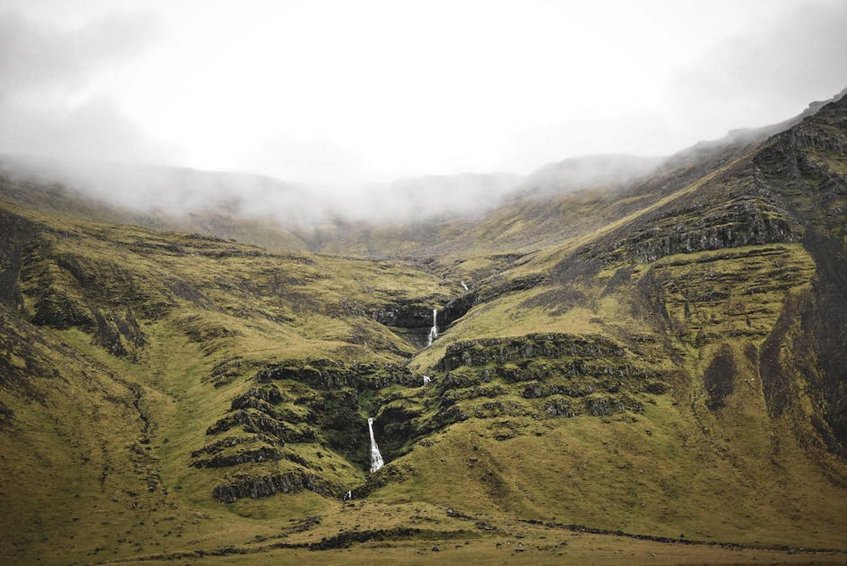
China Jiuzhaigou Valley Waterfalls: Nature’s Stunning Cascade Wonderland
China Jiuzhaigou Valley waterfalls showcase some of Asia’s most breathtaking natural hydrology across a UNESCO World Heritage site spanning 720 square kilometers in Sichuan province. Your visit reveals turquoise lakes, multi-level cascades, and ancient forests that change dramatically with seasons from vibrant autumn hues to frozen winter sculptures. This guide covers essential planning, photography spots, cultural insights, and practical logistics for experiencing these legendary waterfalls.
Essential Valley Information
Jiuzhaigou National Park protects an extraordinary karst landscape formed by glacial activity over millennia within the Min Mountains on the Tibetan Plateau’s edge. The valley’s name translates to Valley of Nine Villages referencing Tibetan communities that have inhabited this region for centuries. Its unique hydrology creates the stunning colored lakes and waterfalls through calcium carbonate deposits and mineral-rich waters.
Established as a national park in 1982 and UNESCO site in 1992, Jiuzhaigou receives over three million annual visitors during peak seasons between April and November. The park underwent significant restoration after a 2017 earthquake with most areas reopening by 2019 with improved infrastructure and conservation measures. Visiting requires careful timing as weather conditions can change rapidly at elevations between 2,000-4,764 meters.
What You Need to Know
Understanding these key aspects enhances your waterfall experience significantly.
- Purchase tickets online through official channels 1-30 days in advance during peak season (April-October) when daily visitor numbers reach capacity limits of 41,000 people.
- Prepare for altitude changes with gradual acclimatization, hydration, and possible medication as the valley sits above 2,000 meters where oxygen levels decrease noticeably.
- Respect conservation rules prohibiting swimming, littering, or straying from designated paths to protect the fragile ecosystem supporting giant pandas and golden snub-nosed monkeys.
- Budget travelers spend $50-75 daily using hostels in Zhangzha town, local restaurants, and public transportation with park entry at $45 during high season (April-November) and $30 low season.
- Mid-range visitors allocate $100-150 daily for comfortable hotels with heating, park shuttle passes, guided tours, and better meals while still using economical transportation options.
- Luxury experiences cost $200-300+ daily featuring resort accommodations with valley views, private guides, premium dining, and convenient airport transfers reducing travel stress.
- China National Tourism Administration
- UNESCO World Heritage Centre
Key Geological Details
The valley’s famous travertine waterfalls form through unique hydrological processes where calcium-rich waters flow over ancient limestone deposits. This creates the spectacular stepped formations and vibrant blue-green colors that change intensity with sunlight angles and water volumes. These natural travertine dams continually evolve through mineral deposition at rates up to 3mm annually.
Seasonal variations dramatically transform the waterfalls with spring snowmelt creating powerful torrents while autumn offers clearer waters against colorful foliage. Winter freezes portions of the cascades into spectacular ice formations while maintaining some flowing sections. The most photographed waterfalls maintain flow year-round though volumes decrease significantly during dry winter months.
Cultural and Historical Significance
Jiuzhaigou holds deep spiritual meaning for local Tibetan and Qiang communities who consider the valley sacred with numerous legends surrounding its creation. Traditional villages within the park boundaries maintain cultural practices including prayer flags, white stone towers, and annual festivals celebrating mountain deities. The name references nine historic Tibetan villages though only three remain permanently inhabited today.
Modern tourism development began in the 1980s with infrastructure improvements creating the accessible park experience visitors enjoy today. Conservation efforts balance tourism impact with ecosystem protection through shuttle systems, designated walkways, and strict visitor management. This approach preserves both natural wonders and cultural heritage for future generations.
China Jiuzhaigou Valley Waterfalls – Planning Your Trip
Successful China Jiuzhaigou Valley waterfalls visits require strategic timing between April and October when water volumes peak and accessibility remains high. The park’s high altitude location demands preparation for changing weather conditions with layered clothing for temperatures ranging from 50°F to 75°F (10°C to 24°C) during optimal visiting months. Advance ticket purchases prove essential as daily entry limits sell out quickly during popular seasons.
Budget approximately $75-150 daily including park entry, transportation, meals, and basic accommodation with luxury options reaching $300+. The park operates shuttle buses between major attractions though some waterfall viewpoints require significant walking on elevated boardwalks. Physical preparation helps manage the altitude and distance covering up to 15 kilometers if exploring the entire valley in one day.
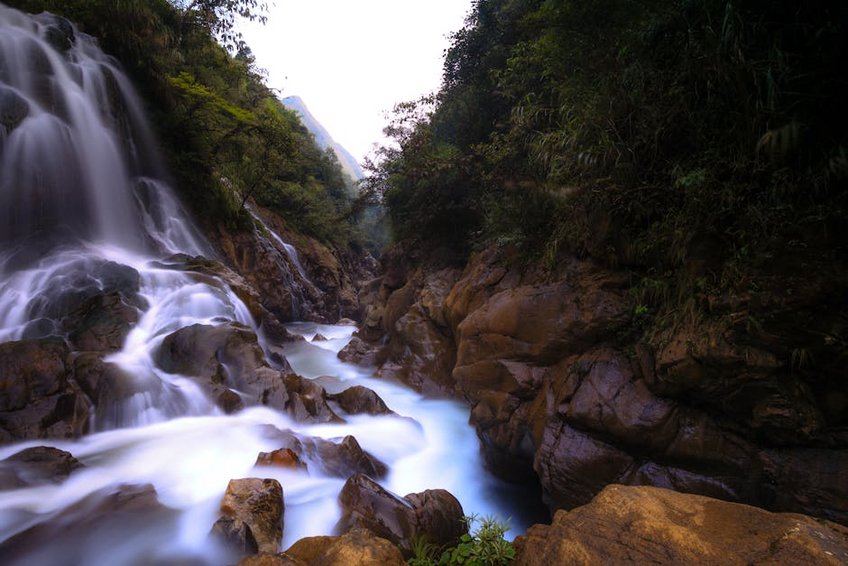
Alt: “jiuzhaigou-valley-nuorilang-waterfall-autumn-colors”
Best Time to Visit Jiuzhaigou Valley
April through June offers powerful waterfall flows from snowmelt with comfortable temperatures between 50-68°F (10-20°C) and fewer crowds before summer peak season. This period showcases the waterfalls at their most dramatic with high water volumes though some trails might remain closed from winter damage. Late spring brings blooming rhododendrons and azaleas adding floral beauty to the landscape.
September through October provides the iconic autumn foliage backdrop with maple and birch trees turning brilliant gold and red against the blue waters. Temperatures range from 45-65°F (7-18°C) with crisp air excellent for photography though visitor numbers surge during this photogenic period. November through March offers frozen waterfall scenes with temperatures dropping to 23°F (-5°C) and some area closures.
Budget Planning and Costs
Manage expenses with these tiered options.
Essential Preparation Checklist
Pack layered clothing including waterproof jackets, comfortable walking shoes with grip, sunglasses, sunscreen, and hats for changeable mountain weather. Bring altitude medication if prone to sickness, sufficient memory cards and batteries for photography, and reusable water bottles to stay hydrated throughout long walking days. Consider trekking poles for stability on boardwalks and paths that can become slippery near waterfall spray zones.
Secure Chinese tourist visas 1-2 months before travel, purchase comprehensive travel insurance covering high-altitude destinations, and download offline maps and translation apps. Book accommodations 3-6 months ahead for autumn visits when hotels near the park entrance sell out quickly. Confirm all reservations and have printed copies of important documents including passport and insurance details.
Top Attractions and Activities
Jiuzhaigou Valley’s waterfall system includes dozens of named cascades with Pearl Shoal, Nuorilang, and Shuzheng among the most accessible and photogenic. The park organizes into three main valleys – Shuzheng, Rize, and Zechawa – connected by shuttle buses with walking paths between major points. Visitors typically start early to avoid crowds at popular waterfalls then explore secondary areas during peak hours.
Photography opportunities abound throughout the day with morning light ideal for east-facing waterfalls and afternoon sun illuminating western sections. The park’s elevation changes create microclimates where weather conditions vary significantly between valley sections requiring flexible itinerary planning. Ranger stations provide current conditions and can recommend less crowded routes based on real-time visitor distribution.
Must-See Highlights
Pearl Shoal Waterfall spans 310 meters wide making it China’s broadest highland waterfall with water cascading over travertine formations resembling pearls. Visit early morning before shuttle crowds arrive for optimal photography conditions with sunlight illuminating the mist. The waterfall flows year-round though volumes decrease substantially in winter months from November through March.
Nuorilang Waterfall drops 24.5 meters across 270 meters width serving as the park’s symbolic centerpiece with viewing platforms on both sides of the main road. This waterfall maintains strong flow throughout most seasons and becomes partially frozen in winter creating spectacular ice formations. Arrive midday when sunlight penetrates the valley depth for the best photographic lighting conditions.
Shuzheng Waterfall Group comprises multiple cascades descending through terraced travertine formations with boardwalks providing close access to the powerful flows. These waterfalls showcase the valley’s geological diversity with different flow patterns and mineral deposits creating varied visual effects. The area remains less crowded than main attractions offering more intimate waterfall experiences.
Hidden Gems and Local Favorites
Five-Color Pond in the Zechawa Valley features stunning mineral deposits with waterfall-fed waters that change colors throughout the day based on sunlight angles. This smaller waterfall often gets overlooked by tour groups heading to major attractions making it perfect for quiet contemplation. The pond’s vibrant blues and greens create spectacular reflections of surrounding mountains during calm weather conditions.
Primeval Forest at the Rize Valley’s end offers tranquil waterfall viewing away from main crowds with ancient trees and limited shuttle access requiring more walking. This area showcases the valley’s ecosystem diversity with waterfalls flowing through old-growth forest environments. Local guides sometimes share Tibetan legends about specific waterfalls and their spiritual significance to indigenous communities.
Waterfall Photography Tips
Use polarizing filters to reduce glare from water surfaces and enhance color saturation in the famous blue lakes that feed the waterfalls. Tripods prove essential for long exposure shots smoothing water movement though some crowded viewpoints restrict their use during peak hours. Early morning visits provide softer light and fewer visitors interfering with compositions.
Experiment with different shutter speeds from fast settings freezing water droplets to slow exposures creating silky water effects. Include foreground elements like autumn leaves or snow formations to add depth and seasonal context to waterfall images. Protect equipment from mist and sudden weather changes using weather-sealed bags and lens cloths for quick cleaning.
Practical Travel Information
Jiuzhaigou Huanglong Airport (JZH) located 88 kilometers from the park serves flights from major Chinese cities with bus connections taking approximately 1.5-2 hours. Alternatively, travel from Chengdu via 8-10 hour buses or domestic flights to Songpan County then transfer to park transportation. The journey involves significant mountain driving with possible altitude sickness considerations.
Park entry includes mandatory shuttle bus access with hop-on-hop-off service between designated stops though some waterfall viewpoints require walking distances up to 2 kilometers. Accommodations range from basic guesthouses to luxury resorts with the best locations near the park entrance reducing daily travel time. Advance bookings prove essential especially during autumn foliage season from late September to October.
| Category | Options/Features | Price Range (USD) |
|---|---|---|
| Accommodation | Budget hostels to luxury resorts with park views, heating, WiFi | $30-300 nightly |
| Transportation | Park shuttle passes, private cars, airport transfers, Chengdu buses | $15-150 daily |
| Food & Dining | Local Tibetan restaurants, hotel dining, street food, packed meals | $10-50 daily |
| Activities & Tours | Guided hikes, photography tours, cultural experiences, park entry | $45-200 per experience |