Budapest Travel Guide: Navigating Europe’s Danube Gem
Budapest enchants visitors with its dramatic Danube River setting, thermal bath culture, and distinct dual personality. Your Budapest travel guide should address both Buda’s historic hills and Pest’s vibrant downtown, connected by iconic bridges and a comprehensive public transport system. This overview details seasonal timing, accommodation districts, dining essentials, and navigation tips for exploring Hungary’s capital effectively across various interests and budgets.
Essential Budapest Information
Hungary’s capital formed officially in 1873 by merging Buda, Óbuda, and Pest. The city’s history spans Roman settlements, Ottoman rule, and Austro-Hungarian grandeur, visible in its diverse architecture. This complex past shapes a resilient cultural identity celebrated through language, cuisine, and annual festivals.
Geographically, the Danube River splits the city, with hilly Buda on the west bank and flat Pest on the east. This division creates distinct atmospheres just minutes apart by metro or bridge. The city’s layout is logical, centered around major landmarks like the Parliament and Castle Hill.
Fast Facts and Orientation
Before arrival, note these key details for smooth navigation and planning.
- Currency is the Hungarian Forint (HUF). Euros are accepted at some hotels and tourist shops, but local currency gets better rates for daily spending. Expect about 360 HUF to 1 USD.
- The primary language is Hungarian. English is widely spoken in tourism, hospitality, and by younger generations in central districts. Learning basic phrases like “köszönöm” (thank you) is appreciated.
- Budapest operates on Central European Time (CET, UTC+1). It shifts to Central European Summer Time (CEST, UTC+2) from late March to late October.
- Budget travelers can manage on $50-70 USD daily by staying in hostels, using public transport passes, eating at local markets like Lehel Csarnok, and visiting free attractions like the Citadella and city parks.
- A mid-range budget of $100-150 USD per day allows for boutique hotels in District VI or VII, daily thermal bath entry, several paid museum visits, and meals at quality traditional restaurants.
- A luxury experience from $250+ USD daily includes 5-star hotels like the Four Seasons Gresham Palace, private guided tours, fine dining at Onyx or Costes, and spa treatments at the Gellért Baths.
- Official Budapest Tourist Information
- Budapest Public Transport (BKK)
Climate and Seasonal Character
Budapest experiences a continental climate with four distinct seasons. Summers (June-August) are warm to hot, with average highs around 80-86°F (27-30°C). This is peak tourist season, bringing vibrant street life and long days perfect for Danube cruises.
Winters (December-February) are cold and can be gray, with temperatures averaging 32-39°F (0-4°C). Snow is possible, creating a magical atmosphere around Christmas markets. The thermal baths offer a uniquely cozy experience during this time.
Visa and Entry Requirements
Hungary is a Schengen Area member. US, UK, Canadian, and Australian passport holders can visit visa-free for up to 90 days within any 180-day period for tourism. Your passport must be valid for at least three months beyond your planned departure date from the Schengen Area.
Always check official government sources for the latest entry rules before booking. Non-Schengen nationals should confirm specific visa requirements well in advance of travel.
Alt: “budapest-danube-river-parliament-building-castle-hill”
Budapest Travel Guide – Planning Your Trip
Strategic planning maximizes your experience in this layered city. Your Budapest travel guide must balance iconic sightseeing with local immersion, accounting for the city’s walkable yet sprawling nature. Prioritize attractions based on your district stay and consider a Budapest Card for transit and museum access if visiting multiple paid sites.
Booking major attractions like the Parliament tour or thermal baths online in advance saves significant queue time, especially from late spring to early autumn. Allow flexibility for spontaneous ruin bar visits or extended café sessions, which define the local pace.
Best Time to Visit Budapest
The ideal months are late April to early June and September to October. These shoulder seasons offer mild weather, with temperatures between 60-75°F (15-24°C), fewer crowds, and pleasant conditions for walking. Hotel rates are more favorable compared to the summer peak.
July and August bring heat, crowds, and higher prices but feature major festivals like Sziget. December is magical for the Christmas markets and baths, despite shorter, colder days. Avoid late January and February if you dislike gray, chilly weather.
Budget Planning and Costs
Budapest is considered good value within Central Europe. Your daily budget breaks down into three clear tiers.
Essential Preparation Checklist
Pack comfortable walking shoes, a swimsuit for the baths, and a light scarf or shawl for covering shoulders when entering churches like St. Stephen’s Basilica. European two-pin plug adapters (Type C/F) are required for charging devices, as Hungary uses 230V voltage.
Secure comprehensive travel insurance covering medical emergencies. Book airport transfers or research the 100E bus route. Download the BKK Futár app for real-time public transport info and Google Maps for offline navigation.
Top Attractions and Activities
Budapest’s appeal lies in its mix of monumental history and lived-in urban culture. Must-see landmarks include the Hungarian Parliament Building, a neo-Gothic masterpiece, and Buda Castle, offering panoramic views. The Fisherman’s Bastion provides a fairytale backdrop for photos, especially at sunrise.
Contrast these with experiences like soaking in the Széchenyi Thermal Bath, Europe’s largest medicinal bath complex, or exploring the Jewish Quarter’s ruin bars. A nighttime Danube cruise illuminates the city’s bridges and buildings spectacularly.
Must-See Highlights
The Hungarian Parliament Building tour is essential. Book tickets online weeks ahead for your preferred language and time. Inside, you’ll see the Holy Crown of Hungary and the stunning central staircase. Exterior views are best from the opposite bank at sunset.
Buda Castle and Castle Hill demand half a day. Use the funicular from Clark Ádám Square or walk up. Explore the castle grounds, visit the Hungarian National Gallery or Budapest History Museum, and wander the cobbled streets of the Old Town. The area feels quieter than bustling Pest.
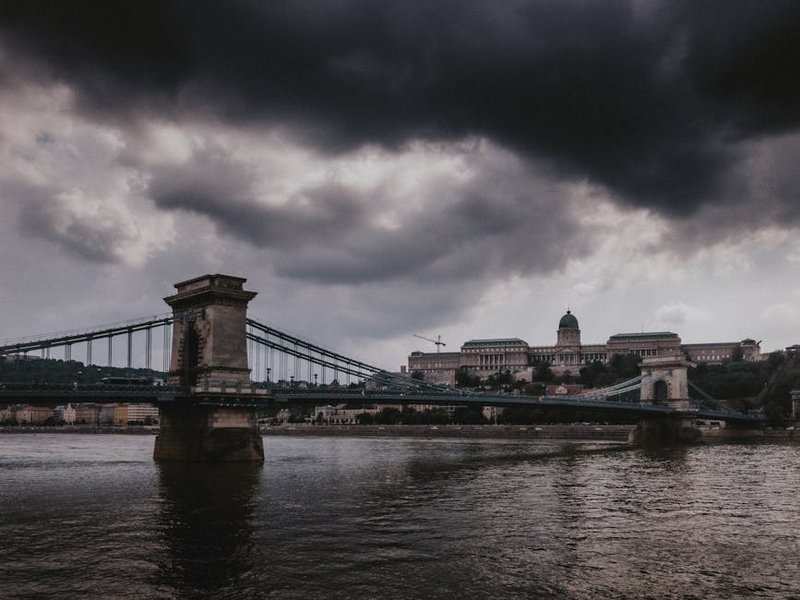
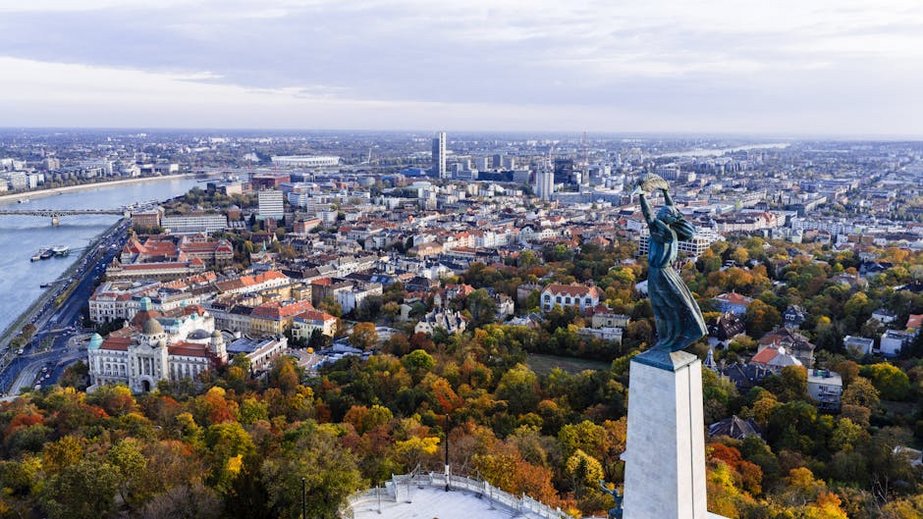
The Széchenyi Chain Bridge, a symbol of city unity, is worth crossing on foot. For the best panoramic cityscape, hike or take a bus to the Liberty Statue and Citadella on Gellért Hill. The view encapsulates the river’s curve and the city’s scale.
Hidden Gems and Local Favorites
Venture beyond the core to discover Budapest’s depth. The Memento Park is an open-air museum featuring statues from the Communist era, located southwest of the center. It offers a poignant and unique historical perspective reachable by public bus.
For a local bath experience, consider the Rudas or Király baths over the more touristy Széchenyi. Rudas features a stunning Ottoman-era dome and nighttime bathing sessions. The Bartók Béla Boulevard area in District XI offers fantastic, less crowded cafés and a glimpse of everyday life.
Cultural Immersion and Ruin Bars
The Jewish Quarter’s ruin bars, like Szimpla Kert or Instant, are cultural institutions. These bars repurpose abandoned buildings into eclectic, artistic social spaces. Visit in the early evening to explore before crowds arrive, and note they often operate as clubs later.
For performing arts, book tickets for the Hungarian State Opera House or catch a show at the Erkel Theatre. The opulent interior tour of the Opera House is also highly recommended. Check schedules online before your trip.
Practical Travel Information
Navigating Budapest is straightforward with its efficient BKK public transport system of metros, trams, buses, and trolleybuses. Purchase tickets from purple vending machines or the BKK app; validate paper tickets upon boarding. A 24-, 72-hour, or 7-day travel pass offers convenience and savings.
Accommodation spans from luxury riverside hotels to boutique stays in the Palace District and budget hostels in the Jewish Quarter. Location choice significantly impacts your daily itinerary and walking time to major sites.
| Accommodation Type | Best Districts & Features | Average Price Range (USD/Night) |
|---|---|---|
| Luxury Hotels | District V (Belváros), Danube views, historic buildings, spa facilities. | $200 – $450+ |
| Boutique Hotels | District VI (Terézváros) & VII (Erzsébetváros), design-focused, central location. | $100 – $200 |
| Apartment Rentals | District VIII (Józsefváros) or XIII, more space, kitchen access, local feel. | $70 – $150 |
| Hostels & Budget | District VII (Jewish Quarter), social atmosphere, prime location for nightlife. | $20 – $60 |