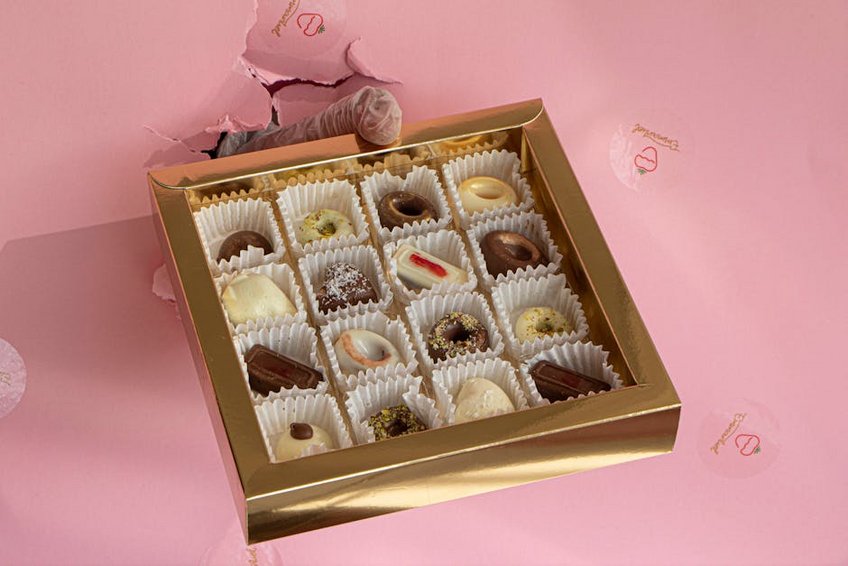
Belgium Brussels Chocolate Festival: A Sweet Journey Through the World’s Capital of Cocoa
Attending the Belgium Brussels Chocolate Festival immerses you in the epicenter of global chocolate craftsmanship, where master chocolatiers unveil new creations and centuries-old traditions come alive. You’ll sample exclusive pralines, watch live sculpting demonstrations, and learn the nuanced art of bean-to-bar production from industry legends. This guide covers essential planning, from navigating the festival’s multiple venues to securing tasting tickets and discovering the city’s best chocolate shops beyond the event grounds.
Essential Festival Information
The Brussels Chocolate Festival, often called “Choco Brussels,” is a major annual event celebrating the nation’s most famous export. It typically unfolds over a weekend in February, strategically placed after the winter holidays and before the spring tourist rush. The event attracts over a hundred exhibitors, ranging from historic Belgian houses to innovative artisan startups.
Locations have included prestigious venues like the Grand Place and Tour & Taxis, a sprawling cultural space. The festival isn’t a single hall but a constellation of experiences: main exhibition tents for major brands, a dedicated artisan market for small-batch makers, and workshop theaters for live demonstrations. Each zone offers a different facet of the chocolate universe, requiring strategic navigation.
What You Need to Know Before You Go
Understanding the festival’s structure is key to maximizing your visit and avoiding sensory overload. The layout is designed to guide you through a chocolate journey.
- Purchase timed-entry tickets online well in advance, as weekend slots, especially Saturdays, sell out weeks before the event. General admission typically includes a small tasting bag and access to most demonstrations.
- Dress in comfortable, layered clothing; the exhibition halls can be warm from the crowds and chocolate-making equipment, but Brussels in February is cold, often between 35-45°F (2-7°C).
- Bring cash (Euros) in small denominations, as many small artisan vendors prefer it, though most larger stalls accept major credit cards. A reusable tote bag is essential for carrying purchased chocolate and festival guides.
- Budget: ($800-$1,200) Stay in a hostel or budget hotel outside the center, use public transport, and focus on free festival tastings and window-shopping. Purchase a few select treats from artisans. Meals can be affordable from street vendors and local cafés.
- Mid-Range: ($1,500-$2,500) Book a central 3-star hotel, purchase a festival VIP pass for early access, enjoy a paid masterclass, and dine at mid-range brasseries. This tier allows for a substantial chocolate haul from top-tier makers and comfortable, convenient logistics.
- Luxury: ($3,000+) Stay at a 5-star hotel like The Hotel Brussels, book private chocolate tours with translators, attend exclusive chef-led pairing dinners with wine or beer, and purchase gift boxes from the most prestigious houses. This includes taxi transport and curated experiences.
- Visit Brussels – Official Tourism Site
- European Chocolate Festivals Network
Key Details and Event History
The festival’s evolution mirrors Brussels’ own chocolate history, which began in the 19th century with the invention of the praline. Initially a smaller trade-focused gathering, it has grown into a public spectacle that draws tens of thousands of international visitors. Its timing capitalizes on the post-holiday period when chocolate consumption traditionally dips, reinvigorating the market.
Beyond mere tasting, the event serves as an industry summit where new trends like vegan couverture, single-origin bean focus, and sustainable sourcing are prominently discussed. You’ll witness the announcement of awards for best praline, best artisan, and most innovative product, offering a curated list of must-try items for the year ahead. This competitive edge ensures only the highest-quality creations are showcased.
The Cultural Significance of Chocolate in Brussels
Chocolate is woven into the social and economic fabric of Brussels. The city boasts more chocolate shops per square mile than any other global capital, with many family-owned businesses operating for generations. This festival is their collective showcase, a point of immense civic pride that transcends commercial interest.
For Belgians, chocolate is not a casual candy but a subject of serious gastronomy, governed by strict quality laws. The festival educates visitors on these standards, such as the high cocoa butter content required for Belgian chocolate. It’s a living museum of taste where you learn to distinguish between a mass-produced truffle and a hand-tempered masterpiece.
Alt: “grand-place-brussels-chocolate-festival-tents-winter”
Belgium Brussels Chocolate Festival – Planning Your Trip
Your visit to the Belgium Brussels Chocolate Festival requires more foresight than a typical city break. Accommodation in central districts like the Ilot Sacré or Marolles books up months ahead for the festival weekend. You should target hotels within a 20-minute walk of the main venue to avoid reliance on trams during peak hours.
A successful strategy involves booking a combination pass if available, which might include a workshop, a guided tasting, and priority entry. Budget extra for premium experiences, such as a masterclass with a renowned chocolatier, which can cost €50-€80 ($55-$90) but provides unparalleled insight and generous sampling. Allocate at least one full day, ideally two, to experience the festival without rushing.
Remember that the festival is just the centerpiece. Your planning should incorporate time to visit the permanent chocolate museums, like the Museum of Cocoa and Chocolate near the Grand Place, and legendary shops such as Neuhaus, Godiva, and Pierre Marcolini. This holistic approach gives you a complete understanding of Brussels’ cocoa crown.
Best Time to Visit for the Chocolate Festival
The prime time to visit is during the festival weekend itself, usually in mid-to-late February. This period offers the concentrated energy of the event, with all major chocolatiers present. Daytime temperatures average 41°F (5°C), requiring a warm coat, but the indoor venues are cozy. Crowds peak on Saturday afternoon, so aiming for a Friday opening or Sunday session is wiser.
Consider extending your trip by a day or two on either side. The week before the festival sees final preparations and a quieter city, while the days after allow you to revisit favorite discovered brands at their standalone boutiques. Visiting outside of festival season, like in April or September, misses the event but offers milder weather of 50-65°F (10-18°C) and shorter lines at famous chocolate ateliers.
Budget Planning and Costs
Your budget will vary significantly based on your tasting ambitions and accommodation choice. The festival itself is just one part of the total cost.
Essential Preparation Checklist
Pack with both the weather and the festival in mind. Essentials include a waterproof jacket, comfortable walking shoes, a compact umbrella, and a insulated bag to protect chocolate purchases from melting. Bring a refillable water bottle to cleanse your palate between tastings, and consider a small notebook to record your favorite finds and flavor notes.
Ensure your passport is valid for at least three months beyond your departure date from the Schengen Area. Purchase comprehensive travel insurance that covers trip interruption. Book all festival tickets, workshops, and hotel stays at least two to three months in advance. If you have dietary restrictions, research which exhibitors offer vegan, dairy-free, or nut-free options beforehand.
Top Attractions and Chocolate Experiences
Brussels transforms into a chocolate wonderland during the festival period. Beyond the main pavilions, the city itself participates. Many historic chocolate shops create special festival-only pralines and offer behind-the-scenes tours. The Galeries Royales Saint-Hubert, a beautiful 19th-century glass-roofed arcade, becomes a de facto extension of the festival with its concentration of venerable chocolatiers.
Key activities include watching the live chocolate sculpture competition, where artists create large-scale works from hundreds of kilos of chocolate. Another highlight is the “bean to bar” demonstration area, where you can follow the process from raw cocoa bean to finished bar. For a hands-on experience, beginner workshops teach you how to temper chocolate and make your own simple truffles to take home.
Must-See Festival Highlights
The Artisan Market is the heart of discovery, featuring small producers you won’t find in airport duty-free shops. Here, you can talk directly with the makers about their sourcing and techniques. Plan to spend several hours in this section alone, tasting unique flavors like Sichuan pepper, passion fruit, or speculoos-infused ganache.
The Main Stage hosts scheduled demonstrations by MOF (Meilleur Ouvrier de France) titled chocolatiers and World Chocolate Masters competitors. These are often standing-room-only, so arrive 15 minutes early. Don’t miss the historic exhibitors’ section, where brands like Neuhaus, inventor of the praline, showcase their heritage and latest innovations, often with generous sampling.
Hidden Gems and Local Favorites
Venture beyond the obvious to find true local favorites. While the grand marques are famous, seek out lesser-known ateliers in neighborhoods like Saint-Gilles or Ixelles. Shops like Mary, the official chocolatier to the Belgian royal court, offer an exceptionally refined experience in a quieter setting away from the Grand Place crowds.
Locals often prefer the smaller, specialized festivals or markets that sometimes run concurrently, like a dedicated organic chocolate fair. Ask vendors at the artisan market for their personal recommendations on which colleague’s booth to visit next—they often point you to the most exciting, under-the-radar talent at the event.
Chocolate and Beer Pairing Sessions
A uniquely Belgian experience is the chocolate and beer pairing workshop. Belgium’s incredible beer culture, with its trappist ales, lambics, and fruited beers, provides perfect complements to chocolate. Expert-led sessions teach you how the malt notes in a dubbel enhance dark chocolate, or how a kriek lambic cuts through the richness of a milk chocolate praline.
These sessions are ticketed separately and highly popular. They typically include 4-5 pairing samples and detailed explanations from a sommelier. It’s an insightful way to engage with two of Belgium’s most celebrated culinary arts simultaneously, deepening your appreciation for both.
Practical Travel Information for Brussels
Navigating Brussels during the festival is straightforward with a little preparation. The city’s compact center is very walkable, and an excellent tram and metro system connects key areas. Purchase a STIB-MIVB 24 or 48-hour transport pass for unlimited travel on all trams, buses, and the metro, which is more economical than single tickets.
For accommodation, prioritize location over luxury if your goal is to maximize festival time. Staying in the Lower Town (Pentagone) area means you can easily return to your hotel to drop off purchases or take a break. English is widely spoken in tourist and service industries, so communication barriers are minimal for most visitors.
| Category | Options/Features | Price Range (USD) |
|---|---|---|
| Budget Hotel | Hostel or basic hotel, shared bath, outside city center, near metro | $80-$130/night |
| Mid-Range Hotel | 3-star, private bath, central location (e.g., Sainte-Catherine), breakfast included | $150-$250/night |
| Luxury Hotel | 5-star (e.g., Amigo, Sofitel), concierge, spa, prime Grand Place views | $350-$600+/night |
| Vacation Rental | Full apartment with kitchen, in neighborhoods like Sablon or Louise | $120-$300/night |