Ankara Travel Guide: Exploring Turkey’s Historic Capital
Your Ankara travel guide begins in a city often overshadowed by Istanbul, yet offering a profound and authentic Turkish experience. As the nation’s capital, Ankara provides a fascinating blend of ancient history, from Hittite and Roman ruins, with the modern political heartbeat of the Republic. This guide details the essential sights, from Atatürk’s mausoleum to the hilltop castle, and delivers practical advice on navigating the districts, enjoying the local cuisine, and planning your itinerary efficiently across different seasons.
Essential Ankara Information
Ankara sits in the heart of Central Anatolia, a high plateau with a continental climate distinct from Turkey’s coastal regions. Founded over 3,000 years ago, it served as a crucial crossroads for Hittite, Phrygian, Roman, and Byzantine civilizations. The city’s modern significance was cemented in 1923 when Mustafa Kemal Atatürk declared it the capital of the newly founded Republic of Turkey.
Today, the metropolis is Turkey’s second-largest city and its administrative center. Visitors discover a unique duality here. Government buildings and embassies share space with bustling traditional markets and ancient citadels. Understanding this blend of ancient, republican, and contemporary layers is key to appreciating your visit.
Key Facts at a Glance
Before you visit, here are some foundational details about the Turkish capital.
- Population: Over 5.6 million residents, making it a major metropolitan hub with a faster pace than typical tourist towns.
- Language: Turkish is the official language; English is commonly spoken in hotels, major museums, and tourist areas, but learning basic Turkish phrases is appreciated.
- Currency: Turkish Lira (TRY). Credit cards are widely accepted, but carrying some cash is essential for markets, taxis, and smaller establishments.
- Budget Traveler ($40-60 USD/day): Stay in hostels or guesthouses in Ulus, use public transport, enjoy street food and local *lokantas*, and focus on free sights like walking the citadel walls and visiting public parks.
- Mid-Range Traveler ($80-150 USD/day): Stay in a hotel in Kızılay or near Atatürk Boulevard, take occasional taxis, dine at well-regarded restaurants for both Turkish and international cuisine, and enter all major museums and Anıtkabir.
- Luxury Traveler ($200+ USD/day): Stay at a five-star hotel like the Sheraton or Hilton, enjoy private guided tours with transportation, dine at upscale rooftop restaurants, and perhaps take a day trip to nearby Gordion or Lake Eymir with a private driver.
- Ankara Metropolitan Municipality
- Republic of Turkey Ministry of Culture and Tourism Portal
Climate and Weather Patterns
Ankara experiences a stark continental climate with four distinct seasons. Summers are hot and dry, with July and August averages around 86°F (30°C). Winters are cold and snowy, with January temperatures often dropping to 28°F (-2°C). Spring and autumn offer the most pleasant conditions for exploration.
Rainfall is relatively low but peaks during late spring. The high elevation (approximately 938 meters or 3,077 feet) contributes to the significant temperature swings between day and night. Packing layers is advisable regardless of the season you choose for your trip.
Cultural Significance and Modern Role
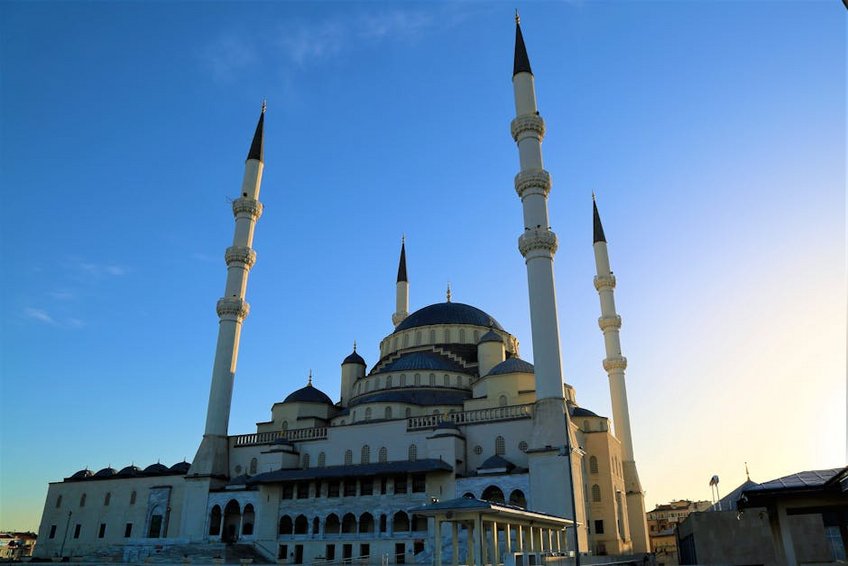
Ankara symbolizes the secular, modern identity of Turkey as envisioned by its founding father, Atatürk. This is most visibly embodied in Anıtkabir, his monumental mausoleum, which is a site of national pilgrimage. The city’s layout and architecture were deliberately planned to represent this new era, moving the political center inland from Ottoman Istanbul.
Beyond politics, Ankara is a major university city, home to several institutions including Middle East Technical University. This infusion of youth creates vibrant cultural and nightlife scenes in districts like Kızılay and Bahçelievler. The city’s identity is a compelling mix of solemn national history and dynamic contemporary energy.
Alt: “ankara-cityscape-anitkabir-hilltop-citadel-view”
Ankara Travel Guide – Planning Your Trip
Effective planning transforms a visit to Turkey’s capital from a simple stopover into a rich cultural journey. A successful Ankara travel guide must account for the city’s sprawling layout and diverse attractions. Allocate time for both the monumental republican sites and the winding, historical alleyways of the old city around the fortress.
Your budget can vary significantly. Museum entry fees are modest, often under $5 USD. Transportation costs are low with an efficient public bus and metro system. Mid-range dining offers excellent value, with a fulfilling meal typically costing between $10-$20 USD per person. Planning around the weather and local holidays will greatly enhance your experience.
Consider purchasing a museum pass if you plan intensive historical exploration. The Ankara City Card also provides discounts on transportation and some attractions. Always confirm opening hours in advance, as they can shift during religious holidays and national commemorations.
Best Time to Visit Ankara
The ideal months for visiting Ankara are May, June, September, and early October. During these periods, daytime temperatures range from a pleasant 68°F to 77°F (20°C to 25°C). Crowds are manageable, and the weather is perfect for walking between outdoor sites like the Roman Baths and the Temple of Augustus.
July and August bring intense heat, often exceeding 86°F (30°C), which can make extensive touring uncomfortable. Winter, from December to February, is cold with potential snow, creating a beautiful atmosphere but requiring warm clothing. The shoulder seasons provide the best balance of comfortable climate and accessibility to all attractions.
Budget Planning and Costs
Ankara can suit various travel budgets, from backpacker to luxury. Here is a typical daily breakdown.
Essential Preparation Checklist
Prepare for Ankara’s climate and urban environment. Pack comfortable walking shoes, layers for variable temperatures, a sun hat for summer, and a warm coat for winter. A power adapter for Type F sockets (220V) is necessary for most travelers from North America.
Ensure your passport is valid for at least six months beyond your travel dates. U.S., E.U., U.K., and Canadian passport holders typically need an e-Visa for Turkey, which is obtainable online before arrival. Purchase comprehensive travel insurance that covers medical emergencies. Download offline maps and the local transportation app, EGO Cep, for navigating the city with ease.
Top Attractions and Activities
Ankara’s attractions powerfully narrate Turkey’s journey from antiquity to a modern republic. The city is not about a single iconic landmark but a collection of sites that together tell a complete story. You will move through epochs, from Bronze Age civilizations to the birth of a 20th-century nation-state, all within a compact urban area.
Allow at least two full days to cover the primary sites without rushing. The historical core in Ulus is walkable, but the distances to the Museum of Anatolian Civilizations, Anıtkabir, and the newer city center require using transportation. Prioritize based on your interests, whether they lean toward deep archaeology, modern history, or local market life.
Must-See Historical Highlights
Anıtkabir, the mausoleum of Mustafa Kemal Atatürk, is the unequivocal centerpiece. The sheer scale and solemnity of the complex, including a museum detailing the War of Independence, is profound. Plan for at least two hours here, and observe the dignified changing of the guard ceremony.
The Museum of Anatolian Civilizations, housed in a restored Ottoman bedesten, is world-class. It chronologically displays artifacts from Paleolithic to Classical periods, with the stunning Hittite collection as its crown jewel. Allocate 90 minutes to two hours. Nearby, the Ankara Castle (Hisar) offers panoramic city views from its walls, though the climb is steep.
Don’t miss the Roman-era Temple of Augustus and the adjacent Column of Julianus in the old Ulus district. The nearby Roman Baths ruins provide a sense of the city’s scale in antiquity. These sites are easily visited in a single walking tour of the historic quarter.
Hidden Gems and Local Favorites
Venture to the Hamamönü neighborhood, south of the citadel, for a beautifully restored area of traditional Ottoman houses. Now housing cafes, craft shops, and small museums, it’s quieter than the main tourist trails and perfect for an afternoon stroll. The neighborhood provides a more intimate sense of Ankara’s architectural heritage.
For a green escape, visit Gençlik Park (Youth Park) in the city center, featuring a large pond, walking paths, and casual eateries. Alternatively, take a short trip to Lake Eymir, managed by Middle East Technical University, for hiking, cycling, or a peaceful picnic. These spots offer a welcome respite from the urban bustle and are favorite weekend spots for locals.
Cultural and Artistic Exploration
Visit the Cer Modern, Ankara’s premier contemporary art museum located in a renovated historic railway workshop. Its rotating exhibitions feature significant Turkish and international artists. The building itself is an impressive example of adaptive reuse and is a hub for the city’s modern creative scene.
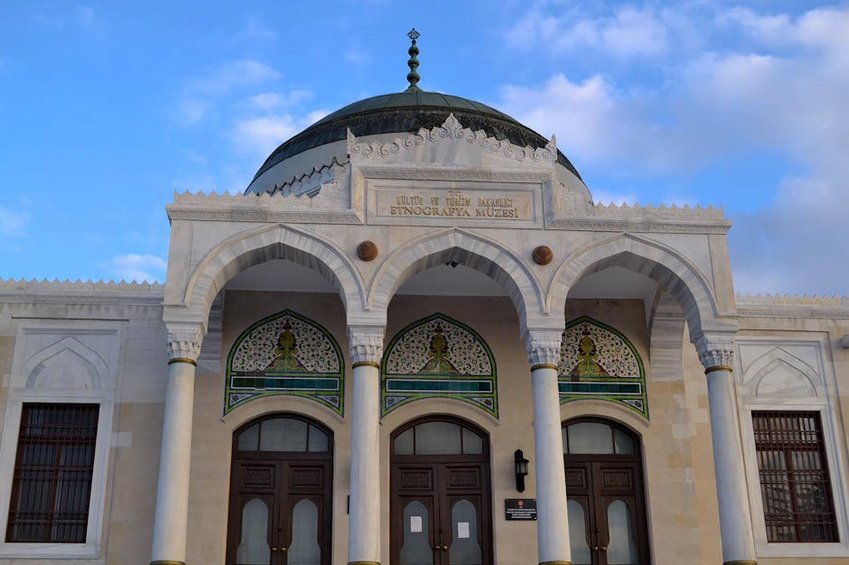
For performing arts, check the schedule at the Ankara State Opera and Ballet or the Presidential Symphony Orchestra. Ticket prices are very reasonable by international standards. The historic Millet Bahçesi (Nation Garden) is another cultural cluster, home to the Ethnography Museum and the State Art and Sculpture Museum, offering deep dives into Turkish folk life and fine arts.
Practical Travel Information
Navigating Ankara is straightforward with its grid-like central districts and comprehensive public transport. Esenboğa Airport (ESB) is the main international gateway, located about 28 km (17 miles) northeast of the city center. The airport is connected to the city via a dedicated bus service (HAVAŞ) and taxi, with the ride taking 35-45 minutes depending on traffic.
Within the city, the Ankara Metro (Ankaray and Metro lines) and a dense network of public buses (EGO) are efficient and inexpensive. Purchasing an AnkaraKart, a rechargeable transit card, is highly recommended for unlimited travel. Taxis are plentiful and metered, but ensure the meter is running at the start of your journey to avoid overcharges.
| Accommodation Area | Best For | Price Range (USD/Night) |
|---|---|---|
| Ulus & Old City | Budget travelers, history enthusiasts, walking to ancient sites | $25 – $70 |
| Kızılay | Mid-range travelers, central location, shopping, dining, metro access | $50 – $120 |
| Kavaklıdere & Çankaya | Luxury stays, diplomatic area, upscale restaurants, near Atatürk’s Mausoleum | $100 – $250+ |
| Bahçelievler | Local experience, university area, vibrant cafes and nightlife | $40 – $90 |