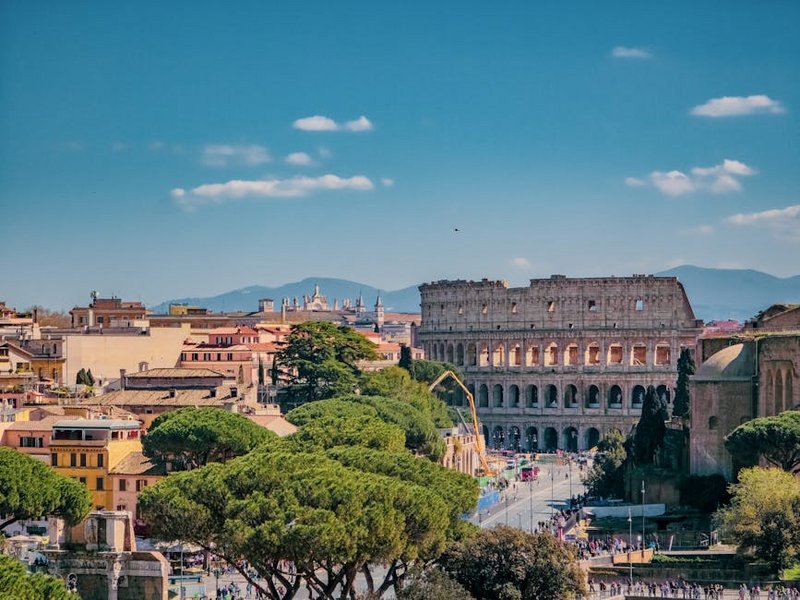
3-Day Travel Plan in Rome: See the Best of the Eternal City
With just 72 hours, a 3-Day Travel Plan in Rome requires smart pacing to balance iconic ancient sites, Renaissance art, and vibrant modern life. You will navigate from the Colosseum’s gladiatorial arena to the Vatican’s sacred halls, with time for authentic pasta and passeggiata strolls through picturesque piazzas. This efficient itinerary prioritizes geographic logic and timed entries, ensuring you experience Rome’s greatest hits without exhaustion.
Essential Rome Information
Rome, Italy’s capital, is a sprawling metropolis layered with nearly 3,000 years of history. The historic center, a UNESCO World Heritage site, is remarkably walkable, though its cobblestone streets demand comfortable shoes. The city operates on a relaxed Italian schedule, where shops close for a midday riposo and dinner rarely starts before 8:00 PM.
The local currency is the Euro (€), and credit cards are widely accepted, though it’s wise to carry small cash for markets and cafes. While Romans are accustomed to tourists, learning basic Italian phrases like “buongiorno” (good day) and “grazie” (thank you) is appreciated. The city’s public transport includes metro lines, buses, and trams, but your three-day visit will primarily rely on walking.
Visa and Entry Requirements
U.S., Canadian, U.K., and Australian passport holders do not need a visa for tourist stays in Italy under 90 days. Your passport must be valid for at least three months beyond your planned departure date from the Schengen Area. Always check the official government travel advice for the most current entry rules before your departure.
- Passport Validity: Ensure your passport has at least two blank pages and is valid for three months beyond your stay. The 90-day limit applies to the entire Schengen Zone, which includes Italy.
- Proof of Onward Travel: Immigration officials may ask to see proof of a return ticket or evidence of travel to another country. Having a printed itinerary or e-ticket confirmation is a smart precaution.
- Travel Insurance: While not mandatory for entry, comprehensive medical and trip cancellation insurance is highly recommended. Healthcare for non-EU citizens is not free, and a simple clinic visit can cost hundreds of Euros.
- Budget Traveler ($100-150/day): Stays in hostels or budget B&Bs, enjoys pizza al taglio and street food, uses public transport, and visits free sights like churches and piazzas. Pre-book a Colosseum/Forum ticket (approx. $24) and skip the Vatican Museums if needed.
- Mid-Range Traveler ($250-400/day): Books a central 3-star hotel or vacation rental, dines at sit-down trattorias for lunch and dinner, uses taxis for longer distances, and purchases skip-the-line tickets for all major attractions, including a guided Vatican tour (approx. $65).
- Luxury Traveler ($600+/day): Stays at a 5-star hotel near the Spanish Steps or Piazza Navona, dines at renowned restaurants, hires private drivers for transfers, and books exclusive after-hours tours of the Vatican or Colosseum underground.
- Roma Turismo Official Tourism Website
- CoopCulture Official Ticket Site for Colosseum and Roman Forum
- St. Peter’s Basilica Official Visitor Information
Rome’s Layout and Neighborhoods
Understanding Rome’s districts helps you navigate efficiently. The Historic Center (Centro Storico) contains the Pantheon, Piazza Navona, and the Trevi Fountain. Ancient Rome is home to the Colosseum, Roman Forum, and Palatine Hill. Across the Tiber River, Vatican City stands as an independent state, while Trastevere offers medieval charm and a thriving dining scene.
The Spanish Steps and Via Veneto define the elegant area known as the Tridente. For a more local feel, consider staying in neighborhoods like Prati, near the Vatican, or Monti, a trendy area close to the main ruins. Each district has a distinct character, but all are connected by a combination of walking routes and public transit.
Local Customs and Etiquette
Romans dress stylishly but practically for city exploration. When visiting major basilicas like St. Peter’s, attire must cover shoulders and knees. A polite “buongiorno” when entering a shop and “permesso” (excuse me) when navigating crowds goes a long way in showing respect for local customs.
Tipping is not as rigidly expected as in the U.S. At restaurants, a service charge (coperto) is often included; rounding up the bill or leaving 5-10% for exceptional service is sufficient. For coffee at a bar, it’s common to leave small change. Always confirm if a restaurant accepts cards before sitting down, as some smaller trattorias are cash-only.
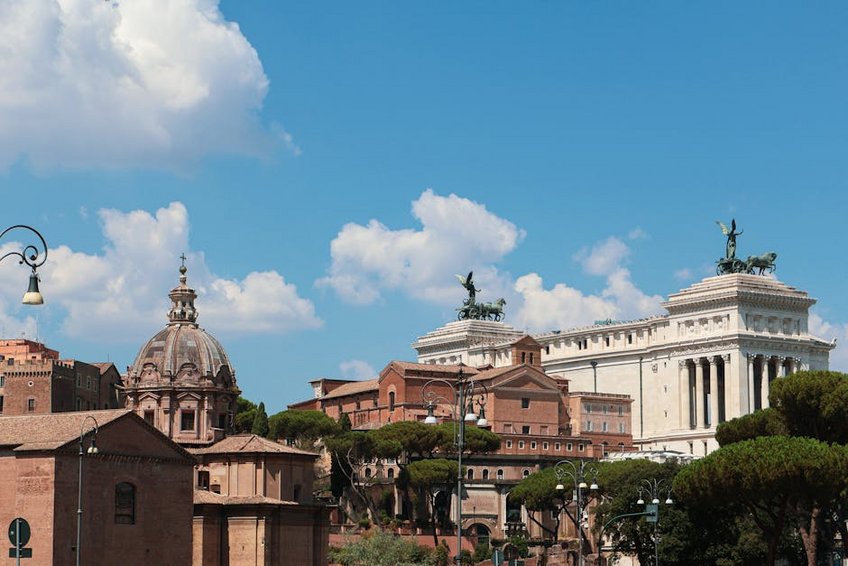
Alt: “rome-italy-colosseum-ancient-roman-architecture-sunny-day”
3-Day Travel Plan in Rome – Your Daily Itinerary
This detailed three-day Rome itinerary is designed to minimize backtracking and maximize your time. It assumes you will book skip-the-line tickets for major attractions well in advance, which is non-negotiable during peak season. Each day balances major sights with cultural immersion, leaving room for spontaneity at a sidewalk café. The pace is brisk but achievable, with built-in rest periods.
Start your first day early to beat the crowds at the ancient sites. Day two is dedicated to the Vatican’s artistic treasures, while day three explores Renaissance Rome and a classic neighborhood. Wear your most comfortable walking shoes, stay hydrated, and be prepared for the vibrant, sometimes chaotic, Roman street life. This plan works best from spring through fall, when daylight hours are longer.
Best Time to Visit Rome
April to June and September to October offer the ideal climate, with average highs between 68°F and 77°F (20°C and 25°C). These shoulder seasons provide pleasant weather for walking and thinner crowds compared to summer. July and August can be intensely hot, with temperatures often exceeding 86°F (30°C), and many locals leave the city, closing some smaller businesses.
Winter (November to February) is cooler, with highs around 50-55°F (10-13°C) and a higher chance of rain. However, you’ll encounter the fewest tourists and shorter lines. Major holidays like Easter and Christmas bring large crowds and higher prices. For this specific itinerary, late spring or early autumn provides the perfect balance of good weather and manageable visitor numbers.
Budget Planning and Costs
Your daily budget for a Rome trip varies significantly based on accommodation and dining choices. Entrance fees for major sites add up, so consider a pre-purchased pass. Here’s a realistic breakdown for a three-day visit.
Essential Preparation Checklist
Book your timed-entry tickets for the Colosseum and Vatican Museums at least one month in advance, especially for spring and summer trips. Reserve popular restaurants for dinner two to three weeks ahead. Download offline maps on Google Maps and the official “ATAC” app for real-time public transport updates. Confirm your hotel’s location is within a 15-minute walk of a metro stop.
Pack comfortable, broken-in walking shoes with good support for cobblestones. Bring a light scarf or shawl to cover shoulders for church visits. A portable power bank is essential for keeping your phone charged for navigation and photos all day. Notify your bank of travel plans to avoid card issues, and always have some Euro cash on hand.
Day-by-Day Rome Itinerary Breakdown
This hour-by-hour schedule provides a structured yet flexible framework. It accounts for typical opening hours, recommended booking times, and travel time between locations. Adjust start times based on your energy levels and interests. Remember that many smaller shops and some cafes close between 1:00 PM and 4:00 PM for the afternoon break.
Each day includes a primary cultural focus, from ancient history to Baroque art. Lunch suggestions range from quick bites to leisurely meals, allowing you to control your pace. Evening recommendations highlight the classic Roman tradition of the passeggiata (evening stroll) followed by a late dinner. The goal is immersion, not just checking boxes.
Day 1: Ancient Rome and the Historic Heart
Morning (8:30 AM – 1:00 PM): Start at the Colosseum with a pre-booked 9:00 AM entry. Spend 1.5 hours exploring the arena and tiers. Then, walk directly into the Roman Forum and Palatine Hill complex with your combined ticket. Allow at least two hours to wander these sprawling ruins, the political and social heart of ancient Rome.
Afternoon (1:00 PM – 5:00 PM): Walk 15 minutes to the Capitoline Museums for lunch with a view from its café. Then, descend into the Centro Storico. Visit the Pantheon (free entry), toss a coin into the Trevi Fountain, and admire the baroque sculptures in Piazza Navona. This area is perfect for gelato and people-watching.
Evening (7:00 PM onwards): Enjoy the sunset from the Spanish Steps. Stroll down Via dei Condotti for window shopping. For dinner, head to the Monti district near your morning start, known for its intimate wine bars and authentic trattorias like “Trattoria Monti” for superb pasta.
Day 2: Vatican City and Castel Sant’Angelo
Morning (8:30 AM – 1:00 PM): Enter the Vatican Museums at your pre-booked time (aim for 9:00 AM). Follow a strategic route to the Sistine Chapel, seeing the Raphael Rooms and Gallery of Maps. Exit directly into St. Peter’s Basilica (free). Climb the dome (approx. $10) for a breathtaking panorama before the lines form.
Afternoon (1:30 PM – 5:00 PM): Walk to the nearby neighborhood of Prati for a relaxed lunch. Then, cross the Ponte Sant’Angelo bridge to visit Castel Sant’Angelo. This fortress-museum offers another incredible city view and a fascinating history. Afterwards, explore the charming, less-touristy streets of the surrounding Borgo district.
Evening (7:30 PM onwards): Take a short taxi or bus to the Trastevere district. Wander its ivy-covered lanes before finding dinner at a restaurant like “Da Enzo al 29” for classic Roman carbonara. The area comes alive at night with bustling piazzas perfect for an evening aperitivo.
Day 3: Renaissance Rome and Trastevere
Morning (9:00 AM – 12:30 PM): Visit the Borghese Gallery, which requires a pre-booked, timed ticket. You have a two-hour slot to admire masterpieces by Bernini, Caravaggio, and Raphael. Afterwards, stroll through the vast Villa Borghese gardens, a peaceful green oasis in the city.
Afternoon (1:00 PM – 5:00 PM): Head to the Jewish Ghetto, one of Rome’s oldest neighborhoods. Have lunch here, trying fried artichokes (carciofi alla giudia). Then, walk to the Largo di Torre Argentina ruins (where Caesar was assassinated) and the nearby Campo de’ Fiori market area for a vibrant atmosphere.
Evening (6:00 PM onwards): Return to Trastevere or explore the Testaccio district, known for its authentic Roman cuisine and former slaughterhouse-turned-cultural hub. Enjoy a final feast before your passeggiata along the Tiber River, a fitting end to your Roman holiday.
Practical Travel Information for Rome
Navigating Rome is straightforward with a little preparation. The city has two main metro lines (A and B) that intersect at Termini Station, useful for reaching the Vatican (Ottaviano stop) or Colosseum (Colosseo stop). Buses fill in the gaps but can be slow during traffic. For a three-day trip, walking is often the fastest and most enjoyable option between central sights.
Taxis are white and must be booked via an app (like FREE NOW), picked up at a designated stand, or called by phone. Never hail a moving taxi on the street. Ride-sharing apps like Uber operate only as licensed taxi services (Uber Black) in Rome, which are more expensive. Always validate paper bus/tram tickets in the yellow machines onboard to avoid fines.
| Accommodation Area | Pros and Best For | Average Nightly Rate (USD) |
|---|---|---|
| Historic Center (Centro Storico) | Maximum walkability to major sights like Pantheon and Piazza Navona. Lively atmosphere, but can be noisy. | $180 – $400+ |
| Monti | Trendy, charming vibe close to the Colosseum. Excellent dining and nightlife. Slightly quieter than the main center. | $150 – $350 |
| Prati (near Vatican) | Upscale, residential feel with great shopping and dining. Easy metro access to center and Vatican. Quieter at night. | $160 – $380 |
| Trastevere | Picturesque medieval streets, vibrant nightlife and food scene. Feels authentically Roman, but across the river from main sights. | $140 – $320 |