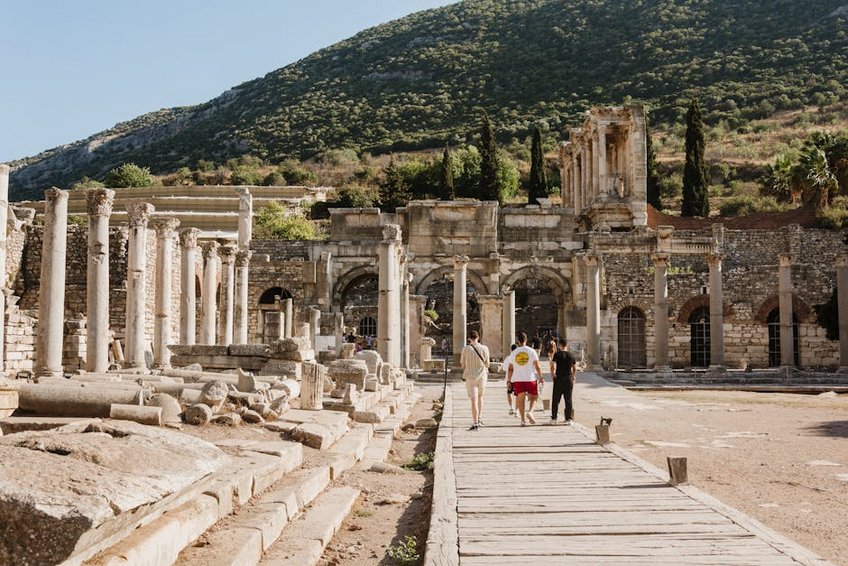
Ephesus Travel Guide
Ephesus presents one of the most remarkably preserved classical cities on Earth, where ancient marble streets lead past temples and libraries. Your Ephesus travel guide provides essential logistics for navigating its vast archaeological site near modern Selçuk, Turkey. This guide details historical context, planning strategies, and immersive cultural tips for your visit.
Essential Historical Information
Ephesus served as a major Roman port city and a center for early Christianity. The metropolis thrived from the 10th century BC through the Roman and Byzantine eras, boasting a population nearing 250,000. Its decline began with harbor siltation and earthquakes before eventual abandonment.
Modern excavation started in the 19th century, revealing structures that had been buried for centuries. Today, the archaeological zone is a UNESCO World Heritage Site managed by Turkish authorities. Visitors walk the same stones traversed by figures like Mark Antony, Cleopatra, and the Apostle Paul.
Key Archaeological Periods
Understanding the timeline enriches your appreciation of the layered ruins.
- Archaic Period (10th-6th Century BC): Founded by Ionian Greeks, the city featured the Temple of Artemis, one of the Seven Wonders.
- Roman Period (133 BC-395 AD): Ephesus reached its zenith under Roman rule, constructing the Library of Celsus, Great Theatre, and sprawling terrace houses.
- Byzantine & Ottoman Eras (395 AD onward): The city shifted as a Christian center before its final abandonment, leaving ruins frozen in time.
- Budget: $40-60/day. Includes hostel, local buses, self-guided touring with an audio app, and street food. Site entry is ~$15. Stay in Selçuk for affordable guesthouses.
- Mid-Range: $100-150/day. Covers a boutique hotel, guided small-group tour from Izmir, meals at local restaurants, and taxi transfers. This offers the best value for context and comfort.
- Luxury: $250+/day. Features 5-star Kusadasi resorts, private guide with vehicle, multi-day guided itineraries including nearby sites like Priene, and fine dining. Includes VIP early access.
- Turkish Ministry of Culture and Tourism
- UNESCO World Heritage Centre – Ephesus
What Makes Ephesus Unique
Few sites offer such a complete urban snapshot of Roman daily life. The marble-paved Curetes Street connects major monuments with visible shop foundations and inscribed plaques. Intricate mosaics and frescoes inside the Terrace Houses showcase affluent domestic life with stunning detail.
The scale of the Great Theatre, capacity 25,000, underscores the city’s importance. Meanwhile, the Library of Celsus facade remains an iconic symbol of ancient architectural grandeur. This combination of monumentality and intimate detail defines the site’s appeal.
Climate and Terrain Considerations
The Aegean coastal climate brings hot, dry summers and mild, wet winters. Summer temperatures regularly exceed 95°F (35°C) with intense sun exposure across the exposed marble ruins. Winters see temperatures between 46-59°F (8-15°C) with a higher chance of rain.
The archaeological site spans a sloping area, requiring walking on uneven stone surfaces and climbing numerous steps. Comfortable, supportive footwear is non-negotiable for navigating the ancient city’s hillside layout safely and enjoyably.
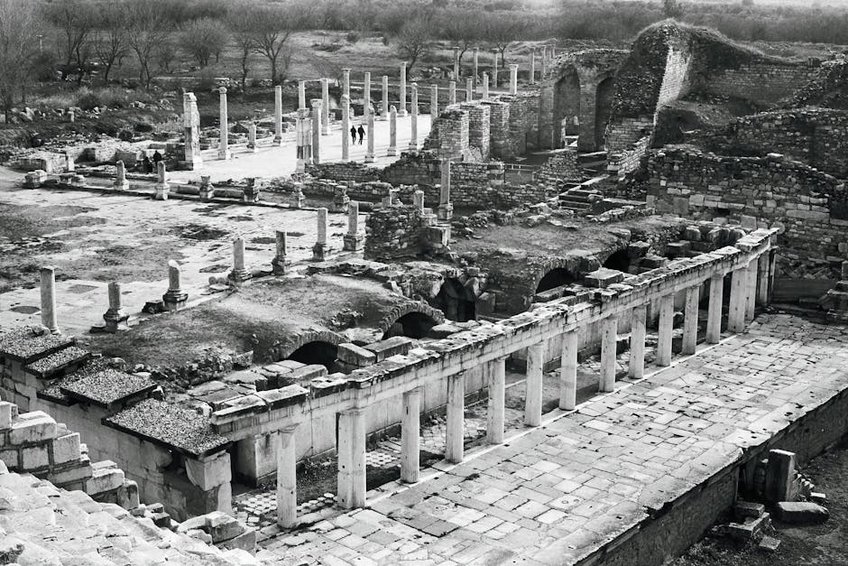
Alt: “ephesus-library-celsus-facade-ancient-marble-ruins”
Ephesus Travel Guide – Planning Your Visit
Effective planning transforms a hot, crowded walk into a profound historical journey. This Ephesus travel guide emphasizes timing and strategy. Aim to visit during shoulder seasons for better weather and smaller crowds.
Allocate a full day to explore the main site and the Terrace Houses without rushing. Purchase a combined museum pass online to skip ticket lines. Start early at the upper Magnesia Gate entrance to walk downhill through the ruins.
Best Time to Visit Ephesus
Visit Ephesus between April-May and September-October for ideal conditions. These months offer daytime temperatures of 68-82°F (20-28°C) and manageable tourist numbers. Morning light is perfect for photography at the Library of Celsus.
June-August brings extreme heat exceeding 95°F (35°C) and peak cruise ship crowds, often from 11 AM to 3 PM. November-March offers cooler, rainy weather with some site closures, but you’ll experience profound solitude among the ruins.
Budget Planning and Costs
Costs vary based on tour style and accommodation choices.
Essential Preparation Checklist
Pack a day bag with water, high-SPF sunscreen, a wide-brimmed hat, and sunglasses. Wear lightweight, breathable clothing and broken-in walking shoes with good traction. A battery pack for your phone is crucial for using digital maps and guides all day.
Secure travel insurance covering archaeological sites. EU/US passport holders need an e-Visa for Turkey, obtainable online before travel. Book accommodations in Selçuk or Kusadasi at least two months ahead for peak season visits.
Top Attractions and Activities
The sprawling site contains dozens of significant structures across two main entrances. Focus on the highlights while leaving time for spontaneous exploration. Hiring a licensed guide for the first two hours provides invaluable historical context you cannot get from a guidebook alone.
Beyond the main ruins, the Ephesus Museum in Selçuk houses incredible artifacts from the site. The nearby Basilica of St. John and Temple of Artemis site, though fragmentary, complete the historical picture. Allow time to absorb these supporting sites.
Must-See Highlights
The Library of Celsus, rebuilt facade, is the iconic image of Ephesus. Visit before 10 AM for softer light and fewer people obstructing your view. Just uphill, the Terrace Houses require a separate ticket but are worth every lira for their preserved interiors.
The Great Theatre, where St. Paul preached, could hold 25,000 spectators. Walk to the top tiers for panoramic views. Curetes Street, the main colonnaded avenue, links major monuments and is lined with interpretive signs explaining the ancient storefronts and monuments.
The Temple of Hadrian features a beautifully decorated arch and reliefs. The Public Latrines offer a humorous glimpse into Roman social life. The Hercules Gate marks the entrance to the upper-class residential area with its impressive carved figures.
Hidden Gems and Local Favorites
Venture to the Church of Mary, a quiet ruin where the first Council of Ephesus was held. It sits away from the main pedestrian flow, offering a moment of peace. The Pollio Fountain and Hydreion, while partially reconstructed, showcase sophisticated ancient water systems.
In Selçuk, visit the Isa Bey Mosque, a beautiful 14th-century Seljuk structure. Climb to the Ayasuluk Hill fortress for a sunset view over the entire archaeological zone. Locals recommend a simple meal at a family-run Selçuk restaurant over the tourist spots near the gates.
Guided Tours vs. Independent Exploration
Licensed guides cost $50-80 for a 2-3 hour tour and dramatically enhance understanding. They explain iconography, social history, and point out details you’d otherwise miss. Book through reputable agencies in Selçuk or your hotel concierge.
Independent explorers should download a reliable audio guide app beforehand, as on-site rentals can be limited. Carry a physical map from the ticket booth for orientation. Allocate 5-6 hours to comfortably see the main site and Terrace Houses at your own pace.
Practical Travel Information
Ephesus is located near the town of Selçuk, about 50 miles south of Izmir. Most international travelers fly into Izmir Adnan Menderes Airport (ADB). The region is well-connected by bus, train, and dolmuş (shared minibus) services.
Accommodation ranges from basic pensions in Selçuk to luxury beach resorts in nearby Kusadasi. Staying in Selçuk allows for very early site access on foot. Kusadasi offers more amenities and nightlife but requires a 20-minute drive or taxi ride to the ruins.
| Category | Options/Features | Price Range (USD) |
|---|---|---|
| Site Entrance | Main site, Terrace Houses, Audio Guide Rental | $25-35 |
| Local Transport | Dolmuş from Selçuk, Taxi from Kusadasi, Rental Car | $5-40/day |
| Guided Tour | Private 3-hr tour, Small Group Half-Day, Full-Day w/Transport | $50-150 |
| Accommodation | Selçuk Guesthouse, Kusadasi Hotel, Luxury Resort | $40-300/night |