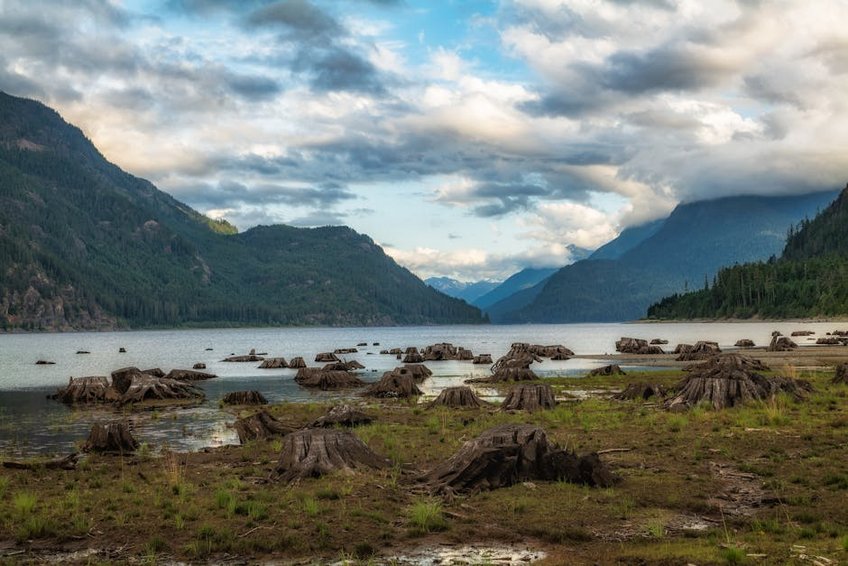
England Lake District Hiking Trails
England Lake District hiking trails provide some of the United Kingdom’s most breathtaking outdoor experiences across glacial valleys and serene lakes. These routes range from gentle lakeside strolls to challenging mountain ascents, offering diverse landscapes for all fitness levels. This guide covers essential trail information, seasonal planning tips, accommodation options, and cultural insights for your adventure.
Essential Lake District Information
The Lake District National Park spans 912 square miles in northwest England’s Cumbria county, featuring England’s highest peaks and deepest lakes. UNESCO designated this area a World Heritage Site in 2017, recognizing its unique cultural landscape shaped by farming and poetry. Visitors discover sixteen major lakes, including Windermere and Derwentwater, surrounded by famous fells like Scafell Pike.
This national park welcomes approximately 19 million visitors annually, with hiking remaining the primary activity throughout the region. The Lake District’s geology combines volcanic rock formations with glacial erosion patterns created during the last ice age. Local communities maintain strong traditions in Herdwick sheep farming and literary heritage tied to Wordsworth and Beatrix Potter.
Key Geographical Features
Understanding the Lake District’s layout helps with route planning and navigation across different areas.
- Central Fells: Scafell Pike (978m), England’s highest point, offers challenging climbs with panoramic views across multiple counties during clear weather conditions.
- Northern Lakes: Derwentwater and Bassenthwaite provide quieter walking experiences with ancient woodland trails and osprey viewing opportunities from April through August.
- Eastern Valleys: Ullswater and Haweswater feature stunning waterfall walks like Aira Force, with easier gradients suitable for families and casual hikers.
- Budget hiking: $45-75 daily covers hostel dorm beds, self-catered meals, and bus transportation, with packed lunches from local grocers and free walking routes from village centers.
- Mid-range experience: $100-180 daily includes B&B accommodation with breakfast, pub dinners, occasional taxis to trailheads, and paid parking at popular starting points.
- Luxury adventure: $250-400 daily features country house hotels with spas, guided walking tours, fine dining, and private transfers between different valley bases.
- Lake District National Park Authority
- National Trust Lake District
Historical and Cultural Context
Lake District history spans from Roman fortifications to 19th-century Romantic poetry movements that celebrated the landscape. William Wordsworth’s homes at Dove Cottage and Rydal Mount became literary pilgrimage sites, while John Ruskin’s influence shaped conservation ethics. Traditional Herdwick sheep farming continues unchanged for centuries, with annual shows and auctions maintaining cultural practices.
Local dialects and place names reflect Norse settlement patterns from the 10th century, with common suffixes like ‘-thwaite’ meaning clearing and ‘-scale’ meaning summer pasture. The National Trust owns approximately 25% of the national park, preserving historic buildings, footpaths, and landscapes for public access. Tourism infrastructure developed during Victorian times, with many hotels and piers dating from this era.
Conservation and Access Notes
National Park authorities manage footpath erosion and wildlife protection through visitor donations and membership programs. Rare species include red squirrels, arctic char fish, and sundew plants in boggy areas, all protected under UK conservation laws. The Countryside Code reminds walkers to respect livestock, close gates, and take litter home after their visits.

Alt: “lake-district-hiking-scafell-pike-summit-view”
England Lake District Hiking Trails – Planning Your Trip
Successful England Lake District hiking trails exploration requires understanding seasonal variations, accommodation logistics, and fitness preparation for different route difficulties. Spring months bring blooming wildflowers but unpredictable weather changes, while autumn offers stable conditions with spectacular foliage colors. Researching your preferred trails in advance ensures you select routes matching your experience level and available time.
Booking accommodation three months ahead proves essential for popular areas like Ambleside and Keswick during peak summer season from June through August. Consider basing yourself in multiple locations to minimize daily travel time between different trailheads across the national park. Many hotels and BBs offer packed lunch services and drying facilities for wet hiking gear after rainy days on the fells.
Best Time to Visit the Lake District
Visit between late May and early October for the most reliable hiking conditions, with average temperatures ranging from 55°F to 68°F (13°C to 20°C). July and August deliver the warmest weather but also the largest crowds, particularly around Windermere and popular trailheads. Accommodation prices increase approximately 30% during school holidays, so consider early June or September for better value.
Shoulder seasons in April-May and September-October provide quieter trails with moderate temperatures between 48°F and 60°F (9°C to 16°C). Winter hiking from November through March requires specialized equipment like microspikes and navigation skills for shorter daylight hours. Snow typically covers higher fells above 600 meters from December to February, creating challenging but rewarding alpine conditions.
Budget Planning and Costs
Daily hiking expenses vary significantly based on accommodation style, dining preferences, and transportation needs.
Essential Preparation Checklist
Proper equipment makes the difference between enjoyable days and miserable experiences on Lake District fells. Waterproof jackets and trousers remain essential year-round, alongside sturdy hiking boots with ankle support and good grip for rocky terrain. Navigation tools include Ordnance Survey maps (OL4, OL5, OL6, OL7), compass, and GPS device or smartphone with offline maps.
Check weather forecasts using the Mountain Weather Information Service before each hike, as conditions change rapidly at higher elevations. Physical preparation should include regular walking with elevation gain, particularly if attempting high fells like Helvellyn or Great Gable. Travel insurance covering mountain rescue and medical evacuation provides peace of mind for international visitors.
Top Walking Routes and Activities
Lake District trails cater to all abilities, from gentle lakeside paths to challenging mountain ridges requiring scrambling experience. Classic routes like the Fairfield Horseshoe deliver spectacular ridge walking with minimal technical difficulty, while Striding Edge on Helvellyn provides adrenaline for experienced hillwalkers. Many lower-level walks connect picturesque villages with historic pubs and tearooms for refreshment breaks.
Families enjoy accessible trails around Derwentwater and Grasmere, where boat services provide alternative return options if children tire. Serious long-distance walkers tackle the Coast to Coast Path or Cumbria Way, which traverse the national park over multiple days. Always carry the ten essentials regardless of route length, including extra clothing layers and emergency food supplies.
Must-See Highlights
Scafell Pike via Corridor Route presents the classic ascent of England’s highest mountain, starting from Wasdale Head with approximately 6-8 hours round trip. This challenging day hike requires good fitness and navigation skills, offering breathtaking views across to Scotland and Wales from the summit. Start early during summer months to avoid afternoon cloud cover and secure parking at the limited spaces.
Helvellyn via Striding Edge delivers the Lake District’s most famous ridge walk, involving exposed scrambling sections with dramatic drops on either side. This route demands a head for heights and stable weather conditions, typically taking 5-7 hours from Glenridding. Red Tarn nestles dramatically below the ridge, creating perfect photo opportunities during clear weather days.
Catbells Lakeland Walk provides the ideal introduction to Lake District hiking above Derwentwater, suitable for most fitness levels. This 3.5-mile circuit features moderate ascent with spectacular lake views, requiring approximately 2-3 hours with photo stops. Families particularly enjoy this route’s manageable distance and clear paths from Hawes End landing stage.
Hidden Gems and Local Favorites
Buttermere Valley Circuit remains less crowded than nearby Derwentwater, offering stunning lake reflections with surrounding fells like Haystacks. This 4.5-mile flat path circles the entire lake, passing through ancient woodland and emerging at classic photography spots. The Fish Hotel in Buttermere village serves excellent afternoon tea after your walk.
Blea Tarn from Great Langdale provides breathtaking views of the Langdale Pikes reflected in a small mountain tarn, accessible via a gentle 2-mile walk. This hidden valley feels remote despite its central location, with minimal crowds even during peak seasons. Park carefully at the National Trust car park, as spaces fill quickly on sunny weekends.
Family-Friendly Hiking Options
Tarn Hows near Coniston features an artificial lake surrounded by beautiful woodland, with a flat circular path suitable for strollers and young children. This 1.8-mile loop delivers magnificent mountain views without significant elevation gain, with benches positioned at regular intervals. The National Trust maintains excellent facilities including toilets and picnic areas near the car park.
Grasmere Lake Shore Walk follows the peaceful western shoreline with minimal ascent, connecting the village with famous Dove Cottage. This 2.5-mile route takes about 90 minutes, passing through wooded areas with lake access points for paddling in summer. Return via the Coffin Trail to complete a circular route through historic landscapes.
Practical Travel Information
Lake District transportation relies on a combination of personal vehicles and public buses, with limited train services to peripheral stations. The 555 bus route connects Lancaster with Keswick through central Lake District, serving major trailheads with regular daily services. Parking at popular locations fills by 9am during summer, so arrive early or use park-and-ride facilities from main towns.
Accommodation ranges from basic camping barns to luxury hotels, with traditional inns and BBs offering the most authentic local experiences. Advance reservations prove essential from Easter through October, particularly for weekends and bank holidays. Many properties offer multi-night discounts and walking package deals including packed lunches and route advice.
| Accommodation Type | Features and Locations | Price Range (USD) |
|---|---|---|
| Budget Hostels | Dorm beds, shared kitchens, central locations in Ambleside and Keswick, walking route advice | $25-45 per night |
| Bed and Breakfasts | Private rooms with breakfast, parking, village locations near trails, local knowledge | $90-150 per night |
| Country Inns | Restaurant and bar, character rooms, valley locations, drying facilities | $120-200 per night |
| Luxury Hotels | Spa facilities, fine dining, lake views, guided walk options, transfers | $250-400 per night |