Egypt Luxor February Temple Tours
Exploring the ancient temples of Luxor during a February visit offers a uniquely comfortable travel experience. The mild winter weather, with daytime temperatures averaging a pleasant 75°F (24°C), makes full days of outdoor exploration not just possible but enjoyable. This guide provides the practical details you need for your Egypt Luxor February temple tours, from navigating archaeological sites to securing the best local guides and understanding the rich historical context behind each monument.
Essential Luxor Temple Information
Luxor, often called the world’s greatest open-air museum, sits on the banks of the Nile River in Upper Egypt. The city’s monumental architecture spans millennia, primarily from the New Kingdom period (1550-1069 BC). Your temple exploration will focus on two main areas: the East Bank, home to the bustling town and the Karnak Temple Complex, and the West Bank, the necropolis containing the Valley of the Kings and the mortuary temples.
The ancient Egyptians called this area Waset, and it served as the political and religious capital of Egypt at its imperial height. Understanding this context transforms stone ruins into a narrative of pharaonic power, divine worship, and intricate burial customs. Modern Luxor provides all necessary tourist infrastructure while remaining deeply connected to its unparalleled heritage.
Key Temple Sites and Layout
Navigating Luxor’s archaeological treasures requires knowing their geographical and historical layout.
- The East Bank Temples: Karnak Temple, dedicated to the god Amun-Ra, is a vast complex built over 2,000 years. Luxor Temple, connected to Karnak by the ancient Avenue of Sphinxes, is a more compact but stunningly preserved site right in the modern city center.
- The West Bank Necropolis: This area across the Nile houses the royal tombs in the Valley of the Kings, the majestic mortuary temple of Hatshepsut at Deir el-Bahari, the Colossi of Memnon, and the nobles’ tombs. It represents the realm of the dead and the afterlife.
- Lesser-Known Gems: Don’t miss Medinet Habu (the mortuary temple of Ramesses III) for its vibrant reliefs, or the Tombs of the Nobles for scenes of daily Egyptian life.
- Budget Traveler ($50-80/day): Includes hostel dorm beds or basic guesthouses, local eateries, public transportation, and independent temple visits using guidebooks. Entrance fees for multiple sites will be your biggest daily expense.
- Mid-Range Explorer ($120-250/day): Covers comfortable 3-4 star hotels with breakfast, some meals at good restaurants, private taxi for West Bank tours, and hiring a licensed Egyptologist guide for half-day or full-day tours of key sites.
- Luxury Experience ($350+/day): Features 5-star Nile-view hotels or a premium Nile cruise cabin, private drivers and expert guides for all tours, fine dining, and exclusive experiences like private early access tours or hot air balloon rides over the West Bank at sunrise.
- Egyptian Tourism Authority Official Site
- Lonely Planet Luxor Travel Guide
Climate and What to Expect in February
February is peak winter in Upper Egypt, offering the most favorable conditions for extensive site visits. Daytime highs typically range from 70-78°F (21-26°C), while nights can be cool, dropping to 50°F (10°C). Rainfall is extremely rare, with virtually guaranteed sunshine.
These conditions are ideal for walking. However, the significant temperature drop at sunset requires planning. You’ll want layered clothing—a light jacket or sweater for early mornings and evenings is essential. The low humidity and cool breezes make exploring from open morning until late afternoon completely comfortable.
Historical Significance and Era Context
Most monuments you’ll see date from the New Kingdom, Egypt’s golden age of empire and construction. Karnak Temple’s development began in the Middle Kingdom but reached its zenith under pharaohs like Thutmose III and Ramesses II. The Valley of the Kings was the primary royal burial ground for rulers of this period, including the famous Tutankhamun.
Luxor Temple has a fascinating multi-era history. Alexander the Great claimed part of it, and later, a Roman fort and then a Christian church were built within its walls. This layering of civilizations provides a tangible timeline you can see during your visit.
Alt: “karnak-temple-hypostyle-hall-columns-winter-sunlight”
Egypt Luxor February Temple Tours – Planning Your Trip
Organizing your winter temple tours in Luxor requires attention to timing, ticketing, and touring strategy. February is the height of the tourist season due to the perfect climate, so advance booking for accommodations, flights, and specific guided tours is highly recommended. This ensures you secure preferred hotels and expert Egyptologists for a deeper understanding of the sites.
A well-planned itinerary balances East and West Bank visits, allocates sufficient time for major complexes like Karnak, and incorporates relaxation or Nile activities. Most travelers find that a four to five-night stay allows for a comprehensive exploration without feeling rushed. Consider your personal interests—whether deep archaeology, photography, or general history—when selecting specialized guided tours.
Budgeting accurately is crucial. Costs cover international flights, domestic travel to Luxor, hotel stays, site entrance fees, guide services, and local transportation like taxis or Nile ferries. We’ll break down detailed price ranges in the following sections to help you plan effectively.
Best Time to Visit Luxor for Temple Exploration
The absolute best time for extensive temple touring is between December and February. January and February offer nearly identical conditions: clear skies, minimal wind, and warm-but-not-hot days perfect for walking. High season crowds are present but manageable with an early start to your day at major sites.
Shoulder seasons like November and late March are also excellent, with slightly warmer temperatures. The summer months (May-September) are challenging due to extreme heat, often exceeding 100°F (38°C), which can severely limit your time outdoors and make exploring vast stone complexes strenuous.
Budget Planning and Costs for Temple Tours
Your total cost depends on travel style, from budget backpacking to luxury Nile cruising.
Essential Preparation Checklist
Packing correctly enhances comfort and convenience. Essential items include sturdy, broken-in walking shoes for uneven stone paths, a wide-brimmed hat and high-SPF sunscreen even in winter, a refillable water bottle, and a powerful flashlight or headlamp for exploring dimly lit tomb interiors. A lightweight scarf is useful for sun protection and for covering shoulders when required.
Documentation needs include a passport valid for six months beyond your arrival date and a tourist visa, which most nationalities can obtain as an e-Visa online or as a visa on arrival at major Egyptian airports for $25 USD. Comprehensive travel insurance with medical evacuation coverage is strongly advised. Book key guided tours and your hot air balloon ride at least two weeks in advance for February dates.
Top Temple Attractions and Activities
Luxor’s density of world-class monuments is staggering. Prioritizing is key to a rewarding experience. The scale of Karnak Temple demands at least three to four hours to appreciate fully, while the Valley of the Kings requires strategic planning to visit multiple tombs before the midday heat, even in February. Balancing monumental sites with quieter moments ensures your trip remains engaging and not overwhelming.
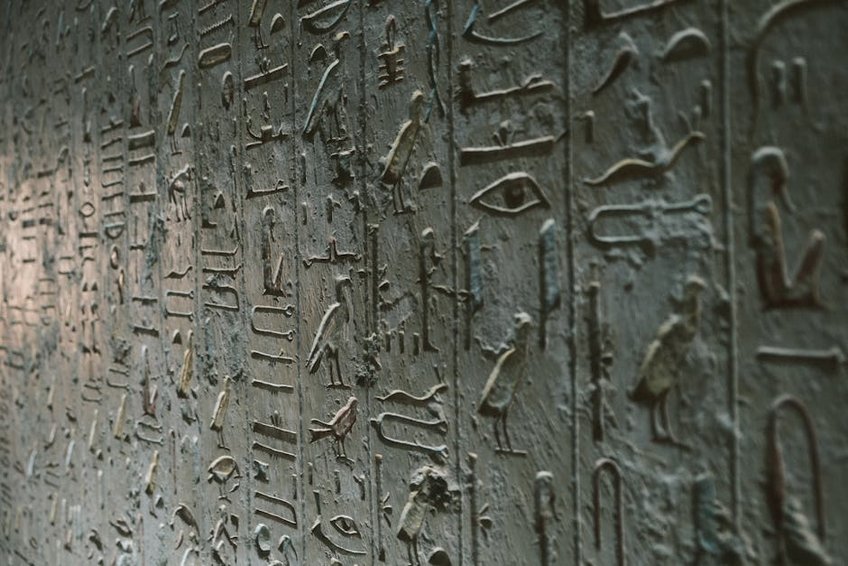
Beyond simply viewing ruins, immersive activities bring history to life. A sunset felucca sail on the Nile provides a timeless perspective of the Theban mountains. The sound and light show at Karnak Temple, while cheesy to some, offers a dramatic nighttime atmosphere. Engaging with a knowledgeable guide transforms hieroglyphs from symbols into stories of gods, pharaohs, and cosmic beliefs.
Must-See Highlights: The Unmissable Sites
Karnak Temple is the largest religious building ever constructed. Spend your time marveling at the Great Hypostyle Hall, a forest of 134 massive columns, and seeking out quieter corners like the Sacred Lake. Purchase a “photo ticket” if you wish to use a camera inside. Allocate a full morning here.
The Valley of the Kings contains over 60 tombs. Your standard ticket includes entry to three tombs. Excellent choices are KV 11 (Ramesses III), KV 2 (Ramesses IV), and KV 47 (Siptah). The tomb of Tutankhamun (KV 62) requires a separate, expensive ticket but is famous for its discovery. Hiring a guide here is invaluable for explaining the symbolism in the breathtaking artwork.
Luxor Temple is beautifully lit at night, making an evening visit magical. See the remains of the ancient Roman fort inside and the later Abu Haggag mosque built atop the ruins. The Temple of Hatshepsut on the West Bank is an architectural masterpiece set against sheer cliffs, telling the story of Egypt’s female pharaoh.
Hidden Gems and Local Favorites
Escape the main tourist track at the Tombs of the Nobles on the West Bank. Sites like the Tomb of Sennofer (TT96) or the Tomb of Rekhmire (TT100) feature incredibly detailed and colorful scenes of banquets, farming, and crafts, offering a glimpse into the lives of non-royal elites. They are often far less crowded.
Visit the Luxor Museum on the East Bank. Its well-curated collection, including statues from Luxor Temple and royal mummies, provides superb context in a climate-controlled environment—a nice afternoon break. For a vibrant local experience, wander the souq (market) behind Luxor Temple, practicing your bargaining skills for spices, scarves, and papyrus paintings.
Sunrise Hot Air Balloon Rides
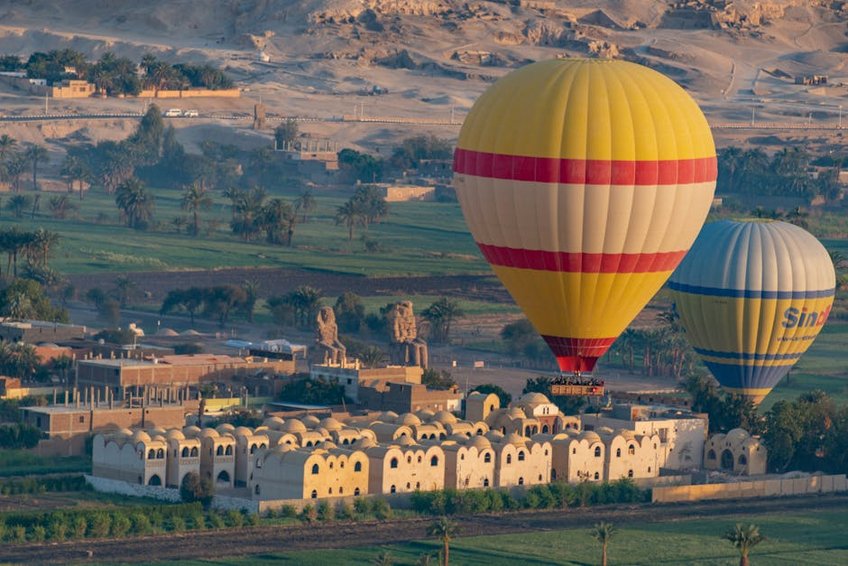
A sunrise hot air balloon flight over the West Bank is a highlight for many visitors. You’ll float silently above the Temple of Hatshepsut, the Colossi of Memnon, and the vast desert landscape dotted with tombs. It provides unparalleled photographic opportunities and a unique sense of the site’s scale.
Book this activity with reputable companies that prioritize safety. Flights are weather-dependent and occur very early in the morning, with pickup from your hotel around 4:30 AM. Costs range from $80 to $150 USD per person. Ensure your operator is licensed and has a good safety record.
Practical Travel Information for Luxor
Getting to Luxor is straightforward. Most international travelers fly into Cairo (CAI) and then take a domestic flight (about 1 hour) to Luxor International Airport (LXR). An overnight sleeper train from Cairo is another popular, scenic option. Within Luxor, taxis are abundant and inexpensive for cross-city trips, but agree on a fare before getting in.
Nile ferries provide the most authentic and cheap way to cross between the East and West Banks, running frequently throughout the day. For touring the spread-out West Bank sites, hiring a private taxi for a half-day or full-day is the most efficient and comfortable method. Most drivers are familiar with standard tourist circuits.
| Accommodation Type | Features & Best For | Price Range/Night (USD) |
|---|---|---|
| Budget Guesthouse | Basic rooms, often rooftop terraces, central East Bank location, social atmosphere for solo travelers. | $15 – $35 |
| Mid-Range Hotel | 3-4 star comfort, pool, breakfast included, Nile or city views, located on East Bank near corniche. | $60 – $120 |
| Luxury Hotel | 5-star international chains, multiple pools, several restaurants, spa, private docking for Nile cruises. | $150 – $400+ |
| Nile Cruise (per night) | All-inclusive cabin, meals, guided tours between Luxor and Aswan, moving scenery from the water. | $200 – $500 |