Edinburgh Travel Guide: Plan Your Scottish Capital Adventure
Navigating Scotland’s historic capital requires a smart plan to balance ancient landmarks with vibrant modern culture. This Edinburgh travel guide provides the essential insights you need, from navigating the Royal Mile’s cobblestones to securing tickets for the August festivals. You’ll discover practical strategies for visiting Edinburgh Castle, experiencing authentic pubs, and exploring hidden closes, ensuring your trip captures the city’s unique spirit efficiently.
Essential Edinburgh Information
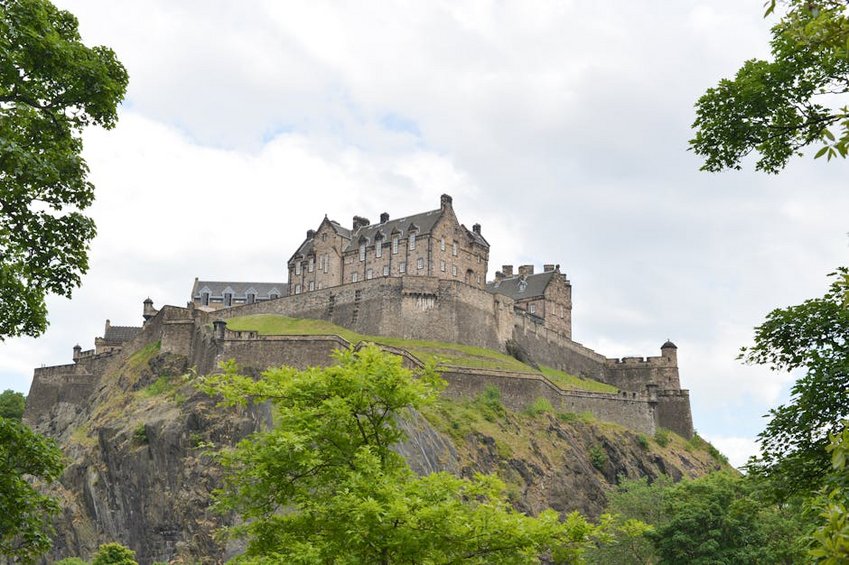
Edinburgh serves as Scotland’s capital and second-largest city, with a history spanning over a thousand years. Its iconic skyline is dominated by the medieval Edinburgh Castle perched on an extinct volcanic crag. The city’s layout features a clear divide between the Old Town’s winding, historical streets and the Georgian New Town’s elegant neoclassical squares.
The city operates on Greenwich Mean Time (GMT) and British Summer Time (BST), with the latter from late March to late October. English is the primary language, with Scottish Gaelic and Scots also present. The local currency is the British Pound Sterling (£), and credit cards are widely accepted, though carrying some cash is wise for smaller vendors and traditional pubs.
Key Historical Context
Understanding a few historical moments enriches any visit to this storied city. The following points highlight pivotal events that shaped the Edinburgh you see today.
- 11th Century: King Malcolm III establishes Edinburgh Castle as a royal residence, founding the city’s enduring political significance atop Castle Rock.
- 1767-1890: The New Town is constructed, providing a planned, elegant contrast to the crowded Old Town and creating the city’s distinctive dual architectural identity.
- 1947-Present: The Edinburgh International Festival and its rebellious offspring, the Fringe, launch, transforming the city into the world’s leading festival destination every August.
- Budget Traveler ($70-100/day): Stay in hostels or budget guesthouses, enjoy supermarket picnics and pub meals, walk everywhere, and focus on free attractions like the National Museum of Scotland and hiking Arthur’s Seat.
- Mid-Range Traveler ($150-250/day): Stay in a central hotel or boutique B&B, dine in mid-range restaurants for lunch and dinner, use public transport or taxis occasionally, and pay for key attractions like Edinburgh Castle.
- Luxury Traveler ($350+/day): Stay in a five-star hotel like The Balmoral or The Witchery, enjoy fine dining at Michelin-starred restaurants, book private guided tours, and attend premium festival or theatre performances.
- VisitScotland – Edinburgh Official Guide
- The City of Edinburgh Council
- Edinburgh Festival City
Weather and Seasonal Character
Edinburgh’s climate is temperate maritime, meaning changeable conditions are the norm. Summers are mild with average highs around 65°F (18°C), while winters are cool and damp, averaging 41°F (5°C). Rain is possible year-round, so a waterproof layer is a non-negotiable packing item.
Spring (April-May) brings blooming gardens and longer days, while autumn (September-October) offers golden foliage and a quieter atmosphere. The famous “haar,” a cold sea fog, can roll in from the North Sea unexpectedly, even on summer days, adding to the city’s atmospheric mood.
City Layout and Navigation
The city center is remarkably walkable, divided into two main sections. The Old Town runs along the Royal Mile from the Castle down to the Palace of Holyroodhouse. Meanwhile, the New Town lies north of Princes Street Gardens, featuring grid-like streets and grand circuses.
Key areas include Leith for its revitalized waterfront and seafood, Stockbridge for village-like charm and independent shops, and Dean Village for a picturesque escape minutes from the center. A good map or navigation app is helpful for the Old Town’s labyrinth of narrow alleys, known as “closes.”
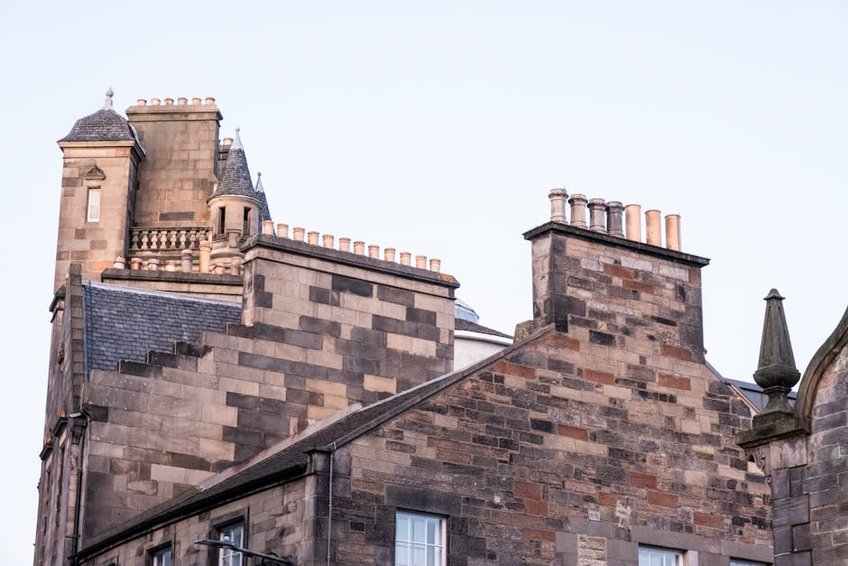
Alt: “edinburgh-castle-royal-mile-aerial-view-scotland”
Edinburgh Travel Guide – Planning Your Trip
Crafting your itinerary for Scotland’s capital involves balancing iconic sights with local experiences. This Edinburgh travel guide recommends prioritizing advance bookings for major attractions like the Castle and the Palace of Holyroodhouse, especially during the peak summer and festival seasons. Allocate time to wander without a strict schedule, as the city’s magic often lies in discovering a hidden courtyard or a cozy whisky bar.
Consider purchasing an Edinburgh City Pass if you plan to visit several paid attractions, as it can offer significant savings on entry fees. Build your days geographically to minimize backtracking; for example, explore the Castle and the Royal Mile on one day, and the New Town galleries and shops on another. Always have a backup indoor plan, as the weather can shift quickly.
Best Time to Visit Edinburgh
The optimal time for most visitors is late spring (May-June) or early autumn (September). These months offer longer daylight hours, milder temperatures ranging from 50-66°F (10-19°C), and thinner crowds compared to the hectic summer peak. You’ll encounter fewer queues at major sites and better accommodation availability.
For a unique experience, visit in August during the world-famous Edinburgh Festival Fringe, but book everything at least six months in advance. Winter (December) is cold, around 37°F (3°C), but incredibly festive, with Christmas markets and Hogmanay (New Year) celebrations offering a magical, if chilly, atmosphere.
Budget Planning and Costs
Daily costs vary widely based on your travel style. Here is a breakdown for different budgets.
Essential Preparation Checklist
Pack layers, including a warm sweater, a waterproof and windproof jacket, and comfortable walking shoes with good grip for cobblestones and hills. An adapter for UK plugs (Type G) is essential, and a portable power bank is useful for long days of sightseeing.
Ensure your passport is valid for your entire stay. While most travelers won’t need a visa for short tourist visits, always check current U.K. entry requirements from your home country. Book your accommodation and key attraction tickets well in advance, particularly for summer and festival visits.
Top Attractions and Activities
Edinburgh’s landmark sites tell the story of Scotland’s history, literature, and natural beauty. Begin your exploration at Edinburgh Castle, the imposing fortress that houses the Crown Jewels and the Stone of Destiny. Then, walk the Royal Mile down to the Palace of Holyroodhouse, the King’s official residence in Scotland, set against the dramatic backdrop of Arthur’s Seat.
For panoramic views, hike up Arthur’s Seat, an ancient volcano in Holyrood Park, or visit the Nelson Monument on Calton Hill. Art and history enthusiasts should not miss the National Museum of Scotland, offering free admission and fascinating collections spanning from dinosaurs to Dolly the sheep.
Must-See Highlights
Edinburgh Castle requires at least half a day. Purchase tickets online to skip the longest queues and aim for an early morning or late afternoon visit. Inside, see the 12th-century St. Margaret’s Chapel, the Great Hall, and the Scottish National War Memorial.
The Palace of Holyroodhouse provides a contrast with its elegant royal apartments and the haunting ruins of Holyrood Abbey. Allocate two hours here, and use the excellent multilingual audio guide. For a unique perspective, take a guided tour of the Real Mary King’s Close, which explores the preserved underground streets beneath the Royal Mile.
Hidden Gems and Local Favorites
Venture to Dean Village, a picturesque former grain milling settlement just a five-minute walk from the West End. Its tranquil waterside paths and historic buildings feel worlds away from the city bustle. Similarly, explore the Circus Lane in Stockbridge, a charming, curved cobblestone mews lined with flower-filled cottages.
For a taste of local life, visit the weekly Stockbridge Market on Sundays for artisan foods, or browse the independent bookshops along West Port. The Royal Botanic Garden Edinburgh is a serene 70-acre escape with stunning glasshouses, and entry to the grounds is free.
Whisky and Literary Tours
Scotland’s national drink is celebrated across the city. Visit the Scotch Whisky Experience on the Royal Mile for an introductory barrel ride and tasting, or book a more advanced tasting session at a specialist bar like the Bow Bar. For literary fans, follow in the footsteps of writers like Robert Louis Stevenson and Sir Walter Scott.
The Writers’ Museum, dedicated to Stevenson, Scott, and Robert Burns, is housed in a historic Lady Stair’s Close. You can also take a guided tour exploring the haunts of J.K. Rowling, who wrote early Harry Potter novels in cafes like The Elephant House.
Practical Travel Information
Getting around the Scottish capital is straightforward thanks to its compact center and good public transport. Edinburgh Airport (EDI) is the main international gateway, located about 8 miles west of the city. The tram and Airlink 100 bus provide regular, affordable connections to the city center, with a travel time of approximately 30 minutes.
Within the city, Lothian Buses operate an extensive and reliable network; purchasing a day ticket offers unlimited travel and is excellent value. Taxis are plentiful, and ride-sharing apps operate. The city center is very walkable, though be prepared for steep hills and stairs, particularly in the Old Town.
| Accommodation Type | Best Areas & Features | Average Price Range (USD) |
|---|---|---|
| Hostel / Budget Guesthouse | Old Town, Newington; dorm beds or basic private rooms, shared facilities. | $25-70 per night |
| Mid-Range Hotel / B&B | New Town, West End; en-suite bathrooms, breakfast included, good transit links. | $120-250 per night |
| Boutique / Luxury Hotel | Old Town (Royal Mile), Charlotte Square; historic buildings, premium amenities, fine dining. | $300-600+ per night |
| Self-Catering Apartment | Leith, Stockbridge; kitchen facilities, more space, ideal for longer stays/families. | $150-350 per night |