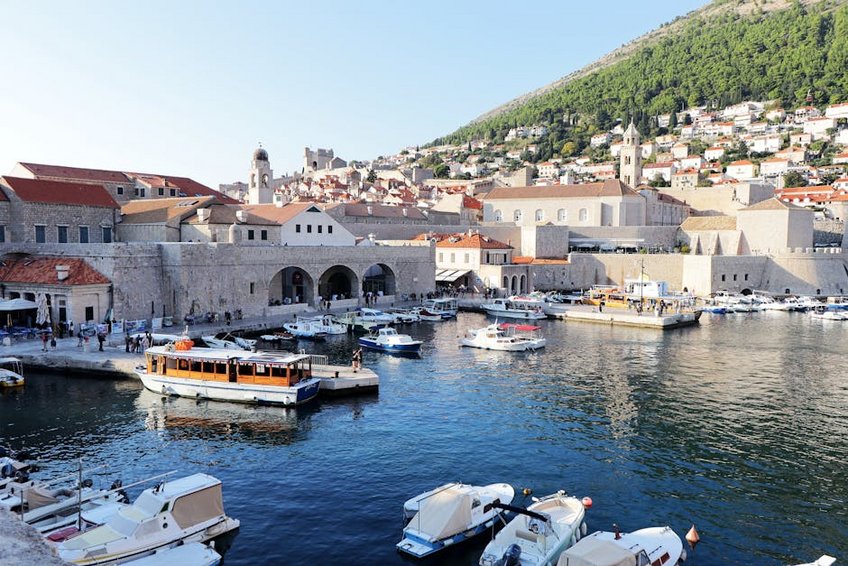
Dubrovnik Travel Guide: The Pearl of the Adriatic
Exploring the Dalmatian Coast rewards you with stunning Adriatic views and centuries of layered history. This Dubrovnik travel guide provides the essential insights for navigating its famous limestone streets and understanding its resilient past. You will find specific advice on timing your visit to avoid crowds, managing costs in a popular destination, and unlocking experiences beyond the ancient walls.
Essential Dubrovnik Information
The city of Dubrovnik, a UNESCO World Heritage site, stands as a masterpiece of medieval urban planning on Croatia’s southern coast. Its history as the powerful Republic of Ragusa, a maritime rival to Venice, is etched into every stone and fortress. The city’s iconic 16th-century walls, stretching 1,940 meters, were never breached by enemy forces.
Modern visitors encounter a vibrant city that expertly balances preservation with tourism. The local currency is the Euro, and English is widely spoken within the tourism sector. Dubrovnik’s climate offers warm, dry summers and mild, wet winters, shaping distinct seasonal experiences for travelers.
What You Need to Know Before You Go
Preparation ensures a smooth experience in this historic Adriatic gem. Key logistical details differ from other European destinations.
- Entry Requirements: U.S. and EU passport holders can stay visa-free for up to 90 days within any 180-day period in the Schengen Area, which Croatia joined in 2023.
- Currency and Payments: While Croatia uses the Euro, carrying some cash is wise for small markets and taxis, though cards are accepted almost everywhere.
- Getting Around: The compact Old City is entirely pedestrianized; comfortable walking shoes are non-negotiable for navigating its marble streets and many steps.
- Budget Traveler ($70-$100/day): Stay in a hostel dorm or private room in Lapad, use public buses, eat lunch from bakeries or konobas (taverns), and focus on free sights like beaches and Stradun strolls. A City Walls pass is the main splurge.
- Mid-Range Traveler ($150-$250/day): This allows for a hotel room just outside Pile Gate, dining at mid-range restaurants, taxi use occasionally, and paid entries to major sites like the Rector’s Palace and a cable car ride.
- Luxury Traveler ($350+/day): Enjoy boutique hotels within the city walls, fine dining at Michelin-recognized restaurants like Proto or 360°, private boat tours to the Elafiti Islands, and personalized guided historical tours.
- Dubrovnik Tourist Board
- Lonely Planet Dubrovnik Guide
Understanding the City Layout
Dubrovnik divides clearly between the enclosed Old Town and the surrounding modern districts. All major historical sites reside within the imposing defensive walls. Meanwhile, the Ploče and Pile neighborhoods just outside the gates offer most accommodations.
The scenic Lapad peninsula to the west provides a more relaxed resort atmosphere with pebble beaches. Public buses connect all these areas efficiently. This layout means you can stay in a quieter zone and easily access the historic core.
The Historical Context
Dubrovnik’s identity was forged as the Republic of Ragusa, a sovereign state from 1358 to 1808. Its wealth came from maritime trade and shrewd diplomacy, famously maintaining liberty with the phrase “Freedom is not sold for all the gold in the world.” The 1667 earthquake and the 1991-92 siege during the Croatian War of Independence caused significant damage.
Meticulous restoration has returned the city to its former glory. This resilience forms a core part of its narrative. Understanding this past deepens appreciation for its pristine appearance today.
Alt: “dubrovnik-old-town-aerial-view-adriatic-sea-fortress-walls”
Dubrovnik Travel Guide – Planning Your Trip
Strategic planning transforms a visit to this popular destination from overwhelming to exceptional. Your Dubrovnik travel itinerary must account for seasonal crowds, accommodation logistics, and ticket bookings. Success here hinges on advance preparation more than spontaneous discovery.
Focus on securing key entries like City Walls walks and popular museums well before arrival, especially from June to August. Balancing your time between the must-see landmarks and quieter local discoveries creates a more rewarding experience. This approach helps manage expectations and budget effectively.
Best Time to Visit Dubrovnik
The ideal months for a visit are May, June, September, and early October. These periods offer warm temperatures between 68°F and 79°F (20°C-26°C), manageable crowds, and mostly sunny days. The Adriatic Sea becomes swimmable from late May through October, with water temperatures peaking in August.
July and August bring peak heat, often exceeding 86°F (30°C), and intense congestion from cruise ship day-trippers. The winter months from November to March are mild but wet, with many restaurants and boat tours closed. However, this off-season offers deep discounts and a truly local atmosphere.
Budget Planning and Costs
Daily costs vary significantly based on season and travel style. Here is a realistic breakdown for different budgets.
Essential Preparation Checklist
Packing for this destination requires practical items for its specific environment. Essential gear includes sturdy, comfortable walking shoes with good grip for polished limestone, high-protection sunscreen, a refillable water bottle, and a sun hat. A lightweight scarf or cover-up is also useful for visiting churches.
Digital preparation is equally important. Book your City Walls ticket online via the official website to skip long queues. Download the “Libertas” app for local bus schedules and tickets. Finally, secure travel insurance that covers medical evacuation, as healthcare facilities for complex issues are in Zagreb.
Top Attractions and Activities
The historic core offers an incredible density of landmarks, museums, and viewpoints. Prioritizing your time is essential to avoid fatigue and see the highlights. A logical route often starts with the defensive perimeter before exploring interior palaces and churches.
Beyond the walls, the surrounding sea and islands provide stunning perspectives and relaxation. Balancing monumental history with coastal leisure creates a perfect Dalmatian holiday. Remember that many sites offer combined tickets for better value.
Must-See Highlights
Walking the complete circuit of the City Walls is the non-negotiable first activity. The 2-kilometer loop provides unparalleled views over orange-tiled roofs and the shimmering sea. Allocate at least two hours in the early morning or late afternoon to avoid the midday sun and largest tour groups.
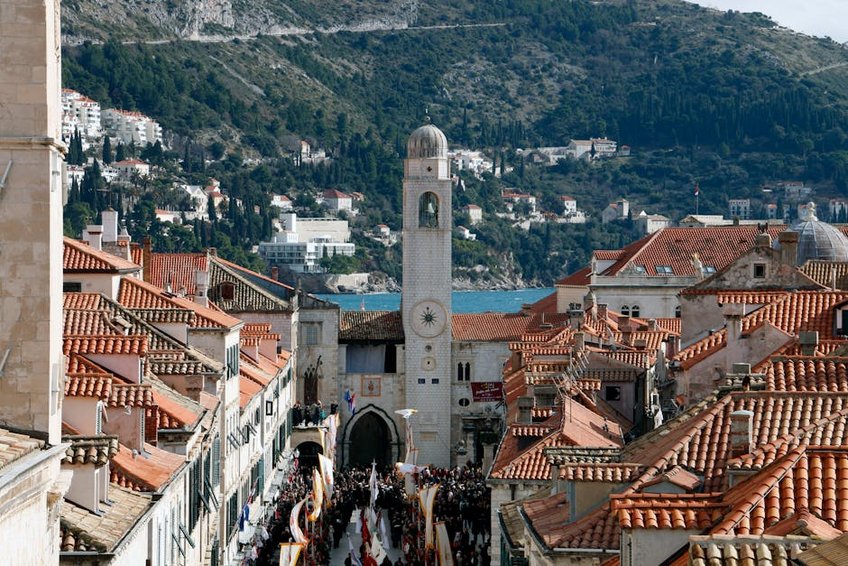
The Stradun, or Placa, is the magnificent limestone-paved main street running through the Old Town. Lined with Baroque buildings, it comes alive in the evening for the traditional passeggiata. At its eastern end, the Orlando Column and Sponza Palace showcase Gothic-Renaissance architecture.
The Rector’s Palace, once the seat of the republic’s government, now houses a cultural history museum. Its beautiful courtyard is a serene escape. Nearby, the Franciscan Monastery holds one of Europe’s oldest functioning pharmacies, dating from 1317.
Hidden Gems and Local Favorites
Escape the main thoroughfares by exploring the steep side streets and staircases north of the Stradun. Here, you’ll find quiet residential squares, local artisan shops, and small cafes. The Buža Bar, literally a hole in the wall, offers drinks on cliffs overlooking the sea—a perfect sunset spot.
For a unique perspective, kayak around the outside of the fortifications. Guided tours typically launch from Pile Bay and paddle to Lokrum Island and nearby caves. Alternatively, take local bus number 6 to the village of Cavtat, a charming, less crowded harbor town with excellent seafood restaurants.
Island Excursions from the Port
Lokrum Island, a 15-minute ferry ride from the Old Port, is a forested nature reserve and public garden. It features peacocks, a medieval Benedictine monastery, and the “Iron Throne” from Game of Thrones. Pack a picnic, as there’s only one restaurant on the island.
The three Elafiti Islands—Koločep, Lopud, and Šipan—offer full-day escape itineraries. Regular Jadrolinija ferries serve them. Lopud is car-free and boasts the beautiful Šunj sandy beach. These islands provide an authentic glimpse of Dalmatian island life away from the mainland crowds.
Practical Travel Information
Navigating arrival, transportation, and accommodation requires understanding local infrastructure. Dubrovnik Airport (DBV) is the main gateway, located about 20 kilometers south of the city. Ground transfer options vary in price and convenience, requiring pre-trip decisions.
Accommodation choices starkly contrast between immersive historical stays inside the walls and more spacious, modern hotels in Lapad or Babin Kuk. Your selection significantly impacts your daily logistics, budget, and overall experience. Booking platforms show wide price fluctuations based on date.
| Accommodation Type | Best For / Features | Price Range (USD per night) |
|---|---|---|
| Old Town Apartments | Immersion, historic charm, central location; often stairs, no elevator | $120 – $300+ |
| Boutique Hotels (Ploče/Pile) | Service, views, proximity to gates; easy access with modern amenities | $200 – $450 |
| Lapad Peninsula Resorts | Families, beaches, pools, spacious rooms; requires bus/ taxi to Old Town | $150 – $350 |
| Budget Hostels & Guesthouses | Solo travelers, tight budgets; social atmosphere, basic facilities | $25 – $80 |