Cultural Tour Routes in Spain: An In-Depth Journey Through History
Spain offers an unparalleled cultural tapestry woven from centuries of diverse influences, where historic routes connect magnificent cities, breathtaking landscapes, and living traditions. Traveling along structured cultural tour routes lets you move beyond standard city breaks to explore the profound historical narratives, from Islamic caliphates to Gothic cathedrals and pilgrimage paths. This guide provides essential planning information, regional highlights, and practical advice to craft your own memorable journey across this vibrant nation’s most significant heritage trails.
Spain’s Cultural Foundation and Heritage
Spain’s cultural identity is a complex mosaic shaped by successive civilizations, each leaving an indelible mark on the architecture, language, and customs seen today. The Romans established monumental infrastructure, while nearly 800 years of Moorish rule introduced advanced science, philosophy, and stunning architectural styles. This confluence created a unique Iberian culture, further defined by the Christian Reconquista, the subsequent Golden Age of global exploration, and diverse regional identities that persist fiercely.
Understanding this layered history enriches any travel experience, transforming a simple visit into a meaningful exploration of how past conflicts and convergences built modern Spain. The country protects this heritage through UNESCO World Heritage Sites, historical itineraries, and vibrant local festivals that keep traditions alive. Your journey connects you directly with this living history, offering context far deeper than any textbook.
Understanding Spain’s Historical Layers
To fully appreciate the cultural tour routes, recognize the key historical periods that shaped the nation’s landmarks and traditions. Each era contributed distinct artistic styles, urban layouts, and social customs visible today.
- Roman Hispania (218 BC – 5th Century AD): Look for impeccably preserved aqueducts, theaters, and road networks in cities like Mérida, Tarragona, and Segovia, which formed the backbone of the empire’s western provinces.
- Al-Andalus & Moorish Rule (711-1492 AD): This period gifted Spain with intricate geometric tilework (azulejos), horseshoe arches, lush garden courtyards, and intellectual centers, most spectacularly seen in Granada’s Alhambra and Córdoba’s Mosque-Cathedral.
- The Reconquista & Christian Kingdoms (8th-15th Century): This prolonged period forged stark Gothic and Romanesque cathedrals, formidable castles, and the establishment of the pilgrimage path to Santiago de Compostela, defining northern Spain’s cultural landscape.
- Budget Traveler ($70-100/day): This covers dorm-style hostel stays, menu del día lunches, regional train or bus travel, and free walking tours. Focus on public museums with free entry hours and prioritize picnics with market goods. Total trip cost: $700-$1,000.
- Mid-Range Traveler ($150-250/day): This allows for comfortable 3-4 star hotels or boutique guesthouses, a mix of casual and mid-tier restaurant meals, high-speed train travel between cities, and paid guided tours for major sites like the Alhambra. Total trip cost: $1,500-$2,500.
- Luxury Traveler ($400+/day): This tier includes stays in historic *paradores* or 5-star hotels, fine dining experiences, private guided tours with skip-the-line access, and private car transfers or rental. It enables deep, comfortable immersion without logistical concerns. Total trip cost: $4,000+.
- Official Spanish Tourism Board
- UNESCO World Heritage Sites in Spain
- Renfe (Spanish National Railways)
The Importance of Regional Diversity
Spain’s intense regionalism means culture, language, and even cuisine shift dramatically across autonomous communities. A route through Catalonia feels distinct from one in Andalusia or the Basque Country. This diversity is Spain’s greatest cultural asset.
Embracing these differences is key to an authentic experience. For instance, flamenco is deeply tied to Andalusia, while Catalan modernism defines Barcelona. Local languages like Catalan, Basque, and Galician coexist with Castilian Spanish. Your itinerary should honor these regional identities by spending meaningful time in each area to understand its unique character, rather than treating the country as a monolithic destination.
UNESCO Recognition and Preservation
Spain ties for third in the world for UNESCO World Heritage Sites, with 49 designated locations ranging from entire historic city centers to unique natural parks. This official recognition aids preservation and provides a reliable framework for building your cultural itinerary.
Many of these sites form the cornerstones of the nation’s most famous heritage trails. Planning your route to include several UNESCO sites ensures you witness the pinnacle of Spain’s architectural and historical achievements, from the Cave of Altamira to the Works of Antoni Gaudí. These sites often have excellent visitor centers offering deeper historical context.
Alt: “spain-cultural-route-moorish-architecture-cordoba-mosque-courtyard”
Cultural Tour Routes in Spain – Planning Your Journey
Designing your Spanish cultural itinerary requires balancing historical themes, geographic logic, and personal pace. The most successful routes follow a coherent narrative, whether tracing pilgrimage paths, exploring Moorish legacies, or surveying Renaissance art. Start by selecting a primary theme that aligns with your interests, then map a feasible loop or linear path connecting 3-5 major hubs over 10-14 days.
Consider transportation between points carefully; Spain’s high-speed AVE train efficiently connects major cities like Madrid, Seville, Barcelona, and Valencia, while rural areas require a rental car. Booking accommodations in historic *paradores* (state-run hotels in restored monuments) can immerse you directly in the heritage you’re exploring. Always build in flexibility for local festivals or unexpected discoveries in smaller towns along your chosen path.
Best Time to Visit for Cultural Exploration
The ideal windows for cultural touring are the shoulder seasons: April to early June and September to October. During these months, daytime temperatures range from a pleasant 65-80°F (18-27°C), crowds are manageable, and most regional festivals and full museum hours are operational. Summer (July-August) sees intense heat, especially inland, with temperatures often exceeding 95°F (35°C), and major sites in cities like Seville and Córdoba become uncomfortably crowded.
Winter (November-March) offers cool, crisp weather, perfect for city museum visits in Madrid or Barcelona, with temperatures between 45-60°F (7-15°C). However, some rural attractions and hotels on less-traveled routes may have reduced hours or close. The Holy Week (*Semana Santa*) processions in spring and local summer festivals offer incredible cultural insight but demand bookings a year in advance.
Budget Planning and Costs
Your budget for a cultural tour in Spain varies widely based on travel style, accommodation level, and dining choices. Below is a breakdown for a 10-day trip for one person, excluding international flights.
Essential Preparation Checklist
Preparation ensures a smooth and enriching experience. First, secure necessary documentation: U.S. and EU passport holders need validity extending three months beyond your departure date from the Schengen Area. While a visa isn’t required for stays under 90 days, you must have proof of onward travel and sufficient funds. Purchase comprehensive travel insurance covering medical emergencies and trip cancellations.
Pack comfortable, supportive walking shoes as you’ll explore extensive historic districts on foot. Bring a lightweight scarf or shawl for covering shoulders when entering active cathedrals. Book key attractions—especially the Alhambra in Granada, Sagrada Familia in Barcelona, and the Prado Museum’s special exhibits—weeks or even months in advance to guarantee entry on your preferred date and time.
Top Thematic Routes and Key Destinations
Spain’s cultural landscape is best navigated by following established thematic routes that tell a cohesive story. These journeys connect cities and monuments that share a common historical thread, providing a structured yet flexible framework for your trip. Whether you’re drawn to spiritual pilgrimage, architectural splendor, or artistic mastery, there’s a path designed to showcase those elements in their richest context.
Combining two complementary routes, such as the Moorish legacy of Andalusia with the medieval Christian sites along the Camino, offers a particularly comprehensive understanding of Spain’s complex identity. Allow for at least two to three nights in each major hub city to absorb the atmosphere and visit surrounding day-trip destinations without feeling rushed.
The Andalusian Legacy Route: Islamic Spain
This iconic southern route highlights the magnificent remains of Al-Andalus. Begin in Córdoba to witness the breathtaking Mezquita-Catedral, a UNESCO site that embodies the layered history of the region with its forest of Moorish arches and a Renaissance cathedral nave built at its center. Spend time in the Jewish Quarter’s winding streets before moving to Seville.
In Seville, explore the Real Alcázar, a royal palace still used today that features stunning Mudejar architecture, and the massive Gothic Seville Cathedral housing Columbus’s tomb. Conclude in Granada with a full day at the Alhambra palace and Generalife gardens, requiring a timed ticket booked far in advance. This route powerfully showcases Islamic Spain’s artistic and scientific zenith.
The Camino de Santiago: A Pilgrimage Experience
The Way of St. James is a network of pilgrimage paths leading to Santiago de Compostela in Galicia. While the full French Way takes weeks, you can experience its essence by walking the final 100km from Sarria or exploring key cultural cities along its path. Start in León to see its spectacular Gothic cathedral with extraordinary stained glass.
Continue to Burgos for its soaring UNESCO-listed cathedral and the Museum of Human Evolution. Finally, arrive in Santiago de Compostela to witness the grand Plaza del Obradoiro and attend the Pilgrim’s Mass at the cathedral. This route offers a unique blend of spiritual reflection, Romanesque and Gothic art, and the camaraderie of the trail, even for non-pilgrims.
The Catalan Modernism and Gothic Quarter Trail
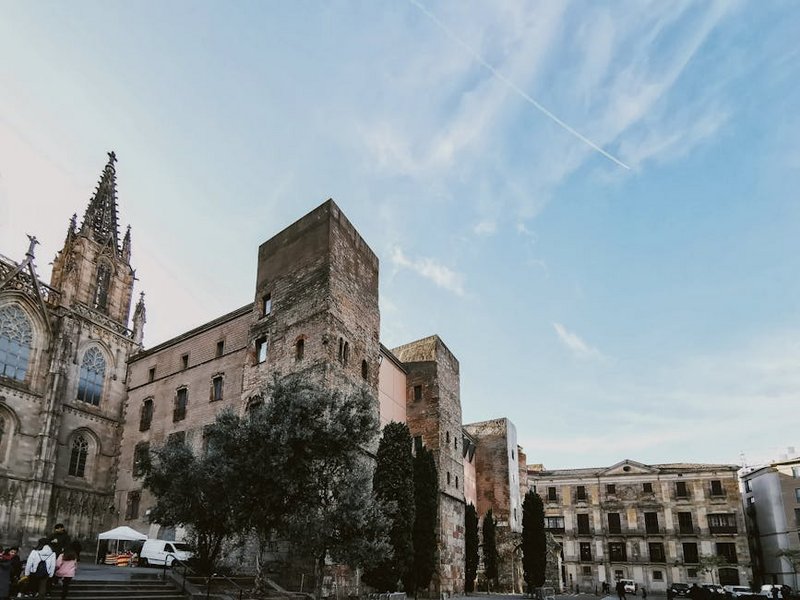
Focus on northeastern Spain’s unique artistic contributions in Barcelona and nearby Tarragona. In Barcelona, dedicate time to Antoni Gaudí’s masterpieces: the ongoing basilica of Sagrada Familia, the colorful Park Güell, and the sculptural Casa Batlló. This complements the medieval heart of the city in the Gothic Quarter with its ancient cathedral and Roman walls.
Take a day trip to Tarragona to walk amid some of Spain’s best-preserved Roman ruins, including an amphitheater overlooking the Mediterranean. This route contrasts ancient Roman engineering with the fantastical, organic forms of the late 19th-century Modernisme movement, illustrating Catalonia’s distinct creative lineage.
Practical Travel Logistics and Accommodation
Navigating Spain is straightforward with its excellent infrastructure. The high-speed AVE train network is the most efficient way to travel between major cities on routes like Madrid-Seville (2.5 hours) or Madrid-Barcelona (2.5 hours). For exploring rural areas, smaller towns, and regional parks, renting a car is essential and offers the freedom to stop at unplanned historic sites.
Accommodation options richly reflect the local culture. Consider staying in a *parador* for a unique historical stay, often located in converted castles, monasteries, or palaces. Urban boutique hotels are frequently housed in beautifully renovated modernist buildings, while rural *casas rurales* (country houses) offer authentic experiences in villages along cultural routes.
| Accommodation Type | Features & Best For | Average Nightly Price (USD) |
|---|---|---|
| Urban Boutique Hotel | Central location in historic building, personalized service, design-focused. Ideal for city cultural touring. | $120 – $250 |
| Historic Parador | Unique stay in national monument (castle, monastery), often with period furnishings and onsite dining. Ideal for immersive history. | $150 – $300 |
| Casa Rural (Country House) | Rural B&B in small village, family-run, includes breakfast. Ideal for Camino or rural route stops. | $70 – $140 |
| Modern City Apartment | Full kitchen, more space, located in residential neighborhood. Ideal for longer stays or families. | $90 – $200 |