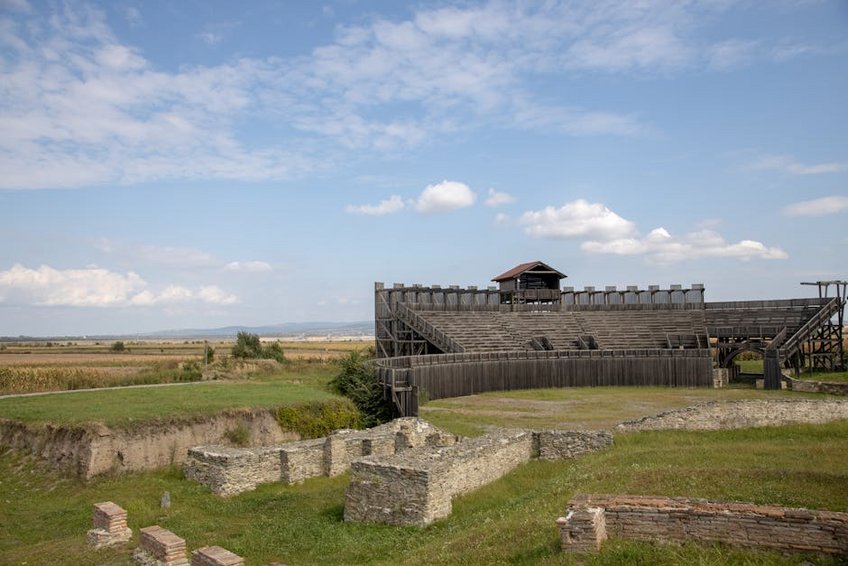
Cultural Tour Plan in the Balkans: Discover History, Cuisine, and Hospitality
Creating a Cultural Tour Plan in the Balkans offers an immersive journey through one of Europe’s most diverse and historically rich regions. This corner of Southeastern Europe weaves together ancient Roman ruins, medieval Orthodox monasteries, and centuries of Ottoman influence into a vibrant living tapestry. Your itinerary connects the Adriatic and Black Sea coastlines, crossing mountainous borders to explore resilient cultures, legendary hospitality, and unforgettable culinary traditions.
Understanding the Balkan Region
The Balkans encompass the countries of Southeastern Europe, a historical crossroads between empires and cultures. This region includes nations like Croatia, Bosnia and Herzegovina, Montenegro, Albania, North Macedonia, Serbia, Bulgaria, and sometimes Romania and Greece. For centuries, it served as a bridge between East and West, leaving a complex and fascinating cultural legacy visible in its architecture, languages, and traditions.
Travelers often find the Balkans surprisingly accessible and affordable compared to Western Europe. English is widely spoken in tourist centers and by younger generations, easing communication. The infrastructure, from modern highways to efficient bus networks, supports independent exploration, though renting a car provides the ultimate flexibility for reaching remote villages and mountain monasteries.
Core Nations and Cultural Identities
Each country presents a unique chapter in the Balkan story, shaped by distinct historical forces.
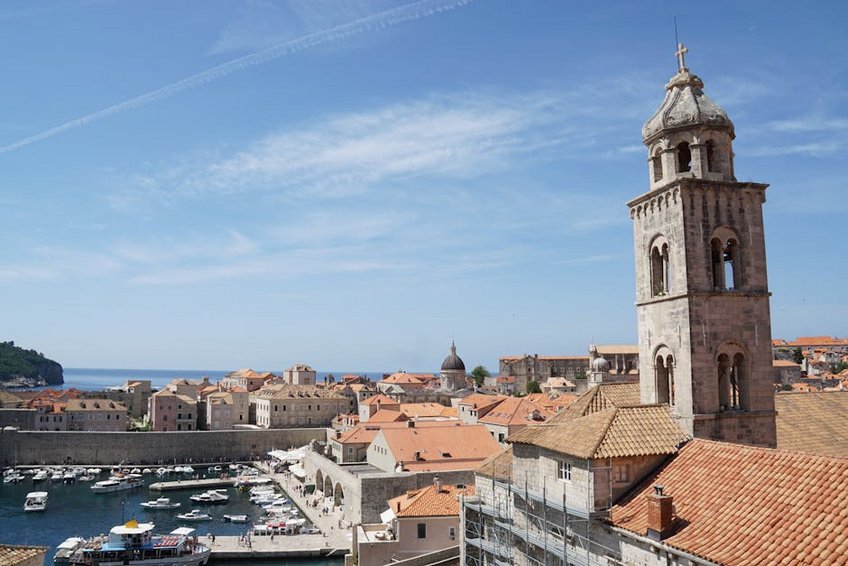
- Croatia: Showcases a strong Central European and Mediterranean character, with Roman ruins in Split, Venetian architecture in Dubrovnik, and Austro-Hungarian elegance in Zagreb, alongside a stunning Adriatic coastline.
- Bosnia and Herzegovina: A profound example of cultural coexistence, where Ottoman-era bazaars, Austro-Hungarian buildings, and Orthodox churches exist side-by-side in cities like Sarajevo and Mostar.
- Serbia and Bulgaria: Heartlands of Slavic and Orthodox heritage, featuring magnificent monasteries like Serbia’s Studenica and Bulgaria’s Rila, alongside vibrant, modern capital cities in Belgrade and Sofia.
- Budget Traveler ($50-75/day): Stay in hostels or guesthouses, use public buses, eat at local bakeries and markets (burek is a cheap, filling staple), and focus on free walking tours and low-cost museum entries. Inter-city bus travel averages $20-40 per leg.
- Mid-Range Explorer ($100-150/day): Comfortable private rooms or 3-star hotels, occasional taxi rides, dining at traditional restaurants (a full meal with drink costs $15-25), and paid entry to key sites like Dubrovnik’s Walls or Mostar’s Old Bridge. Consider renting a small car for portions of the trip.
- Premium Experience ($200+/day): Boutique hotels in historic centers, private guided tours for in-depth historical context, fine dining featuring modern Balkan cuisine, and private transfers between cities for seamless travel.
- Balkan Insight Travel Guides
- Rough Guides to the Balkans
- Lonely Planet Balkan Destination Information
Historical Layers and Influences
Balkan history is written in stone and custom, with each era leaving a permanent mark. The Roman Empire built amphitheaters and palaces, fragments of which stand in Croatia’s Diocletian’s Palace and Bulgaria’s Plovdiv. The Byzantine Empire later spread Orthodox Christianity, funding the construction of stunning fresco-covered monasteries that dot the mountainous interiors of Serbia, North Macedonia, and Bulgaria.
Ottoman rule for over five centuries introduced Islamic architecture, coffee culture, and culinary delights like cevapi and baklava. Subsequently, the Austro-Hungarian Empire brought Baroque and Secessionist architecture to cities like Zagreb and Sarajevo. Understanding these layers transforms sightseeing into a dynamic history lesson.
Navigating Cultural Sensitivity
Recent history, including the conflicts of the 1990s, remains a sensitive topic. Approach discussions with respect and listen rather than initiate. You’ll find people are generally open and willing to share their perspectives if asked politely. Focus your questions on culture, food, and daily life to build positive connections. This mindful approach enriches your cultural exploration significantly.
Alt: “sarajevo-bascarsija-old-town-ottoman-bazaar-cobblestones”
Cultural Tour Plan in the Balkans – Crafting Your Itinerary
A successful Cultural Tour Plan in the Balkans balances iconic cities with lesser-known towns, allowing for depth beyond checklists. Allocate 10 to 14 days for a rewarding trip covering three to four countries, using efficient border crossings. This duration provides enough time to appreciate urban centers and rural landscapes without excessive travel fatigue. Focus on thematic connections, like following the Adriatic coast or tracing the legacy of the Ottoman Empire inland.
Travel between major hubs is best done by comfortable coach bus or private transfer, with companies like FlixBus and local operators offering reliable service. For maximum freedom, a rental car is ideal, though be sure your rental agreement permits cross-border travel. Major international airports in Zagreb, Dubrovnik, Belgrade, Sofia, and Tirana provide convenient entry and exit points for constructing flexible loop or one-way routes.
Best Time for a Balkan Cultural Journey
The ideal windows for a Balkan heritage tour are late spring (May to June) and early autumn (September to October). During these months, daytime temperatures range from a pleasant 65°F to 80°F (18°C to 27°C), crowds are manageable, and the landscape is lush or autumnal. Summer (July-August) brings heat, especially inland, and intense crowds to coastal gems like Dubrovnik, though festival seasons are in full swing.
Winter offers a different charm, with Christmas markets in Zagreb and Belgrade, and excellent opportunities for skiing in mountain resorts. However, some archaeological sites and family-run accommodations in rural areas may have reduced hours or close entirely. Shoulder seasons consistently provide the best overall experience for cultural immersion and comfortable exploration.
Budget Framework and Expected Costs
Your daily budget dictates the style of your Balkan cultural adventure, with costs generally lower than in Western Europe.
Essential Preparation Checklist
Pack for variable conditions, including comfortable walking shoes for cobblestone streets, a lightweight scarf for covering shoulders when entering Orthodox churches or mosques, and a reusable water bottle. A plug adapter for Type C/F (European standard) outlets is necessary, and while credit cards are widely accepted, always carry some local currency (Croatian Kuna, Serbian Dinar, Bulgarian Lev, etc.) for small vendors and taxis.
Ensure your passport has at least three months’ validity beyond your planned departure date. U.S. and EU citizens do not need visas for tourist stays of up to 90 days within a 180-day period in the Schengen Area (Croatia, Slovenia) and for separate 90-day periods in non-Schengen Balkan nations. Purchase comprehensive travel insurance that covers medical emergencies and trip interruption. Book major inter-city transport and popular accommodations at least two months in advance for summer travel.
Unmissable Cultural Highlights and Experiences
The Balkan peninsula is filled with iconic sites that tell the story of Europe. From walled cities clinging to cliffs to spiritual centers hidden in forests, each destination offers a unique perspective. Prioritize a mix of UNESCO World Heritage Sites and vibrant local life to feel the region’s true pulse. Allow time to simply wander without an agenda, discovering small cafes, artisan workshops, and spontaneous conversations.
Beyond famous landmarks, seek out living traditions like the klapa (a cappella) singers in Dalmatia, the intricate carpet weavers in Bosnia, or the master wine makers in Macedonia’s Tikveš region. Attending a local festival or market provides authentic insight into community life. These unstructured moments often become the most cherished memories of your Southeastern Europe cultural exploration.
Iconic Cities and Historic Sites
Dubrovnik’s stunning Old Town, a UNESCO site encircled by massive stone walls, exemplifies medieval Mediterranean architecture and resilience. Walking its marbled streets costs around $35 for the Walls ticket, best done early morning or late afternoon to avoid cruise ship crowds. Sarajevo’s Baščaršija quarter transports you to Ottoman times, where you can drink traditional Bosnian coffee from a džezva and visit the poignant Tunnel of War Museum, an entry fee of about $10.
North Macedonia’s Ohrid, perched on a sublime lake, is one of Europe’s oldest human settlements, boasting over 365 churches and a spectacular ancient fortress. Bulgaria’s Rila Monastery, a three-hour drive from Sofia, is a masterpiece of Orthodox art and architecture, with breathtaking frescoes inside its main church. Admission is a donation of roughly $5. These sites form the cornerstone of any serious Balkan heritage journey.
Hidden Villages and Rural Enclaves
Venture inland to discover communities preserving ancient ways of life. Bosnia’s Počitelj is a fortified Ottoman village cascading down a hillside toward the Neretva River, perfect for a quiet afternoon. In Albania, the stone villages of the Accursed Mountains, like Theth, offer breathtaking hikes to waterfalls and historic isolation towers, with guesthouse stays costing under $30 per night including meals.
Serbia’s ethno-village of Sirogojno showcases traditional wooden architecture and craft-making in the Zlatibor region. Bulgaria’s artistic village of Tryavna is famous for its wood-carving and icon-painting school, where you can watch masters at work. These destinations require more effort to reach, often by local bus or car, but reward travelers with profound authenticity and stunning natural backdrops.
Artisan Crafts and Folk Arts
The Balkans maintain a strong tradition of handmade crafts. In Croatia, look for intricate lacework from the island of Pag. Bosnia is renowned for its copperwork, particularly in Sarajevo’s coppersmith alley (Kazandžiluk). Serbian artisans produce beautiful filigree jewelry and traditional Pirot carpets. Visiting these workshops supports local economies and provides a tangible connection to centuries-old skills. Many towns have ethnographic museums displaying these crafts, offering context before you shop.
Logistics and Practical Travel Information
Moving through the Balkans is straightforward with a little planning. A combination of buses, trains, and ferries covers most routes, though schedules can be seasonal. For complex multi-country itineraries, consider a regional flight on carriers like Croatia Airlines or Air Serbia to save time. Border crossings are generally smooth for U.S. and EU passport holders, but having printed copies of your accommodation bookings and return ticket can expedite the process.
Accommodation ranges from international hotel chains in capitals to charming family-run guesthouses (called ‘pensions’ or ‘sobes’) and boutique hotels in historic buildings. Booking platforms like Booking.com are widely used, but for remote villages, direct contact via email or phone may be necessary. Wi-Fi is universally available in towns and cities, and local SIM cards with generous data are inexpensive and easy to purchase upon arrival.
| Transportation Mode | Best For / Key Features | Approximate Cost (USD) |
|---|---|---|
| Inter-City Bus | Most routes, frequent service, comfortable coaches with Wi-Fi | $20 – $50 per leg (e.g., Zagreb to Split) |
| Rental Car | Maximum flexibility, exploring rural areas and mountains | $35 – $60 per day (includes cross-border fee) |
| Regional Train | Scenic journeys (e.g., Bar to Belgrade), slower but atmospheric | $15 – $40 per journey |
| Coastal Ferry (Croatia) | Island-hopping, stunning Adriatic views, transport and activity combined | $10 – $30 per ferry ticket |
| Private Transfer | Door-to-door service, ideal for groups or complex itineraries | $100 – $250 for a 3-hour transfer |