Cultural Exploration in Zagreb
Zagreb offers a layered cultural journey through Central European history, from Austro-Hungarian grandeur to vibrant contemporary art. Your cultural exploration in Zagreb reveals Gothic spires, bustling open-air markets, and a thriving cafe society all within a compact, walkable capital. This guide provides the specific insights needed to experience the city’s museums, culinary traditions, and local life with an informed perspective.
Zagreb’s Cultural Foundation
Zagreb’s identity forms at the crossroads of Central and Southeastern Europe, blending Habsburg elegance with Slavic resilience. The city officially unified its medieval hilltop settlements, Gradec and Kaptol, in 1850, creating the urban core you explore today. This fusion produced a distinct architectural tapestry visible in every district.
Croatian national awakening in the 19th century cemented Zagreb as the heart of the country’s artistic and intellectual life. Institutions like the Croatian National Theatre and the Academy of Arts and Sciences were founded during this pivotal era. Today, the city balances deep historical reverence with a dynamic, forward-looking creative energy.
Understanding the City’s Layout
Navigating the city’s districts is key to a fulfilling visit. The historic core is divided between the Upper Town and Lower Town, each offering a different cultural pace.
- Gornji Grad (Upper Town): The medieval heart, home to St. Mark’s Church, the Stone Gate, and cobblestone streets filled with museums and iconic viewpoints overlooking the city.
- Donji Grad (Lower Town): The 19th-century grid of green squares, grand buildings, and cultural institutions like the Archaeological Museum and the main shopping streets.
- Novi Zagreb (New Zagreb): A post-war district south of the Sava River, known for its unique Brutalist architecture and contemporary art spaces like the Museum of Contemporary Art.
- Budget: $50-70/day. Stay in hostels, use the efficient tram system, visit free city museums on Sundays, and eat at student-style ‘bistros’ or market bakeries.
- Mid-Range: $100-150/day. This allows for private apartment hotels, the Zagreb Card for museum entries, dining at traditional ‘konobas’, and guided walking tours of historic quarters.
- Luxury: $200+/day. Includes boutique hotels in the Upper Town, fine dining at award-winning restaurants, private gallery tours, and day trips to nearby castles or the Zagorje region.
- Official Zagreb Tourist Board
- Lonely Planet Zagreb Guide
Key Historical Periods
Zagreb’s timeline is marked by several defining eras that shaped its current character. Medieval rule under Hungarian kings established the twin towns, while Ottoman threats led to the construction of defensive walls. The long period under Austro-Hungarian control infused the city with Baroque and Secessionist architecture.
The 20th century brought transformation as the capital of Yugoslavia and later, independent Croatia. Each period left indelible marks, from socialist-era monuments to the vibrant street art that now decorates the city’s facades. Recognizing these layers enriches every sight you encounter.
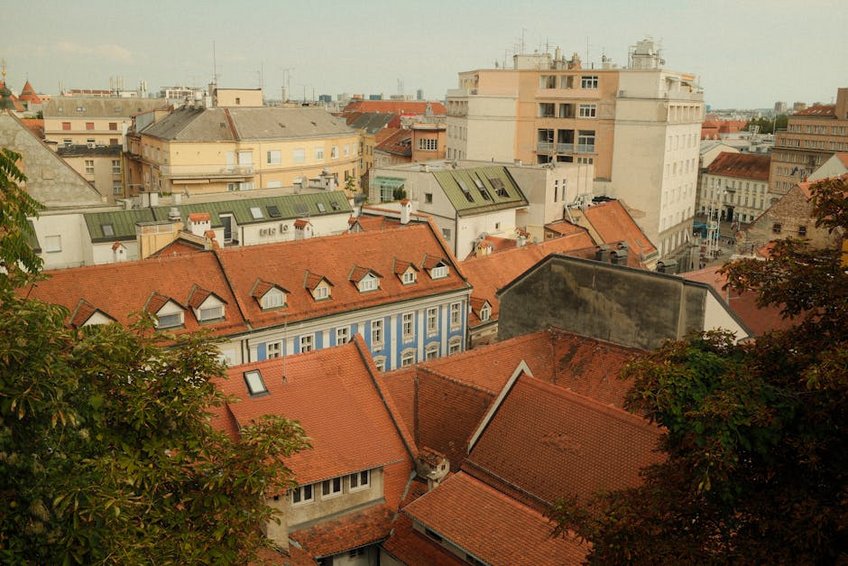
Alt: “zagreb-upper-town-st-marks-church-colorful-rooftop”
Cultural Exploration in Zagreb – Planning Your Trip
Planning maximizes your exposure to Zagreb’s diverse cultural offerings. The city is a year-round destination, but each season presents a different cultural atmosphere and event calendar. A well-structured itinerary allows time for both major museums and spontaneous discoveries in hidden courtyards.
Your budget should account for the excellent value of city museum passes and affordable public transit. While many churches and historic streets are free to explore, the premier museums house collections worth the modest admission fee. Allocate funds for the iconic cafe culture, an integral part of daily life.
Best Time to Visit Zagreb
Visit Zagreb between late April and early June or September to October for ideal cultural exploration. Spring (April-June) brings temperatures of 55-75°F (13-24°C) with blooming parks and outdoor festivals like the Subversive Film Festival. Crowds are manageable, and cafe terraces begin to fill.
Autumn (September-October) offers similar pleasant weather, 50-70°F (10-21°C), and cultural events like the Zagreb Film Festival. Winter transforms the city with the Advent Christmas market, but expect cold temperatures of 25-40°F (-4 to 4°C). Summer can be warm, but some institutions may have shorter hours.
Budget Planning and Costs
Zagreb is moderately priced for Western travelers, offering good value across categories.
Essential Preparation Checklist
Prepare comfortable walking shoes for cobblestone streets and a light jacket for variable weather. Pack a power adapter (Type C/F, 230V) and ensure your phone can access local SIM cards for navigating with apps like Google Maps or Zagreb’s official tourism app.
EU and US citizens need only a valid passport for stays under 90 days. Purchase travel insurance covering medical emergencies. Book major accommodations several months in advance if visiting during the Advent season or major summer festivals.
Top Cultural Attractions and Experiences
Zagreb’s museum scene is remarkably dense, focusing on both art and unique thematic collections. Beyond institutions, the city’s culture thrives in its daily rituals and public spaces. Engaging with these aspects provides a complete picture of local life.
The Dolac Market is a non-negotiable morning visit to see vendors selling local produce, cheese, and flowers. Meanwhile, the Museum of Broken Relationships offers a globally recognized, contemporary look at human emotion. Balancing these classic and modern experiences defines a successful visit.
Must-See Museums and Galleries
The Mimara Museum houses over 3,750 works from ancient to modern times in a grand building. The Croatian Museum of Naïve Art showcases a unique 20th-century art movement born in the region. Both provide deep dives into specific cultural niches.
For contemporary art, the Museum of Contemporary Art (MSU) in Novi Zagreb is a architectural landmark with a vast collection. The Klovićevi Dvori Gallery in the Upper Town hosts major international exhibitions. Check official websites for current shows and temporary closures.
Hidden Gems and Local Favorites
Discover the Tuskanae street in the Upper Town for secluded artist studios and galleries. The Gradec Grič Tunnel, built as a WWII shelter, now hosts occasional art installations and provides a unique underground walk. These spots escape the standard tourist trail.
Locals cherish the Botanical Garden for a quiet retreat and the Sunday morning antique market on Britanski Trg. Visiting a traditional ‘kava’ (coffee) house like Velvet or Cafe u Dvoristu offers an authentic slice of Zagreb’s social fabric. Observe the unhurried pace of conversation.
Architectural Walking Routes
Dedicate an afternoon to exploring the Green Horseshoe (Lenuci’s Horseshoe), a U-shaped series of parks and squares in the Lower Town. This 19th-century urban plan features monumental buildings like the Croatian National Theatre and the University Library.
Another route traces the Secessionist (Art Nouveau) architecture scattered throughout the city, with notable examples on Masarykova Street and Ilica Street. Look for ornate facades, floral motifs, and intricate ironwork that distinguish this elegant style.
Practical Travel Information for Zagreb
Zagreb Franjo Tuđman Airport (ZAG) is the main international gateway, located about 10 miles southeast of the city center. The Croatia Airlines airport shuttle bus is the most cost-effective transfer, dropping you at the main bus station. Taxis and ride-share apps like Bolt are also readily available.
The city’s compact center is best explored on foot, while an extensive tram network managed by ZET covers greater distances. Purchase a prepaid “Zagreb Card” for unlimited public transport and museum discounts. This card simplifies logistics significantly.
| Accommodation Type | Best Location & Features | Price Range/Night (USD) |
|---|---|---|
| Hostel/Guesthouse | Near Main Train Station (Glavni Kolodvor); social atmosphere, basic amenities, shared kitchens. | $20-40 |
| Mid-Range Hotel/Apartment | Lower Town (Centar); private facilities, daily cleaning, often includes breakfast, walkable to sights. | $80-130 |
| Boutique Hotel | Upper Town (Gornji Grad); historic building, unique design, personalized service, premium location. | $150-250 |
| Luxury Hotel | Around Jelačić Square or Green Horseshoe; five-star amenities, spas, fine dining restaurants, concierge. | $250+ |