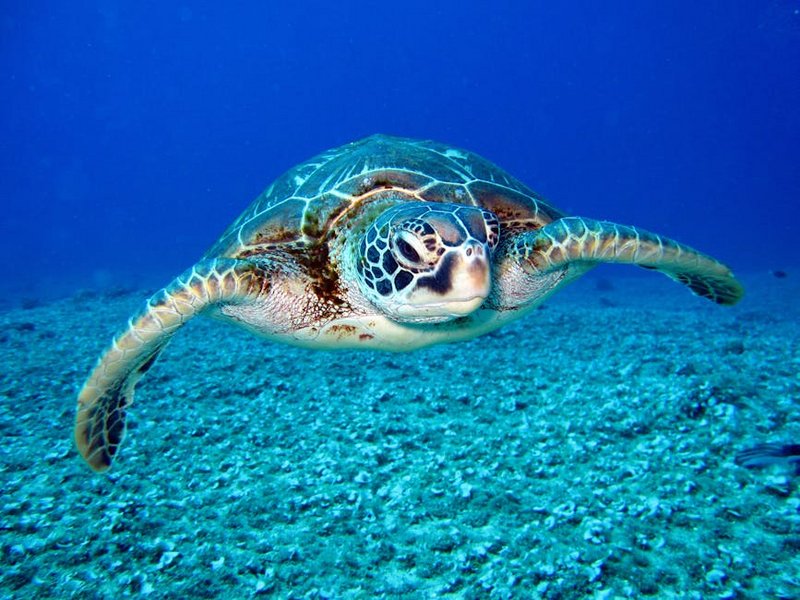
Costa Rica Tortuguero Turtle Nesting: Witness Nature’s Ancient Ritual
Tortuguero’s black sand beaches host one of nature’s most spectacular events where endangered sea turtles return to their birthplace each year. Your Costa Rica Tortuguero turtle nesting adventure connects you with leatherbacks, greens, and hawksbills during nocturnal emergences between July and October. This guide covers optimal viewing seasons, ethical tour practices, and combining turtle encounters with rainforest explorations along Caribbean canals.
Tortuguero National Park Essentials
Tortuguero National Park protects 77,000 acres of coastal rainforest and 22 miles of nesting beaches on Costa Rica’s northeastern Caribbean coast. The park’s name translates to “Region of Turtles,” reflecting its global significance for four endangered marine turtle species. These ancient reptiles have nested here for millennia, with conservation efforts dating back to the 1950s.
Three major turtle species dominate the nesting cycles with distinct timing and conservation statuses. Green turtles arrive heaviest from July to October, while giant leatherbacks visit between March and May. Hawksbill turtles appear in smaller numbers throughout the year, with all species protected under Costa Rican law.
Turtle Species and Nesting Cycles
Understanding species timing maximizes your viewing opportunities during limited vacation windows.
- Green turtles (July-October): Most abundant nester with 200-300 pound females emerging nightly, identified by their single pair of prefrontal scales and vegetarian adult diet.
- Leatherback turtles (March-May): World’s largest sea turtles reaching 1,500 pounds, recognized by their leathery shells and migratory patterns spanning entire ocean basins.
- Hawksbill turtles (year-round): Critically endangered species prized for beautiful shells, nesting sporadically in smaller numbers than other species.
- Budget travelers spend $75-100 daily using hostel dormitories, public boat transportation from Moín, and supermarket meals while joining group turtle tours at $25-35 per person.
- Mid-range visitors allocate $100-150 daily for private lodge rooms, included meals, and canal tours plus premium turtle viewing with smaller groups and expert bilingual guides.
- Luxury experiences cost $200-300 nightly at eco-lodges like Tortuga Lodge, featuring private guided tours, gourmet dining, and additional activities like fishing or specialized photography sessions.
- Tortuguero National Park Official Information
- Sea Turtle Conservancy Research Organization
Conservation History and Importance
Scientific turtle conservation began here in 1955 when Dr. Archie Carr established research stations that continue operating today. The Caribbean Conservation Corporation now protects approximately 20,000 nests annually through monitored beaches and community education programs. Your visit directly funds these initiatives through park entrance fees and required guide services.
Park Accessibility and Regulations
Tortuguero’s remote location requires boat access since no roads connect to mainland Costa Rica. The park limits nightly visitors to protect nesting turtles, requiring reservations through certified tour operators. All turtle viewing occurs with trained guides who enforce strict no-flash photography and minimum distance rules.
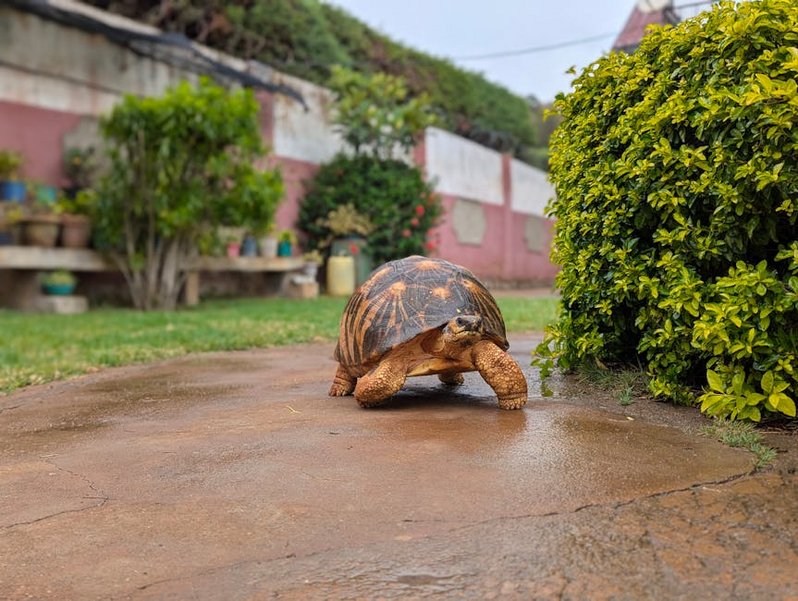
Alt: “tortuguero-national-park-beach-turtle-nesting-conservation”
Costa Rica Tortuguero Turtle Nesting – Planning Your Trip
Successful turtle watching demands careful timing around lunar cycles, weather patterns, and species activity peaks. Your Costa Rica Tortuguero turtle nesting experience thrives during darker nights when turtles feel secure emerging from the sea. Reserve guides and accommodations three months early for July-October green turtle high season.
Budget $75-150 daily per person covering basic lodging, meals, and one guided night tour. The Caribbean coast’s humid tropical climate maintains 80-90°F (27-32°C) year-round with frequent afternoon showers. Pack quick-dry clothing, waterproof bags, and red-filtered flashlights for ethical turtle observation.
Best Time to Visit for Turtle Nesting
Visit between July and October for peak green turtle nesting activity, with August and September offering the highest emergence rates. These months provide darker skies during last quarter moons when turtles feel most secure approaching beaches. Shoulder seasons in June and November still offer regular sightings with fewer visitors and lower prices.
March through May delivers leatherback turtle viewing opportunities, though these giants nest in smaller numbers than greens. The rainy season (December-April) brings heavier rainfall but lush vegetation and excellent birdwatching along park canals. Dry season (May-November) offers more reliable beach access but higher visitor numbers.
Budget Planning and Costs
Consider these tiered options when budgeting your turtle nesting expedition.
Essential Preparation Checklist
Pack dark-colored clothing for night tours, insect repellent with DEET, and waterproof hiking shoes for muddy trails. Bring multiple memory cards and extra camera batteries since charging opportunities prove limited in remote lodges. Include seasickness medication if prone to discomfort during the 1-2 hour boat transfers through sometimes-choppy canals.
Secure comprehensive travel insurance covering emergency evacuation from this remote region lacking hospital facilities. Obtain necessary visas for Costa Rica entry (none required for US/EU citizens for stays under 90 days). Download offline maps and translation apps since internet connectivity remains unreliable throughout the village.
Top Turtle Watching Experiences
Tortuguero delivers multiple turtle encounter options beyond standard night beach walks, including specialized photography tours and conservation volunteer opportunities. Morning nest excavations sometimes occur when researchers inventory hatched nests and release any trapped hatchlings. The Tortuguero Visitor Center displays excellent educational exhibits about turtle biology and local conservation history.
Combine turtle watching with outstanding wildlife spotting during daytime canal tours spotting monkeys, sloths, and tropical birds. Local guides possess exceptional skills for locating camouflaged creatures along waterway edges. Sunrise tours often prove most productive for animal activity before daytime heat sets in.
Must-See Turtle Nesting Beaches
North Beach extends from the village toward Jalova Station, offering the most reliable green turtle nesting from July through October. Park rangers monitor this sector intensively, providing accurate recent activity reports to guide groups. Arrive 30 minutes before your scheduled tour to complete check-in procedures at the park entrance.
South Beach requires boat access but delivers more secluded turtle encounters with fewer visitor groups during peak seasons. This area sees significant leatherback activity between March and May, with fewer regulations than the main nesting beaches. Always visit with authorized guides who know current nesting hotspots and safety considerations.
Alternative Wildlife Activities
Early morning canoe tours provide silent approach to wildlife along narrow jungle canals inaccessible to motorboats. Paddle through tranquil waterways spotting Jesus Christ lizards, river otters, and spectacular birdlife like toucans and kingfishers. These excursions complement night turtle tours perfectly without overlapping activity times.
Village cultural tours introduce Tortuguero’s Afro-Caribbean heritage through local cuisine, music, and historical sites. Visit the Sea Turtle Conservancy museum to understand global conservation efforts beyond local initiatives. Support community businesses by purchasing handicrafts directly from artisans near the soccer field.
Photography Tour Specialties
Specialized photography tours provide red-filtered lighting and expert positioning for capturing turtle emergence sequences without disturbance. These small-group experiences cost $50-75 but deliver unparalleled opportunities under guide supervision. Use cameras with strong low-light performance and avoid flash entirely during nesting procedures.
Hatchling releases occasionally occur during daylight hours when researchers discover live babies in inventoried nests. These unpredictable events create magical photography moments as tiny turtles scramble toward the surf. Maintain respectful distance and never handle hatchlings, which imprint on their birthplace magnetic fields.
Practical Travel Logistics
Reaching Tortuguero involves multiple transportation segments since no roads serve this isolated Caribbean coastline. Most visitors arrive via scheduled boat transfers from Moín or San José, though domestic flights serve the small local airstrip. The village infrastructure remains basic with limited ATMs, medical facilities, and internet connectivity.
Accommodation ranges from budget hostels to luxury eco-lodges, all incorporating sustainable practices like solar power and water conservation. Book at least two months ahead for July-October high season when turtle activity peaks. The compact village layout makes everything accessible by foot once you arrive.
| Accommodation Type | Features and Amenities | Price Range (USD) |
|---|---|---|
| Budget Hostels | Dormitory beds, shared bathrooms, community kitchens, fan cooling | $15-30/night |
| Mid-Range Lodges | Private rooms with bathrooms, restaurant meals, included tours, air conditioning | $80-150/night |
| Eco-Luxury Resorts | Premium amenities, gourmet dining, pool facilities, spa services, private guides | $200-400/night |
| Family Homestays | Authentic cultural immersion, home-cooked meals, local hosting, basic comforts | $40-60/night |