Costa Rica Arenal Volcano Hot Springs: Soak in Natural Thermal Waters
Visiting Costa Rica Arenal Volcano Hot Springs combines geothermal relaxation with stunning rainforest scenery near one of Central America’s most active volcanoes. These natural thermal pools range from luxurious resort settings to free public springs, offering mineral-rich waters between 85°F and 105°F (29°C to 41°C) year-round. This guide covers everything from budget options to premium experiences for your Arenal hot springs adventure.
Arenal Region Essential Information
The Arenal Volcano area in northern Costa Rica features dozens of hot springs heated by underground magma chambers. These geothermal waters contain minerals like sulfur, calcium, and magnesium believed to have therapeutic properties. Local operators have developed various access points from basic to luxury.
Volcanic activity created these springs over centuries, with the 1968 eruption making Arenal famous worldwide. Today, the volcano remains active but monitored, with hot springs operating safely throughout the region. The area receives consistent rainfall, maintaining lush tropical forests around the thermal pools.
Geothermal Science Behind the Springs
Understanding the volcanic origins enhances your appreciation of these natural wonders.
- Rainwater seeps deep into volcanic rock, heating to over 300°F (149°C) before rising through fissures as steam and hot water.
- Different minerals dissolve at various depths, creating unique water compositions at each spring location.
- Temperature variations occur naturally, with cooler pools often created by mixing hot spring water with mountain streams.
- Budget options cost $5-20 for public access springs like Tabacón River, requiring your own transportation and offering basic changing facilities.
- Mid-range resorts charge $45-75 for day passes including multiple pools, locker rooms, and sometimes meals—EcoTermales represents excellent value.
- Luxury experiences run $85-150 at resorts like Tabacón, featuring extensive pool complexes, premium dining, and spa services included.
- Official Costa Rica Tourism Board
- Lonely Planet Costa Rica Guide
Regional Climate and Environment
Arenal’s tropical climate maintains warm temperatures year-round, averaging 75°F to 85°F (24°C to 29°C). The rainy season from May to November brings afternoon showers that rarely disrupt hot spring visits. Dry season from December to April offers clearer volcano views but larger crowds.
Surrounding rainforests host incredible biodiversity, with howler monkeys, sloths, and tropical birds often visible from spring areas. The Arenal Volcano National Park protects this ecosystem while providing hiking trails with panoramic views. Sustainable tourism practices help preserve these natural assets.
Cultural Significance and History
Local communities have used these thermal waters for generations before tourism development. Indigenous traditions valued the springs for healing ceremonies and social gatherings. Modern Costa Rica balances preservation with accessibility through regulated development.
The 1968 eruption destroyed the original town of Arenal, leading to relocation and eventual tourism growth. Today’s hot springs represent both natural heritage and economic opportunity for the region. Many facilities employ local staff and support community projects.
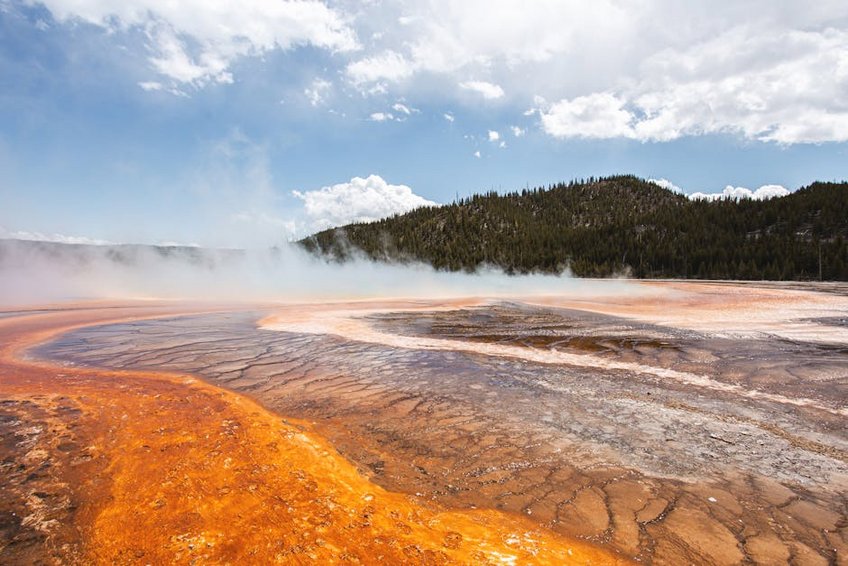
Alt: “arenal-volcano-hot-springs-natural-pools-jungle-background”
Costa Rica Arenal Volcano Hot Springs – Planning Your Trip
Successful visits to Costa Rica Arenal Volcano Hot Springs require strategic timing and reservation planning. December through April sees peak demand, requiring bookings 2-3 months ahead for popular resorts. Shoulder months like May and November offer smaller crowds with similar weather conditions.
Budget travelers find excellent value during rainy season afternoons, when many facilities offer discounted rates. The region’s microclimate means showers typically last only 1-2 hours, leaving plenty of soaking time. Evenings provide spectacular opportunities for stargazing while enjoying the warm waters.
Accessibility varies significantly between developed resorts and natural river hot springs. Families prefer resorts with graduated pool depths and safety features, while adventurers seek out more remote natural springs. Most visitors combine hot springs with other Arenal activities like hiking or zip-lining.
Best Time to Visit Arenal Hot Springs
December to April constitutes dry season with minimal rainfall and optimal volcano visibility. Daytime temperatures reach 85°F (29°C), cooling to 65°F (18°C) at night—perfect for evening soaks. This peak period requires advance reservations and carries premium pricing.
May through November offers rainy season advantages including 30-50% lower accommodation rates and fewer visitors. Afternoon showers typically last 1-2 hours, often enhancing the steamy atmosphere around hot springs. September and October see the least crowds despite higher rainfall.
Budget Planning and Costs
Hot spring experiences range from free natural pools to luxury resort packages.
Essential Preparation Checklist
Pack quick-dry towels, waterproof bags for electronics, and water shoes for natural spring areas. Most facilities provide lockers, but bringing your own lock adds security. The mineral-rich water can damage jewelry, so leave valuable items secured at your accommodation.
Reserve popular hot spring visits 2-4 weeks ahead during high season, 1-2 weeks during shoulder months. Many resorts offer online booking with free cancellation policies. Verify included amenities like towels and meals when comparing package options.
Top Arenal Hot Spring Experiences
The Arenal region features over 15 developed hot spring facilities plus numerous natural river access points. Developed resorts offer temperature-controlled pools, restaurants, and additional amenities. Natural springs provide more rustic experiences closer to the volcanic source.
Temperature variations between pools allow visitors to find their perfect comfort level, typically ranging from 85°F to 107°F (29°C to 42°C). Many facilities design pools with different mineral compositions claimed to offer various health benefits. Evening visits often include special lighting and sometimes live music.
Must-See Developed Resorts
Tabacón Thermal Resort represents the area’s most luxurious option with naturally flowing springs throughout extensive gardens. The resort maintains pools at various temperatures and includes access to exclusive Shangri-La Gardens. Day passes start at $85, including lunch and locker facilities.
Baldi Hot Springs offers 25 different pools across temperature ranges from 93°F to 152°F (34°C to 67°C), plus water slides for families. Their volcanic mud wrap services utilize local clay for skin treatments. Evening visits cost $45 with restaurant options available on-site.
EcoTermales focuses on sustainable operation with limited daily visitors for uncrowded experiences. Their seven pools blend naturally into rainforest surroundings with temperatures from 98°F to 106°F (37°C to 41°C). Reservations require advance booking due to capacity restrictions.
Natural River Hot Springs
Free public access points along the Tabacón River provide authentic thermal experiences without development. Locals favor these areas during weekdays when fewer tourists visit. The water temperature decreases as you move downstream from the volcanic source.
Finding these natural springs requires local guidance or detailed maps, as signage remains minimal. Visitors should bring everything needed including towels, water, and lighting for evening visits. The rocky riverbeds necessitate water shoes for comfortable movement between pools.
Combination Activity Packages
Many operators bundle hot spring visits with other Arenal adventures like volcano hikes or waterfall rappelling. These packages typically cost $75-125 and provide full-day itineraries with transportation included. Combination tours maximize time efficiency for visitors with limited schedules.
Evening packages often include dinner and sometimes cultural performances alongside hot spring access. These experiences run 4-6 hours and provide comprehensive Arenal immersion. Families appreciate the structured scheduling and included meals.
Practical Travel Information
Reaching Arenal requires flying into Juan Santamaría International Airport (SJO) near San José or Daniel Oduber Quirós International Airport (LIR) in Liberia. From SJO, the drive takes 2.5-3 hours; from LIR, approximately 2-2.5 hours. Rental cars provide flexibility, while shared shuttles offer convenience.
La Fortuna serves as the primary gateway town with numerous accommodation options ranging from hostels to luxury resorts. The compact downtown area features restaurants, tour operators, and essential services. Most hot springs locate within 15-30 minutes driving from La Fortuna.
| Accommodation Type | Features and Locations | Price Range (USD) |
|---|---|---|
| Budget Hostels | Dorm rooms, shared kitchens, social atmosphere in La Fortuna | $15-35/night |
| Mid-Range Hotels | Private rooms, pools, breakfast included near downtown | $65-120/night |
| Eco-Lodges | Rainforest settings, sustainability focus, volcano views | $130-200/night |
| Luxury Resorts | Private hot springs, spas, fine dining, exclusive access | $220-400/night |