Vietnam Hue Festival Cultural Events
The Vietnam Hue Festival cultural events represent a spectacular biennial celebration of the nation’s imperial heritage and artistic soul, drawing performers and travelers from across the globe to the former royal capital. This monumental gathering transforms the ancient city into a living stage for thousands of artists, featuring grand royal court reenactments, contemporary art installations, and vibrant street parades that illuminate its historic Citadel. This guide provides a complete overview of the festival’s key events, practical planning tips, and strategies for experiencing this unparalleled cultural immersion.
Essential Hue Festival Information
The Hue Festival is a large-scale international cultural festival held biennially in Hue City, the former imperial capital of Vietnam. Typically scheduled for a week in late April or early June, the event honors the city’s status as a UNESCO World Heritage Site by showcasing both tangible and intangible cultural heritage. Its programming masterfully bridges ancient traditions with modern artistic expressions, creating a dynamic dialogue between past and present.
Stemming from early 20th-century cultural weeks, the festival was formally established in 2000 and has since grown into Vietnam’s most significant recurring cultural event. The 2024 edition welcomed over 1.2 million visitors and featured artistic troupes from nearly 30 countries. Its core mission is to preserve and promote the unique cultural identity of the Thua Thien-Hue province while fostering international artistic exchange and sustainable tourism development.
Understanding the Festival’s Structure and Themes
Each festival edition revolves around a central theme, often connected to Hue’s royal history or Vietnam’s cultural diplomacy. The schedule is meticulously organized into distinct program categories.
- Opening & Closing Ceremonies: Held at the Ngo Mon Gate square, these are lavish, ticketed performances involving thousands of actors, elaborate costumes, and cutting-edge light projections mapping the Citadel walls, symbolizing the festival’s official commencement and conclusion.
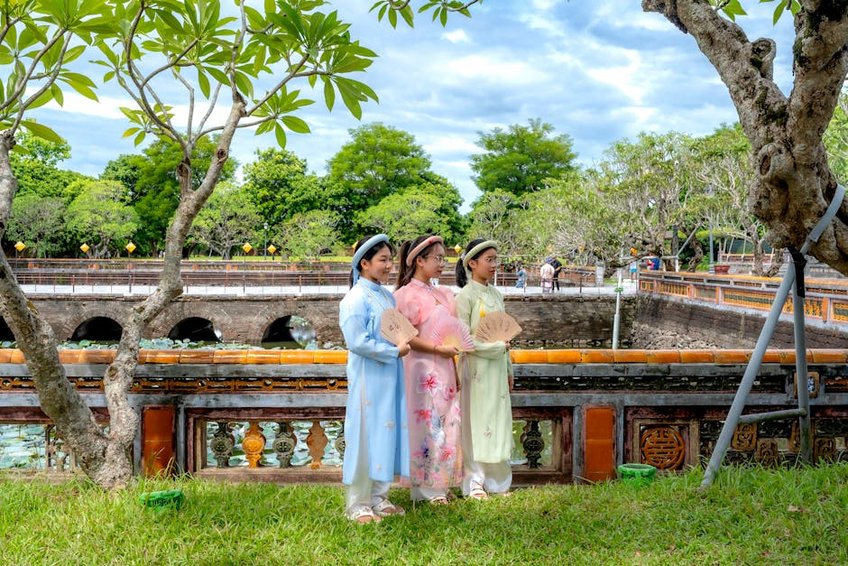
- Imperial Arts Programs: These are the heart of the heritage experience, featuring “Ao Dai” fashion shows, “Nha Nhac” court music performances recognized by UNESCO, traditional royal tea ceremonies, and chess games with human pieces held within the Citadel’s palaces and gardens.
- Street Arts & Carnival: Free-access events that fill the city with energy, including the spectacular “Honoring the Ancient Capital” lantern night, vibrant international folk dance parades along Le Loi and Hung Vuong streets, and dynamic kite flying competitions.
- Contemporary Arts & Dialogue: This segment includes an international arts exhibition, film weeks, culinary showcases, and symposiums where global artists and scholars discuss cultural preservation, often hosted at venues like the Hue Museum of Fine Arts.
- Budget Traveler ($40-60 USD/day): This covers a dorm bed or basic homestay, local street food and banh mi, free street festival events, bicycle rental for transport, and one or two lower-cost ticketed shows. Focus on the free carnival parades and river lantern events for the core experience.
- Mid-Range Traveler ($80-120 USD/day): This allows for a private room in a 3-star hotel near the Citadel, meals at decent local restaurants, tickets to 3-4 major performances including the Opening Ceremony, and Grab bike or taxi transport between venues. This tier offers the best value for comprehensive access.
- Luxury Experience ($200+ USD/day): This includes stays at heritage hotels like La Residence or Pilgrimage Village, curated culinary tours, premium-seating tickets for all major galas, private guided tours of the Citadel, and chauffeured car service. It maximizes comfort and exclusive access during the busy period.
- Official Hue Festival Portal
- UNESCO World Heritage Listing for the Complex of Hue Monuments
- Vietnam National Administration of Tourism
Key Details for Your Visit
Ticket purchasing requires advance planning, as popular events sell out weeks before the festival begins. The main ceremonies and indoor imperial programs require individual tickets, which typically range from $15 to $50 USD depending on seating. Meanwhile, the street carnivals, many art installations, and the iconic lantern release on the Perfume River are completely free for public enjoyment.
Accommodation in Hue’s city center books up extremely fast, often six months in advance for the festival period. Prices for standard hotels can double or triple compared to the off-season. For a more tranquil stay, consider riverside guesthouses in the Vy Da or Thuy Bieu areas, which offer a local atmosphere and are a short taxi or bicycle ride from the main event zones.
The Festival’s Cultural and Historical Significance
Hue served as the political, cultural, and religious capital of Vietnam under the Nguyen Dynasty from 1802 to 1945. The festival directly draws from this legacy, reviving art forms that were once exclusive to the royal court. Events like the Royal Refined Music of Hue performance are not mere entertainment but active preservation of a UNESCO-listed intangible cultural heritage, ensuring these intricate art forms are passed to future generations.
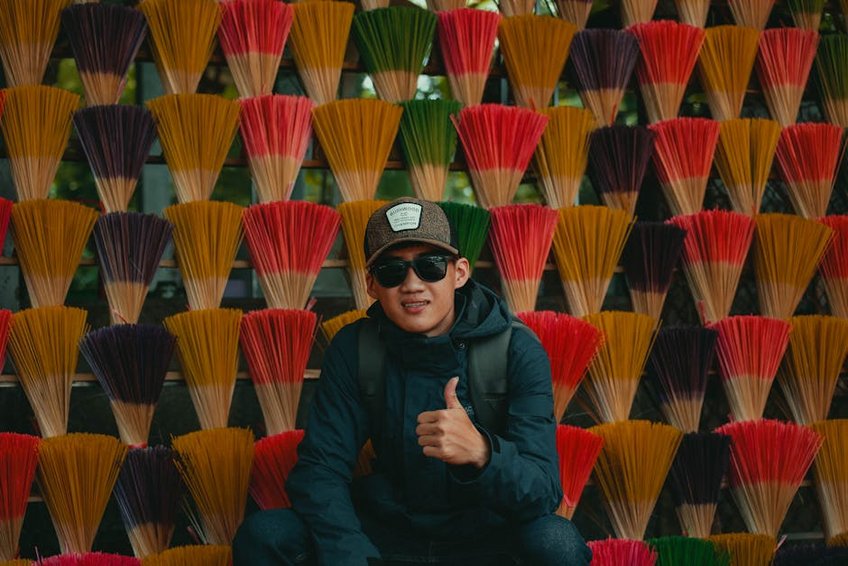
Beyond preservation, the event acts as a catalyst for community development and pride. It provides a vital platform for local artisans, from incense makers in Thuy Xuan village to conical hat weavers, to showcase their crafts to an international audience. The festival’s economic impact supports infrastructure improvements and conservation projects for the city’s priceless historical monuments.
Alt: “hue-festival-opening-ceremony-ngomon-gate-night-performance”
Vietnam Hue Festival Cultural Events – Planning Your Trip
Successfully experiencing the Vietnam Hue Festival cultural events demands strategic planning due to the sheer scale and popularity of the biennial gathering. Your itinerary must account for ticketed indoor ceremonies, expansive outdoor spectacles, and navigating a city operating at peak capacity. Booking flights and hotels immediately after the official dates are announced, typically 8-10 months in advance, is the single most critical step for a smooth visit.
Develop a daily schedule by cross-referencing the official program PDF, which is released about two months prior, with a map of Hue. Cluster activities by geographical zone—Citadel events, riverfront activities, and street parade routes—to minimize transit time. Purchase tickets for headline shows like the Opening Ceremony or Court Music performances online as soon as sales open, as they are highly limited.
Budget meticulously, as costs escalate during the festival period. Allocate funds separately for premium event tickets, upgraded accommodation, festival food tours, and transportation between venues. Allow for flexibility, as weather in Central Vietnam can be unpredictable; have indoor alternatives like museum visits or culinary workshops ready in case of rain.
Best Time to Visit for the Festival
The Hue Festival is typically scheduled every two years in April or early June to coincide with favorable weather and national holidays. April offers pleasant, dry conditions with average temperatures between 75-85°F (24-29°C), making it ideal for outdoor evening events. However, this period can be crowded as it aligns with the Reunification Day holiday on April 30th.
Early June festivals present a trade-off with warmer and more humid weather, averaging 80-90°F (27-32°C), and a higher chance of brief afternoon showers. The advantage is slightly thinner crowds compared to the April schedule. Regardless of the month, you should prepare for high humidity and pack accordingly with breathable clothing, a portable fan, and rain gear.
Budget Planning and Costs
A realistic budget varies significantly based on travel style and ticket selections for the main events.
Essential Preparation Checklist
Secure your key logistics well ahead of time to avoid last-minute stress and exorbitant prices. Book your accommodation in Hue City center as soon as the festival dates are confirmed, and purchase flight tickets to Da Nang’s (DAD) or Phu Bai’s (HUI) airport at least five months in advance. Apply for a Vietnamese visa online (E-Visa) at least one month before departure, ensuring your passport has six months’ validity remaining.
Pack for variable conditions with lightweight, breathable clothing, a sturdy pair of walking shoes, a compact umbrella or poncho, sunscreen, and a power bank for your phone. Download essential apps like Grab for transport, Google Maps with offline Hue saved, and a translation app. Finally, withdraw enough Vietnamese Dong (VND) in cash, as small vendors at festival markets may not accept cards.
Top Attractions and Festival Events
The festival program is vast, but several core events define the experience and should anchor your schedule. The Opening Ceremony at Ngo Mon Gate is the non-negotiable highlight, a breathtaking fusion of music, dance, and light technology that tells the story of Hue’s history. Equally compelling is the “Ao Dai” Grand Show, where hundreds of models present the evolution of Vietnam’s national costume against the backdrop of the Thai Hoa Palace.
Along the Perfume River, the “Honoring the Ancient Capital” night sees thousands of floating lotus-shaped lanterns released onto the water, creating a magical scene best viewed from Trang Tien Bridge. For a daytime cultural deep dive, the “Dialogue of Cultures” street carnival features procession groups from international troupes in traditional dress, offering incredible photo opportunities and spontaneous interaction.
Must-See Highlight Performances
Prioritize tickets for “Nha Nhac” (Royal Court Music) performed in the Dien Thai Hoa Palace. This UNESCO-recognized art form, with its intricate melodies and ancient instruments, offers an authentic auditory journey into the royal past. Evening shows here are particularly atmospheric. Similarly, the “Royal Palace Night” program includes reenactments of palace life, from scholar examinations to royal banquets, within the actual Forbidden Purple City.
Do not miss the contemporary arts components, such as the installation art exhibits around the Citadel moat or the film festival at the Hue College of Arts. These programs provide a crucial counterpoint to the historical themes, showcasing how modern Vietnamese and international artists interpret Hue’s legacy. They are often less crowded than the main galas but equally enriching.
Hidden Gems and Local Favorites
Venture beyond the official program to discover the festival’s local heartbeat. In the afternoons, visit the “Hue Traditional Craft Festival” village, a pop-up space near the Citadel where artisans from surrounding villages demonstrate pottery, bronze casting, and incense making. This is where you can purchase authentic handicrafts directly from the makers.
For a tranquil escape from the crowds, take a bicycle or taxi to Thuy Bieu village, known for its ancient garden houses. During the festival, many open their doors for small-scale, intimate musical performances or offer herbal foot baths. Similarly, seek out the community-led “Hue Singing” (Ca Hue) performances on dragon boats along the quieter stretches of the Perfume River in the evening.
Experiencing the Street Carnivals and Parades
The street festivals are the festival’s most accessible and vibrant component. The main parade usually flows down Le Loi Street towards the Trang Tien Bridge, featuring giant puppets, dragon dances, and international folk dance groups. Arrive at least an hour early to secure a good viewing spot along the curb. The energy is infectious, and participation is encouraged.
Throughout the week, smaller, impromptu performances pop up in public squares and parks. Follow the sound of drums or gather with a crowd to discover martial arts demonstrations, folk game areas, or poetry recitals. These unstructured moments often provide the most authentic and memorable interactions with both local families and fellow international visitors.
Practical Travel Information for Hue
Navigating Hue during the festival requires an understanding of the city’s layout and strained infrastructure. The epicenter of activity is the area surrounding the Imperial City (Citadel) on the north bank of the Perfume River. Key venues like Ngo Mon Gate, the Quoc Hoc School stage, and the walking street are all within a 1.5 km radius here. South of the river, the Bach Dang street area near Trang Tien Bridge is another hub for food and festivities.
Accommodation choices should balance proximity to events with the need for a quiet retreat. Staying inside the Citadel walls offers unparalleled access but can be noisy. The streets south of the river like Le Loi and Hung Vuong are packed with mid-range hotels and are within walking distance of many events. For a serene stay, look to garden homestays in the outer suburbs like Kim Long or An Cuu.
| Accommodation Type | Best Location & Features | Price Range Per Night (Festival) |
|---|---|---|
| Hostel / Homestay | Areas: An Cuu, Vy Da. Basic amenities, shared bathrooms, bicycle rental. | $15 – $30 USD |
| Mid-Range Hotel | Areas: South of Perfume River (Le Loi St). Private room, AC, breakfast, walkable to events. | $50 – $100 USD |
| Boutique / Heritage Hotel | Areas: Near Citadel or Riverside. Historical charm, pool, spa, concierge help with tickets. | $120 – $250 USD |
| Luxury Resort | Areas: Outskirts (Thuy Bieu, La Chu). Private villas, shuttle service, full-service amenities, tranquility. | $250+ USD |