Vienna Travel Guide: Discover Imperial History and Modern Culture
This Vienna travel guide offers everything you need to explore Austria’s elegant capital, where imperial palaces meet vibrant coffeehouse culture. You’ll uncover practical advice for navigating the city’s efficient transport, discovering world-class museums, and tasting iconic pastries like Sachertorte. We provide detailed seasonal tips, budget breakdowns, and itineraries to help you experience Vienna’s unique blend of history and contemporary arts.
Essential Vienna Information
Vienna, the capital of Austria, sits along the Danube River in Central Europe. Its history spans from Roman settlements to the powerful Habsburg monarchy, which left a legacy of grand Baroque architecture and artistic patronage. Today, the city maintains its cultural prestige as a UNESCO World Heritage site and a global hub for music and philosophy.
The city operates on Central European Time and uses the Euro (EUR) for all transactions. English is widely spoken in tourist areas, though learning basic German phrases like “Guten Tag” (Good day) is appreciated. Vienna enjoys a continental climate with distinct seasons, each offering a different perspective on city life.
City Layout and Key Districts
Understanding Vienna’s layout simplifies navigation. The city is organized into 23 numbered districts, radiating out from the historic center.
- Innere Stadt (District 1): The historic core containing St. Stephen’s Cathedral, Hofburg Palace, and luxury shopping streets. This is the main tourist zone, best explored on foot.
- Leopoldstadt (District 2): Home to the massive Prater park with its iconic Giant Ferris Wheel and the trendy Karmelitermarkt food market. It offers a more local, residential feel.
- Neubau (District 7): The city’s creative heart, known for the MuseumsQuartier complex, independent designer boutiques, and lively café culture along Neubaugasse.
- Budget Traveler ($70-100/day): Stay in hostels or budget hotels outside the Ringstrasse, use a 72-hour transit pass ($18), enjoy street food like Würstel (sausages), and visit free attractions like St. Stephen’s Cathedral interior and the Stadtpark.
- Mid-Range Traveler ($150-250/day): This allows for a central 3-star hotel, a combination museum ticket (e.g., the Sisi Ticket), daily coffee house visits, and meals at traditional Beisln (pubs). You can comfortably include one major paid attraction per day.
- Luxury Traveler ($350+/day): Stay at a historic 5-star hotel on the Ringstrasse, dine at fine Heuriger (wine taverns) in the Vienna Woods, attend a State Opera performance with premium seats, and take private guided tours of imperial apartments.
- Vienna Tourist Board (Official City Guide)
- Schönbrunn Palace Official Website
- Wiener Linien (Public Transport)
Cultural Context and History
Vienna’s identity is deeply tied to its centuries as the seat of the Habsburg Empire. This legacy is visible in monumental buildings like Schönbrunn Palace, the former summer residence with 1,441 rooms. The empire’s patronage turned the city into a beacon for composers like Mozart, Beethoven, and Strauss.
Meanwhile, the early 20th century saw Vienna as a crucible of modern thought, with figures like Sigmund Freud and Gustav Klimt pushing boundaries. This layered history creates a dynamic where tradition and innovation constantly interact, from the Vienna State Opera to avant-garde galleries in the MuseumsQuartier.
Climate and Seasonal Weather Patterns
Vienna experiences warm summers and cold winters, with pleasant shoulder seasons. Summer (June-August) sees average highs of 75-80°F (24-27°C) and long daylight hours, ideal for park visits and outdoor concerts. However, this is peak tourist season, so expect larger crowds at major sites.
Winter (December-February) is cold, with temperatures often between 30-40°F (-1 to 4°C) and occasional snow, creating a magical atmosphere at Christmas markets. Spring (April-May) and autumn (September-October) are excellent for fewer crowds and mild temperatures perfect for walking tours.
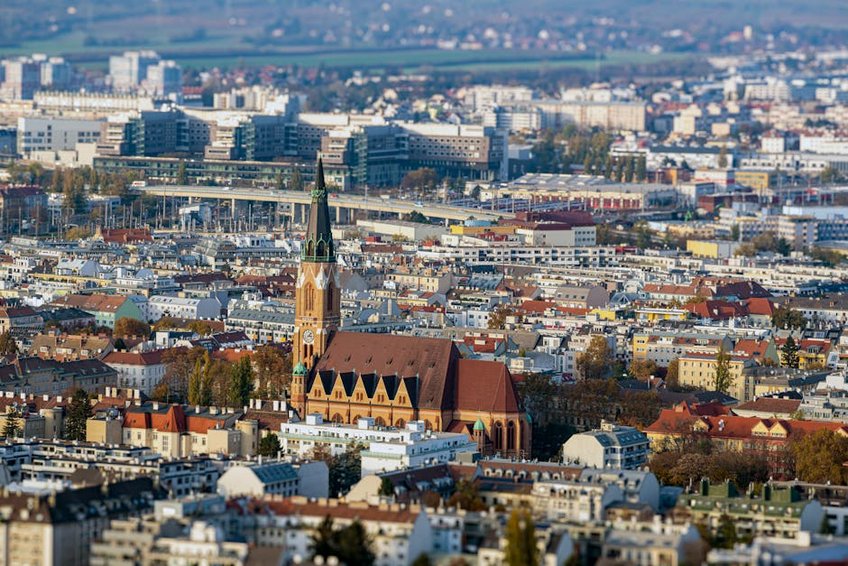
Alt: “vienna-austria-st-stephens-cathedral-historic-city-center”
Vienna Travel Guide – Planning Your Trip
A successful visit requires strategic planning around your interests. For classical music lovers, booking opera or Philharmonic tickets months in advance is crucial. Art enthusiasts should prioritize timed-entry tickets for major museums like the Kunsthistorisches to avoid long queues. Everyone should reserve accommodations early, especially for visits during the summer festival season or the magical December Christmas markets.
Budget planning is straightforward, as Vienna offers options for all spending levels. An efficient public transport network connects all districts, so choose a hotel near a U-Bahn (subway) station for easy access. Most central attractions are walkable, but the Vienna U-Bahn, trams, and buses are punctual and clean, making longer journeys simple.
Best Time to Visit Vienna
The ideal months are April-May and September-October. These shoulder seasons provide mild weather, with averages of 55-65°F (13-18°C), and significantly smaller crowds. You can comfortably explore palaces and outdoor cafes without the summer rush. Late spring brings blooming gardens at Schönbrunn, while autumn offers beautiful foliage in the Stadtpark.
Summer (June-August) is vibrant but busy, with numerous festivals pushing accommodation prices higher. Winter is dedicated to festive markets from mid-November to December 24th, offering mulled wine and crafts in a sparkling setting. While some gardens are closed, museums and coffee houses provide cozy retreats from the cold.
Budget Planning and Costs
Daily costs vary significantly based on your travel style. Vienna can be experienced modestly or with full imperial splendor.
Essential Preparation Checklist
Pack smart layers, as weather can change. Include comfortable walking shoes for cobblestone streets, a compact umbrella, and a versatile jacket. For summer, add sunscreen and a hat; for winter, a warm coat, scarf, gloves, and waterproof boots are non-negotiable. A power adapter for Type F sockets (230V) is required for North American devices.
Ensure your passport is valid for at least three months beyond your planned departure from the Schengen Area. U.S. and EU citizens do not need a visa for stays under 90 days. Purchase comprehensive travel insurance that covers medical emergencies. Book major attractions and popular restaurants at least two weeks ahead, especially in high season.
Top Attractions and Activities
The Austrian capital dazzles with an overwhelming array of historic and cultural sites. Your itinerary should balance iconic imperial landmarks with immersive local experiences. Begin at the Ringstrasse, the grand boulevard encircling the Old Town, to see monumental buildings like the Parliament and Vienna State Opera. This provides a perfect orientation to the city’s scale and grandeur.
Beyond the palaces, dedicate time to Vienna’s living traditions. Spend an afternoon in a classic coffee house like Café Central, where time seems to slow down. Visit the Naschmarkt open-air market to taste local produce and international foods. For a unique perspective, join a guided walking tour focusing on underground Roman ruins or the city’s pioneering Art Nouveau (Jugendstil) architecture.
Must-See Imperial Highlights
No Vienna travel guide is complete without the Hofburg Palace Complex. This was the Habsburgs’ winter residence for over six centuries. You can tour the Imperial Apartments, the Sisi Museum dedicated to Empress Elisabeth, and the dazzling Silver Collection. Allow at least half a day here, and book tickets online to skip the ticket line.
Schönbrunn Palace, the spectacular summer residence, requires a full day. The palace tour includes the ornate state rooms and private chambers. The sprawling gardens are free to enter and lead up to the Gloriette monument, offering the best panoramic city views. The on-site Tiergarten, the world’s oldest zoo, is excellent for families. Separate tickets are needed for each major section.
The Kunsthistorisches Museum (Museum of Fine Arts) houses the imperial art collection. Its highlights include works by Bruegel, Vermeer, and an entire room dedicated to Raphael. The building’s grand staircase and opulent cupola are artworks themselves. Opposite it, the Naturhistorisches Museum (Natural History Museum) boasts an impressive collection of minerals and dinosaur skeletons.
Hidden Gems and Local Favorites
Escape the crowds at Hundertwasserhaus, a fantastical, colorful apartment building designed by artist Friedensreich Hundertwasser. While the interior is private, the nearby KunstHausWien museum showcases more of his work. This area offers a striking contrast to the city’s Baroque uniformity and is a short walk from the city center.
For a peaceful retreat, visit the Central Cemetery (Zentralfriedhof). It’s not only a vast, park-like space but also the final resting place of famous composers like Beethoven, Brahms, and Strauss. Take tram line 71 from the city center for a straightforward journey. Another local secret is the Café Sperl, a traditional coffee house from 1880 that feels less touristy and maintains an authentic, timeless atmosphere.
Music and Performance Venues
Vienna’s musical heritage is alive at the Vienna State Opera. You can attend a full opera or take a guided daytime tour of the magnificent building. For a more casual musical experience, attend a performance by the renowned Vienna Philharmonic at the Musikverein, famous for its Golden Hall acoustics.
Smaller venues offer intimate experiences. The Haus der Musik is an interactive sound museum that’s fun for all ages. For traditional Viennese tunes, book an evening at a Heuriger in the Grinzing or Neustift districts. These rustic wine taverns in the city’s outskirts serve local wine and simple food with live Schrammelmusik folk music.
Practical Travel Information
Navigating Vienna is remarkably efficient thanks to its integrated public transport system, the Wiener Linien. It includes U-Bahn (subway), trams, and buses. Purchase tickets from machines at stations or via their official app. Validate paper tickets before your first journey. The city is also very walkable, with the historic center largely pedestrianized.
Accommodation spans from luxury palaces to modern hostels. Staying within the Ringstrasse (Districts 1, 4, 6, 7) places you within walking distance of most major sights. Districts just outside the ring, like Mariahilf (6) or Neubau (7), offer slightly better value and excellent subway links. For a quieter stay, consider areas near the Schönbrunn Palace in District 12.
| Accommodation Type | Best For & Features | Average Price Range/Night (USD) |
|---|---|---|
| Historic Luxury Hotel | Splurge, central Ringstrasse location, palace ambiance, spa facilities | $350 – $700+ |
| Boutique/Business Hotel | Mid-range travelers, modern amenities, good transit links, breakfast included | $150 – $300 |
| Pension/Guesthouse | Budget-conscious, family-run charm, simple rooms, often in residential areas | $80 – $140 |
| Hostel/Apartment Rental | Solo travelers/groups, self-catering options, social atmosphere, longest stays | $25 – $100 |