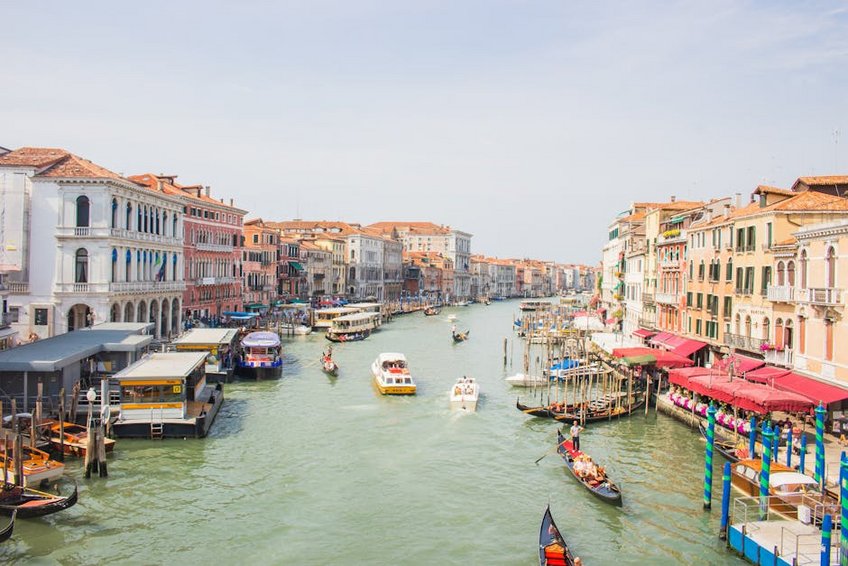
Venice Travel Guide for First-Time Visitors
This Venice travel guide provides essential information for navigating Italy’s floating city. You will learn how to explore beyond crowded San Marco, where to find authentic cicchetti bars, and the best times to experience serene canals. This advice helps you avoid tourist traps and embrace the authentic rhythm of daily Venetian life.
Essential Information About Venice
Venice is a unique archipelago built on over 100 small islands in the Venetian Lagoon. The city connects via a network of 400 bridges and 150 canals, with no roads for cars. This layout creates a pedestrian and boat-centric experience unlike any other European destination.
The historic center is divided into six sestieri, or districts, each with its own character. San Marco houses the iconic square and Doge’s Palace, while Dorsoduro offers quieter art galleries. Cannaregio provides a local residential feel, and Castello stretches toward the shipyards and public gardens.
Understanding the Venetian Layout
Navigating Venice requires understanding its basic geography. The Grand Canal forms a reverse “S” shape through the city center. Major landmarks sit along its banks.
- The Grand Canal: This two-mile waterway is the city’s main artery, crossed by four bridges. Vaporetto water buses run its length, offering a cost-effective grand tour.
- The Sestieri: San Marco (tourism hub), Castello (historic and residential), Cannaregio (Jewish Ghetto, local shops), Santa Croce (transport hubs), San Polo (Rialto Market), and Dorsoduro (academic, Peggy Guggenheim Museum).
- Key Islands: Murano (glassmaking), Burano (colorful houses, lace), Torcello (ancient basilicas), and the Lido (beach resort, Venice Film Festival).
- Budget: Allow $100-150 per person daily. This covers a hostel or basic B&B ($70), a vaporetto day pass ($22), supermarket meals and cicchetti ($25), and entry to one major site like Doge’s Palace ($30). Save by walking everywhere, using public water taxis, and picnicking.
- Mid-Range: Plan for $200-350 daily. This includes a 3-star hotel in Cannaregio or Castello ($150), a multi-day vaporetto pass, sit-down meals at local trattorias ($50), and pre-booked entries to major attractions. This tier offers the best balance of comfort and authenticity.
- Luxury: Expect $500+ per day. Stay at a 5-star canal-view hotel like the Gritti Palace, enjoy private water taxi transfers, dine at Michelin-starred restaurants, and book after-hours tours of St. Mark’s Basilica. This ensures exclusivity and unparalleled service.
- Venezia Unica Official Tourism Portal
- Save Venice Inc. Travel Tips
A Brief Historical Context
Founded in the 5th century by refugees fleeing mainland invaders, Venice grew into a dominant maritime republic. For nearly a millennium, the Venetian Republic controlled Mediterranean trade routes. This history is visible in the ornate palaces lining the Grand Canal, built by wealthy merchant families.
The city’s wealth funded incredible artistic achievements during the Renaissance. Masters like Titian, Tintoretto, and Veronese left their mark on churches and scuole. Understanding this mercantile past explains the city’s opulent architecture and independent spirit.
Venice’s Modern Challenges
Today, Venice faces significant challenges from mass tourism and acqua alta (high water). The resident population has fallen below 50,000, while the city welcomes over 25 million visitors annually. This pressure impacts infrastructure and local culture.
Sustainable travel practices are crucial. Visiting during shoulder seasons, staying in licensed hotels, and eating at local bacari help support the community. Respecting the fragile ecosystem of the lagoon is every traveler’s responsibility.
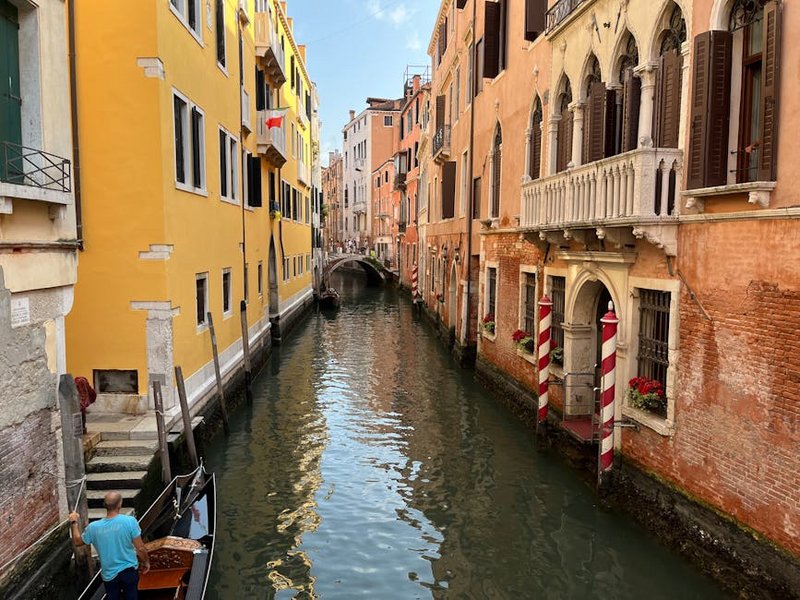
Alt: “venice-grand-canal-vaporetto-water-bus-rialto-bridge”
Venice Travel Guide – Planning Your Trip
A successful Venetian visit requires strategic planning around seasons and logistics. The difference between a crowded, expensive trip and a magical experience often comes down to timing. This section covers the critical decisions for your itinerary.
Your budget must account for accommodation, which is premium due to limited space, and transportation, primarily vaporetto passes. Dining costs vary wildly between tourist-menu restaurants and authentic bacari. Planning daily routes minimizes unnecessary bridge crossings and walking fatigue.
Best Time to Visit Venice
Visit from April to early June or September to October for optimal conditions. Spring (April-May) offers mild temperatures of 55-70°F (13-21°C) with longer days. The city blooms with fewer crowds than summer, though May begins the high season. Fall (September-October) provides similar weather, 60-75°F (16-24°C), with the added drama of possible acqua alta events.
Winter (November-March) is cold, 35-50°F (2-10°C), and damp but offers the lowest hotel rates and fewest tourists. Summer (July-August) sees intense heat, 75-85°F (24-30°C), high humidity, and overwhelming crowds. Major events like Carnevale (February) and the Biennale (alternating years) dramatically increase prices and occupancy.
Budget Planning and Costs
Venice is a premium destination, but costs can be managed with careful choices.
Essential Preparation Checklist
Pack comfortable, waterproof walking shoes with good grip for wet cobblestones and bridges. Bring a lightweight rain jacket and layers regardless of season. A small backpack is easier to manage than wheeled suitcases when navigating stairs and bridges from the vaporetto stop to your hotel.
Book accommodation months in advance, especially for high season or events. Purchase tickets online for Doge’s Palace and St. Mark’s Campanile to skip long queues. Ensure you have a chip-and-PIN credit card, as many smaller establishments prefer cashless payments. Consider travel insurance that covers trip interruption due to acqua alta.
Top Attractions and Venetian Experiences
The floating city offers more than its headline sites. While St. Mark’s Square is essential, the true magic lies in getting lost in quiet calli (streets). Balance iconic landmarks with neighborhood exploration for a complete experience. Pace your sightseeing to avoid museum fatigue.
Invest in a Museum Pass or Chorus Pass for church entries if you plan intensive cultural visits. Most museums close on Mondays, while churches often close for Sunday morning services. Always check opening times, as they can change seasonally.
Must-See Highlights
St. Mark’s Basilica is a breathtaking blend of Byzantine and Gothic architecture, adorned with golden mosaics. Entry is free, but skip the long line by booking a timed €3 online reservation. The Pala d’Oro altarpiece and Treasury Museum require separate tickets. The adjacent Campanile offers the city’s best panoramic views for €10.
The Doge’s Palace showcases Venetian Gothic power, with rooms decorated by Veronese and Tintoretto. The €30 ticket includes the palace, Museo Correr, and the Bridge of Sighs passage. Book a “Secret Itineraries” tour to see the prison and administrative offices. The Rialto Bridge, while perpetually crowded, remains an engineering icon and vital crossing point.
Hidden Gems and Local Favorites
Escape the crowds at the quiet Campo Santa Margherita in Dorsoduro, a vibrant square with a daily market and student cafes. The nearby Scuola Grande di San Rocco houses an incredible cycle of Tintoretto paintings in a more intimate setting than major museums. It costs €10 and is rarely busy.
Visit the Libreria Acqua Alta, a quirky bookstore where books are stored in bathtubs and gondolas to protect them from floods. For a unique perspective, walk the Fondamenta Zattere promenade at sunset. Explore the Cannaregio canal, a quieter, residential waterway that feels worlds away from San Marco.
Island Hopping in the Lagoon
Dedicate a day to the northern lagoon islands using a €20 day pass on Line 12. Murano is famous for glassmaking; watch a free demonstration at a fornace. Burano’s brightly painted fishermen’s houses create iconic photo opportunities. The island is also known for its delicate lacework.
Torcello, the lagoon’s oldest settlement, features the 7th-century Cathedral of Santa Maria Assunta with stunning Byzantine mosaics. The Lido offers a beach resort atmosphere and a glimpse of Venice’s 19th-century elegance. Cycling is permitted here, a novelty after days of walking.
Practical Travel Information and Logistics
Venice’s infrastructure is designed for boats and foot traffic, which requires different planning. Understanding vaporetto routes and walking distances saves time and frustration. Always have a physical map or offline maps, as GPS can be unreliable in narrow alleys.
Accommodation ranges from opulent historic palazzos to simple guesthouses. Location significantly impacts your daily experience. Staying outside the main tourist hub provides better value and a more authentic neighborhood feel.
| Accommodation Type | Best For / Location Tips | Average Nightly Price (USD) |
|---|---|---|
| Hostel / Budget Guesthouse | Solo travelers, students; Look in Castello or near Santa Lucia station. | $70 – $120 |
| 3-Star Hotel / B&B | Couples, mid-range budget; Cannaregio or Dorsoduro offer local charm. | $150 – $280 |
| 4-Star Historic Hotel | Luxury experience; San Marco or Grand Canal views. | $300 – $500 |
| Apartment Rental | Families, longer stays; Provides kitchen to save on meals. | $200 – $400 |