USA Yosemite Half Dome Hike: Conquer the Iconic Summit
The USA Yosemite Half Dome Hike challenges adventurers with its famous cable ascent and panoramic Sierra Nevada views from 8,839 feet elevation. This strenuous 14-16 mile round trip gains 4,800 feet elevation through diverse terrain from Mist Trail waterfalls to granite domes. Proper planning for permits, fitness, and seasonal conditions ensures a safe and rewarding Yosemite National Park experience.
Essential Yosemite National Park Information
Yosemite National Park spans 1,187 square miles across California’s Sierra Nevada mountains with granite cliffs and giant sequoia groves. Established in 1890, the park hosts over four million annual visitors exploring landmarks like El Capitan and Glacier Point. Summer temperatures range 50-90°F (10-32°C) with afternoon thunderstorms common in July and August.
What Makes Half Dome Unique
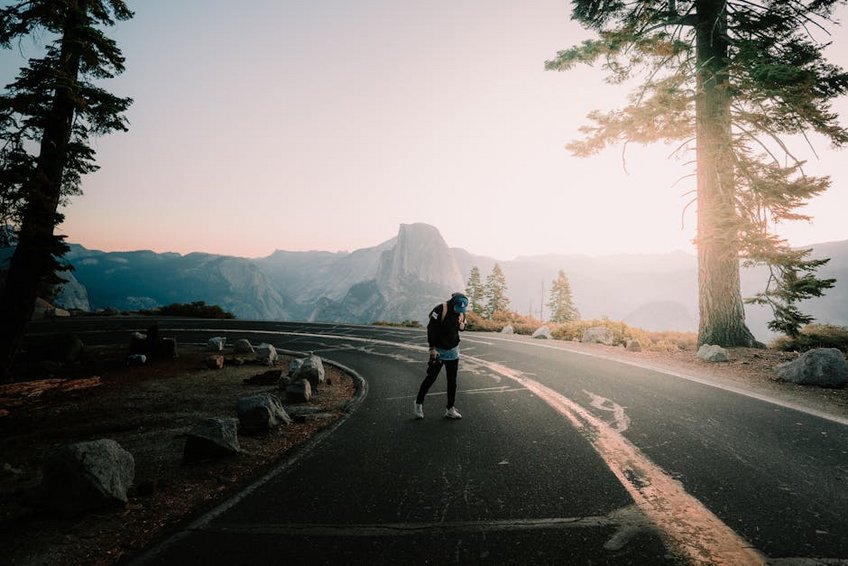
Half Dome’s distinctive shape resulted from glacial erosion exposing granite formations over millions of years. The final 400-foot cable section requires upper body strength and careful footing on polished granite. Hikers encounter diverse ecosystems from Merced River riparian zones to subalpine forests during the ascent.
Physical and Mental Requirements
This demanding hike requires excellent cardiovascular fitness and previous long-distance hiking experience. Prepare for 10-14 hours continuous exertion with significant elevation gain and potential dehydration. Mental resilience helps manage exposure on cables and unpredictable mountain weather changes.
Key Safety Considerations
Check daily weather forecasts thoroughly since lightning risk closes the cables frequently during summer storms. Carry microspikes for early season hikes when ice persists on granite surfaces. Hydration systems should hold 3-4 liters minimum with electrolyte supplementation for sodium loss.
USA Yosemite Half Dome Hike – Planning Your Adventure
Successful USA Yosemite Half Dome Hike preparation involves securing competitive permits months ahead through the National Park Service lottery system. Physical training should emphasize stair climbing with weighted packs and grip strength exercises for the cable sections. Booking Yosemite Valley lodging early ensures convenient trailhead access before dawn starts.
Best Time to Visit Yosemite
Ideal hiking conditions occur from late May through early October when cables are installed and daytime temperatures average 60-80°F (15-27°C). July and August offer longest daylight but encounter afternoon thunderstorms and peak visitor crowds. September provides cooler 50-70°F (10-21°C) temperatures with fewer hikers on the trail.
Budget Planning and Costs
Budget ranges vary significantly based on gear ownership and accommodation preferences.
- Budget option: $150-300 covers park entry $35, wilderness permit $10, camping $26-36, and bringing your own food and equipment.
- Mid-range option: $400-700 includes Curry Village tent cabin $140, guided hike preparation $200, rental equipment $75, and restaurant meals.
- Luxury option: $800-1,200 features Ahwahnee Hotel lodging $500, private guiding services $400, and premium gear rentals with transportation.
- National Park Service Yosemite
- Yosemite Mariposa County Tourism
Essential Preparation Checklist
Break in hiking boots thoroughly with multiple long training hikes carrying your planned pack weight. Test all gear including headlamps, navigation devices, and water filtration systems before departure. For more details, read our Yosemite hiking tips guide covering additional preparation strategies.
Alt: “yosemite-half-dome-cables-ascend-granite-dome”
Top Yosemite Attractions and Activities
Yosemite Valley contains numerous iconic landmarks beyond Half Dome including El Capitan’s 3,000-foot granite face and Bridalveil Fall’s 620-foot cascade. The park’s 800 miles of trails accommodate various fitness levels from paved valley loops to strenuous backcountry routes. Ranger-led programs offer educational opportunities about geology, wildlife, and conservation efforts.
Must-See Park Highlights
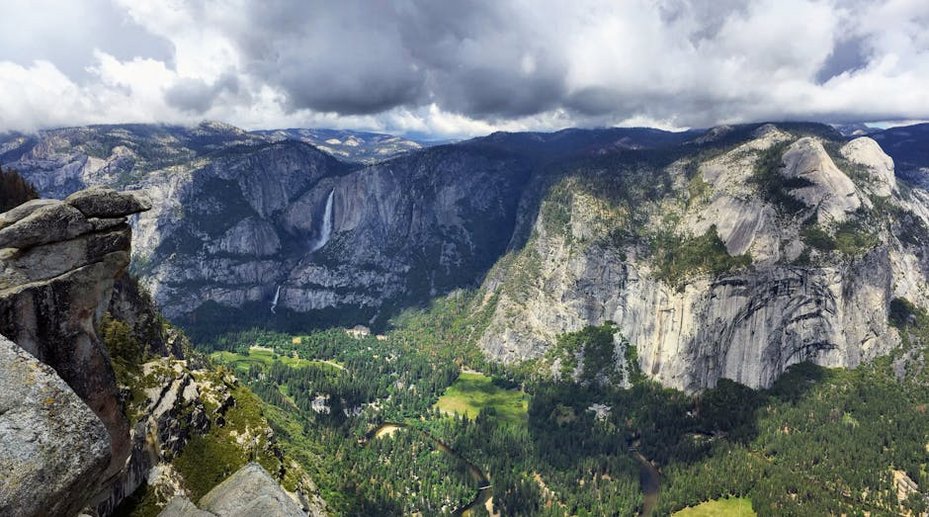
Glacier Point delivers spectacular Half Dome views from 3,200 feet above the valley floor via 4-mile round trip hike. Yosemite Falls ranks North America’s tallest at 2,425 feet with best flow in May and June from snowmelt. Mariposa Grove protects 500 mature giant sequoias including the 3,000-year-old Grizzly Giant sequoia.
Hidden Gems and Local Favorites
Tuolumne Meadows’ high country offers pristine alpine scenery with fewer crowds than Yosemite Valley areas. Tenaya Lake provides stunning swimming opportunities with granite beach access along Tioga Road. Hetch Hetchy Reservoir’s O’Shaughnessy Dam trail features wildflower displays and waterfall views in spring.
John Muir Trail Connections
The Half Dome hike intersects with the famous John Muir Trail offering potential multi-day backpacking extensions. Consider combining with Clouds Rest for additional panoramic views at 9,926 feet elevation. Proper wilderness permits are required for overnight stays in Yosemite’s backcountry zones.
Practical Yosemite Travel Information
Yosemite National Park operates year-round with limited services during winter months from November through April. Summer visitation requires reservations for day entry between 6am and 4pm from May through September. Free shuttle buses operate in Yosemite Valley and to Mariposa Grove reducing traffic congestion.
| Accommodation Type | Features and Locations | Price Range (USD) |
|---|---|---|
| Campgrounds | Upper Pines, Lower Pines, North Pines with restrooms and bear lockers | $26-36 per night |
| Lodges | Yosemite Valley Lodge, Curry Village with heating and dining | $250-400 per night |
| Premium Hotels | Ahwahnee Hotel with fine dining and historic architecture | $500-900 per night |
| Backcountry Camping | Wilderness permits required, no facilities, bear canister mandatory | $10 permit plus $35 park entry |