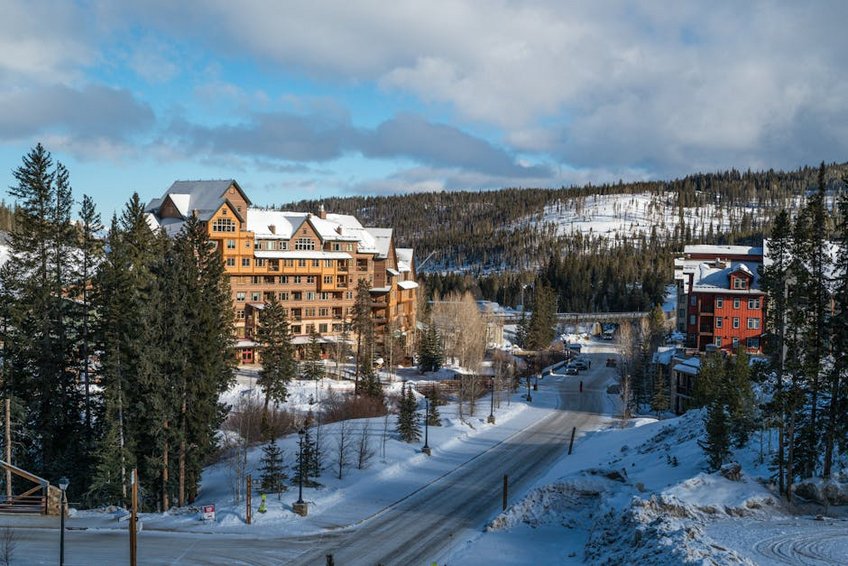
Colorado February Ski Season: Your Guide to Perfect Powder
Colorado’s February ski season delivers optimal winter conditions across the state’s legendary Rocky Mountain resorts. You’ll find deep, consistent powder snow, vibrant alpine atmospheres, and reliably sunny days that define the quintessential ski vacation. This guide covers everything from resort selection and budget planning to navigating crowds and securing the best lift ticket deals for your trip.
Essential Colorado Ski Information
Colorado boasts over 30 major ski areas, each offering distinct terrain and village experiences. The state’s high elevation and continental climate create the famous ‘Champagne Powder’—light, dry snow perfect for skiing and snowboarding. February sits squarely in peak winter, guaranteeing extensive terrain openings and full resort operations.
Most resorts operate from late November through April, with February historically receiving the highest monthly snowfall. The ski culture here blends world-class athleticism with relaxed mountain town vibes. You can transition from challenging black diamond runs to cozy fireside apres-ski within minutes.
Colorado’s Major Ski Regions
Understanding the state’s key ski zones helps narrow your destination choice.
- Summit County: Home to Breckenridge, Keystone, Copper Mountain, and Arapahoe Basin, all accessible with the Epic Pass. This area offers vast, interconnected terrain and vibrant towns.
- Vail Valley: Features the massive Vail and Beaver Creek resorts, known for expansive back bowls, luxury amenities, and refined European-inspired villages.
- Aspen Snowmass: Encompasses four distinct mountains—Aspen Mountain, Snowmass, Aspen Highlands, and Buttermilk—catering to all skill levels with a famed upscale atmosphere.
- Southwest Colorado: Includes Telluride and Purgatory Resort, offering dramatic scenery, fewer crowds, and a more remote, authentic feel.
- Budget-Conscious: ($150-$250 per person per day) Stay in nearby towns like Frisco or Dillon for Summit County, or Glenwood Springs for Aspen. Use shuttle services, pack lunches, and prioritize value resorts like Loveland or Monarch. Look for mid-week lodging deals.
- Mid-Range Standard: ($300-$500 per person per day) Book slope-side condos in resort villages like Breckenridge or Vail. Purchase lift tickets in advance online for discounts. Enjoy a mix of casual and nice apres-ski dinners. Rent a car for flexibility.
- Luxury Experience: ($700-$1000+ per person per day) Select five-star hotels or private ski-in/ski-out homes. Book private lessons, fine dining reservations, and spa treatments. Consider helicopter skiing or guided backcountry tours for exclusive terrain access.
- Colorado Tourism Office – Ski Resort Guide
- National Weather Service – Climate Data
Why February is Prime Time
February consistently provides the most reliable conditions for a ski holiday. Snowpack is at its deepest, with resorts often reporting 100% of trails open. Base depths typically range from 60 to 100 inches across major areas. The weather pattern stabilizes, reducing early-season variability.
Daytime highs at base areas average 28°F to 35°F (-2°C to 2°C), while summit temperatures can be 10-15 degrees colder. This temperature range preserves snow quality. You’ll enjoy longer daylight hours compared to December and January, allowing more time on the slopes.
Understanding Resort Terrain
Colorado slopes cater to every ability level. Beginner terrain, often called ‘green circles,’ comprises about 20-25% of most mountains. Intermediate ‘blue square’ runs form the largest percentage, usually 40-50%, featuring groomed cruisers.
Advanced ‘black diamond’ and expert ‘double black diamond’ terrain challenge skilled skiers with steep pitches, glades, and moguls. Always check the daily grooming report and trail map symbols for terrain parks, bowls, and hike-to areas.
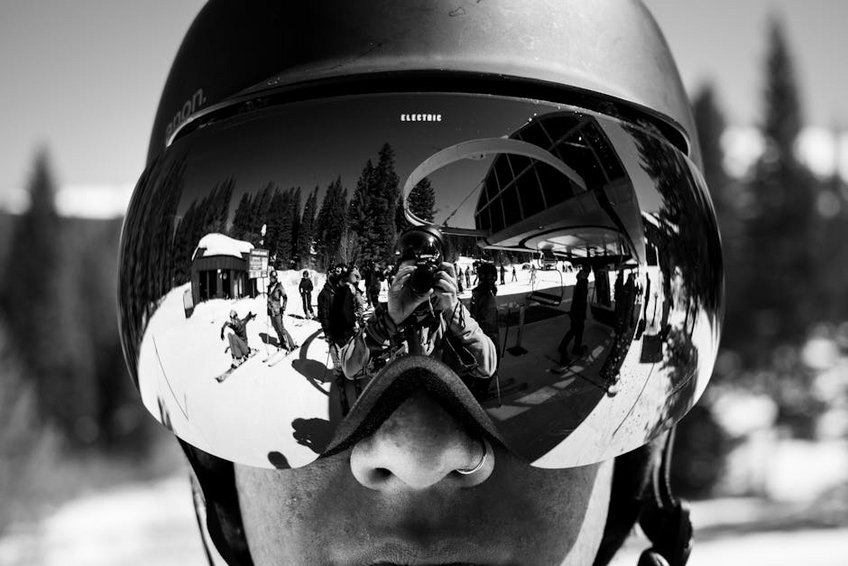
Alt: “colorado-rocky-mountains-february-ski-resort-powder-snow”
Colorado February Ski Season – Planning Your Trip
Organizing a successful February ski trip requires early action due to high demand. You should book accommodations and purchase lift tickets at least three to four months in advance, especially if targeting Presidents’ Day weekend. Flexibility with travel dates mid-week can yield significant savings and shorter lift lines.
Your budget must account for lift access, lodging, gear, and dining. Consider multi-resort passes like the Ikon or Epic Pass if planning to ski several days or visit different mountains. These passes offer the best per-day value but require purchase before the season starts, often by early fall.
Best Time to Visit Colorado in February
The ideal window for skiing in Colorado is early to mid-February, avoiding the major holiday rush. Target dates between February 5th and 18th for a balance of great snow and manageable crowds. Presidents’ Day weekend (the third weekend) is the single busiest period; expect premium prices and longer wait times.
Late February sees continued excellent conditions with a slight drop in visitor numbers after the holiday weekend. Snowfall remains abundant, with monthly averages of 50-70 inches at high-altitude resorts. This timing also increases your chances of skiing fresh powder following a mid-month storm cycle.
Budget Planning and Costs
A Colorado ski trip budget varies dramatically based on resort choice and lodging style.
Essential Preparation Checklist
Physical preparation is crucial for enjoying high-altitude skiing. Begin cardio and leg-strength exercises a month before your trip. Hydration starts before you arrive; drink plenty of water to combat altitude sickness. Pack high-SPF sunscreen, lip balm, and quality UV-protection goggles.
Reserve ski or snowboard rentals online before arrival for better selection and rates. Ensure your travel insurance covers winter sports. If flying, consider shipping bulky gear ahead or using resort rental packages to avoid airline baggage fees and hassle.
Top Resorts and Mountain Experiences
Vail Mountain impresses with over 5,300 acres of skiable terrain, including the legendary Back Bowls. Its seven distinct areas provide endless variety, complemented by the charming, car-free Vail Village. Breckenridge combines rich mining history with a massive, peak-filled ski area and a famously lively Main Street.
Aspen Snowmass actually offers four mountains on one ticket, with Snowmass providing the most family-friendly terrain. Telluride stuns with its dramatic box canyon setting and a mix of challenging expert terrain and superb beginner zones. Your choice depends on desired atmosphere and skiing priorities.
Must-See Resort Highlights
At Vail, spend a day exploring the expansive Back Bowls and Blue Sky Basin for advanced, open-terrain skiing. In Breckenridge, don’t miss the Imperial Express SuperChair—North America’s highest lift—accessing expert terrain above 12,000 feet. Both experiences define high-alpine Colorado skiing.
Beaver Creek’s charm includes daily 3 p.m. cookie service and impeccably groomed ‘corduroy’ runs. Aspen Highlands is famed for the hike-to terrain in Highland Bowl, offering some of the state’s most thrilling in-bounds descents. These iconic moments create lasting memories beyond standard trail skiing.
Hidden Gems and Local Favorites
For a less crowded alternative near Summit County, consider Copper Mountain. Its terrain naturally separates ability levels, and the laid-back village avoids the frenzy of larger neighbors. Similarly, Winter Park Resort, accessible from Denver, boasts fantastic tree skiing and a loyal local following.
Explore smaller, independent areas like Arapahoe Basin (“A-Basin”), known for its extended season and high-altitude, no-frills vibe. Loveland Ski Area, straddling the Continental Divide, offers incredible snow quality and short lift lines just off I-70. These spots provide authentic Colorado culture.
Family-Friendly Mountain Features
Many resorts excel with dedicated family zones. Keystone features the world’s largest & most elaborate snow fort, Kidtopia. Beaver Creek has the magical Candy Cabin on the mountain. Snowmass offers an excellent ski school and gentle, wide learning areas perfect for first-timers.
Look for resorts with surface lifts (magic carpets) in beginner areas, simplified trail maps for kids, and comfortable, on-mountain dining options. Programs like “Ski with a Ranger” (Breckenridge) or mountain ecology tours add educational value to the skiing experience for children.
Practical Travel and Logistics
Most travelers fly into Denver International Airport (DEN), a major hub about 2-3 hours from most ski resorts. Eagle County Regional Airport (EGE) is closer to Vail and Beaver Creek, while Aspen/Pitkin County Airport (ASE) serves the Aspen area directly. Winter driving requires a 4WD or AWD vehicle with proper snow tires.
Resort shuttle systems are comprehensive and often free within village cores. For inter-resort travel, services like Colorado Mountain Express provide shared shuttle vans. Renting a car offers maximum flexibility but demands confidence driving on potentially snowy mountain passes.
| Transportation Method | Best For / Key Features | Approximate Cost (USD) |
|---|---|---|
| Rental Car (4WD/AWD) | Flexibility, multiple resort visits, families with gear. Requires snow driving skill. | $70-$120 per day |
| Private Shuttle (e.g., CME) | Door-to-door service from DEN airport to resort, no driving stress. | $150-$250 per person roundtrip |
| Public Bus (Snowstang, Bustang) | Budget option from Denver to specific resort hubs like Frisco or Vail. | $20-$40 per person one-way |
| Resort Shuttle & Local Buses | Free or low-cost travel within resort towns and between base areas. | $0-$5 per ride |